





11
2025
-
10
The Importance of Quality in Polyester Spunbond Nonwoven Fabric Production: A Comprehensive Guide
The Importance of Quality in Polyester Spunbond Nonwoven Fabric Production In the ever-evolving textile industry, the significance of quality cannot be overstated, especially when it comes to polyester spunbond nonwoven fabrics. These materials are widely utilized in numerous applications, ranging from medical products to consumer goods. Understanding and implementing quality production processes

The Importance of Quality in Polyester Spunbond Nonwoven Fabric Production
In the ever-evolving textile industry, the significance of quality cannot be overstated, especially when it comes to polyester spunbond nonwoven fabrics. These materials are widely utilized in numerous applications, ranging from medical products to consumer goods. Understanding and implementing quality production processes is essential for manufacturers looking to meet industry standards and consumer expectations.
Understanding Polyester Spunbond Nonwoven Fabrics
Polyester spunbond nonwoven fabrics are engineered through a sophisticated process that involves the melting of polyester pellets. The molten polyester is extruded through spinnerets, forming continuous filaments that are laid down and bonded together through heat and pressure. This production method yields a strong, durable fabric that can be tailored to various specifications.
Key Characteristics of Polyester Spunbond Nonwoven Fabrics
One of the primary reasons for the popularity of polyester spunbond nonwoven fabrics is their unique characteristics:
- Durability: With high tensile strength, these fabrics can withstand significant stress and strain.
- Lightweight: The fabric's lightweight nature makes it an ideal choice for applications requiring easy handling.
- Breathability: Nonwoven fabrics allow air and moisture to pass through, enhancing comfort in applications such as apparel and medical wear.
- Cost-effectiveness: Production efficiency leads to lower costs, making them accessible for various industries.
The Role of Quality in Polyester Nonwoven Fabric Production
Quality plays a pivotal role in the production of polyester spunbond nonwoven fabrics. It directly impacts not only the performance and durability of the final product but also the manufacturer's reputation in the market. Ensuring high-quality production processes translates into numerous benefits, including:
Enhanced Performance and Longevity
High-quality polyester spunbond nonwoven fabrics exhibit superior performance characteristics, ensuring they last longer and maintain their integrity under various conditions. This durability minimizes the need for frequent replacements, benefiting consumers and manufacturers alike.
Consistency and Reliability
A focus on quality assurance leads to consistent fabric production, allowing manufacturers to deliver reliable products. This consistency is crucial for industries that require precise specifications, such as medical and automotive sectors, where any deviation could lead to significant repercussions.
Meeting Industry Standards and Regulations
Adhering to stringent quality standards is necessary for compliance with regulations governing various industries. By maintaining high production quality, manufacturers can avoid legal repercussions while ensuring their products meet the expectations of both consumers and regulatory bodies.
Factors Influencing Quality in Polyester Spunbond Nonwoven Fabric Production
Several factors can significantly influence the quality of polyester spunbond nonwoven fabrics. Understanding these elements allows manufacturers to identify potential issues and implement corrective measures effectively.
Raw Material Quality
The choice of raw materials is fundamental to the overall quality of the fabric. High-grade polyester pellets contribute to the fabric's strength, durability, and overall performance. Manufacturers should prioritize sourcing materials from reputable suppliers to ensure quality.
Production Technology and Equipment
Utilizing advanced production technology and well-maintained equipment is crucial for achieving high-quality output. Outdated machinery can lead to inconsistencies in fabric properties. Investing in state-of-the-art technology helps maintain quality throughout the production cycle.
Process Control and Monitoring
Implementing robust process control measures is essential for maintaining quality standards. Regular monitoring of production parameters, such as temperature and pressure during the bonding process, ensures that the final product meets specified requirements.
Quality Assurance Practices in Polyester Nonwoven Fabric Production
Adopting effective quality assurance practices is vital for ensuring the production of high-quality polyester spunbond nonwoven fabrics. Here are some essential practices to consider:
Regular Quality Testing
Conducting regular quality tests on raw materials and finished products is crucial for identifying defects early in the production process. Tests should include assessments of tensile strength, thickness, and breathability to ensure compliance with specifications.
Employee Training and Development
Investing in employee training is an integral part of maintaining quality. Well-trained staff are more adept at identifying potential quality issues and implementing best practices throughout the production process.
Feedback Loops and Continuous Improvement
Establishing feedback mechanisms allows manufacturers to gather insights from customers and industry trends. This information can be invaluable for identifying areas for improvement and ensuring that quality remains a top priority.
Applications of High-Quality Polyester Spunbond Nonwoven Fabrics
The applications of polyester spunbond nonwoven fabrics are vast and varied. High-quality fabrics cater to numerous industries, each with its specific requirements:
Medical Applications
In the medical field, nonwoven fabrics are used for surgical gowns, drapes, and masks. The quality of these fabrics is critical for preventing infection and ensuring patient safety.
Consumer Goods
High-quality polyester spunbond fabrics are utilized in the production of shopping bags, hygiene products, and home textiles. Quality assurance ensures these products meet consumer expectations for durability and usability.
Automotive Applications
In the automotive industry, nonwoven fabrics are used in interior components, sound insulation, and filtration. Ensuring high quality in these applications contributes to overall vehicle safety and comfort.
Future Trends in Polyester Spunbond Nonwoven Fabric Production
The landscape of polyester spunbond nonwoven fabric production is evolving. Several trends are shaping the future of this industry:
Sustainability Initiatives
As sustainability becomes a priority across many industries, manufacturers are exploring eco-friendly materials and production processes. Using recycled polyester can significantly reduce the environmental impact of fabric production.
Technological Advancements
Innovations in production technology, such as automation and smart manufacturing, are enhancing the efficiency and quality of nonwoven fabric production. These advancements allow manufacturers to produce higher-quality fabrics at reduced costs.
Customization and Personalization
With consumer preferences shifting towards personalization, the ability to customize nonwoven fabrics for specific applications is becoming increasingly important. Manufacturers who can adapt to these demands will likely gain a competitive edge in the market.
Frequently Asked Questions (FAQs)
What is polyester spunbond nonwoven fabric?
Polyester spunbond nonwoven fabric is a type of fabric made from continuous polyester filaments that are thermally bonded together, resulting in a durable and versatile material used in various applications.
What are the advantages of using polyester spunbond nonwoven fabric?
Advantages include durability, lightweight nature, breathability, cost-effectiveness, and customization potential, making it suitable for diverse industries.
How is quality assurance implemented in nonwoven fabric production?
Quality assurance is implemented through regular testing, adherence to industry standards, employee training, and process control measures to ensure consistency and reliability.
What industries utilize polyester spunbond nonwoven fabrics?
Industries include medical, automotive, consumer goods, construction, and agricultural sectors, where high-quality fabrics are essential for performance and safety.
What are the future trends in polyester spunbond nonwoven fabric production?
Future trends include a focus on sustainability, technological advancements in production, and the ability to provide customization to meet changing consumer demands.
Conclusion
Quality is paramount in the production of polyester spunbond nonwoven fabrics. By understanding the intricacies of the production process and implementing effective quality assurance practices, manufacturers can produce fabrics that meet the highest standards and fulfill the diverse needs of various industries. As the market continues to evolve, prioritizing quality will be critical for maintaining competitiveness and ensuring customer satisfaction. Investing in quality today will pave the way for success in the future of polyester spunbond nonwoven fabric production.
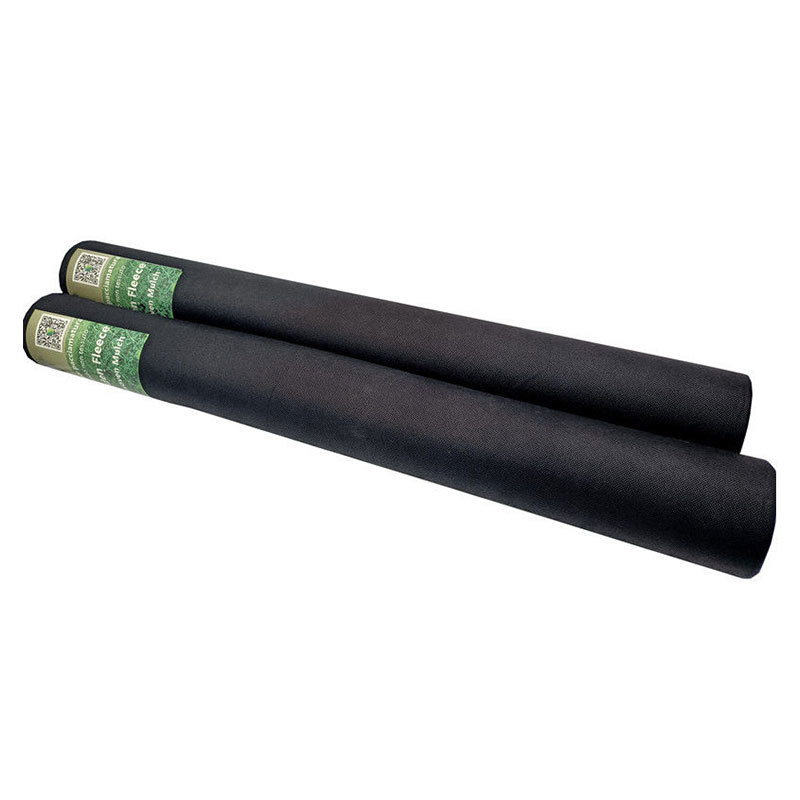
Polyester Spunbond Nonwoven Fabric

LEAVE A MESSAGE
MESSAGE