




12
2025
-
10
Understanding Polyester Spunbond Fabric: A Comprehensive Overview
Polyester spunbond fabric is a type of non-woven fabric that is created through a process called spunbonding. This method involves extruding continuous filaments of polyester to form a sheet of fabric, which is then consolidated using thermal bonding. The result is a lightweight, durable, and versatile material that is gaining significant traction in a variety of applications. One of the standout

Polyester spunbond fabric is a type of non-woven fabric that is created through a process called spunbonding. This method involves extruding continuous filaments of polyester to form a sheet of fabric, which is then consolidated using thermal bonding. The result is a lightweight, durable, and versatile material that is gaining significant traction in a variety of applications.
One of the standout features of polyester spunbond fabric is its excellent strength-to-weight ratio. This makes it ideal for applications where durability is essential while maintaining a lightweight profile. The fabric is resistant to tearing, making it suitable for products that require heavy handling or exposure to harsh conditions.
Additionally, polyester spunbond fabric exhibits outstanding chemical resistance. It can withstand exposure to various chemicals and solvents, which is particularly beneficial in industrial settings. This property also makes it an excellent choice for medical applications, such as surgical gowns and drapes, where sterility and resistance to contaminants are critical.
Another advantage of polyester spunbond fabric is its breathability. The fabric allows air and moisture to pass through, making it suitable for applications such as disposable clothing and filtration products. This breathability contributes to comfort in wearable applications while also enhancing performance in industrial uses.
In terms of sustainability, polyester spunbond fabric can be produced using recycled materials, making it an eco-friendly option in the textile industry. This aspect has become increasingly important as consumers and companies alike prioritize sustainability in their purchasing decisions. The fabric can also be designed for biodegradability, aligning with efforts to reduce environmental impact.
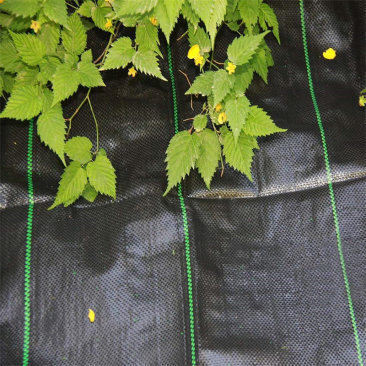
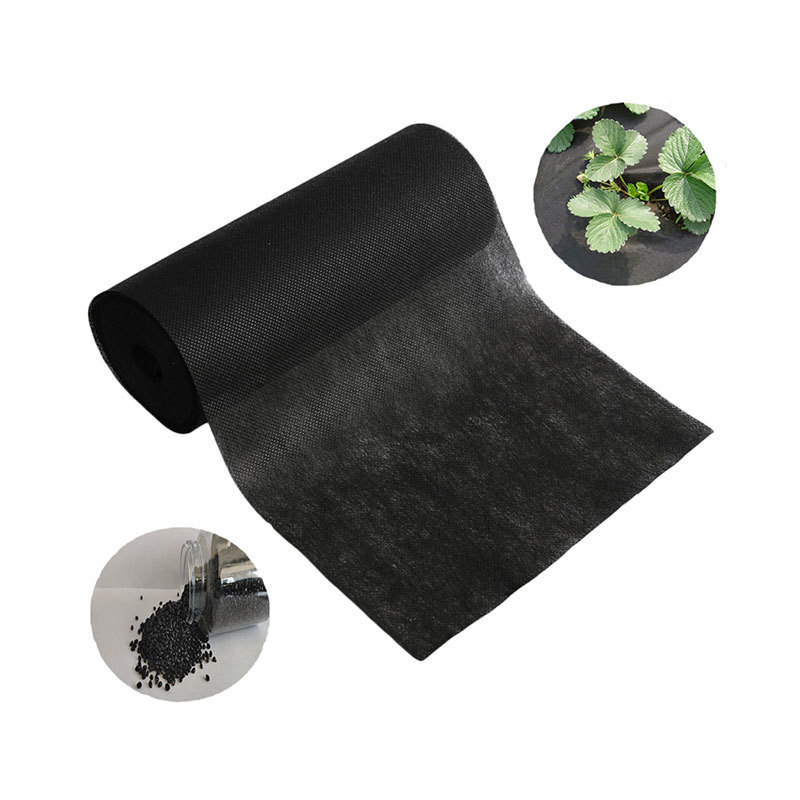
The applications of polyester spunbond fabric are diverse. In the automotive industry, it is used for interior linings and insulation materials. In agriculture, it serves as a protective cover for crops, aiding in pest control and temperature regulation. Furthermore, its application extends to hygiene products, including diapers and feminine hygiene items, due to its softness and absorbency.
In summary, polyester spunbond fabric is a versatile and innovative material that offers numerous benefits across various sectors. Its strength, chemical resistance, breathability, and potential for sustainable production make it a valuable choice for professionals in the textile and non-woven fabric industries. As technology continues to advance, the possibilities for polyester spunbond fabric are expanding, promising exciting developments for future applications.
One of the standout features of polyester spunbond fabric is its excellent strength-to-weight ratio. This makes it ideal for applications where durability is essential while maintaining a lightweight profile. The fabric is resistant to tearing, making it suitable for products that require heavy handling or exposure to harsh conditions.
Additionally, polyester spunbond fabric exhibits outstanding chemical resistance. It can withstand exposure to various chemicals and solvents, which is particularly beneficial in industrial settings. This property also makes it an excellent choice for medical applications, such as surgical gowns and drapes, where sterility and resistance to contaminants are critical.
Another advantage of polyester spunbond fabric is its breathability. The fabric allows air and moisture to pass through, making it suitable for applications such as disposable clothing and filtration products. This breathability contributes to comfort in wearable applications while also enhancing performance in industrial uses.
In terms of sustainability, polyester spunbond fabric can be produced using recycled materials, making it an eco-friendly option in the textile industry. This aspect has become increasingly important as consumers and companies alike prioritize sustainability in their purchasing decisions. The fabric can also be designed for biodegradability, aligning with efforts to reduce environmental impact.
The applications of polyester spunbond fabric are diverse. In the automotive industry, it is used for interior linings and insulation materials. In agriculture, it serves as a protective cover for crops, aiding in pest control and temperature regulation. Furthermore, its application extends to hygiene products, including diapers and feminine hygiene items, due to its softness and absorbency.
In summary, polyester spunbond fabric is a versatile and innovative material that offers numerous benefits across various sectors. Its strength, chemical resistance, breathability, and potential for sustainable production make it a valuable choice for professionals in the textile and non-woven fabric industries. As technology continues to advance, the possibilities for polyester spunbond fabric are expanding, promising exciting developments for future applications.
polyester spunbond fabric

LEAVE A MESSAGE
MESSAGE