



15
2025
-
10
Exploring Various Applications of Permeable Landscape Fabric in Modern Landscaping
Exploring Various Applications of Permeable Landscape Fabric Table of Contents What is Permeable Landscape Fabric? Benefits of Using Permeable Landscape Fabric Applications of Permeable Landscape Fabric in Landscaping Erosion Control and Soil Stability Innovative Drainage Solutions with Permeable Fabric Weeds and Vegetation Management Permeable Landscape Fabric and Env

Exploring Various Applications of Permeable Landscape Fabric
Table of Contents
- What is Permeable Landscape Fabric?
- Benefits of Using Permeable Landscape Fabric
- Applications of Permeable Landscape Fabric in Landscaping
- Erosion Control and Soil Stability
- Innovative Drainage Solutions with Permeable Fabric
- Weeds and Vegetation Management
- Permeable Landscape Fabric and Environmental Sustainability
- Installation Tips for Permeable Landscape Fabric
- Frequently Asked Questions
- Conclusion
What is Permeable Landscape Fabric?
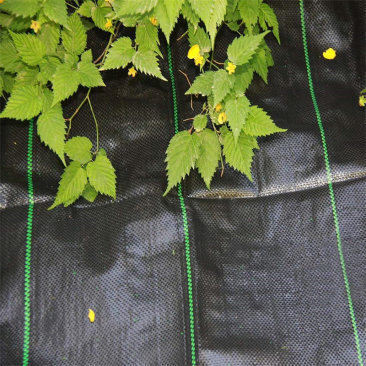
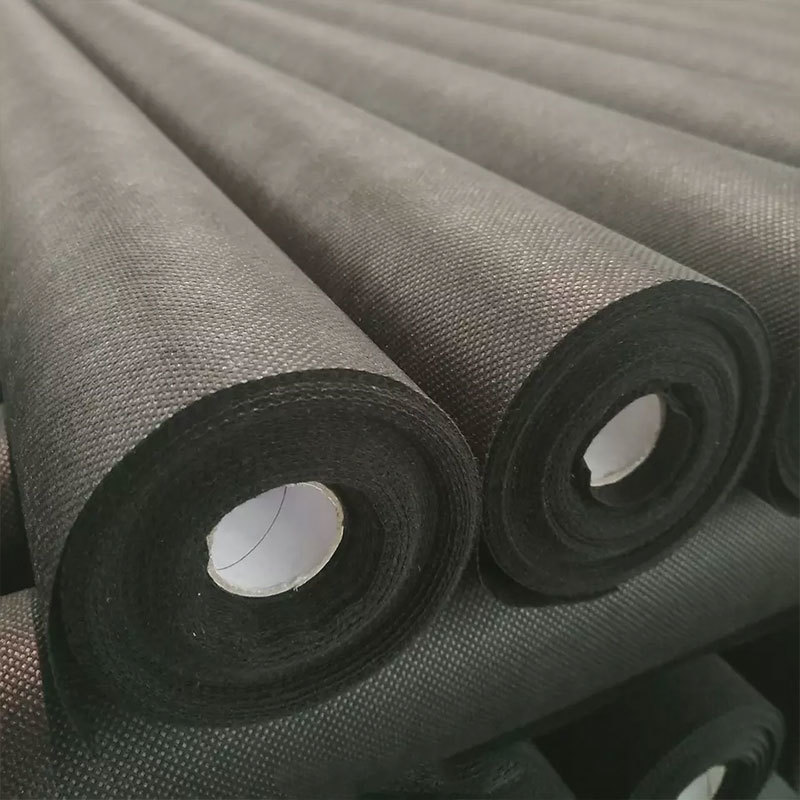
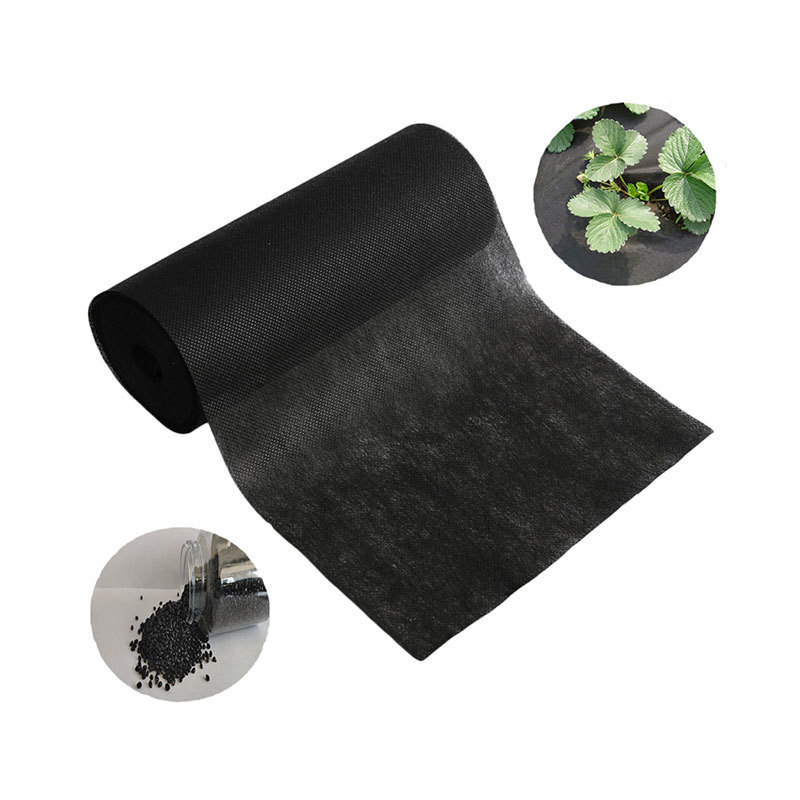
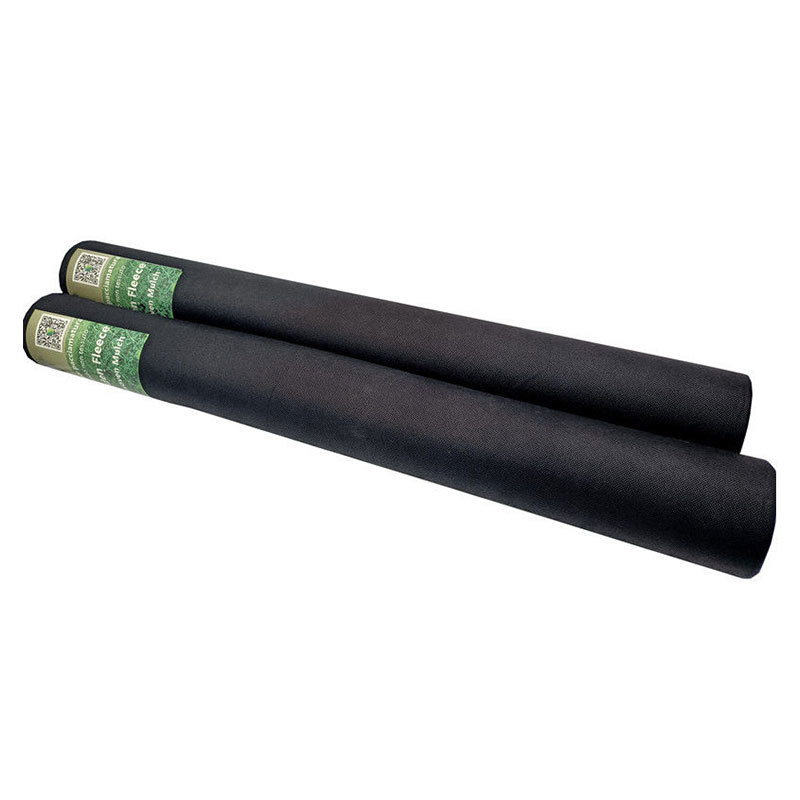
Permeable landscape fabric, often referred to as geotextiles or filter fabrics, is a specialized material designed to allow water and air to pass through while providing a barrier to soil and debris. Typically made from synthetic materials such as polypropylene or polyester, this fabric is engineered to enhance drainage while preventing soil erosion. Its porous nature makes it ideal for a variety of landscaping applications, positioning it as a cornerstone in modern horticultural practices.
Benefits of Using Permeable Landscape Fabric
The advantages of incorporating permeable landscape fabric into landscaping projects are extensive:
Enhanced Drainage
This fabric facilitates effective water flow, which helps to prevent standing water and promotes healthy root systems in plants.
Soil Stabilization
By providing a physical barrier, permeable fabric mitigates soil erosion and enhances soil structure, ensuring that landscaping features remain intact even during heavy rainfall.
Weed Control
The use of permeable landscape fabric also suppresses weed growth, reducing the need for chemical herbicides and promoting a more natural growing environment.
Environmental Sustainability
By supporting efficient water drainage and preventing erosion, permeable fabric contributes to sustainable landscaping practices, making it a favorite among eco-conscious designers.
Applications of Permeable Landscape Fabric in Landscaping
Permeable landscape fabric is versatile and can be utilized in various landscaping scenarios:
Garden Beds
In garden beds, this fabric serves as an effective barrier that allows for water and nutrients to permeate while restricting weed growth. It ensures that plants receive adequate moisture without being overwhelmed by competing vegetation.
Pathways and Walkways
When used beneath gravel or decorative stone pathways, permeable landscape fabric helps maintain the integrity of the surface while allowing for efficient drainage and preventing sediment from mixing with the pathway material.
Retaining Walls and Terracing
In terraced landscapes or around retaining walls, permeable fabric assists in controlling water flow, preventing soil pressure buildup, and promoting stability in layered structures.
Erosion Control and Soil Stability
Erosion poses a significant threat to landscapes, particularly in areas with steep slopes or heavy rainfall. Permeable landscape fabric plays a crucial role in erosion control.
Applying in High-Risk Areas
In regions prone to erosion, utilizing this fabric can stabilize soil by providing a protective layer that holds soil particles together. It allows water to flow through while preventing the topsoil from washing away.
Long-Term Soil Health
Beyond immediate erosion control, permeable fabric supports long-term soil health by maintaining moisture levels and preventing nutrient loss, fostering a robust ecosystem for plant growth.
Innovative Drainage Solutions with Permeable Fabric
In landscaping, managing water drainage is vital, and permeable landscape fabric offers innovative solutions.
Stormwater Management
In urban areas, where impervious surfaces dominate, permeable fabric can be integrated into stormwater management systems. It allows rainwater to infiltrate, reducing runoff and minimizing the risk of flooding.
Subsurface Drainage Systems
For landscapes with poor drainage, permeable landscape fabric can be used in conjunction with gravel and drainage pipes to create an effective subsurface drainage system. This combination helps direct excess water away from plant roots and structures.
Weeds and Vegetation Management
Weeds can quickly overtake a landscape if not managed effectively. Permeable landscape fabric offers a sustainable solution.
Reducing Herbicide Use
By acting as a physical barrier, this fabric reduces the need for chemical herbicides, fostering a healthier environment for both plants and pollinators.
Promoting Healthy Plant Growth
With weed competition minimized, plants can thrive, ensuring that landscapes remain vibrant and lush. The fabric allows for optimal air and water circulation, promoting overall health in garden beds.
Permeable Landscape Fabric and Environmental Sustainability
The adoption of permeable landscape fabric contributes significantly to environmental sustainability.
Water Conservation
With its ability to promote infiltration, permeable fabric supports water conservation by reducing the need for irrigation. It allows rainwater to be absorbed more effectively, replenishing groundwater supplies.
Supporting Biodiversity
Incorporating permeable fabric into landscaping practices promotes biodiversity by creating healthier ecosystems where native plants can flourish, benefiting local wildlife.
Installation Tips for Permeable Landscape Fabric
Proper installation is crucial to maximize the benefits of permeable landscape fabric. Follow these guidelines:
Site Preparation
Before installation, clear the area of any debris, rocks, or old vegetation. Ensure a level surface to promote even water distribution.
Layering Techniques
When applying the fabric, consider layering with gravel or mulch on top to enhance aesthetics and further improve drainage.
Secure the Edges
Use landscape staples or pins to secure the fabric in place, preventing it from shifting during heavy rainfall or wind.
Frequently Asked Questions
1. What is the lifespan of permeable landscape fabric?
Permeable landscape fabric typically lasts between 5 to 10 years, depending on environmental conditions and the quality of the material.
2. Can permeable fabric be used in all soil types?
Yes, permeable landscape fabric can be used in various soil types, although its effectiveness may vary based on soil composition.
3. Is permeable landscape fabric reusable?
While it can be reused, its effectiveness may decrease after prolonged exposure to the elements.
4. Does permeable fabric allow for plant growth?
Yes, the fabric is designed to allow water and air to pass through, supporting healthy plant growth while suppressing weeds.
5. How do I choose the right permeable fabric for my project?
Consider factors such as the specific application, soil type, and intended use when selecting permeable landscape fabric to ensure optimal performance.
Conclusion
Permeable landscape fabric is a versatile and invaluable asset in modern landscaping, offering numerous applications that promote sustainability, soil stability, and effective drainage. By understanding its benefits and potential uses, we can enhance our landscaping projects while contributing positively to the environment. Whether used in garden beds, pathways, or erosion control, permeable landscape fabric stands as a testament to innovative landscaping solutions that bridge the gap between beauty and functionality. As we continue to explore sustainable practices, permeable landscape fabric will undoubtedly play a pivotal role in shaping the landscapes of the future.
permeable landscape fabric

LEAVE A MESSAGE
MESSAGE