




16
2025
-
10
Understanding the Importance of Garden Ground Cover Fabric in Construction
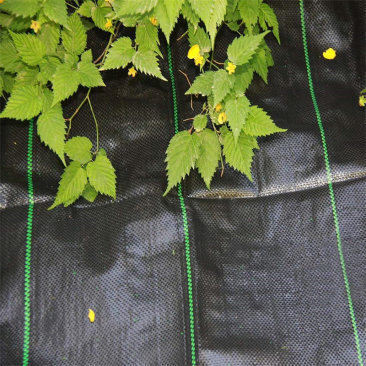
In the realm of construction and landscaping, garden ground cover fabric serves as a vital component that aids in soil management and weed control. This specialized fabric, often made from synthetic materials, acts as a barrier that prevents weeds from penetrating through while still allowing water and nutrients to reach the soil. Its porous nature ensures proper drainage, which is crucial for the

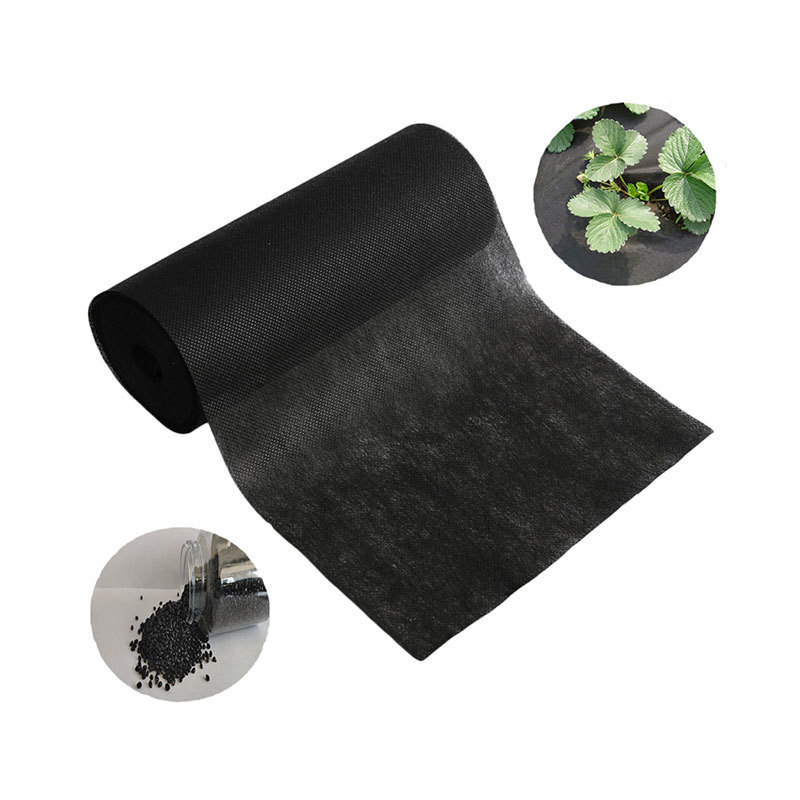
In the realm of construction and landscaping, garden ground cover fabric serves as a vital component that aids in soil management and weed control. This specialized fabric, often made from synthetic materials, acts as a barrier that prevents weeds from penetrating through while still allowing water and nutrients to reach the soil. Its porous nature ensures proper drainage, which is crucial for the health of plants in any landscaped area.
One of the primary advantages of using garden ground cover fabric is its effectiveness in reducing maintenance efforts. By inhibiting weed growth, the fabric minimizes the need for chemical herbicides, aligning with sustainable practices in landscaping. Gardeners and landscapers can enjoy a more manageable outdoor space, focusing on the growth and health of their plants rather than the relentless cycle of weeding.
Additionally, garden ground cover fabric plays a significant role in erosion control. When installed correctly, it helps stabilize soil, especially on slopes and hillsides, where erosion can be a serious concern. The fabric assists in holding soil in place, reducing the risk of runoff and sediment loss during heavy rainfall. This benefit is particularly crucial for construction sites and newly landscaped areas where soil integrity is paramount.
Another noteworthy aspect of garden ground cover fabric is its role in temperature regulation. By providing a barrier between the soil and the elements, the fabric can help maintain consistent soil temperatures, which is beneficial for root development. This characteristic is especially important in regions with extreme temperature fluctuations, where maintaining a stable environment for plants can significantly enhance their growth.
When considering the installation of garden ground cover fabric, it is essential to select the appropriate type for your specific needs. Various options are available, each designed to cater to different applications, from residential gardens to large commercial landscapes. Ensuring proper installation is equally important; the fabric should be laid flat without wrinkles or gaps to maximize its effectiveness.
In conclusion, garden ground cover fabric is an invaluable asset in the construction and landscaping industry, providing numerous benefits such as weed suppression, erosion control, and temperature regulation. By incorporating this material into garden designs, professionals can enhance the longevity and health of landscaped areas while promoting environmentally friendly practices. Understanding the various applications and advantages of garden ground cover fabric will empower professionals to make informed decisions that contribute to the success of their projects.
One of the primary advantages of using garden ground cover fabric is its effectiveness in reducing maintenance efforts. By inhibiting weed growth, the fabric minimizes the need for chemical herbicides, aligning with sustainable practices in landscaping. Gardeners and landscapers can enjoy a more manageable outdoor space, focusing on the growth and health of their plants rather than the relentless cycle of weeding.
Additionally, garden ground cover fabric plays a significant role in erosion control. When installed correctly, it helps stabilize soil, especially on slopes and hillsides, where erosion can be a serious concern. The fabric assists in holding soil in place, reducing the risk of runoff and sediment loss during heavy rainfall. This benefit is particularly crucial for construction sites and newly landscaped areas where soil integrity is paramount.
Another noteworthy aspect of garden ground cover fabric is its role in temperature regulation. By providing a barrier between the soil and the elements, the fabric can help maintain consistent soil temperatures, which is beneficial for root development. This characteristic is especially important in regions with extreme temperature fluctuations, where maintaining a stable environment for plants can significantly enhance their growth.
When considering the installation of garden ground cover fabric, it is essential to select the appropriate type for your specific needs. Various options are available, each designed to cater to different applications, from residential gardens to large commercial landscapes. Ensuring proper installation is equally important; the fabric should be laid flat without wrinkles or gaps to maximize its effectiveness.
In conclusion, garden ground cover fabric is an invaluable asset in the construction and landscaping industry, providing numerous benefits such as weed suppression, erosion control, and temperature regulation. By incorporating this material into garden designs, professionals can enhance the longevity and health of landscaped areas while promoting environmentally friendly practices. Understanding the various applications and advantages of garden ground cover fabric will empower professionals to make informed decisions that contribute to the success of their projects.
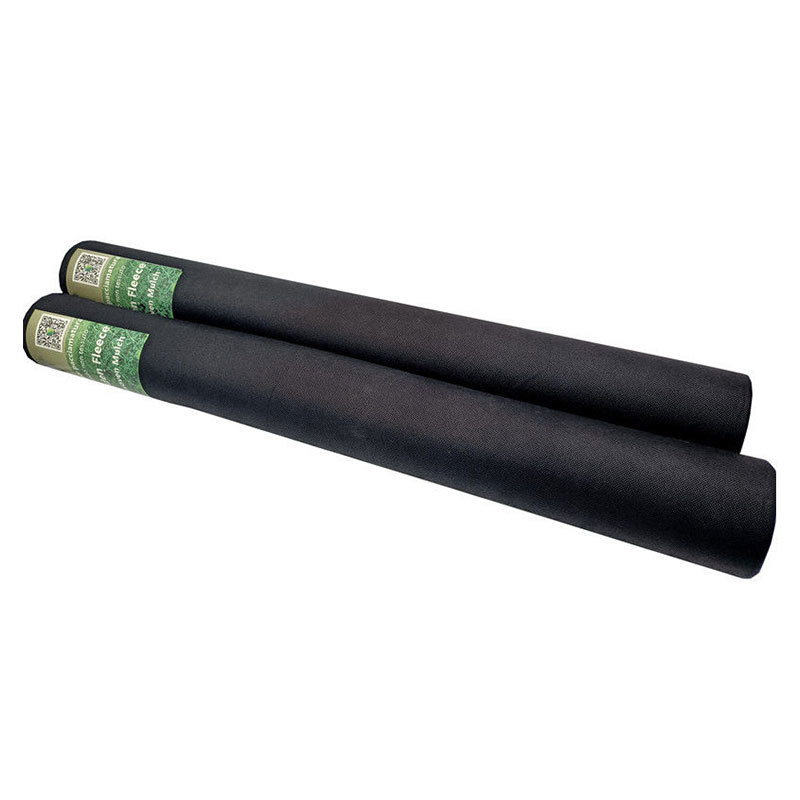
garden ground cover fabric

LEAVE A MESSAGE
MESSAGE