




17
2025
-
10
Innovative Uses of Woven Ground Cover Fabric in Outdoor Spaces
Innovative Uses of Woven Ground Cover Fabric in Outdoor Spaces Woven ground cover fabric has emerged as a game-changer in the realm of outdoor landscaping and construction. This versatile material, often overlooked, offers a plethora of benefits that can enhance both the functionality and aesthetics of outdoor spaces. In this article, we delve into the innovative applications of woven ground cover

Innovative Uses of Woven Ground Cover Fabric in Outdoor Spaces
Woven ground cover fabric has emerged as a game-changer in the realm of outdoor landscaping and construction. This versatile material, often overlooked, offers a plethora of benefits that can enhance both the functionality and aesthetics of outdoor spaces. In this article, we delve into the innovative applications of woven ground cover fabric, exploring its benefits, installation techniques, and creative uses in various outdoor settings.
What is Woven Ground Cover Fabric?
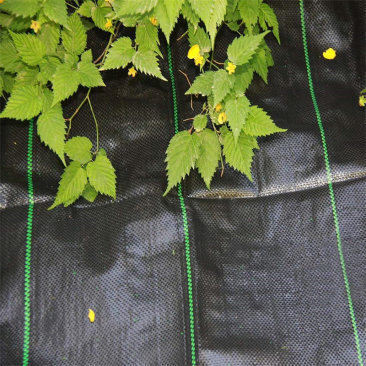
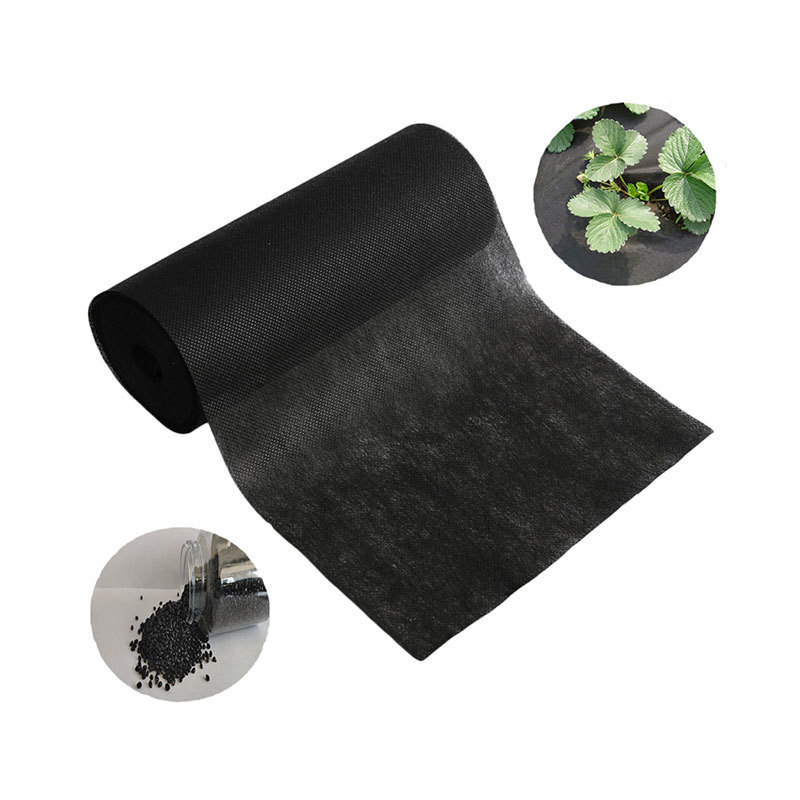
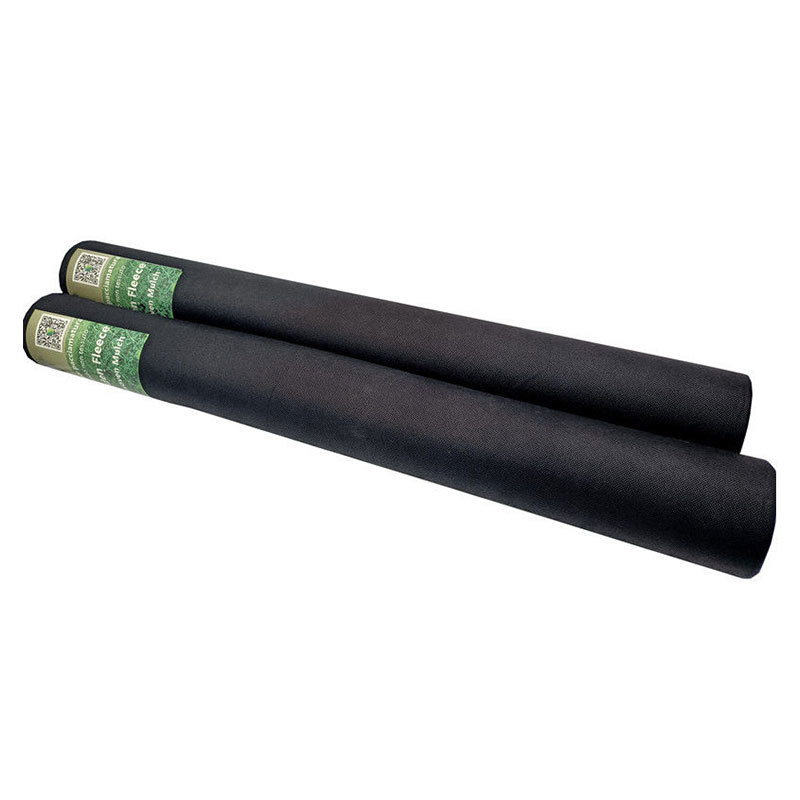
Woven ground cover fabric, also known as landscape fabric, is made from polypropylene or polyester, woven together to form a sturdy, permeable material. This fabric is designed to allow water and nutrients to penetrate while preventing weeds from taking root. It is often used in gardens, landscaping, and construction sites for various purposes.
Key Benefits of Woven Ground Cover Fabric
1. **Weed Control**: One of the primary purposes of woven ground cover fabric is to suppress weed growth. By blocking sunlight, it prevents weeds from germinating, reducing the need for herbicides and manual weeding.
2. **Erosion Prevention**: In areas prone to erosion, this fabric provides a protective layer that helps stabilize soil. It effectively reduces the displacement of soil caused by wind and water.
3. **Moisture Retention**: The fabric allows for water drainage while retaining moisture in the soil, promoting healthier plant growth. This is especially useful in sandy or dry soils.
4. **Aesthetic Enhancement**: Woven ground cover fabric can be used as an underlay for decorative stones or mulch, offering a clean and professional finish to landscaping projects.
5. **Durability**: Made to withstand the elements, woven ground cover fabric is UV-resistant and can last for several years, making it a cost-effective choice for long-term projects.
Innovative Applications of Woven Ground Cover Fabric
Woven ground cover fabric's versatility extends to various outdoor applications. Below, we explore some of the most innovative uses of this material in enhancing outdoor spaces.
1. Landscaping and Garden Design
When it comes to landscaping, woven ground cover fabric serves as an essential tool in creating beautiful, low-maintenance gardens. By laying the fabric beneath mulch or decorative stones, homeowners can achieve a polished look while effectively controlling weeds.
Creative Planting Techniques
We can utilize woven ground cover fabric in creative planting techniques, such as creating raised beds or planting islands. By cutting slits in the fabric, we can plant flowers, shrubs, or vegetables while ensuring that weeds remain suppressed.
2. Pathways and Walkways
Woven ground cover fabric is an excellent choice for creating durable pathways and walkways. By placing the fabric under gravel, stone, or pavers, we can create a stable surface that prevents weeds from breaking through while providing effective drainage.
Designing Eco-Friendly Pathways
In designing eco-friendly pathways, woven ground cover fabric can be combined with natural materials like crushed stone or recycled concrete. This not only enhances the aesthetic appeal but also promotes sustainability.
3. Erosion Control on Slopes
For properties situated on slopes or hillsides, woven ground cover fabric is a practical solution to prevent soil erosion. By anchoring the fabric with stakes and covering it with vegetation, we can effectively reduce run-off and soil loss.
Implementing Vegetation Layering
Implementing layering techniques using woven ground cover fabric allows for the establishment of a vegetative buffer. This enhances moisture retention and encourages healthy plant growth, further stabilizing the slope.
4. Creating Outdoor Living Spaces
Woven ground cover fabric can be utilized creatively in outdoor living spaces, such as patios and decks. By placing the fabric under furniture or decorative stones, we can ensure a clean and weed-free environment.
Enhancing Outdoor Aesthetics
We can enhance outdoor aesthetics further by using woven ground cover fabric as a base for decorative elements like fire pits or seating areas. This not only provides a stable foundation but also elevates the overall look of the space.
5. Supporting Sustainable Practices
Incorporating woven ground cover fabric into gardening and landscaping practices supports sustainability efforts. By minimizing the use of chemical herbicides and fertilizers, we contribute to a healthier environment.
Promoting Biodiversity
Promoting biodiversity can be achieved by using woven ground cover fabric to create pollinator gardens or native plant areas. This practice encourages wildlife and enhances the ecological balance in outdoor spaces.
Installation Techniques for Woven Ground Cover Fabric
To maximize the benefits of woven ground cover fabric, proper installation is crucial. Here are some essential tips for installation:
1. Site Preparation
Before laying the fabric, we must thoroughly prepare the site. This includes clearing away debris, rocks, and existing vegetation. Ensuring a clean, level surface promotes better results.
2. Cutting and Laying the Fabric
When cutting the fabric, it’s essential to leave some excess around the edges for securing it in place. Lay the fabric smoothly, avoiding wrinkles or overlaps that can lead to weed growth.
3. Securing the Fabric
Using landscape fabric staples or stakes, secure the fabric in place. This prevents movement during heavy rains or wind, ensuring effective weed control and erosion prevention.
4. Covering and Finishing Touches
After securing the fabric, cover it with the desired material, such as mulch, gravel, or soil. This not only enhances aesthetics but also adds weight to keep the fabric in place.
Frequently Asked Questions (FAQs)
1. How long does woven ground cover fabric last?
Woven ground cover fabric can last anywhere from 5 to 25 years, depending on the quality of the material and environmental conditions.
2. Can I use woven ground cover fabric for vegetable gardens?
Yes, woven ground cover fabric is suitable for vegetable gardens, as it allows water and nutrients to pass through while suppressing weeds.
3. Is woven ground cover fabric biodegradable?
Most woven ground cover fabrics are not biodegradable; however, they are designed to withstand the elements and provide long-term durability.
4. How do I remove weeds from beneath the fabric?
If weeds do appear beneath the fabric, carefully cut the fabric in the affected area, remove the weeds, and reseal the fabric; ensure it remains secured.
5. Can I plant directly into woven ground cover fabric?
Yes, you can plant directly into woven ground cover fabric by cutting slits and ensuring the plants are adequately spaced to allow for growth.
Conclusion
Woven ground cover fabric is an invaluable tool in transforming outdoor spaces. Its innovative uses extend beyond simple weed control; it serves as a foundation for sustainable landscaping, erosion prevention, and aesthetic enhancement. By understanding the applications, installation techniques, and benefits of this versatile material, we can create outdoor environments that are both functional and visually appealing. Embracing woven ground cover fabric not only promotes beautiful landscapes but also contributes to ecological sustainability. As we continue to explore innovative uses, the potential for woven ground cover fabric in outdoor spaces remains boundless.
woven ground cover fabric

LEAVE A MESSAGE
MESSAGE