




21
2025
-
10
A Deep Dive into the Environmental Impact of PP Nonwoven Fabric
A Deep Dive into the Environmental Impact of PP Nonwoven Fabric Table of Contents 1. Introduction to PP Nonwoven Fabrics 2. Understanding PP Nonwoven Fabric 3. The Environmental Impact of PP Nonwoven Fabrics 4. The Production Process of PP Nonwoven Fabrics 5. Life Cycle Analysis of PP Nonwoven Fabrics 6. Challenges and Issues Related to PP Nonwoven Fabrics 7. Sustainable Alternatives to PP Nonwov

A Deep Dive into the Environmental Impact of PP Nonwoven Fabric
Table of Contents
- 1. Introduction to PP Nonwoven Fabrics
- 2. Understanding PP Nonwoven Fabric
- 3. The Environmental Impact of PP Nonwoven Fabrics
- 4. The Production Process of PP Nonwoven Fabrics
- 5. Life Cycle Analysis of PP Nonwoven Fabrics
- 6. Challenges and Issues Related to PP Nonwoven Fabrics
- 7. Sustainable Alternatives to PP Nonwoven Fabrics
- 8. Industry Initiatives for Sustainable Practices
- 9. Future Outlook for PP Nonwoven Fabrics
- 10. Frequently Asked Questions
- 11. Conclusion
1. Introduction to PP Nonwoven Fabrics
Polypropylene (PP) nonwoven fabrics have become increasingly popular in various applications, ranging from medical supplies to household products. Their versatility stems from the unique properties of polypropylene, making it a favored choice in the textile industry. However, with the rise of environmental awareness, it is crucial to examine the ecological implications of PP nonwoven fabric production and disposal.
In this article, we will explore the environmental impact of PP nonwoven fabrics in detail, highlighting their lifecycle, benefits, challenges, and potential sustainable alternatives.
2. Understanding PP Nonwoven Fabric
PP nonwoven fabrics are engineered textiles made from polypropylene, a thermoplastic polymer. These fabrics are produced through various processes, including spunbonding and meltblowing. Unlike traditional woven fabrics, nonwovens are not produced by interlacing yarns; instead, they are created by bonding fibers together through mechanical, thermal, or chemical means.
**Key Features of PP Nonwoven Fabrics**:
- **Lightweight**: Their low density makes them easy to handle and transport.
- **Breathable**: Ideal for applications requiring air and moisture permeability.
- **Cost-Effective**: Generally lower production costs compared to woven fabrics.
- **Versatile**: Used in diverse applications, including hygiene products, geotextiles, and medical textiles.
3. The Environmental Impact of PP Nonwoven Fabrics
The environmental impact of PP nonwoven fabrics is a complex topic that encompasses several key areas: resource extraction, production, usage, and disposal.
Resource Extraction
The primary raw material for PP nonwoven fabric is polypropylene, derived from petroleum. The extraction and processing of fossil fuels contribute significantly to greenhouse gas emissions and environmental degradation. Additionally, drilling for oil can result in habitat destruction, water pollution, and oil spills, which have devastating effects on ecosystems.
Production Impact
The production process of PP nonwoven fabrics involves energy-intensive methods that emit pollutants into the atmosphere. Manufacturing facilities must manage waste streams and emissions to minimize their ecological footprint. Furthermore, the use of chemical additives in the production process raises concerns about toxic emissions and potential health risks for workers.
Usage and Benefits
Despite their environmental challenges, PP nonwoven fabrics offer several advantages that can lead to positive ecological outcomes. For instance, they are often used in disposable applications, reducing the need for water and energy-intensive washing processes associated with reusable textiles. In medical settings, the use of sterile nonwoven materials can enhance infection control, thereby contributing to public health.
Disposal Challenges
The disposal of PP nonwoven fabrics poses significant environmental challenges. Many of these fabrics are not biodegradable and can persist in landfills for hundreds of years. Their lightweight nature also contributes to microplastic pollution, as they can easily break down into smaller particles that contaminate soil and waterways.
4. The Production Process of PP Nonwoven Fabrics
Understanding the production process of PP nonwoven fabrics is crucial for assessing their environmental impact.
Manufacturing Methods
The primary methods used to produce PP nonwoven fabrics include:
- **Spunbonding**: This process involves extruding molten polypropylene through spinnerets, forming continuous filaments that are laid down in a web formation and bonded.
- **Meltblowing**: In meltblowing, a high-velocity air stream is used to blow molten polymer fibers into a nonwoven web, creating a finer and more absorbent fabric.
Both methods have varying energy requirements and emissions profiles, affecting their overall environmental impact.
Energy Consumption
Producing PP nonwoven fabrics requires considerable energy, primarily derived from fossil fuels. Incorporating renewable energy sources into the production process can help mitigate greenhouse gas emissions and reduce the environmental footprint.
5. Life Cycle Analysis of PP Nonwoven Fabrics
Conducting a life cycle analysis (LCA) is essential for understanding the overall environmental impact of PP nonwoven fabrics. An LCA examines the entire lifecycle of a product, from raw material extraction to end-of-life disposal.
Stages of Life Cycle
1. **Raw Material Extraction**: Assessing the environmental impact of extracting and processing polypropylene.
2. **Production**: Evaluating energy consumption, emissions, and waste generated during manufacturing.
3. **Distribution**: Considering the carbon footprint of transporting finished products.
4. **Usage**: Analyzing the benefits and drawbacks of using PP nonwoven fabrics in various applications.
5. **Disposal**: Investigating the impact of disposal methods, including landfill, incineration, and recycling.
Environmental Metrics
Key metrics to consider during an LCA include:
- **Carbon Footprint**: Total greenhouse gas emissions associated with the lifecycle.
- **Water Usage**: Volume of water consumed during production and processing.
- **Waste Generation**: Amount of waste produced at each stage.
By analyzing these metrics, we can identify opportunities for improvement and explore pathways for making PP nonwoven fabrics more sustainable.
6. Challenges and Issues Related to PP Nonwoven Fabrics
Despite their advantages, several challenges arise in the context of PP nonwoven fabrics:
Pollution and Emissions
Manufacturing processes generate emissions that can contribute to air and water pollution. It is vital for manufacturers to adopt cleaner technologies and implement stringent regulations to minimize their environmental impact.
Landfill Concerns
As previously mentioned, the disposal of PP nonwoven fabrics often leads to increased landfill waste. The accumulation of non-biodegradable materials in landfills poses significant long-term environmental risks.
Microplastics
The breakdown of PP nonwoven fabrics can result in microplastic pollution, which poses a serious threat to aquatic ecosystems and may eventually enter the human food chain.
7. Sustainable Alternatives to PP Nonwoven Fabrics
As awareness of environmental issues grows, researchers and manufacturers are exploring sustainable alternatives to traditional PP nonwoven fabrics.
Biodegradable Fabrics
Biodegradable nonwoven fabrics derived from natural fibers, such as cotton, hemp, or bamboo, offer a more eco-friendly alternative. These materials break down more easily in the environment, reducing long-term waste concerns.
Recycled Materials
The use of recycled polypropylene to produce nonwoven fabrics represents another sustainable approach. By diverting waste from landfills, recycled materials can significantly reduce the environmental impact associated with raw material extraction.
8. Industry Initiatives for Sustainable Practices
The textile industry is increasingly recognizing the need for sustainable practices in the production of PP nonwoven fabrics. Several initiatives aim to promote environmental responsibility:
Certification Programs
Various certifications focus on sustainable textile production, such as Global Organic Textile Standard (GOTS) and Oeko-Tex Standard 100. These programs encourage manufacturers to adhere to environmentally responsible practices.
Research and Development
Investment in research and development is essential to drive innovation in sustainable materials and processes. Industry stakeholders can collaborate with academic institutions to create eco-friendly alternatives.
9. Future Outlook for PP Nonwoven Fabrics
The future of PP nonwoven fabrics will depend on several factors, including consumer demand for sustainability, regulatory pressures, and advancements in technology.
Market Trends
As consumers become more environmentally conscious, there is a growing demand for sustainable products. Manufacturers who invest in eco-friendly practices will likely gain a competitive advantage in the market.
Technological Advances
Continued advancements in technology may lead to more efficient production methods and innovative materials that reduce the environmental impact of PP nonwoven fabrics.
10. Frequently Asked Questions
1. What are PP nonwoven fabrics used for?
PP nonwoven fabrics are versatile and used in various applications, including hygiene products (diapers, feminine hygiene), medical textiles, geotextiles, and household items (shopping bags, filters).
2. Are PP nonwoven fabrics biodegradable?
No, traditional PP nonwoven fabrics are not biodegradable and can persist in the environment for an extended period. However, there are biodegradable alternatives available.
3. How can PP nonwoven fabrics be recycled?
Recycling PP nonwoven fabrics is possible, but it requires specialized facilities. Some programs accept nonwoven materials for recycling and transform them into new products.
4. What are the environmental benefits of using PP nonwoven fabrics?
PP nonwoven fabrics are often used in disposable applications, which can reduce water and energy use in laundering. They also play a significant role in hygiene and medical applications, enhancing public health.
5. What are the challenges in recycling PP nonwoven fabrics?
The challenges include contamination from other materials, lack of awareness about recycling options, and limited availability of facilities that process nonwoven fabrics.
11. Conclusion
In conclusion, understanding the environmental impact of PP nonwoven fabrics is crucial for fostering a more sustainable future within the textile industry. While these fabrics offer significant benefits, their production and disposal present serious ecological challenges. By exploring sustainable alternatives, embracing industry initiatives, and committing to continuous improvement, we can work towards minimizing the environmental footprint of PP nonwoven fabrics. The journey towards sustainability requires collaboration, innovation, and a shared vision for a healthier planet.
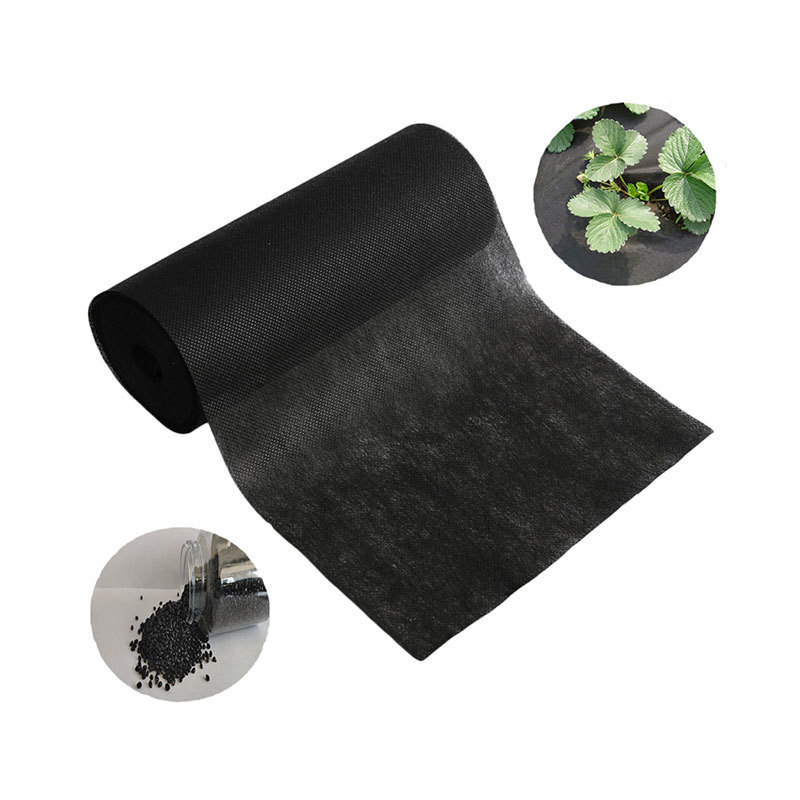
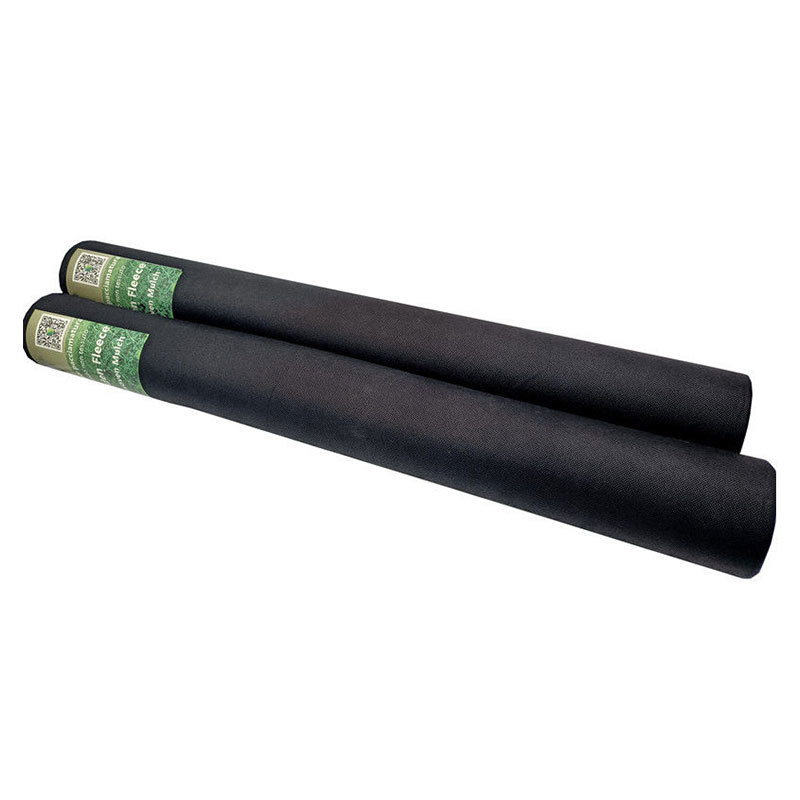
PP nonwoven fabric

LEAVE A MESSAGE
MESSAGE