


22
2025
-
10
Exploring the Versatility of Polypropylene Nonwoven Fabric
Polypropylene nonwoven fabric is an innovative material that has gained significant attention due to its versatility and practical applications. Made from polypropylene fibers, this fabric is produced without the traditional weaving or knitting processes, resulting in a lightweight, durable, and often cost-effective alternative to woven textiles. One of the standout features of polypropylene nonw

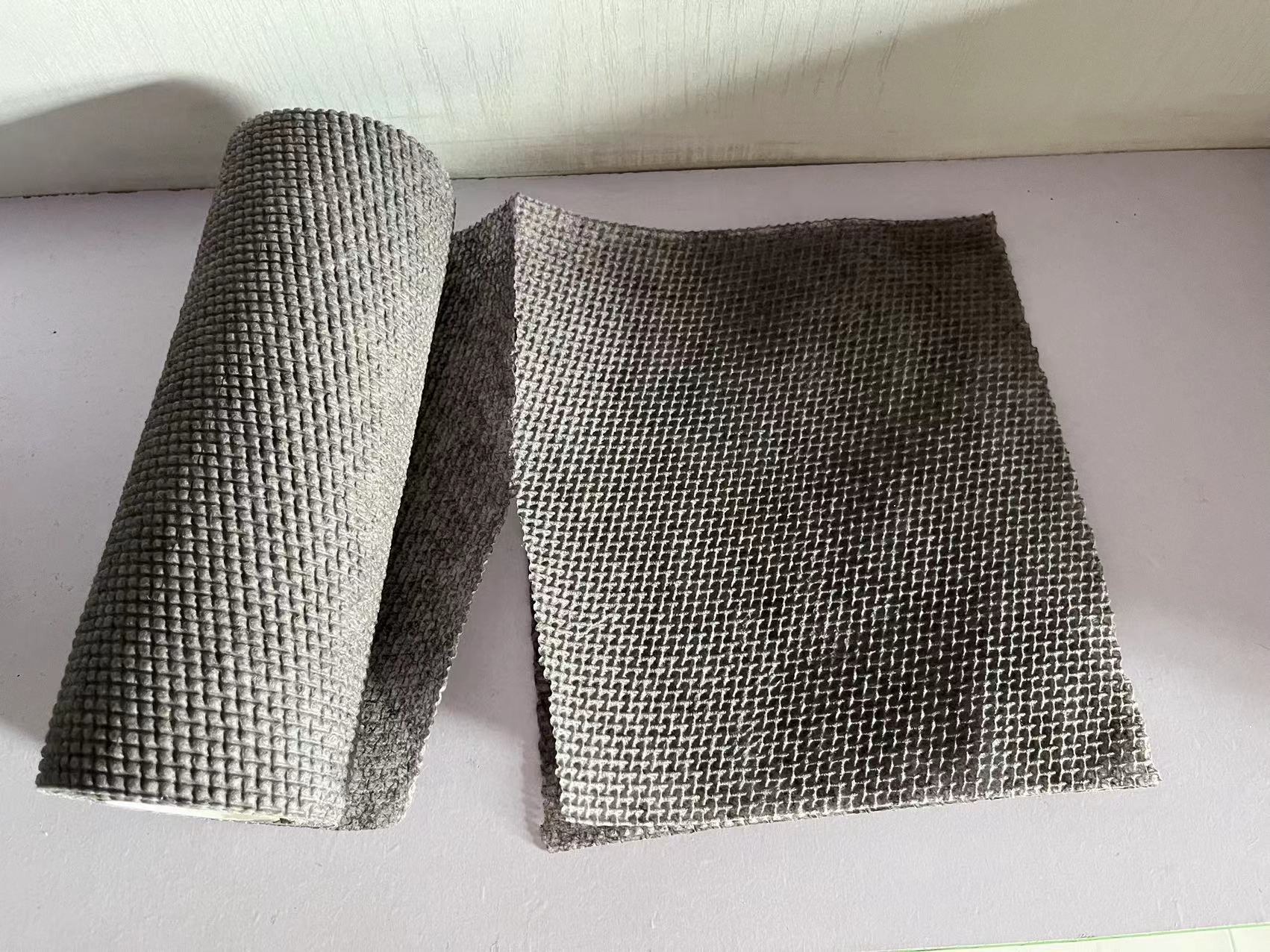
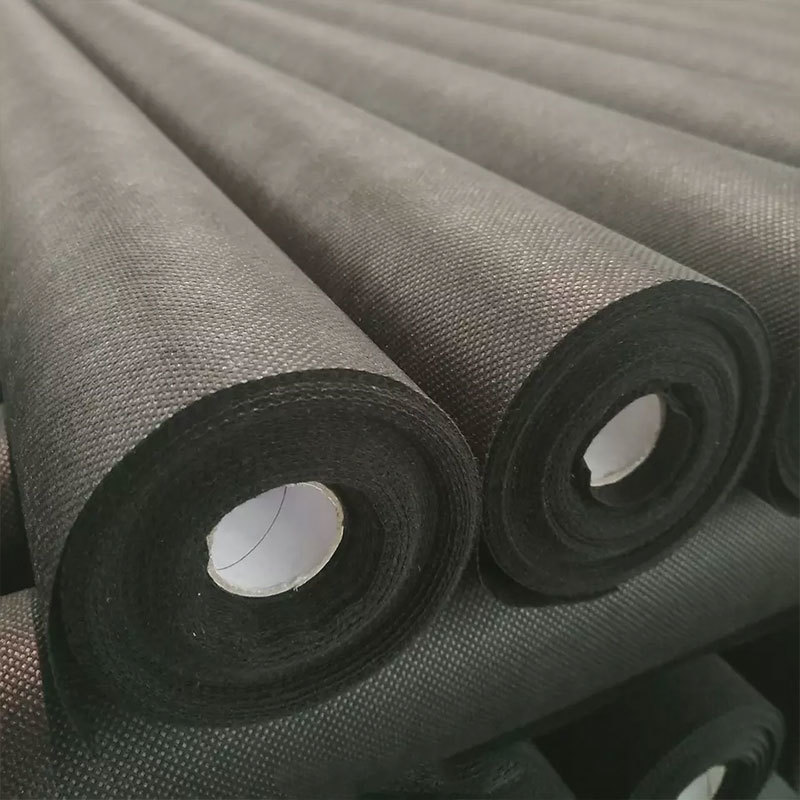
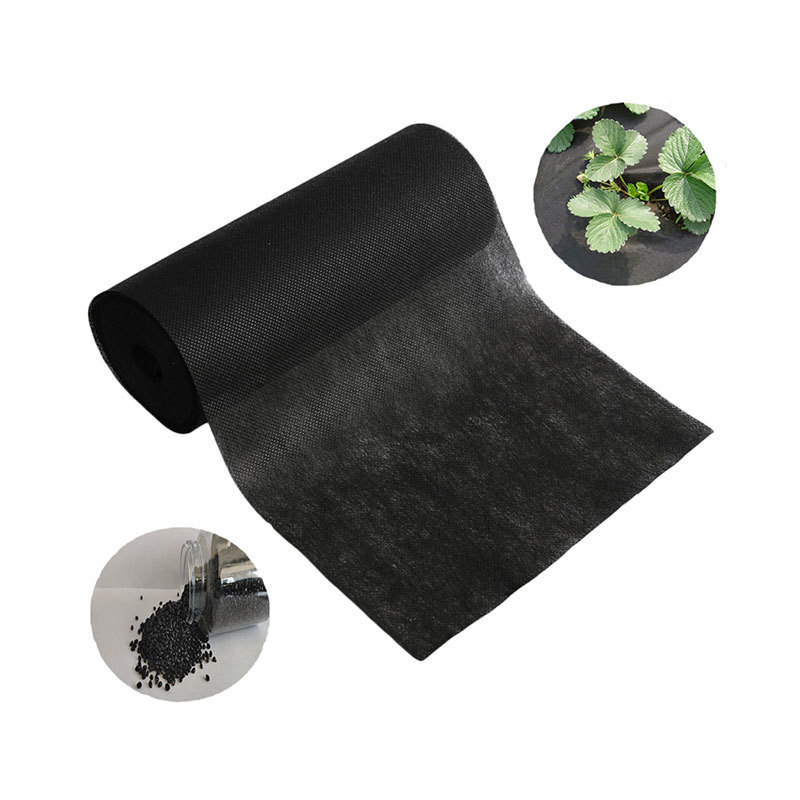
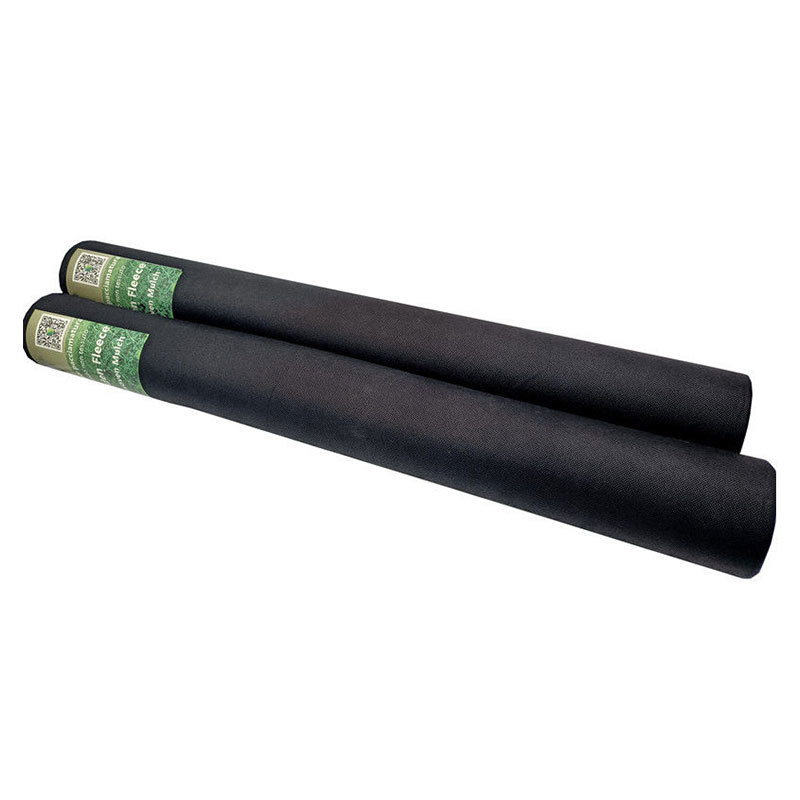
Polypropylene nonwoven fabric is an innovative material that has gained significant attention due to its versatility and practical applications. Made from polypropylene fibers, this fabric is produced without the traditional weaving or knitting processes, resulting in a lightweight, durable, and often cost-effective alternative to woven textiles.
One of the standout features of polypropylene nonwoven fabric is its excellent strength-to-weight ratio. This makes it suitable for a wide range of applications, from medical supplies to packaging materials. For instance, in the healthcare industry, polypropylene nonwoven fabric is commonly used to create surgical masks, gowns, and other protective clothing, offering a barrier against moisture and contaminants while remaining breathable and comfortable for the wearer.
In the realm of environmental sustainability, polypropylene nonwoven fabric presents a favorable option as well. It is often produced with a reduced environmental footprint compared to other fabrics, as the production process generally consumes less energy and water. Additionally, this material is recyclable, making it an attractive choice for businesses looking to enhance their sustainability efforts. The ability to create durable products that can be repurposed or recycled can significantly reduce waste in various industries.
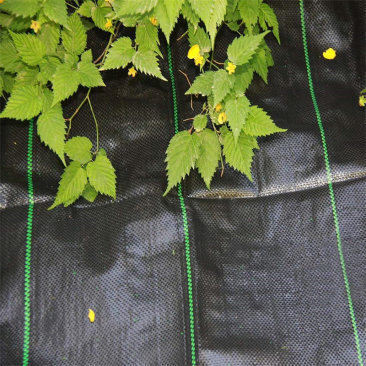
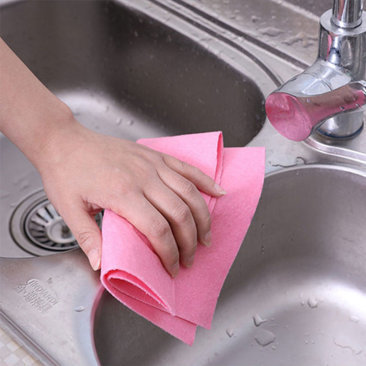
The applications of polypropylene nonwoven fabric extend beyond healthcare. In the agricultural sector, it is used as landscape fabric, providing weed control while permitting water and nutrients to reach the soil. In the construction industry, this fabric serves as a reliable barrier against moisture and other environmental factors, supporting the integrity of structures. Additionally, it finds use in the production of home goods such as filters, wipes, and upholstery.
From an aesthetic perspective, polypropylene nonwoven fabric can be easily dyed and printed, allowing for creative designs that cater to consumer preferences. This adaptability opens up opportunities for brands to differentiate their products in a competitive market.
As industries continue to evolve, the demand for innovative materials like polypropylene nonwoven fabric will likely increase. Businesses that understand its properties and applications can leverage this material to enhance product offerings and meet consumer needs effectively.
In conclusion, polypropylene nonwoven fabric is a remarkable material with diverse applications across various sectors. Its strength, lightweight nature, and environmental benefits make it an essential choice for manufacturers and consumers alike. By exploring the potential of this fabric, companies can not only improve their product lines but also contribute to more sustainable practices in the fabric and textile industry.
One of the standout features of polypropylene nonwoven fabric is its excellent strength-to-weight ratio. This makes it suitable for a wide range of applications, from medical supplies to packaging materials. For instance, in the healthcare industry, polypropylene nonwoven fabric is commonly used to create surgical masks, gowns, and other protective clothing, offering a barrier against moisture and contaminants while remaining breathable and comfortable for the wearer.
In the realm of environmental sustainability, polypropylene nonwoven fabric presents a favorable option as well. It is often produced with a reduced environmental footprint compared to other fabrics, as the production process generally consumes less energy and water. Additionally, this material is recyclable, making it an attractive choice for businesses looking to enhance their sustainability efforts. The ability to create durable products that can be repurposed or recycled can significantly reduce waste in various industries.
The applications of polypropylene nonwoven fabric extend beyond healthcare. In the agricultural sector, it is used as landscape fabric, providing weed control while permitting water and nutrients to reach the soil. In the construction industry, this fabric serves as a reliable barrier against moisture and other environmental factors, supporting the integrity of structures. Additionally, it finds use in the production of home goods such as filters, wipes, and upholstery.
From an aesthetic perspective, polypropylene nonwoven fabric can be easily dyed and printed, allowing for creative designs that cater to consumer preferences. This adaptability opens up opportunities for brands to differentiate their products in a competitive market.
As industries continue to evolve, the demand for innovative materials like polypropylene nonwoven fabric will likely increase. Businesses that understand its properties and applications can leverage this material to enhance product offerings and meet consumer needs effectively.
In conclusion, polypropylene nonwoven fabric is a remarkable material with diverse applications across various sectors. Its strength, lightweight nature, and environmental benefits make it an essential choice for manufacturers and consumers alike. By exploring the potential of this fabric, companies can not only improve their product lines but also contribute to more sustainable practices in the fabric and textile industry.
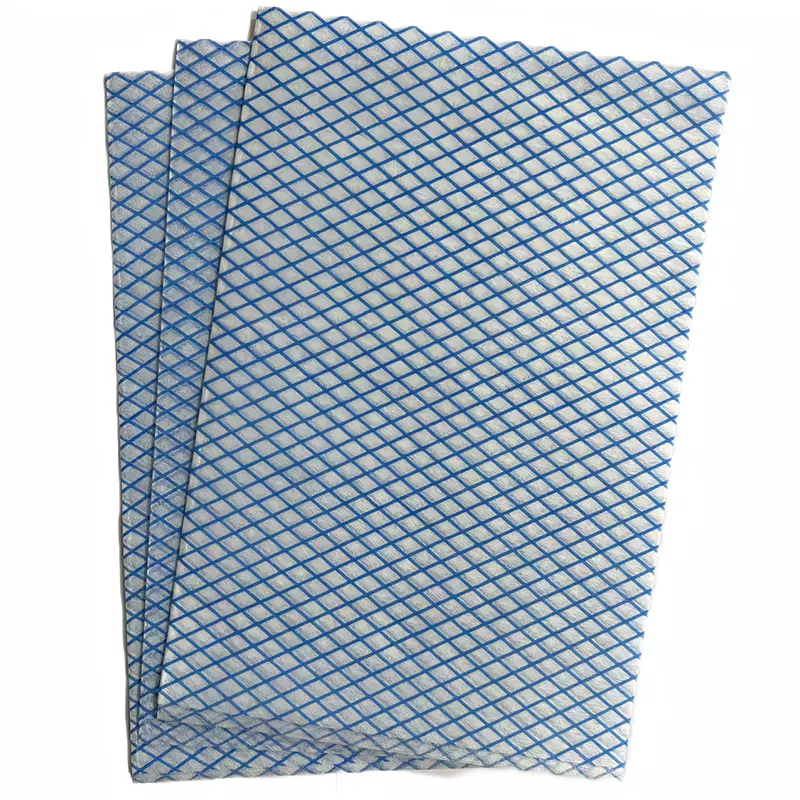
Polypropylene nonwoven fabric

LEAVE A MESSAGE
MESSAGE