




23
2025
-
10
Why Spunbond Nonwoven Fabric is the Future of Sustainable Textiles
Why Spunbond Nonwoven Fabric is the Future of Sustainable Textiles Table of Contents 1. Introduction to Spunbond Nonwoven Fabric 2. What is Spunbond Nonwoven Fabric? 3. Benefits of Spunbond Nonwoven Fabric in Sustainability 4. Applications of Spunbond Nonwoven Fabric 5. Environmental Impact of Spunbond Nonwoven Fabric 6. Comparison with Traditional Fabrics 7. Future Tr

Why Spunbond Nonwoven Fabric is the Future of Sustainable Textiles
Table of Contents
- 1. Introduction to Spunbond Nonwoven Fabric
- 2. What is Spunbond Nonwoven Fabric?
- 3. Benefits of Spunbond Nonwoven Fabric in Sustainability
- 4. Applications of Spunbond Nonwoven Fabric
- 5. Environmental Impact of Spunbond Nonwoven Fabric
- 6. Comparison with Traditional Fabrics
- 7. Future Trends in Sustainable Textiles
- 8. Conclusion
- 9. Frequently Asked Questions
1. Introduction to Spunbond Nonwoven Fabric
In an era where sustainability is paramount, the textile industry faces a pressing need to innovate and adapt. As consumers become increasingly eco-conscious, the demand for environmentally friendly materials is on the rise. Among these innovations, **spunbond nonwoven fabric** emerges as a frontrunner, combining functionality with sustainability. This article delves into why spunbond nonwoven fabric is poised to be the future of sustainable textiles.
2. What is Spunbond Nonwoven Fabric?
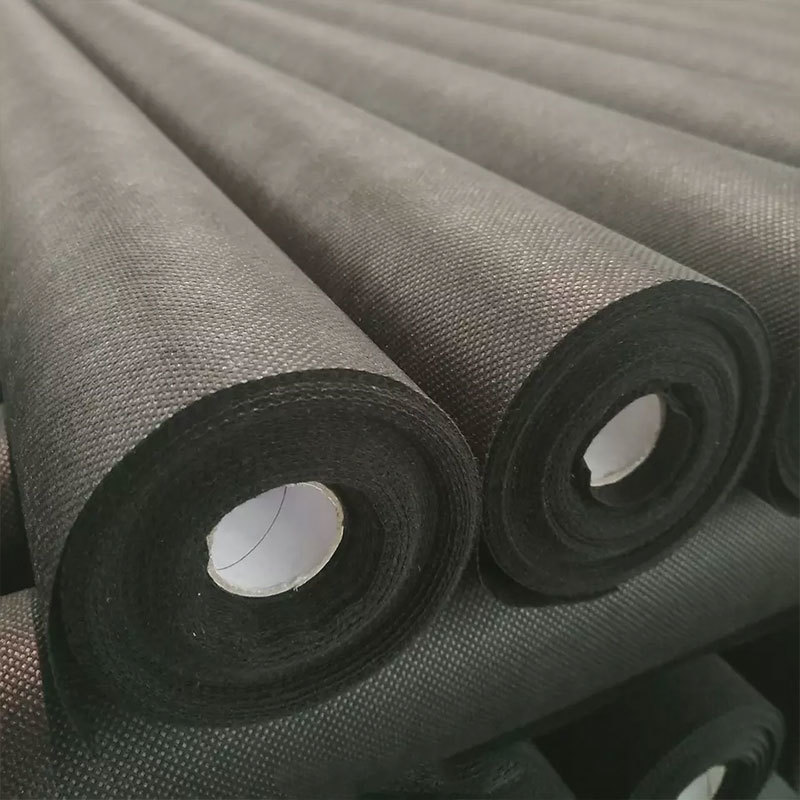
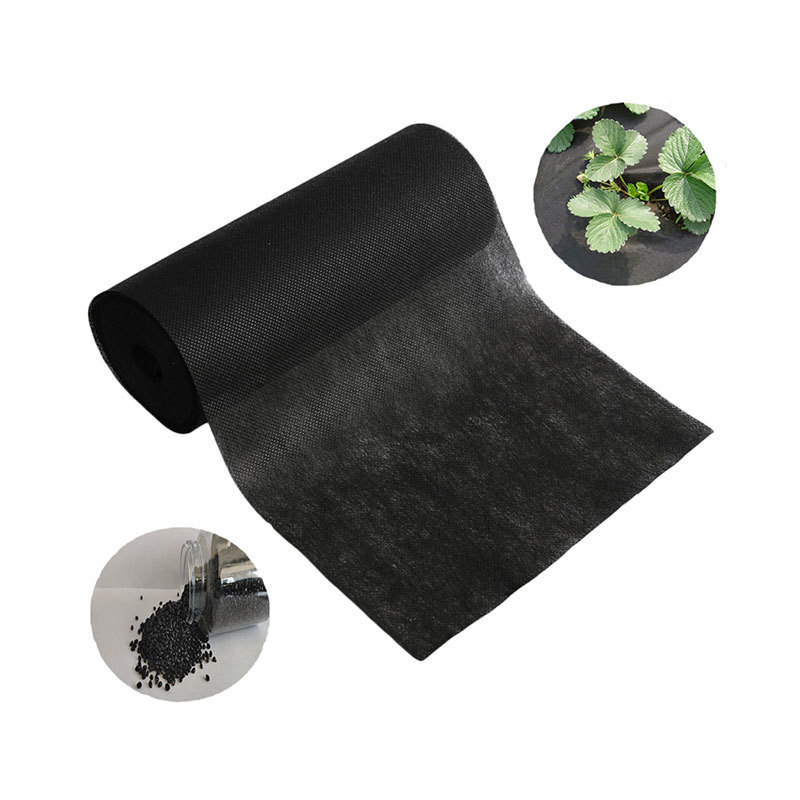
Spunbond nonwoven fabric is a type of textile made from continuous filaments of synthetic fibers, typically polypropylene, which are bonded together to form a fabric. Unlike traditional woven fabrics, spunbond does not require the intricate processes of spinning and weaving. Instead, the fibers are laid out randomly and then bonded through heat or chemical processes, resulting in a strong yet lightweight material.
The Manufacturing Process
The manufacturing process of spunbond nonwoven fabric typically involves several key steps:
1. **Polymer Extrusion**: Raw polypropylene pellets are melted and extruded into continuous filaments.
2. **Fiber Spreading**: The filaments are spread out in a random pattern on a conveyor belt.
3. **Bonding**: The fibers are bonded using heat, pressure, or adhesives, forming a cohesive fabric.
4. **Finishing**: The fabric may undergo additional treatments, such as dyeing or coating, depending on its intended application.
3. Benefits of Spunbond Nonwoven Fabric in Sustainability
Spunbond nonwoven fabric offers numerous benefits that make it an attractive option for sustainable textiles.
Durability and Longevity
One of the key advantages of spunbond nonwoven fabric is its durability. It can withstand wear and tear far better than traditional fabrics, making it suitable for a wide range of applications, from medical products to geotextiles.
Biodegradability
Many varieties of spunbond nonwoven fabrics are designed to be biodegradable. This means they break down naturally over time, reducing their impact on landfills and the environment.
Resource Efficiency
The production of spunbond nonwoven fabric is resource-efficient. It requires less energy and water compared to traditional textile manufacturing processes, making it a more sustainable choice overall.
Recyclability
Spunbond nonwoven fabrics can often be recycled, further contributing to their sustainability. This circular economy approach ensures that materials can be reused rather than discarded.
4. Applications of Spunbond Nonwoven Fabric
Spunbond nonwoven fabrics have a diverse range of applications across various industries.
Medical Textiles
In the medical field, spunbond nonwoven fabric is widely used for surgical gowns, masks, and drapes. Its breathable yet protective qualities make it an essential material in healthcare settings.
Agricultural Uses
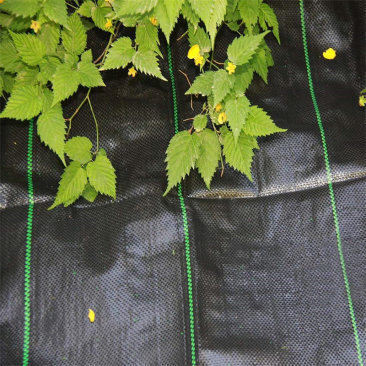
Farmers use spunbond nonwoven fabric for crop protection, weed control, and ground cover. Its lightweight nature allows for effective sunlight penetration while providing essential protection for plants.
Home Textiles
In the home sector, spunbond nonwoven fabrics are utilized for products like tablecloths, curtains, and upholstery. They offer a blend of aesthetic appeal and practicality.
Packaging Solutions
The packaging industry has embraced spunbond nonwoven fabric for its strength and versatility. It is used in reusable shopping bags and other eco-friendly packaging solutions.
5. Environmental Impact of Spunbond Nonwoven Fabric
Understanding the environmental impact of spunbond nonwoven fabric is crucial in assessing its sustainability.
Reduced Carbon Footprint
The production of spunbond nonwoven fabrics generates a lower carbon footprint compared to traditional textiles. This is primarily due to their resource-efficient manufacturing processes.
Less Water Consumption
Water scarcity is a critical issue worldwide. Spunbond nonwoven fabrics require significantly less water during production, making them a viable choice in regions struggling with water availability.
Waste Reduction
The ability to recycle spunbond nonwoven fabrics contributes to waste reduction efforts. By diverting materials from landfills, these fabrics support a more sustainable future.
6. Comparison with Traditional Fabrics
When compared to traditional woven fabrics, spunbond nonwoven fabric offers distinct advantages.
Strength vs. Weight
Spunbond nonwoven fabric is typically stronger and lighter than woven alternatives. This unique combination allows for multifunctional uses without compromising on performance.
Cost-Effectiveness
The simplified manufacturing process of spunbond nonwoven fabrics often results in lower production costs, making them a more economical choice for manufacturers and consumers alike.
7. Future Trends in Sustainable Textiles
As the demand for sustainable textiles continues to grow, several trends are emerging in the field of spunbond nonwoven fabrics.
Advanced Bio-Based Materials
The future of spunbond nonwoven fabric will likely see a shift towards bio-based materials derived from renewable resources. This evolution will further enhance their sustainability credentials.
Innovative Recycling Technologies
With ongoing advancements in recycling technologies, the potential for closed-loop systems in spunbond nonwoven fabric production is becoming more feasible, promoting a circular economy.
Growing Consumer Awareness
As consumers become more aware of sustainability issues, the demand for eco-friendly products, including spunbond nonwoven fabrics, is expected to surge, driving innovation and investment in this area.
8. Conclusion
Spunbond nonwoven fabric represents a significant leap forward in the quest for sustainable textiles. Its unique properties, diverse applications, and minimal environmental impact position it as a leading choice for manufacturers and consumers alike. As we move towards a more sustainable future, spunbond nonwoven fabric is set to play a crucial role in redefining the textile industry, making it a compelling option for those looking to make eco-friendly choices.
9. Frequently Asked Questions
What are the primary materials used in spunbond nonwoven fabric?
The primary material used in spunbond nonwoven fabric is polypropylene, although other polymers may also be utilized depending on the specific application.
Is spunbond nonwoven fabric biodegradable?
Yes, many spunbond nonwoven fabrics are designed to be biodegradable, breaking down naturally over time and minimizing their environmental impact.
Can spunbond nonwoven fabric be recycled?
Absolutely, spunbond nonwoven fabrics can often be recycled, contributing to a more sustainable circular economy.
What are the advantages of using spunbond nonwoven fabric in medical applications?
Spunbond nonwoven fabric offers breathability and protection, making it ideal for medical applications such as surgical gowns and masks.
How does spunbond nonwoven fabric compare to traditional woven fabrics?
Spunbond nonwoven fabric is generally stronger, lighter, and more cost-effective than traditional woven fabrics, making it a superior choice for many applications.
spunbond nonwoven fabric

LEAVE A MESSAGE
MESSAGE