



24
2025
-
10
Understanding Nonwoven Fabric: The Versatility of Polypropylene
Nonwoven fabric, particularly polypropylene nonwoven fabric, has gained significant attention across various sectors due to its unique characteristics and versatility. Unlike traditional woven or knitted fabrics, nonwoven fabrics are made by bonding fibers together through mechanical, thermal, or chemical means. This process results in lightweight materials that can be produced without the need fo

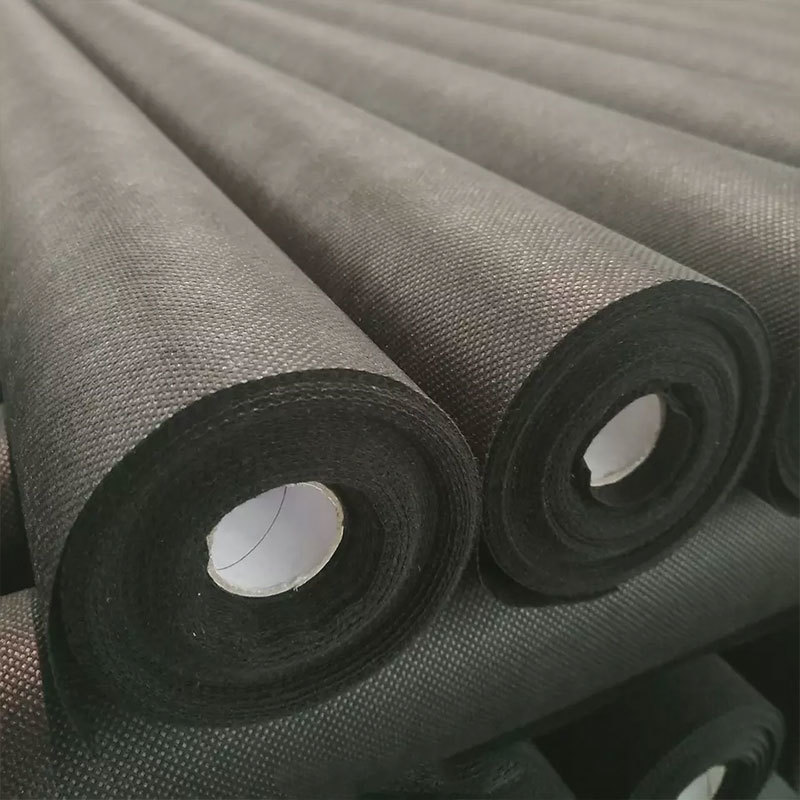
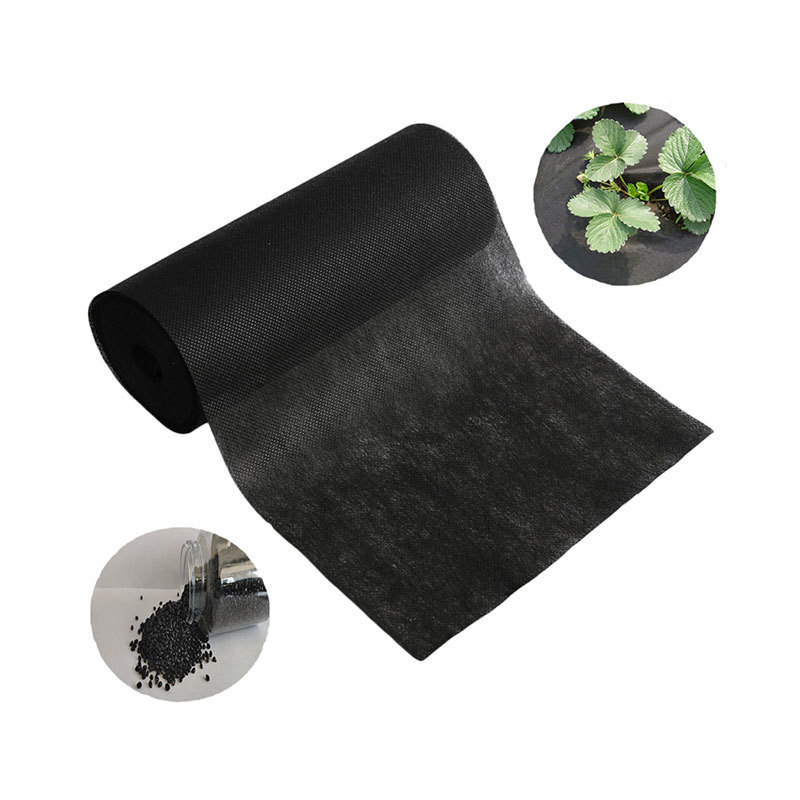
Nonwoven fabric, particularly polypropylene nonwoven fabric, has gained significant attention across various sectors due to its unique characteristics and versatility. Unlike traditional woven or knitted fabrics, nonwoven fabrics are made by bonding fibers together through mechanical, thermal, or chemical means. This process results in lightweight materials that can be produced without the need for complex weaving techniques, making them efficient and cost-effective.
Polypropylene, a thermoplastic polymer, is a key material in the production of nonwoven fabrics. One of its most significant attributes is its excellent resistance to moisture, chemicals, and mildew. This makes polypropylene nonwoven fabric an ideal choice for applications ranging from medical supplies to agricultural products. For instance, its use in disposable medical gowns and masks has been instrumental in promoting hygiene and safety in healthcare settings.
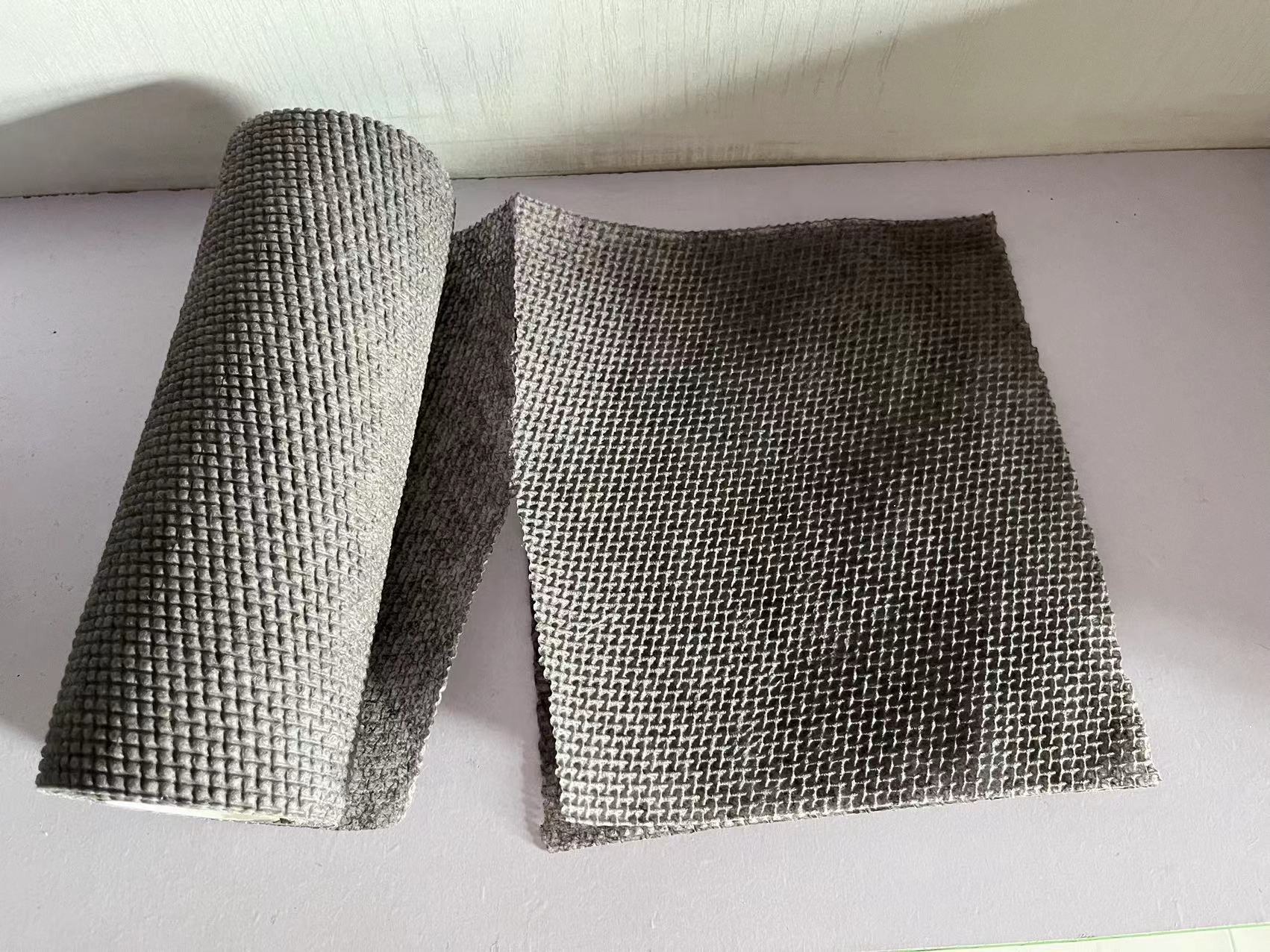
The production of polypropylene nonwoven fabric typically involves the spunbond process, where polypropylene fibers are extruded and then laid out to form a web-like structure. This structure can be further bonded using heat or adhesive, creating a fabric that is not only strong and durable but also has a soft feel, ideal for various consumer products.
Another compelling feature of polypropylene nonwoven fabrics is their environmentally friendly nature. Many of these fabrics are designed to be recyclable, contributing to sustainability efforts within the textile industry. As consumers become more environmentally conscious, the demand for eco-friendly materials continues to rise, making polypropylene nonwoven fabric a popular choice.
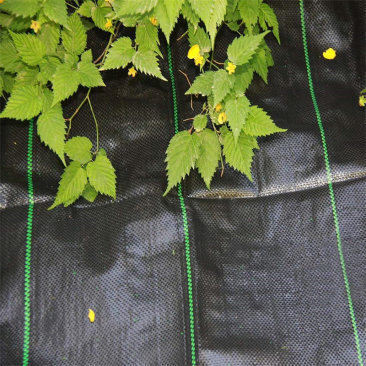
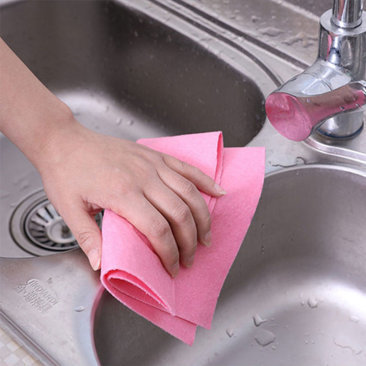
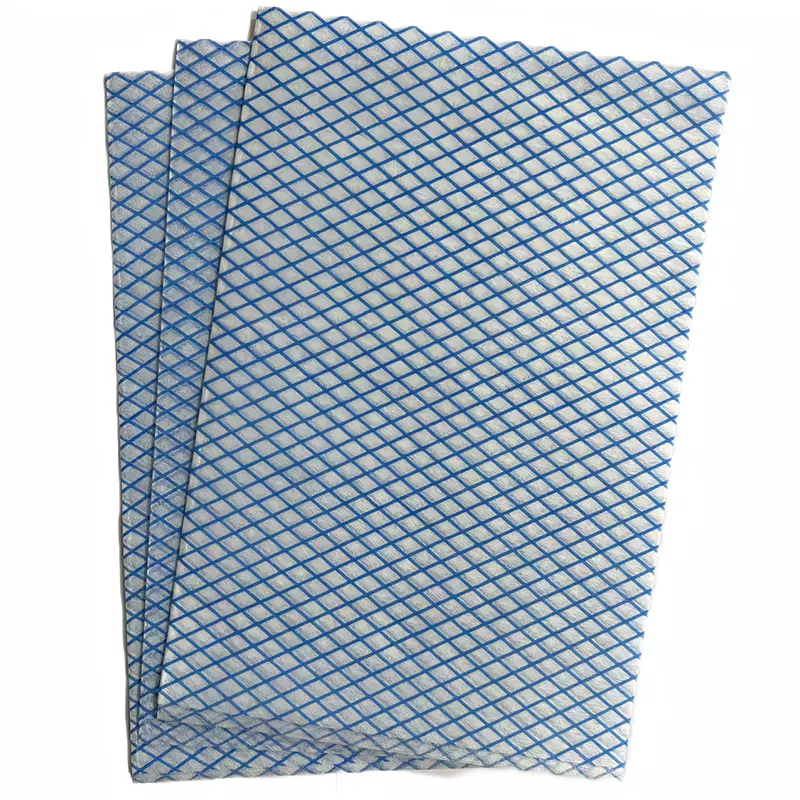
In addition to its ecological benefits, polypropylene nonwoven fabric is known for its versatility. It can be dyed, printed, and laminated to meet specific design requirements, making it suitable for a wide range of applications. From home textiles, such as curtains and upholstery, to industrial uses, like filtration systems and geotextiles, the possibilities for this fabric are virtually endless.
Moreover, the cost-effectiveness of polypropylene nonwoven fabric cannot be overlooked. Its efficient manufacturing process, coupled with its durability and low maintenance requirements, provides an economical solution for both manufacturers and consumers. This affordability, combined with its functionality, positions polypropylene nonwoven fabric as a go-to option for businesses looking to maximize value while meeting consumer demands.
In conclusion, polypropylene nonwoven fabric stands out in the textile industry due to its unique properties, versatility, and environmental benefits. As advancements in manufacturing technologies continue to evolve, the scope and applications of this innovative fabric are likely to expand even further, solidifying its status as a mainstay in various sectors. Understanding its characteristics and advantages can empower professionals to make informed decisions when selecting materials for their projects.
Polypropylene, a thermoplastic polymer, is a key material in the production of nonwoven fabrics. One of its most significant attributes is its excellent resistance to moisture, chemicals, and mildew. This makes polypropylene nonwoven fabric an ideal choice for applications ranging from medical supplies to agricultural products. For instance, its use in disposable medical gowns and masks has been instrumental in promoting hygiene and safety in healthcare settings.
The production of polypropylene nonwoven fabric typically involves the spunbond process, where polypropylene fibers are extruded and then laid out to form a web-like structure. This structure can be further bonded using heat or adhesive, creating a fabric that is not only strong and durable but also has a soft feel, ideal for various consumer products.
Another compelling feature of polypropylene nonwoven fabrics is their environmentally friendly nature. Many of these fabrics are designed to be recyclable, contributing to sustainability efforts within the textile industry. As consumers become more environmentally conscious, the demand for eco-friendly materials continues to rise, making polypropylene nonwoven fabric a popular choice.
In addition to its ecological benefits, polypropylene nonwoven fabric is known for its versatility. It can be dyed, printed, and laminated to meet specific design requirements, making it suitable for a wide range of applications. From home textiles, such as curtains and upholstery, to industrial uses, like filtration systems and geotextiles, the possibilities for this fabric are virtually endless.
Moreover, the cost-effectiveness of polypropylene nonwoven fabric cannot be overlooked. Its efficient manufacturing process, coupled with its durability and low maintenance requirements, provides an economical solution for both manufacturers and consumers. This affordability, combined with its functionality, positions polypropylene nonwoven fabric as a go-to option for businesses looking to maximize value while meeting consumer demands.
In conclusion, polypropylene nonwoven fabric stands out in the textile industry due to its unique properties, versatility, and environmental benefits. As advancements in manufacturing technologies continue to evolve, the scope and applications of this innovative fabric are likely to expand even further, solidifying its status as a mainstay in various sectors. Understanding its characteristics and advantages can empower professionals to make informed decisions when selecting materials for their projects.
nonwoven fabric polypropylene

LEAVE A MESSAGE
MESSAGE