



25
2025
-
10
The Environmental Advantages of Using PP Spunbond Nonwoven Fabric: A Sustainable Choice for the Future
The Environmental Advantages of Using PP Spunbond Nonwoven Fabric Introduction to PP Spunbond Nonwoven Fabric PP spunbond nonwoven fabric is revolutionizing various industries with its versatility and environmental sustainability. As a significant component in applications ranging from medical supplies to agricultural products, this fabric is made from polypropylene, a thermoplastic polymer. Offer

The Environmental Advantages of Using PP Spunbond Nonwoven Fabric
Introduction to PP Spunbond Nonwoven Fabric
PP spunbond nonwoven fabric is revolutionizing various industries with its versatility and environmental sustainability. As a significant component in applications ranging from medical supplies to agricultural products, this fabric is made from polypropylene, a thermoplastic polymer. Offering superior strength, lightweight properties, and durability, PP spunbond nonwoven fabric is an increasingly popular choice for those looking to minimize their environmental footprint.
Understanding Nonwoven Fabric: A Closer Look
Nonwoven fabrics are engineered materials that are produced by bonding fibers together, rather than weaving or knitting them. This distinct manufacturing process enables the creation of a fabric that is both strong and breathable. In the case of PP spunbond nonwoven fabric, the fibers are spun into a web and then bonded through heat or chemical processes, resulting in a fabric that is highly functional and efficient.
The Role of Polypropylene in Nonwoven Fabric Production
Polypropylene is chosen for its unique properties, including chemical resistance, lightweight nature, and low moisture absorption. These characteristics make PP an ideal option for various applications, including hygiene products, filtration systems, and geotextiles. Additionally, its recyclability enhances its appeal to environmentally-conscious consumers.
The Environmental Benefits of PP Spunbond Nonwoven Fabric
1. Reduced Waste Generation
The production of PP spunbond nonwoven fabric significantly reduces waste when compared to traditional woven fabrics. The manufacturing process requires less water and energy, leading to a lower environmental impact overall. Moreover, since nonwoven fabrics can be used in a variety of applications, they often eliminate the need for additional materials, further minimizing waste.
2. Recyclability and Sustainability
One of the primary environmental advantages of PP spunbond nonwoven fabric is its recyclability. When the fabric reaches the end of its life cycle, it can be recycled into new products, helping to reduce landfill waste. Many manufacturers are now implementing closed-loop systems, where recycled PP is used to create new spunbond materials, thus promoting a circular economy.
3. Biodegradable Alternatives
Innovations in the field of nonwoven fabrics have led to the development of biodegradable variants of PP spunbond fabric. These eco-friendly options decompose more readily in the environment, reducing the long-term impact of plastic waste on ecosystems. Such developments demonstrate the industry's commitment to sustainability and environmental responsibility.
4. Conservation of Resources
The efficient production methods used for PP spunbond nonwoven fabric result in the conservation of natural resources. Less energy and water are required during manufacturing, which translates into a lower carbon footprint. This sustainable approach not only benefits the environment but also promotes a more responsible use of resources.
5. Versatility Across Industries
PP spunbond nonwoven fabric is employed in a wide array of industries, from healthcare to fashion. Its versatility means that it can effectively replace less sustainable materials, such as cotton or polyester, in many applications. This shift towards using nonwoven fabrics contributes to an overall reduction in environmental impact across various sectors.
Applications of PP Spunbond Nonwoven Fabric
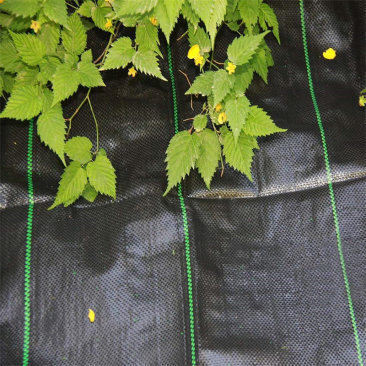
The applications of PP spunbond nonwoven fabric are vast. In the medical sector, it is used for surgical gowns, masks, and sterilization wraps, providing a lightweight yet protective barrier. In agriculture, it serves as a cover for crops, helping to manage temperature and moisture levels while preventing pest infestations. Additionally, in the fashion industry, it is used for reusable shopping bags and sustainable clothing options.
The Manufacturing Process of PP Spunbond Nonwoven Fabric
Step-by-Step Breakdown
Understanding the manufacturing process of PP spunbond nonwoven fabric sheds light on its environmental advantages.
1. Polymer Extrusion
The process begins with the extrusion of polypropylene pellets, which are heated until they melt. This molten polymer is then forced through spinnerets to create long, continuous filaments.
2. Fiber Spinning
As the filaments are extruded, they are rapidly cooled and solidified. The fibers are then drawn, which increases their strength and aligns them in a parallel fashion.
3. Web Formation
The aligned fibers are collected and laid out in a web formation. This can be done using various methods, including air laying, where air is used to disperse the fibers, or carding, where mechanical processes help orient the fibers.
4. Bonding
The web of fibers is then bonded together using heat, pressure, or adhesives. This step is crucial in determining the fabric's strength and durability.
5. Finishing
Once bonded, the fabric may undergo additional finishing processes, such as dyeing or coating, to enhance its functionality for specific applications.
Comparative Analysis: PP Spunbond vs. Other Fabrics
Environmental Comparison with Cotton and Polyester
While cotton is often regarded as a natural and eco-friendly fabric, its production is resource-intensive, requiring significant water and pesticides. In contrast, PP spunbond nonwoven fabric utilizes fewer resources and generates less waste during its production.
Polyester, on the other hand, is derived from petroleum, making it less sustainable. Although it is recyclable, the recycling process is energy-intensive. PP spunbond nonwoven fabric, with its recyclability and lower environmental impact, presents a more sustainable alternative.
FAQs about PP Spunbond Nonwoven Fabric
1. What are the primary uses of PP spunbond nonwoven fabric?
PP spunbond nonwoven fabric is used in medical applications, protective clothing, agriculture, filtration, and even in the fashion industry for bags and apparel.
2. Is PP spunbond nonwoven fabric biodegradable?
Yes, there are biodegradable variants of PP spunbond nonwoven fabric available in the market that decompose under specific environmental conditions.
3. How does the production process of PP spunbond nonwoven fabric impact the environment?
The production process is energy-efficient and requires less water compared to traditional woven fabrics, which reduces its overall environmental impact.
4. Can PP spunbond nonwoven fabric be recycled?
Yes, PP spunbond nonwoven fabric is recyclable, and many manufacturers are adopting closed-loop systems to ensure sustainability.
5. What are the advantages of using PP spunbond nonwoven fabric in agriculture?
In agriculture, PP spunbond nonwoven fabric helps regulate temperature and moisture, protects crops from pests, and reduces the need for chemical pesticides.
Conclusion
PP spunbond nonwoven fabric stands out as a sustainable choice for various applications due to its eco-friendly properties, resource efficiency, and recyclability. As industries continue to seek sustainable alternatives, this innovative material offers significant environmental advantages. By understanding its benefits and applications, consumers and businesses can make informed choices that contribute to a healthier planet. As we move towards an increasingly eco-conscious future, the adoption of PP spunbond nonwoven fabric is a step in the right direction for sustainability.
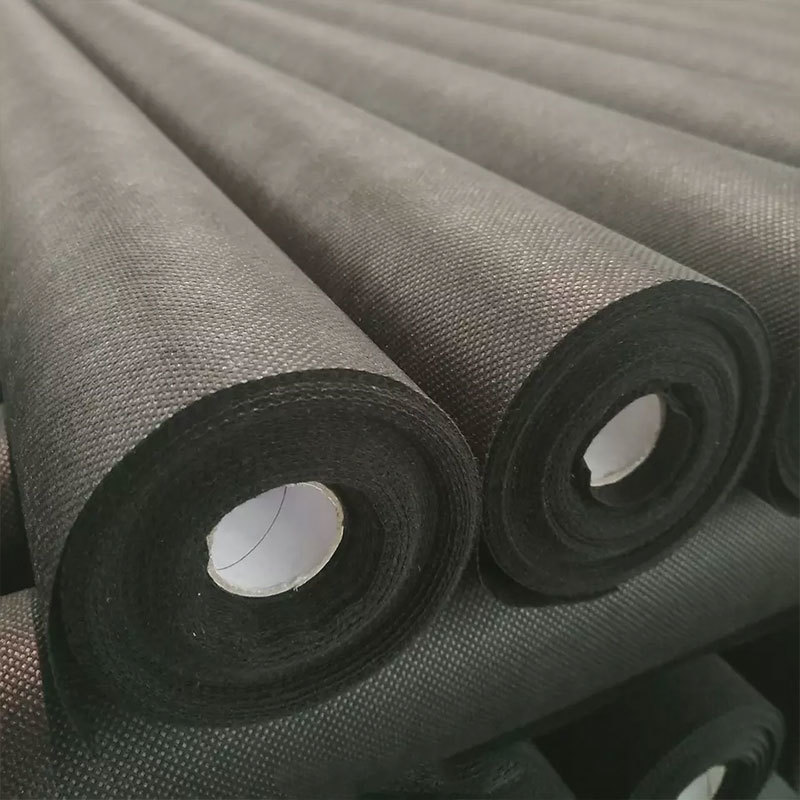
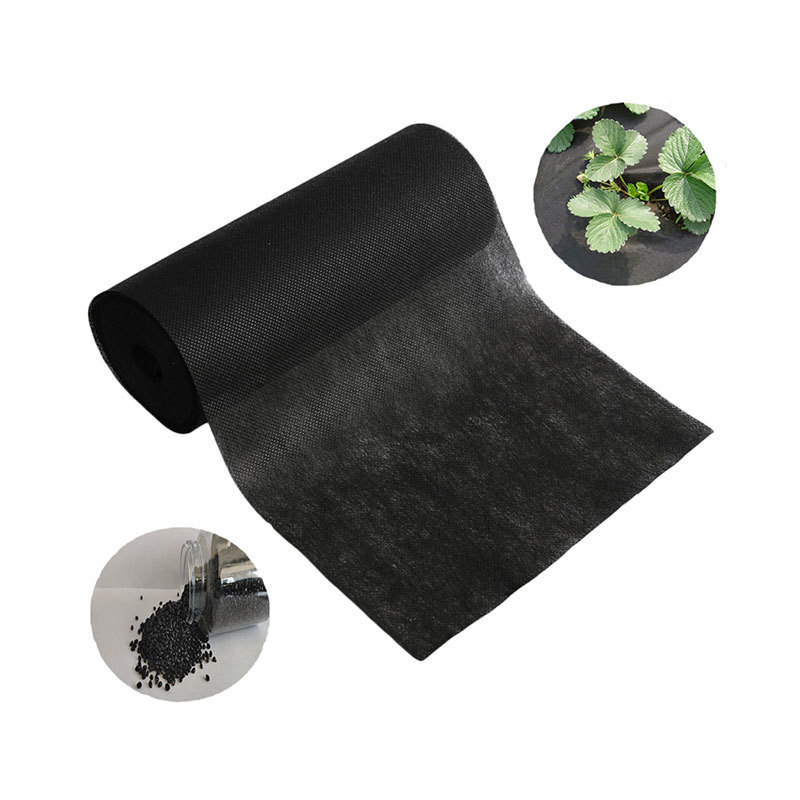
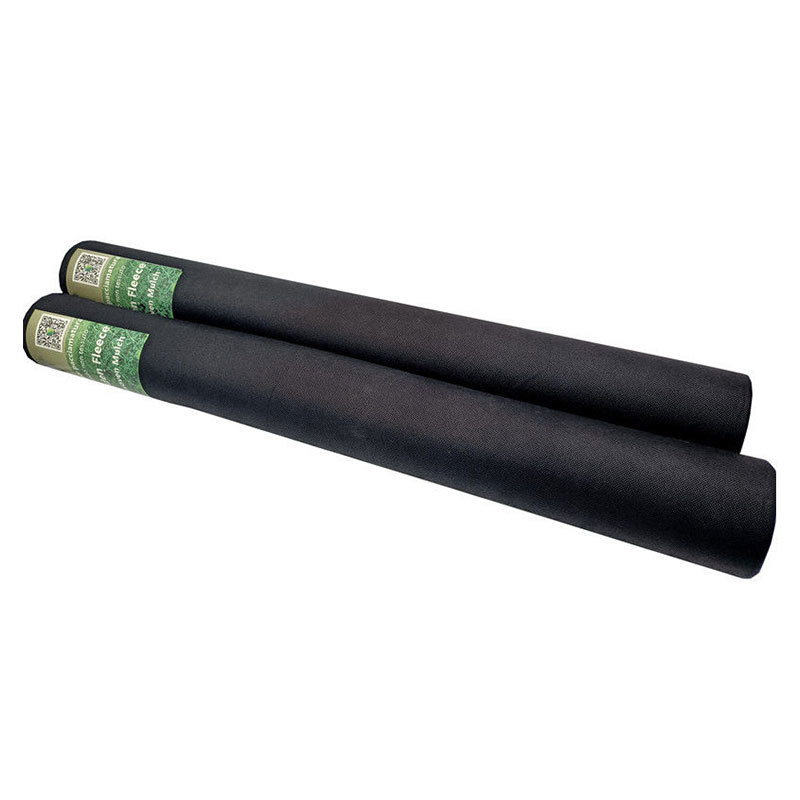
pp spunbond nonwoven fabric

LEAVE A MESSAGE
MESSAGE