




29
2025
-
10
Common Mistakes to Avoid When Using Garden Weed Control Fabric: A Comprehensive Guide
Common Mistakes to Avoid When Using Garden Weed Control Fabric Table of Contents Introduction to Garden Weed Control Fabric Mistake #1: Not Choosing the Right Fabric Type Mistake #2: Improper Installation Techniques Mistake #3: Ignoring Soil Health Mistake #4: Failing to Secure Edges Properly Mistake #5: Neglecting Regular Maintenance Mistake #6: Over

Common Mistakes to Avoid When Using Garden Weed Control Fabric
Table of Contents
- Introduction to Garden Weed Control Fabric
- Mistake #1: Not Choosing the Right Fabric Type
- Mistake #2: Improper Installation Techniques
- Mistake #3: Ignoring Soil Health
- Mistake #4: Failing to Secure Edges Properly
- Mistake #5: Neglecting Regular Maintenance
- Mistake #6: Overlooking Drainage Issues
- Mistake #7: Using Non-Biodegradable Fabrics
- Mistake #8: Not Understanding Plant Needs
- Conclusion: Mastering Weed Control Fabric Usage
- FAQs About Garden Weed Control Fabric
Introduction to Garden Weed Control Fabric
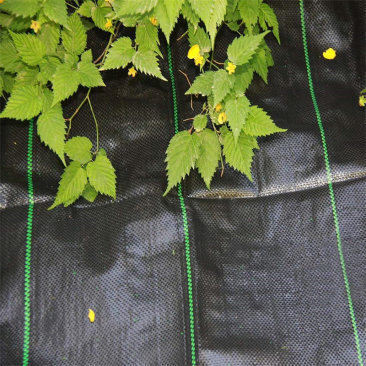
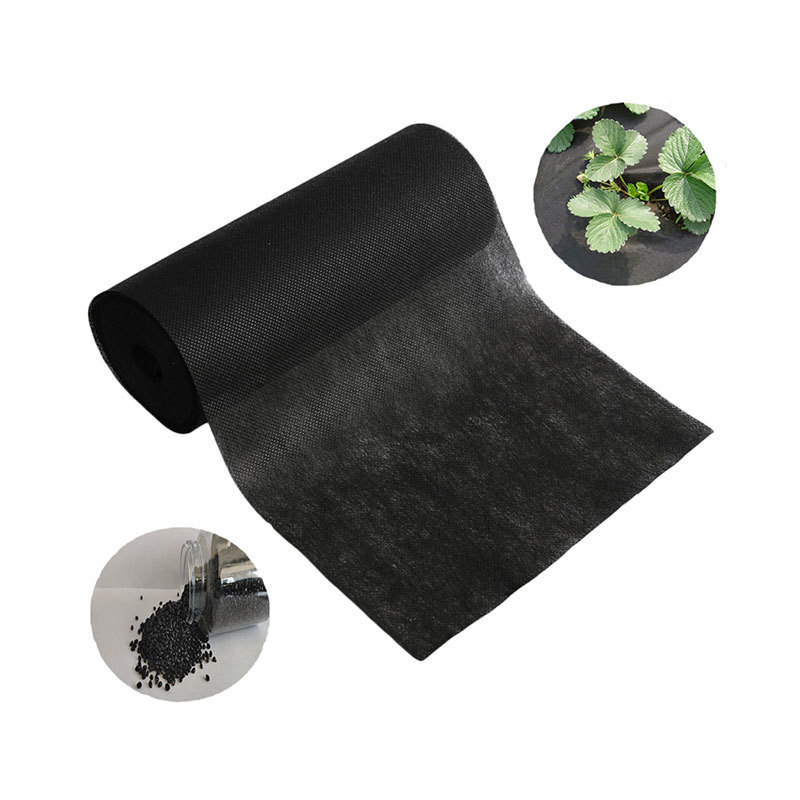
Garden weed control fabric is a valuable tool for any gardener looking to combat the relentless growth of weeds. This fabric acts as a barrier, preventing sunlight from reaching the soil and thereby inhibiting weed germination. However, many gardeners make critical mistakes that undermine the effectiveness of this protective layer. By understanding and avoiding these common pitfalls, we can maximize the benefits of weed control fabric, ensuring a thriving garden.
Mistake #1: Not Choosing the Right Fabric Type
One of the most significant errors gardeners make is selecting the wrong type of weed control fabric. There are various options available, each designed for specific purposes. **Woven fabrics**, for instance, allow for excellent water and air permeability while providing a robust barrier against weeds. Conversely, **non-woven fabrics** are typically less permeable, making them suitable for shorter-term projects.
To avoid this mistake, assess the specific needs of your garden. For perennial flower beds, a woven fabric may be ideal, while vegetable gardens might benefit from a biodegradable option that will break down over time.
Mistake #2: Improper Installation Techniques
Proper installation is crucial for the success of garden weed control fabric. Many gardeners fail to lay the fabric flat, leaving wrinkles and gaps that allow weeds to push through. **Ensure that the fabric is taut and securely anchored** to the ground. Use landscape staples or garden pins to keep the fabric in place, especially in windy areas.
Additionally, ensure that the fabric overlaps at the seams. A minimum overlap of 6 inches will prevent weeds from sneaking through those potential openings.
Mistake #3: Ignoring Soil Health
While weed control fabric is effective for suppressing unwanted plants, it should not be a substitute for healthy soil. **Ignoring soil health can lead to poor plant growth**, as the fabric can restrict essential nutrients and water from reaching the roots.
To maintain soil health, conduct regular soil tests and amend your soil with organic matter or fertilizers as needed. This practice will ensure that your plants thrive despite the presence of weed control fabric.
Mistake #4: Failing to Secure Edges Properly
The edges of your weed control fabric are critical to its performance. Failing to secure them properly can lead to gaps where weeds can emerge. **Use mulch or soil to anchor the edges of the fabric**, creating a secure barrier that prevents weed growth.
Consider using additional staples or weights along the perimeter, particularly in areas prone to wind or erosion. This extra precaution will ensure that your weed control fabric remains in place.
Mistake #5: Neglecting Regular Maintenance
Weed control fabric is not a set-it-and-forget-it solution. **Regular maintenance is essential** to ensure the fabric continues to function effectively. Periodically check for any signs of wear, tears, or gaps that need to be addressed.
Remove any debris that accumulates on top of the fabric, as this can create a hospitable environment for weeds. Additionally, inspect the fabric for any plant roots that may have penetrated it and remove them as necessary.
Mistake #6: Overlooking Drainage Issues
Proper drainage is crucial when using garden weed control fabric. Overlooking drainage issues can lead to water pooling on top of the fabric, which can create a breeding ground for mold and mildew. **Ensure that your garden design promotes effective drainage** by grading the soil and incorporating drainage systems if necessary.
If you notice water pooling, consider adjusting the fabric or the surrounding landscape to facilitate better water flow. This proactive approach will help maintain the integrity of both your plants and the weed control fabric.
Mistake #7: Using Non-Biodegradable Fabrics
While non-biodegradable fabrics can be tempting due to their durability, they can lead to significant problems over time. These fabrics can become a long-term barrier to soil health, preventing nutrients and water from penetrating. **Opt for biodegradable options** when possible, as they will break down naturally and enrich the soil once they no longer serve their purpose.
By choosing biodegradable fabrics, we can maintain a sustainable gardening practice that supports both plant life and the overall health of the ecosystem.
Mistake #8: Not Understanding Plant Needs
Every plant has unique requirements regarding sunlight, water, and nutrients. **Failing to consider these needs** can lead to poor growth, even with weed control fabric in place. When planning your garden, research each plant's requirements to ensure they can thrive in conjunction with the fabric.
Additionally, leave appropriate planting holes or cuts in the fabric for each plant, allowing them to receive adequate sunlight and moisture. Understanding the specific needs of your plants will ensure that the fabric supports their growth rather than hinders it.
Conclusion: Mastering Weed Control Fabric Usage
Utilizing garden weed control fabric can significantly enhance our gardening efforts when done correctly. By avoiding common mistakes such as improper installation, neglecting soil health, and failing to maintain the fabric, we can create a thriving garden that is both beautiful and productive.
Taking the time to educate ourselves on the best practices and selecting the right materials will ultimately lead to a successful gardening experience. With dedication and attention to detail, we can effectively manage weeds and cultivate a lush, vibrant garden.
FAQs About Garden Weed Control Fabric
1. How long does garden weed control fabric last?
The lifespan of garden weed control fabric varies depending on the type and environmental conditions. Generally, woven fabrics can last for several years, while biodegradable options typically degrade within one to three years.
2. Can I plant directly into the weed control fabric?
Yes, you can plant directly into the fabric by cutting holes for each plant. Ensure to size the holes appropriately based on the plant's root system to promote healthy growth.
3. How do I remove weeds that grow through the fabric?
Weeds can be removed by pulling them out gently, ensuring that the roots are completely extracted. Regular maintenance checks will help manage this issue effectively.
4. Is it necessary to use mulch on top of weed control fabric?
While not mandatory, adding mulch on top of the fabric can provide extra weight to secure it, improve aesthetics, retain moisture, and add organic matter to the soil as it breaks down.
5. Can I reuse weed control fabric?
Reusing weed control fabric is possible if it remains intact and functional. Inspect it for wear and tear before reinstallation, and clean it of any debris to ensure optimal performance in your garden.
By following these guidelines, we can ensure that our use of garden weed control fabric is effective and conducive to growing healthy, vibrant plants.
garden weed control fabric

LEAVE A MESSAGE
MESSAGE