



30
2025
-
10
The Advantages of Using Permeable Landscape Fabric in Construction
Permeable landscape fabric, often referred to as geotextiles, is a versatile material extensively used in construction and landscaping industries. This innovative fabric is designed to allow water, air, and nutrients to pass through while preventing the infiltration of soil and sediment. As a result, it plays a crucial role in managing stormwater, promoting healthy plant growth, and providing a st

Permeable landscape fabric, often referred to as geotextiles, is a versatile material extensively used in construction and landscaping industries. This innovative fabric is designed to allow water, air, and nutrients to pass through while preventing the infiltration of soil and sediment. As a result, it plays a crucial role in managing stormwater, promoting healthy plant growth, and providing a stable foundation for various applications.
One of the primary benefits of permeable landscape fabric is its ability to facilitate proper drainage. In construction projects, especially those involving landscaping and erosion control, managing water flow is essential. By allowing water to permeate through the fabric, it helps prevent pooling and potential flooding, which can damage structures and overwhelm drainage systems. This attribute is particularly valuable in areas with heavy rainfall or poor drainage conditions.
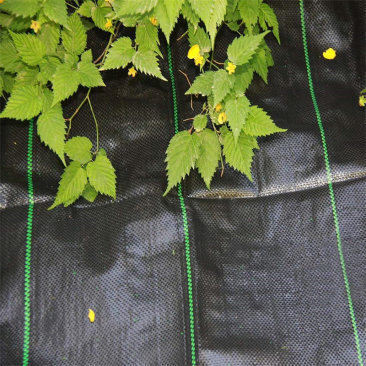
Another significant advantage of permeable landscape fabric is its effectiveness in weed control. By acting as a barrier between the soil and the surface, it restricts the growth of weeds while still allowing essential nutrients and moisture to reach the underlying soil. This characteristic not only reduces the need for chemical herbicides but also minimizes maintenance efforts, making it a cost-effective solution for both residential and commercial landscaping projects.
Moreover, the fabric is usually made from durable, UV-resistant materials that can withstand harsh environmental conditions. This durability ensures a long lifespan, making it a reliable choice for projects that require a sturdy and resilient solution. Additionally, the lightweight nature of permeable landscape fabric simplifies installation, saving both time and labor costs for construction professionals.
In terms of sustainability, permeable landscape fabric contributes to eco-friendly practices in construction and landscaping. By facilitating natural water absorption and reducing runoff, this fabric helps to protect local waterways and maintain groundwater levels. It is also beneficial in reducing soil erosion, which can lead to significant environmental damage if left unaddressed.
Furthermore, using permeable landscape fabric can enhance the aesthetics of a project. By providing a clean and organized appearance during construction, it allows for a more visually appealing landscape. This can be particularly important in urban environments where visual impact is often a consideration.
In conclusion, permeable landscape fabric is an invaluable resource in the construction and landscaping industries. Its ability to promote drainage, control weeds, and provide durability makes it an essential component of many projects. As the industry continues to shift towards more sustainable practices, the use of permeable landscape fabric will likely become even more prevalent, offering benefits that extend beyond immediate project needs to long-term environmental health.
One of the primary benefits of permeable landscape fabric is its ability to facilitate proper drainage. In construction projects, especially those involving landscaping and erosion control, managing water flow is essential. By allowing water to permeate through the fabric, it helps prevent pooling and potential flooding, which can damage structures and overwhelm drainage systems. This attribute is particularly valuable in areas with heavy rainfall or poor drainage conditions.
Another significant advantage of permeable landscape fabric is its effectiveness in weed control. By acting as a barrier between the soil and the surface, it restricts the growth of weeds while still allowing essential nutrients and moisture to reach the underlying soil. This characteristic not only reduces the need for chemical herbicides but also minimizes maintenance efforts, making it a cost-effective solution for both residential and commercial landscaping projects.
Moreover, the fabric is usually made from durable, UV-resistant materials that can withstand harsh environmental conditions. This durability ensures a long lifespan, making it a reliable choice for projects that require a sturdy and resilient solution. Additionally, the lightweight nature of permeable landscape fabric simplifies installation, saving both time and labor costs for construction professionals.
In terms of sustainability, permeable landscape fabric contributes to eco-friendly practices in construction and landscaping. By facilitating natural water absorption and reducing runoff, this fabric helps to protect local waterways and maintain groundwater levels. It is also beneficial in reducing soil erosion, which can lead to significant environmental damage if left unaddressed.
Furthermore, using permeable landscape fabric can enhance the aesthetics of a project. By providing a clean and organized appearance during construction, it allows for a more visually appealing landscape. This can be particularly important in urban environments where visual impact is often a consideration.
In conclusion, permeable landscape fabric is an invaluable resource in the construction and landscaping industries. Its ability to promote drainage, control weeds, and provide durability makes it an essential component of many projects. As the industry continues to shift towards more sustainable practices, the use of permeable landscape fabric will likely become even more prevalent, offering benefits that extend beyond immediate project needs to long-term environmental health.
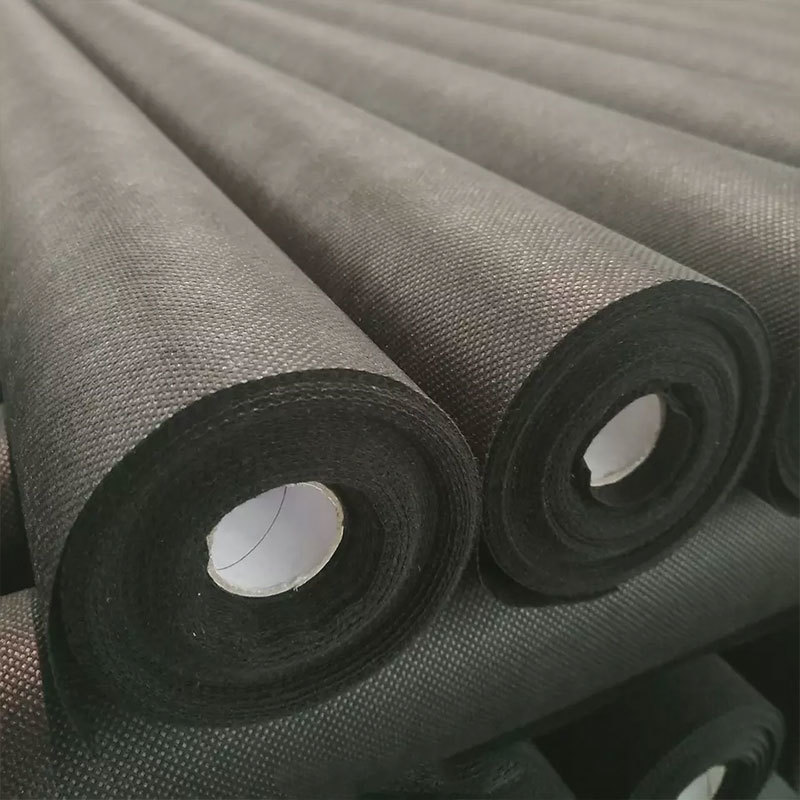
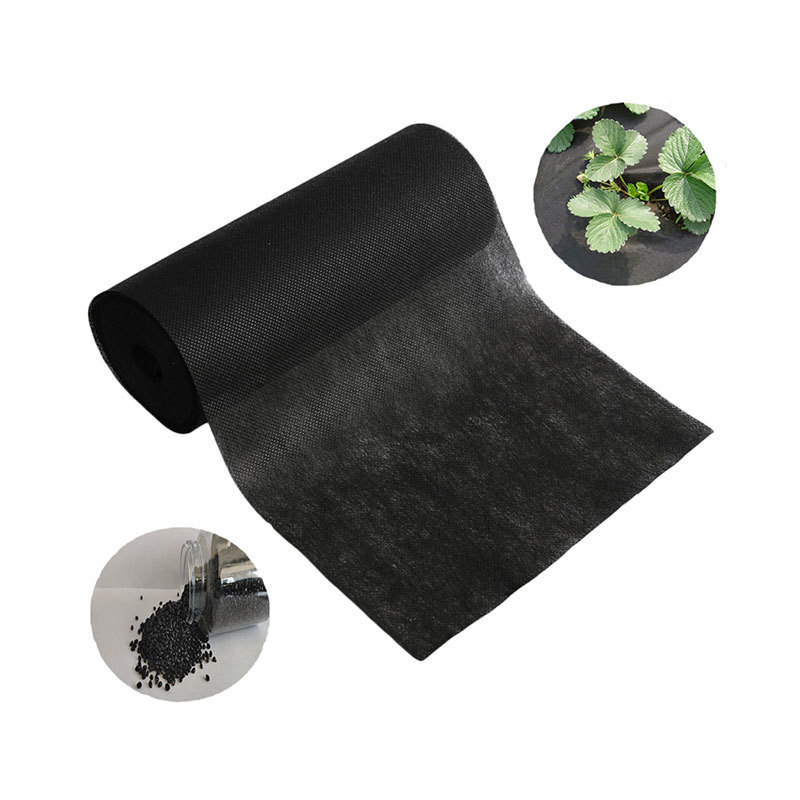
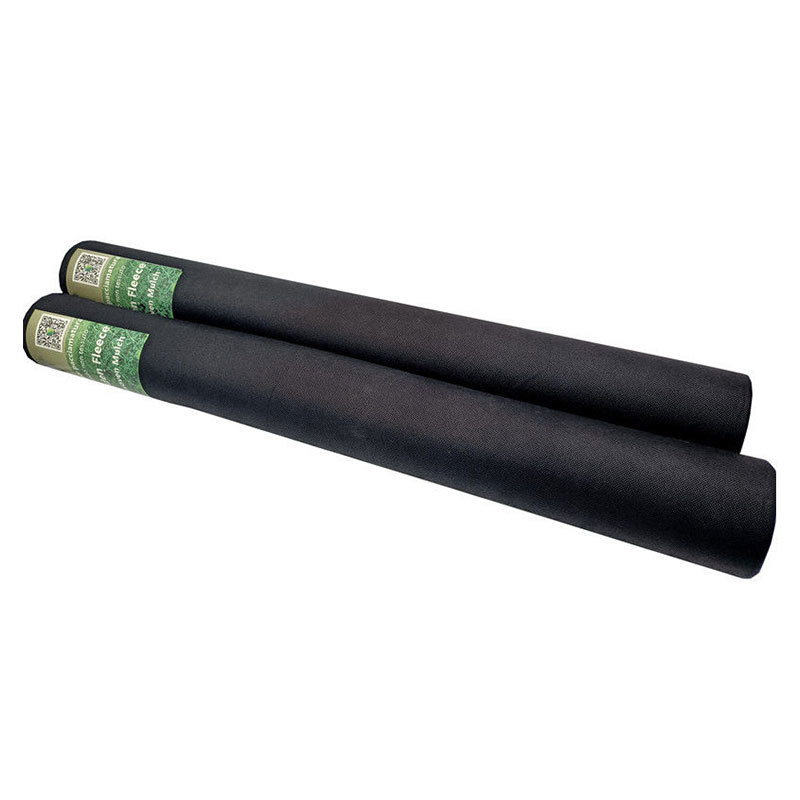
permeable landscape fabric

LEAVE A MESSAGE
MESSAGE