



31
2025
-
10
Maximize Your Landscaping Efficiency with Garden Ground Cover Fabric
Maximize Your Landscaping Efficiency with Garden Ground Cover Fabric When it comes to creating a beautiful and sustainable garden, efficiency is key. One of the most effective ways to achieve this is by incorporating garden ground cover fabric into your landscaping projects. This innovative material offers numerous advantages, including weed suppression, soil moisture retention, and improved aesth

Maximize Your Landscaping Efficiency with Garden Ground Cover Fabric
When it comes to creating a beautiful and sustainable garden, efficiency is key. One of the most effective ways to achieve this is by incorporating garden ground cover fabric into your landscaping projects. This innovative material offers numerous advantages, including weed suppression, soil moisture retention, and improved aesthetics. In this comprehensive guide, we will delve deep into the world of garden ground cover fabric, exploring its benefits, installation tips, and best practices to help you maximize your landscaping efficiency.
Table of Contents
- What is Garden Ground Cover Fabric?
- Benefits of Garden Ground Cover Fabric
- Types of Garden Ground Cover Fabric
- Installation Guide for Garden Ground Cover Fabric
- Best Practices for Using Ground Cover Fabric
- Maintenance Tips for Longevity
- Common FAQs about Garden Ground Cover Fabric
- Conclusion
What is Garden Ground Cover Fabric?
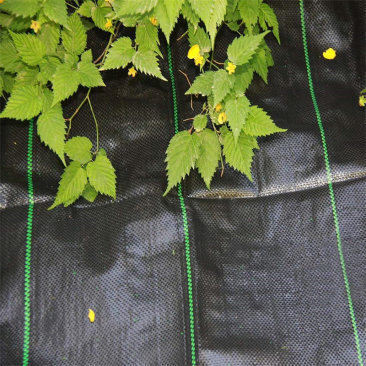
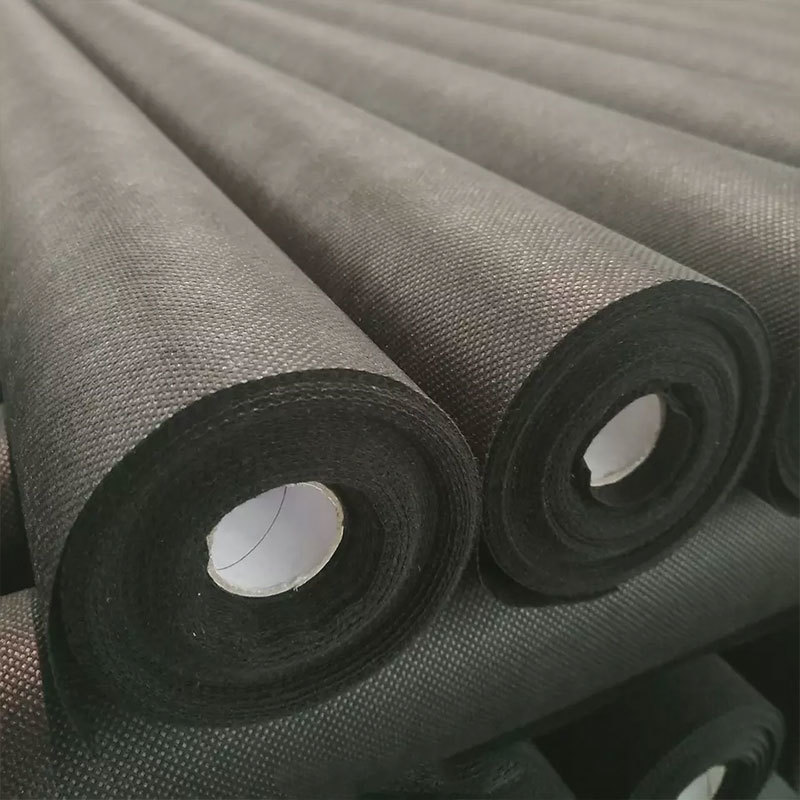
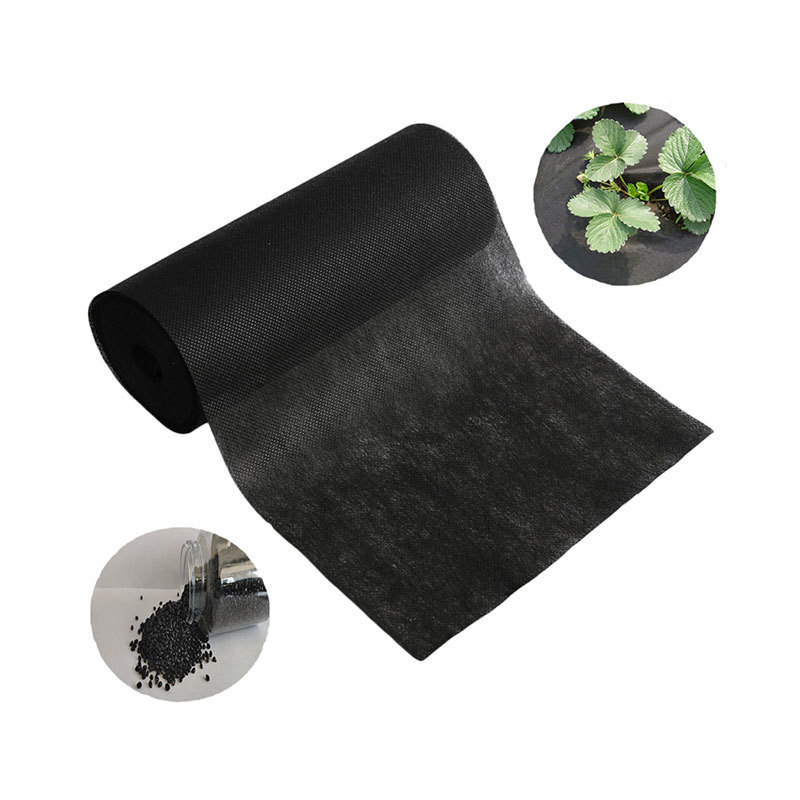
Garden ground cover fabric is a landscape fabric designed to be laid over soil to suppress weeds and retain moisture. Typically made from synthetic materials like polypropylene or natural fibers, this fabric allows air and water to pass through while blocking sunlight, preventing weed growth. Its versatility makes it an invaluable tool for gardeners and landscapers alike.
Benefits of Garden Ground Cover Fabric
Understanding the benefits of garden ground cover fabric is essential for maximizing your landscaping efficiency. Here, we explore some key advantages:
Weed Control
One of the primary reasons for using garden ground cover fabric is its ability to suppress weed growth. By blocking sunlight, the fabric prevents weeds from germinating and taking root, reducing the need for chemical herbicides and manual weeding. This means less time spent on maintenance and more time enjoying your garden.
Moisture Retention
Garden ground cover fabric helps to retain soil moisture by reducing evaporation. This is particularly beneficial in arid climates or during dry seasons, as it ensures that your plants receive the hydration they need to thrive without requiring excessive watering. As a result, you'll save both time and water.
Soil Temperature Regulation
By covering the soil, garden ground cover fabric can help regulate soil temperatures. This is especially important for sensitive plants that thrive in specific temperature ranges. During hot weather, the fabric can keep the soil cooler, while in cooler months, it can provide some insulation, promoting healthier plant growth.
Aesthetic Improvement
Beyond functionality, garden ground cover fabric contributes to the visual appeal of your landscape. By providing a clean, uniform surface, it enhances the overall look of your garden beds. Additionally, it can serve as a foundation for decorative stones or mulch, adding a polished finish to your outdoor spaces.
Types of Garden Ground Cover Fabric
Not all garden ground cover fabrics are created equal. Understanding the different types available can help you choose the right one for your needs.
Woven vs. Non-Woven Fabrics
Woven fabrics are made by interlacing threads to create a durable, permeable material. They are typically more resistant to tearing and are ideal for heavy-duty applications. Non-woven fabrics, on the other hand, are created by bonding fibers together through heat or chemicals. These are often lighter and may provide better drainage, making them suitable for lighter landscaping projects.
Biodegradable Options
For environmentally conscious gardeners, biodegradable ground cover fabrics offer a sustainable alternative. Made from natural materials such as jute or coir, these fabrics break down over time, enriching the soil as they decompose. They are particularly useful in organic gardening and can contribute to soil health.
Installation Guide for Garden Ground Cover Fabric
Installing garden ground cover fabric is a straightforward process, but doing it correctly is essential for maximizing its benefits. Follow these steps for a successful installation:
- Prepare the Site: Clear the area of weeds, rocks, and debris. If necessary, till the soil to create a smooth surface.
- Measure and Cut: Measure the area you want to cover and cut the fabric accordingly, allowing for overlaps if you are covering a larger area.
- Lay the Fabric: Place the fabric over the prepared area, ensuring it lies flat without wrinkles. Secure it in place with landscape fabric pins or stakes.
- Cover the Fabric: Add a layer of mulch, gravel, or decorative stones over the fabric to enhance its appearance and provide additional weight.
- Water the Area: Once laid, water the area thoroughly to help the fabric settle and promote moisture retention.
Best Practices for Using Ground Cover Fabric
To get the most out of your garden ground cover fabric, consider the following best practices:
- Choose the Right Fabric: Select a fabric that suits your specific garden needs, considering factors like climate, plant types, and soil conditions.
- Regular Maintenance: Check for any tears or damages and replace or repair them as necessary. Additionally, replenishing mulch or stones on top of the fabric will help maintain its effectiveness.
- Monitor Plant Growth: Ensure that your plants are thriving. If you notice stunted growth, consider adjusting watering practices or removing fabric in areas that may be restricting root development.
Maintenance Tips for Longevity
Maintaining your garden ground cover fabric is crucial for longevity. Here are some tips to ensure it lasts:
- Inspect Regularly: Perform routine inspections to identify any signs of wear or damage.
- Keep it Clean: Remove any debris that accumulates on top of the fabric to prevent mold and algae growth.
- Adjust Watering Practices: Make sure your watering patterns account for the moisture retention capabilities of the fabric, avoiding excess saturation.
Common FAQs about Garden Ground Cover Fabric
1. How long does garden ground cover fabric last?
The lifespan of garden ground cover fabric varies based on the material. Woven fabrics can last up to 10 years, while biodegradable options typically last only a few seasons.
2. Can I use ground cover fabric under gravel?
Yes, ground cover fabric is often used under gravel. It helps prevent weeds while allowing water to drain through.
3. Is it necessary to use ground cover fabric in all gardens?
While ground cover fabric is beneficial in many situations, it may not be necessary for all gardens, especially those with dense plantings where weeds are less of a concern.
4. Can I plant directly through garden ground cover fabric?
Yes, you can cut slits in the fabric and plant directly through it. Make sure to secure the fabric around the plant to maintain its weed-blocking capabilities.
5. How do I remove garden ground cover fabric?
To remove garden ground cover fabric, carefully lift it from the edges, being cautious not to damage any underlying plants. Dispose of or recycle the fabric according to local regulations.
Conclusion
Incorporating garden ground cover fabric into your landscaping projects can significantly enhance efficiency and aesthetics. By understanding the various types, benefits, and installation methods, you can create a beautiful and sustainable garden that requires less maintenance and thrives year-round. Whether you are battling weeds, conserving moisture, or simply enhancing your garden's appearance, garden ground cover fabric is an invaluable tool that can help you achieve your landscaping goals with ease.
garden ground cover fabric

LEAVE A MESSAGE
MESSAGE