



01
2025
-
11
Understanding Woven Ground Cover Fabric: Essential Insights for Professionals
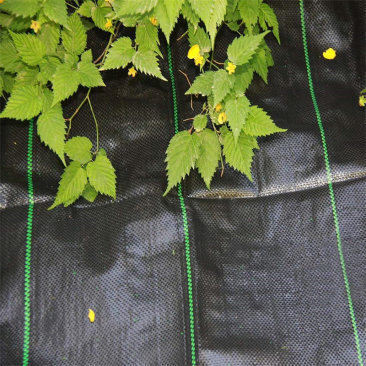
Woven ground cover fabric is a crucial component in construction and landscaping that serves multiple purposes. This durable textile is designed to provide a protective barrier for soil and plant life, making it an essential material for various applications in the construction and decorative materials industry. One of the primary benefits of woven ground cover fabric is its ability to control wee

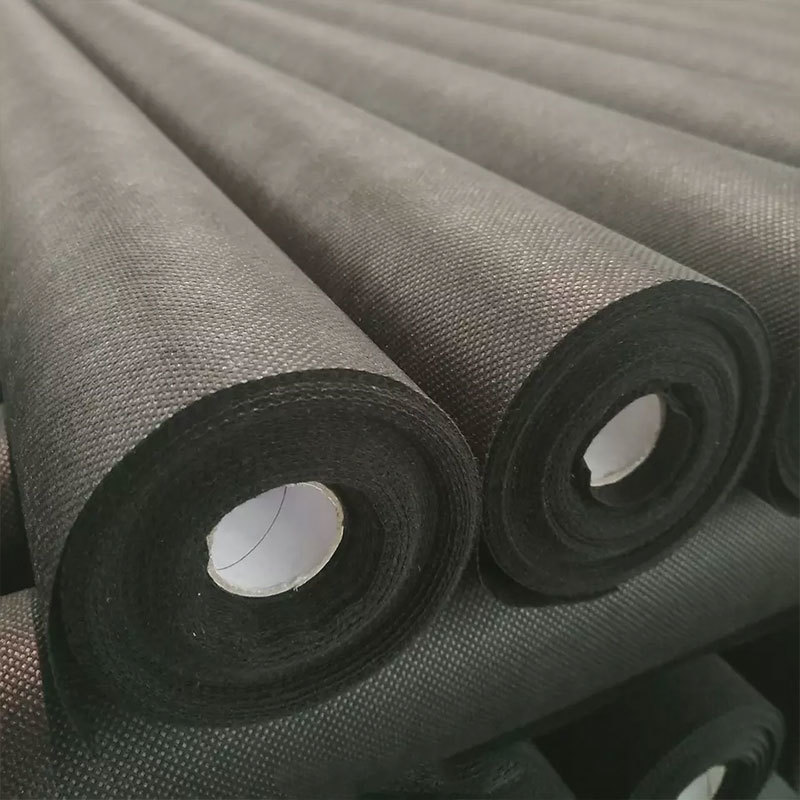
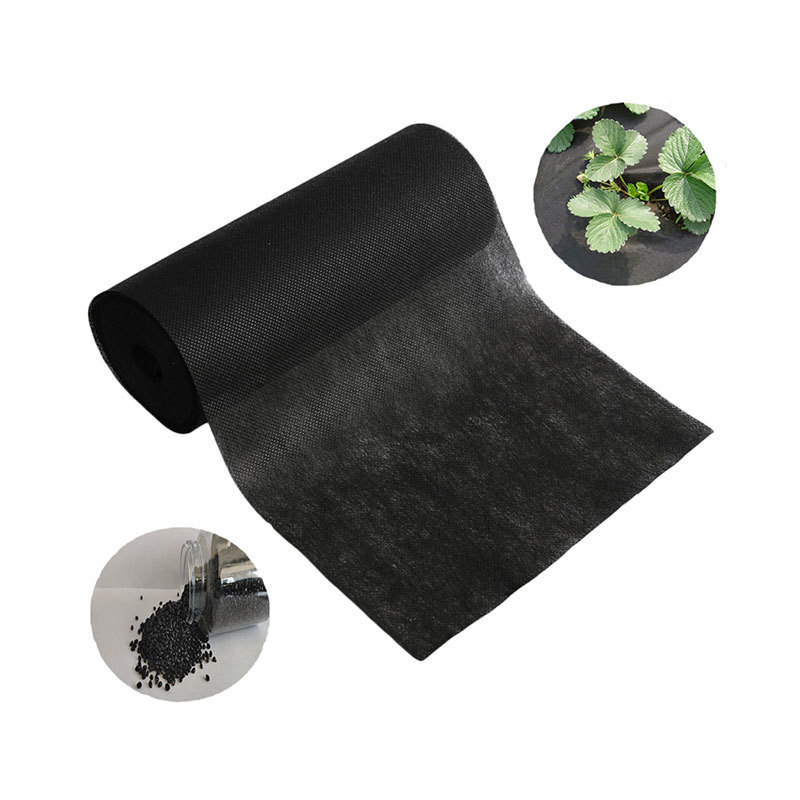
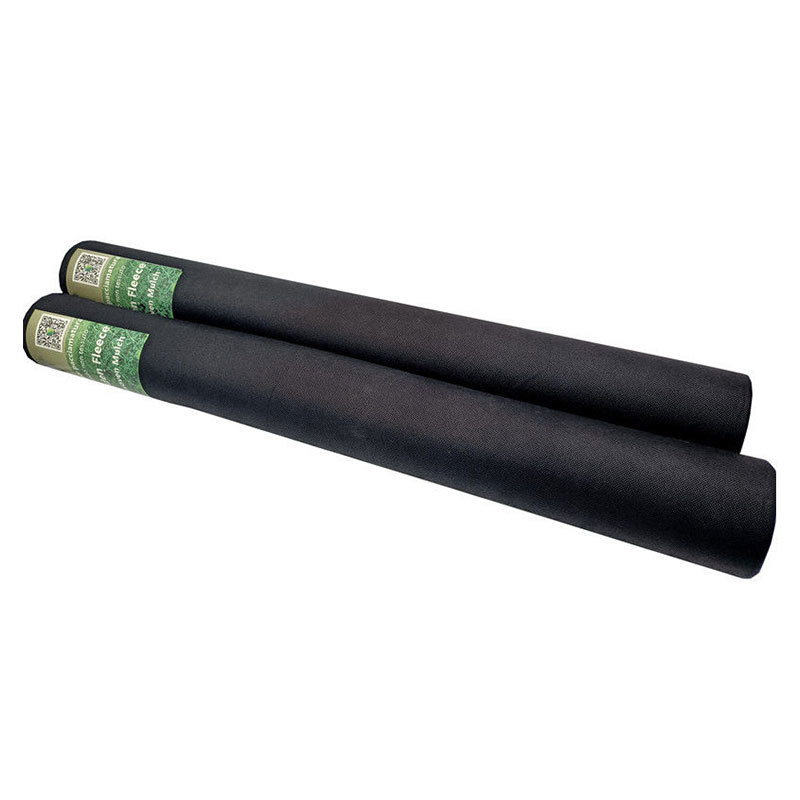
Woven ground cover fabric is a crucial component in construction and landscaping that serves multiple purposes. This durable textile is designed to provide a protective barrier for soil and plant life, making it an essential material for various applications in the construction and decorative materials industry.
One of the primary benefits of woven ground cover fabric is its ability to control weed growth. By creating a physical barrier between the soil and the surface, it prevents sunlight from reaching weed seeds, thus inhibiting their germination and growth. This is particularly important for landscaping projects where maintaining the aesthetic appeal and health of plants is paramount. Moreover, using ground cover fabric significantly reduces the need for chemical herbicides, promoting an eco-friendly approach to landscaping.
In addition to weed control, woven ground cover fabric also plays a vital role in soil erosion prevention. When used on slopes or in areas prone to heavy rainfall, this fabric helps to stabilize the soil by allowing water to permeate while preventing soil particles from washing away. This property is essential for maintaining the integrity of construction sites and landscaped areas, ensuring that they remain functional and visually appealing over time.
Woven ground cover fabric is also designed for drainage and filtration. The fabric allows water to pass through while trapping sediment and particles, thus preventing clogging in drainage systems. This attribute is particularly beneficial in agricultural settings where proper water management is essential for crop health. By utilizing woven ground cover fabric, professionals can enhance the efficiency of irrigation systems and improve the overall sustainability of their projects.
Another critical aspect of woven ground cover fabric is its versatility. It can be used in a wide range of applications, from garden beds and flower borders to commercial landscaping and construction sites. Its lightweight and easy-to-handle nature makes it an ideal choice for professionals looking to streamline their workflow while ensuring the longevity of their projects.
Finally, woven ground cover fabric is typically made from durable materials that can withstand UV exposure and harsh weather conditions. This resilience ensures that the fabric maintains its functionality and effectiveness over time, making it a reliable choice for both short-term and long-term applications.
In conclusion, woven ground cover fabric is an invaluable resource for professionals in the construction and landscaping sectors. Its ability to control weeds, prevent erosion, facilitate drainage, and adapt to various applications makes it a must-have material for enhancing the durability and aesthetics of any project. Understanding its benefits and applications can significantly boost the quality of work and sustainability practices in the building materials industry.
One of the primary benefits of woven ground cover fabric is its ability to control weed growth. By creating a physical barrier between the soil and the surface, it prevents sunlight from reaching weed seeds, thus inhibiting their germination and growth. This is particularly important for landscaping projects where maintaining the aesthetic appeal and health of plants is paramount. Moreover, using ground cover fabric significantly reduces the need for chemical herbicides, promoting an eco-friendly approach to landscaping.
In addition to weed control, woven ground cover fabric also plays a vital role in soil erosion prevention. When used on slopes or in areas prone to heavy rainfall, this fabric helps to stabilize the soil by allowing water to permeate while preventing soil particles from washing away. This property is essential for maintaining the integrity of construction sites and landscaped areas, ensuring that they remain functional and visually appealing over time.
Woven ground cover fabric is also designed for drainage and filtration. The fabric allows water to pass through while trapping sediment and particles, thus preventing clogging in drainage systems. This attribute is particularly beneficial in agricultural settings where proper water management is essential for crop health. By utilizing woven ground cover fabric, professionals can enhance the efficiency of irrigation systems and improve the overall sustainability of their projects.
Another critical aspect of woven ground cover fabric is its versatility. It can be used in a wide range of applications, from garden beds and flower borders to commercial landscaping and construction sites. Its lightweight and easy-to-handle nature makes it an ideal choice for professionals looking to streamline their workflow while ensuring the longevity of their projects.
Finally, woven ground cover fabric is typically made from durable materials that can withstand UV exposure and harsh weather conditions. This resilience ensures that the fabric maintains its functionality and effectiveness over time, making it a reliable choice for both short-term and long-term applications.
In conclusion, woven ground cover fabric is an invaluable resource for professionals in the construction and landscaping sectors. Its ability to control weeds, prevent erosion, facilitate drainage, and adapt to various applications makes it a must-have material for enhancing the durability and aesthetics of any project. Understanding its benefits and applications can significantly boost the quality of work and sustainability practices in the building materials industry.
woven ground cover fabric

LEAVE A MESSAGE
MESSAGE