




03
2025
-
11
Effective Ground Weed Control Fabric: A Comprehensive Guide for Professionals
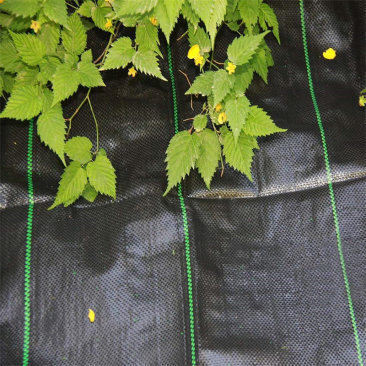
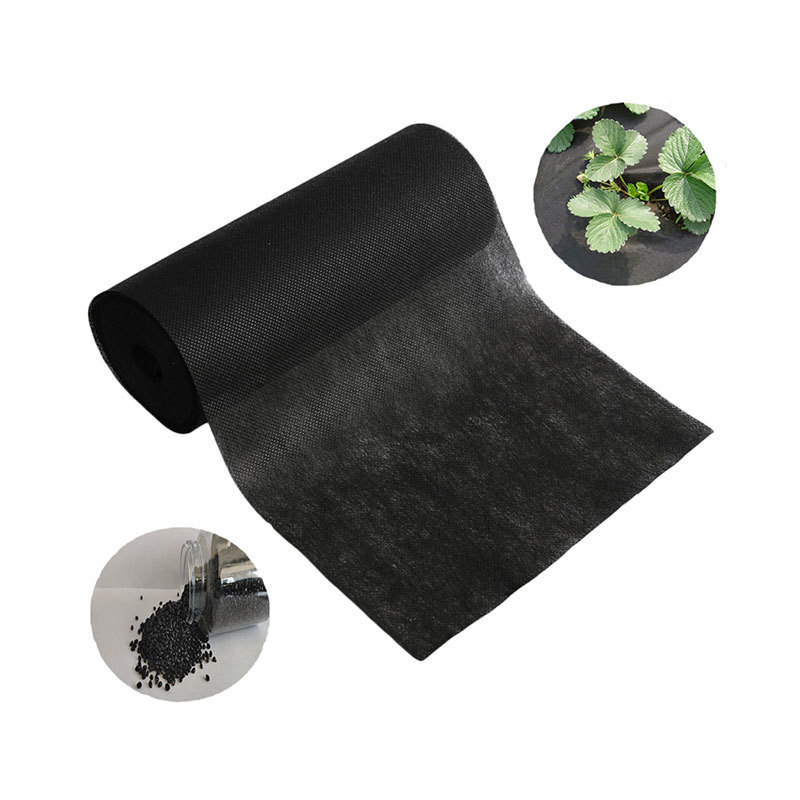
Ground weed control fabric, also known as landscape fabric or geotextile, is an essential material in the construction and landscaping sectors, particularly for those involved in site preparation and soil management. Its primary purpose is to inhibit the growth of unwanted weeds while allowing for water and nutrients to permeate the soil, thus fostering a healthy environment for desired plants and

Ground weed control fabric, also known as landscape fabric or geotextile, is an essential material in the construction and landscaping sectors, particularly for those involved in site preparation and soil management. Its primary purpose is to inhibit the growth of unwanted weeds while allowing for water and nutrients to permeate the soil, thus fostering a healthy environment for desired plants and structures.
One of the key advantages of utilizing ground weed control fabric lies in its ability to significantly reduce the manual labor associated with weed management. By laying down this fabric over the soil before planting, professionals can minimize the need for chemical herbicides and manual weeding, leading to a more sustainable and eco-friendly approach to landscape management. This not only saves time and resources but also contributes to the overall health of the ecosystem.
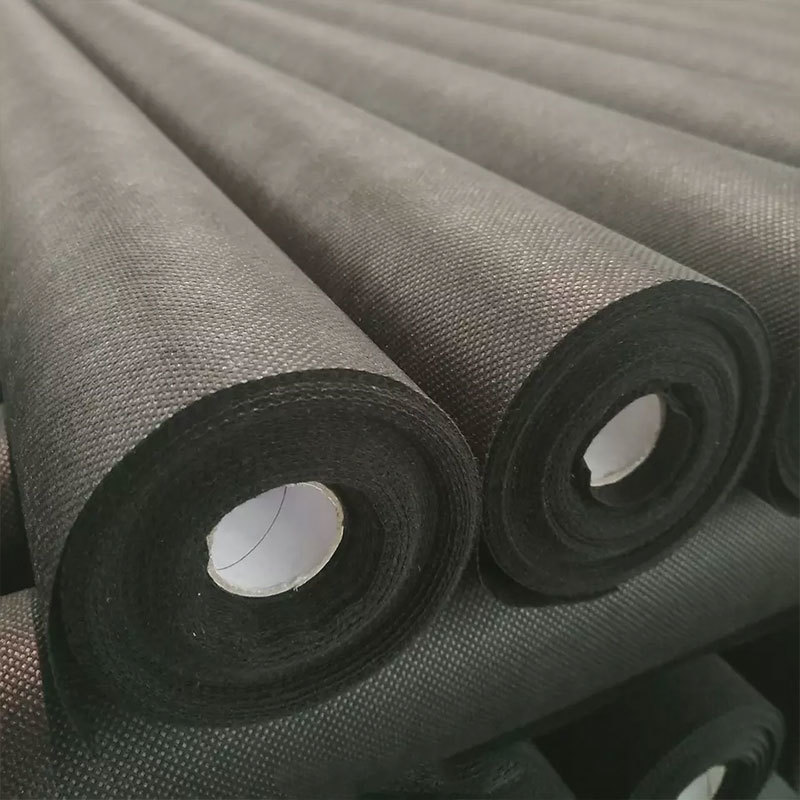
The durability of ground weed control fabric is another aspect that professionals should consider. Made from woven or non-woven polypropylene or polyester, this material is designed to withstand the elements and resist degradation over time. Depending on the specific project requirements, the fabric can vary in thickness and density, ensuring that it meets the specific needs of the installation site. This resilience allows it to maintain its integrity under various conditions, including heavy foot traffic, extreme weather, and the weight of mulch or decorative stones.
In addition to weed control, ground weed control fabric also plays a crucial role in erosion prevention. By stabilizing the soil and reducing surface runoff, this fabric helps to maintain the integrity of the landscape, especially on slopes or areas prone to erosion. This not only preserves the aesthetic appeal of a project but also minimizes long-term maintenance costs associated with soil loss.
For professionals in the construction and landscaping industries, understanding the installation techniques for ground weed control fabric is essential. Proper installation involves ensuring that the fabric is laid flat without wrinkles or overlaps, and securing it in place using landscape staples or pegs. It’s also important to overlap seams adequately to prevent weeds from penetrating through the gaps. Covering the fabric with mulch or decorative stones not only enhances the visual appeal of the landscape but also helps to anchor the fabric in place and provide additional weed suppression.
In conclusion, ground weed control fabric is a valuable tool for professionals in the construction and landscaping fields. Its benefits extend beyond simple weed suppression to include erosion control and reduced maintenance efforts. By carefully selecting and properly installing this fabric, industry professionals can create aesthetically pleasing and sustainable landscapes that thrive despite the challenges posed by invasive plant species. As you continue your projects, consider incorporating ground weed control fabric to enhance both the efficiency and effectiveness of your work.
One of the key advantages of utilizing ground weed control fabric lies in its ability to significantly reduce the manual labor associated with weed management. By laying down this fabric over the soil before planting, professionals can minimize the need for chemical herbicides and manual weeding, leading to a more sustainable and eco-friendly approach to landscape management. This not only saves time and resources but also contributes to the overall health of the ecosystem.
The durability of ground weed control fabric is another aspect that professionals should consider. Made from woven or non-woven polypropylene or polyester, this material is designed to withstand the elements and resist degradation over time. Depending on the specific project requirements, the fabric can vary in thickness and density, ensuring that it meets the specific needs of the installation site. This resilience allows it to maintain its integrity under various conditions, including heavy foot traffic, extreme weather, and the weight of mulch or decorative stones.
In addition to weed control, ground weed control fabric also plays a crucial role in erosion prevention. By stabilizing the soil and reducing surface runoff, this fabric helps to maintain the integrity of the landscape, especially on slopes or areas prone to erosion. This not only preserves the aesthetic appeal of a project but also minimizes long-term maintenance costs associated with soil loss.
For professionals in the construction and landscaping industries, understanding the installation techniques for ground weed control fabric is essential. Proper installation involves ensuring that the fabric is laid flat without wrinkles or overlaps, and securing it in place using landscape staples or pegs. It’s also important to overlap seams adequately to prevent weeds from penetrating through the gaps. Covering the fabric with mulch or decorative stones not only enhances the visual appeal of the landscape but also helps to anchor the fabric in place and provide additional weed suppression.
In conclusion, ground weed control fabric is a valuable tool for professionals in the construction and landscaping fields. Its benefits extend beyond simple weed suppression to include erosion control and reduced maintenance efforts. By carefully selecting and properly installing this fabric, industry professionals can create aesthetically pleasing and sustainable landscapes that thrive despite the challenges posed by invasive plant species. As you continue your projects, consider incorporating ground weed control fabric to enhance both the efficiency and effectiveness of your work.
ground weed control fabric

LEAVE A MESSAGE
MESSAGE