




04
2025
-
11
The Environmental Benefits of Ground Fabric in Weed Suppression
The Environmental Benefits of Ground Fabric in Weed Suppression Ground fabric, often referred to as landscape fabric or geotextiles, has gained significant attention in the construction and landscaping industries, particularly for its effectiveness in weed suppression. The use of ground fabric not only contributes to aesthetic enhancements but also provides numerous environmental advantages. In th

The Environmental Benefits of Ground Fabric in Weed Suppression
Ground fabric, often referred to as landscape fabric or geotextiles, has gained significant attention in the construction and landscaping industries, particularly for its effectiveness in weed suppression. The use of ground fabric not only contributes to aesthetic enhancements but also provides numerous environmental advantages. In this comprehensive article, we will explore the various benefits of ground fabric in weed suppression, its impact on soil health, and sustainable landscaping practices.
Table of Contents
- Introduction to Ground Fabric in Weed Control
- What is Ground Fabric?
- Types of Ground Fabric for Weed Suppression
- The Environmental Benefits of Using Ground Fabric
- How to Install Ground Fabric for Optimal Results
- Long-Term Advantages of Ground Fabric
- Common Misconceptions About Ground Fabric
- Frequently Asked Questions
- Conclusion
Introduction to Ground Fabric in Weed Control
As homeowners and landscapers strive to maintain vibrant gardens and landscapes, the challenge of weed control becomes increasingly important. Traditional methods, such as chemical herbicides, pose environmental risks and can harm beneficial insects, soil organisms, and water sources. Ground fabric presents a non-toxic alternative that offers effective weed suppression while promoting environmental sustainability.
What is Ground Fabric?
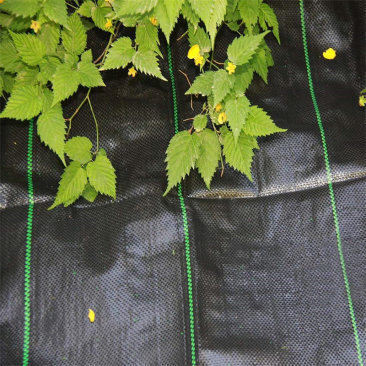
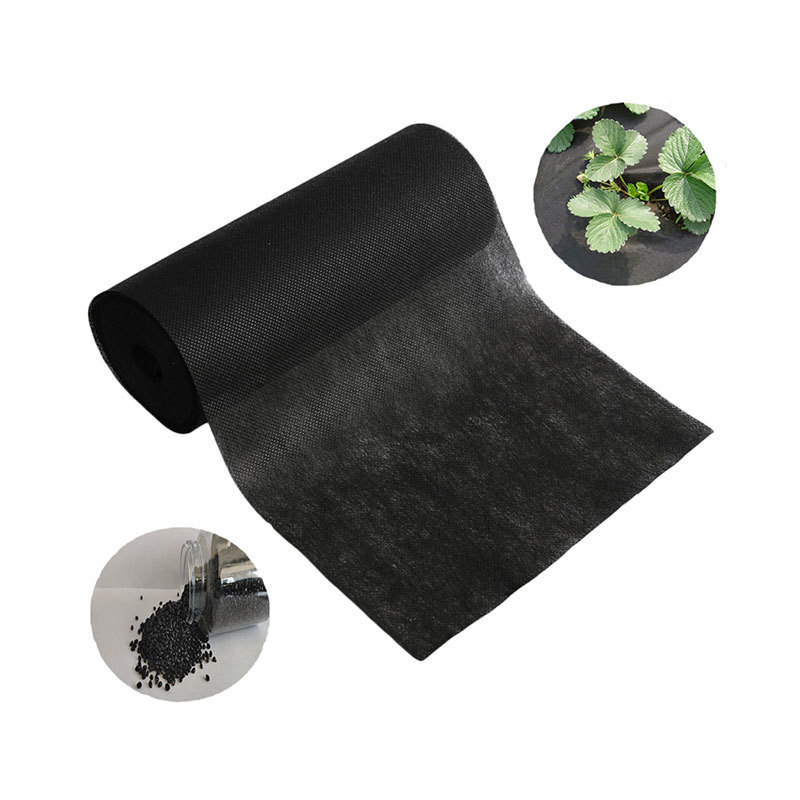
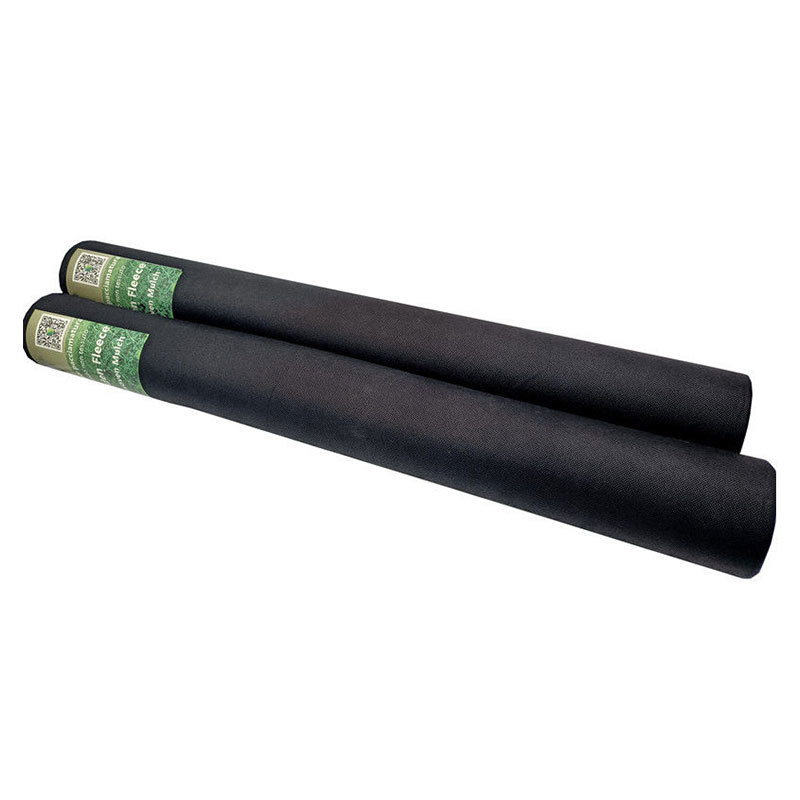
Ground fabric is a permeable material designed to block sunlight while allowing water and nutrients to pass through. Composed of synthetic or biodegradable fibers, this material serves as a barrier between the soil and invasive weeds. The fabric is typically laid over soil and secured with stakes or staples, ensuring it remains in place while effectively suppressing weed growth.
Key Features of Ground Fabric
- **Durability**: Ground fabric is designed to withstand harsh weather conditions, ensuring long-lasting weed control.
- **Permeability**: It allows water, air, and nutrients to penetrate, which is essential for maintaining healthy soil.
- **UV Resistance**: Many ground fabrics are treated to resist degradation from sunlight, extending their lifespan.
Types of Ground Fabric for Weed Suppression
When selecting ground fabric, it’s essential to consider the specific needs of your garden or landscape. Here are the most common types:
1. Woven Ground Fabric
Woven fabrics are made from interlaced fibers, providing excellent durability and weed control. They are ideal for long-term applications due to their strength.
2. Non-Woven Ground Fabric
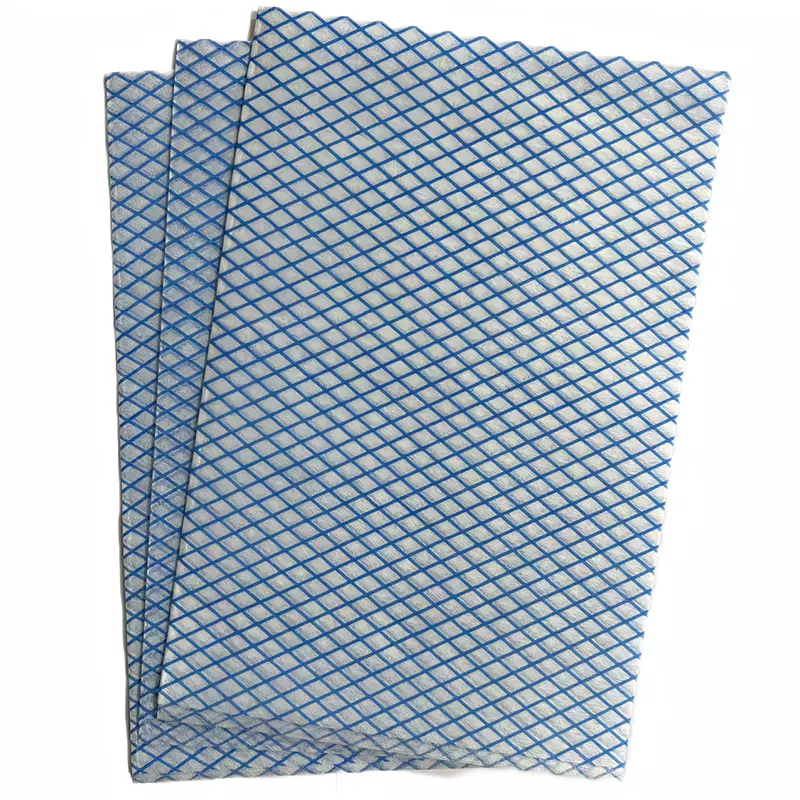
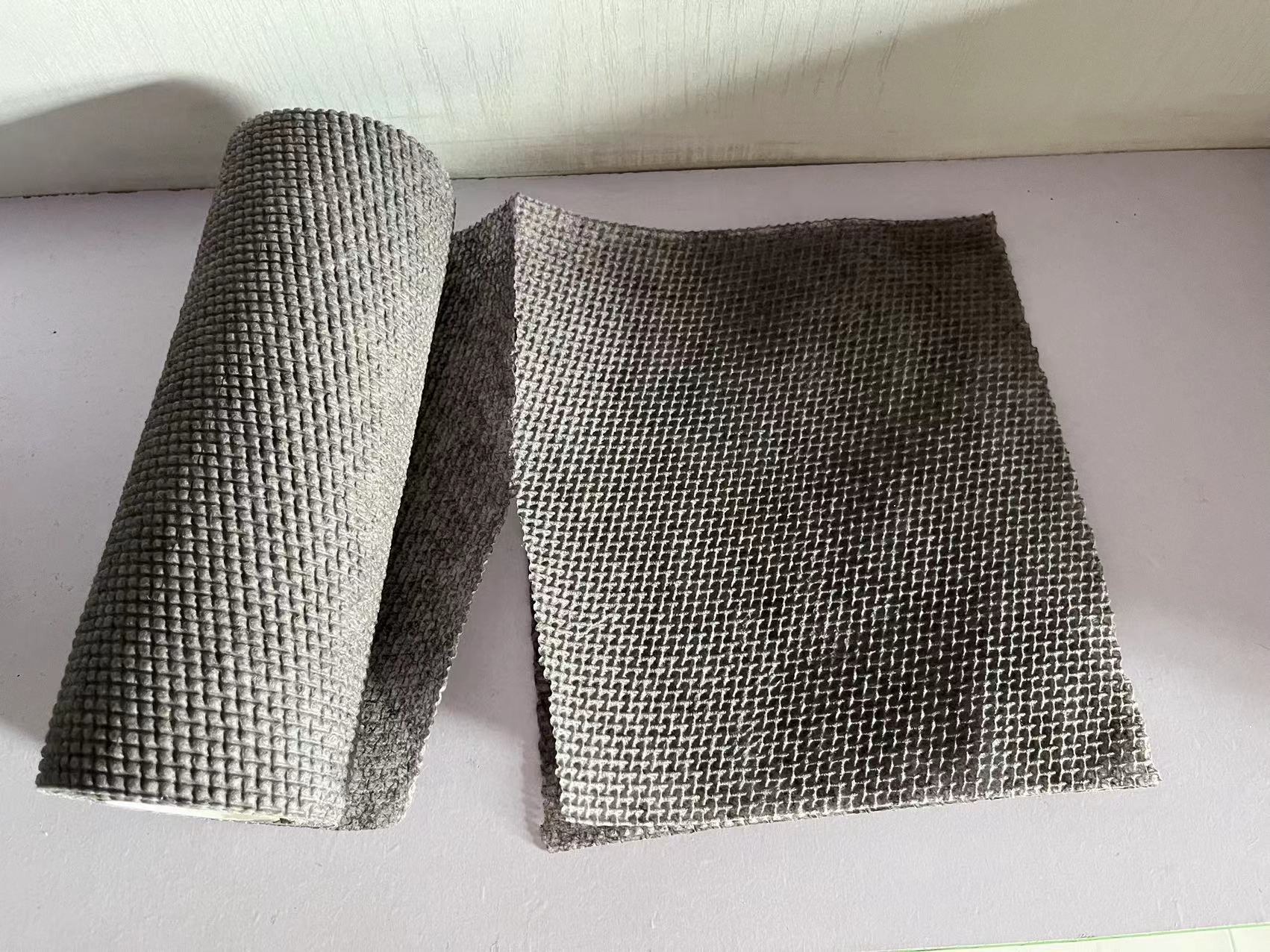
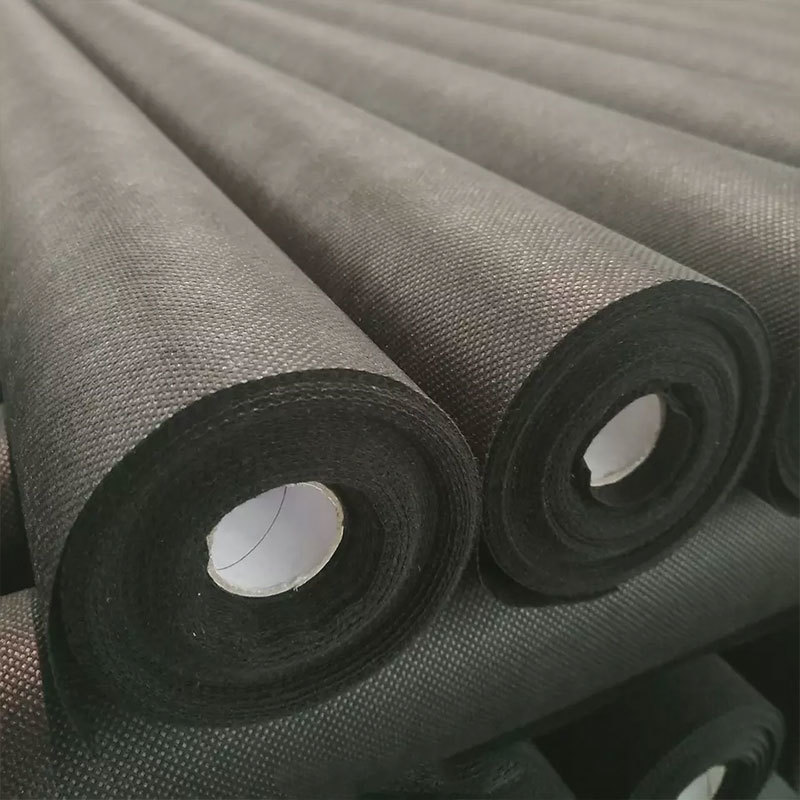
Non-woven fabrics are made from bonded fibers, offering good water permeability and weed control but may not be as durable as woven options.
3. Biodegradable Ground Fabric
For those seeking a more sustainable solution, biodegradable fabrics decompose over time, enriching the soil as they break down. This type is perfect for temporary installations.
The Environmental Benefits of Using Ground Fabric
Ground fabric serves as a powerful tool in sustainable landscaping, providing a range of environmental benefits that contribute to overall ecosystem health.
Enhancing Soil Health
Ground fabric plays a vital role in maintaining soil health. By preventing weed growth, it reduces competition for nutrients, allowing desirable plants to thrive. Additionally, the fabric reduces soil erosion, which can lead to nutrient loss and decreased soil fertility.
Preventing Soil Erosion
Soil erosion can be devastating for gardens and landscapes, washing away essential nutrients and harming plant life. Ground fabric effectively holds soil in place, minimizing erosion while promoting healthy root development.
Improving Soil Structure
As ground fabric decomposes, it contributes organic matter to the soil, enhancing its structure. This leads to better water retention and nutrient availability, creating a more fertile environment for plants.
Conserving Water Resources
Water conservation is a critical concern in today’s climate. Ground fabric aids in retaining soil moisture by reducing evaporation. It also helps manage stormwater runoff, allowing water to percolate through the fabric and into the ground, replenishing groundwater supplies.
Minimizing Water Waste
By keeping the soil moist and free from weeds, ground fabric reduces the need for frequent watering. This not only conserves water but also lowers utility costs for homeowners and landscapers.
Promoting Biodiversity
Sustainable landscaping practices, including the use of ground fabric, support biodiversity. By suppressing invasive weed species, the fabric allows native plants to flourish, creating habitats for pollinators and other beneficial organisms.
Supporting Pollinator Populations
Native plants attract essential pollinators, contributing to healthier ecosystems. By using ground fabric to control weeds, we promote the growth of these vital species.
How to Install Ground Fabric for Optimal Results
Proper installation of ground fabric is crucial for achieving effective weed suppression and maximizing environmental benefits. Here’s a step-by-step guide to ensure successful installation:
1. Prepare the Area
Start by clearing the area of existing weeds, rocks, and debris. This ensures a clean surface for the ground fabric.
2. Lay the Ground Fabric
Unroll the ground fabric over the prepared area, ensuring it overlaps where necessary to prevent gaps. Secure the fabric with landscape stakes or staples.
3. Cut and Fit Around Plants
If planting new vegetation, cut slits in the fabric to accommodate plant roots. Ensure that the fabric covers the surrounding soil to prevent weed growth.
4. Add Mulch
A layer of mulch on top of the ground fabric enhances aesthetics and provides additional weed suppression. Organic mulch also contributes to soil health as it breaks down.
Long-Term Advantages of Ground Fabric
Investing in ground fabric not only addresses immediate weed issues but also provides long-term benefits for both the environment and the landscape.
1. Cost-Effective Solution
While there may be an initial investment in purchasing ground fabric, its durability and effectiveness in weed suppression reduce the need for continuous maintenance and chemical treatments.
2. Reduced Chemical Use
By minimizing weed growth, ground fabric decreases reliance on herbicides and pesticides, which can have harmful effects on the environment. This promotes a healthier ecosystem.
3. Enhanced Aesthetics
Ground fabric contributes to a well-maintained appearance in gardens and landscapes, allowing for better visual appeal and increasing property value.
Common Misconceptions About Ground Fabric
Despite its many benefits, several misconceptions about ground fabric persist. Addressing these myths can help homeowners and landscapers make informed decisions.
1. Ground Fabric Suffocates Plants
While some believe that ground fabric restricts plant growth, when installed correctly, it allows for adequate water and nutrient flow. It only suppresses unwanted weeds.
2. It is a One-Time Solution
Although ground fabric is durable, it does require periodic maintenance, such as checking for damage and ensuring mulch coverage.
3. Ground Fabric is Expensive
Though there is an upfront cost associated with purchasing ground fabric, the long-term savings on water and chemical treatments make it a cost-effective solution.
Frequently Asked Questions
1. How long does ground fabric last?
Ground fabric can last anywhere from 5 to 20 years, depending on the type and environmental conditions.
2. Can I plant directly into ground fabric?
Yes, you can cut slits to accommodate new plants, ensuring the fabric still covers surrounding soil.
3. Does ground fabric need to be replaced regularly?
While it is durable, periodic checks for damage are necessary, and it may need replacement in areas with heavy foot traffic.
4. Is ground fabric environmentally friendly?
Yes, especially biodegradable options that enrich the soil as they decompose.
5. Can I use ground fabric in vegetable gardens?
Absolutely! Ground fabric can be used in vegetable gardens to control weeds while allowing for proper water and nutrient flow.
Conclusion
Ground fabric offers a multitude of environmental benefits in weed suppression, making it an essential tool for sustainable landscaping practices. By enhancing soil health, conserving water, and promoting biodiversity, ground fabric serves as a responsible alternative to chemical weed control methods. As we continue to seek environmentally conscious solutions, embracing the use of ground fabric not only beautifies our landscapes but also supports the health of our ecosystems. Investing in this innovative material is a step toward a greener future for both our gardens and the planet.
ground fabric weed control

LEAVE A MESSAGE
MESSAGE