




07
2025
-
11
Understanding Spunbond Nonwoven Fabric: A Versatile Solution in Textiles
Spunbond nonwoven fabric is a remarkable material that has garnered attention across various sectors due to its unique characteristics and versatile applications. Unlike traditional woven fabrics, spunbond nonwoven fabric is made by bonding fibers together using heat, chemicals, or mechanical processes, resulting in a strong yet lightweight material that has numerous benefits. One of the primary a

Spunbond nonwoven fabric is a remarkable material that has garnered attention across various sectors due to its unique characteristics and versatile applications. Unlike traditional woven fabrics, spunbond nonwoven fabric is made by bonding fibers together using heat, chemicals, or mechanical processes, resulting in a strong yet lightweight material that has numerous benefits.
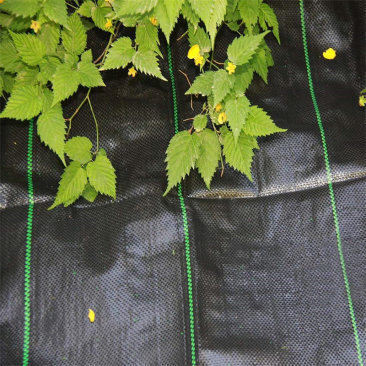
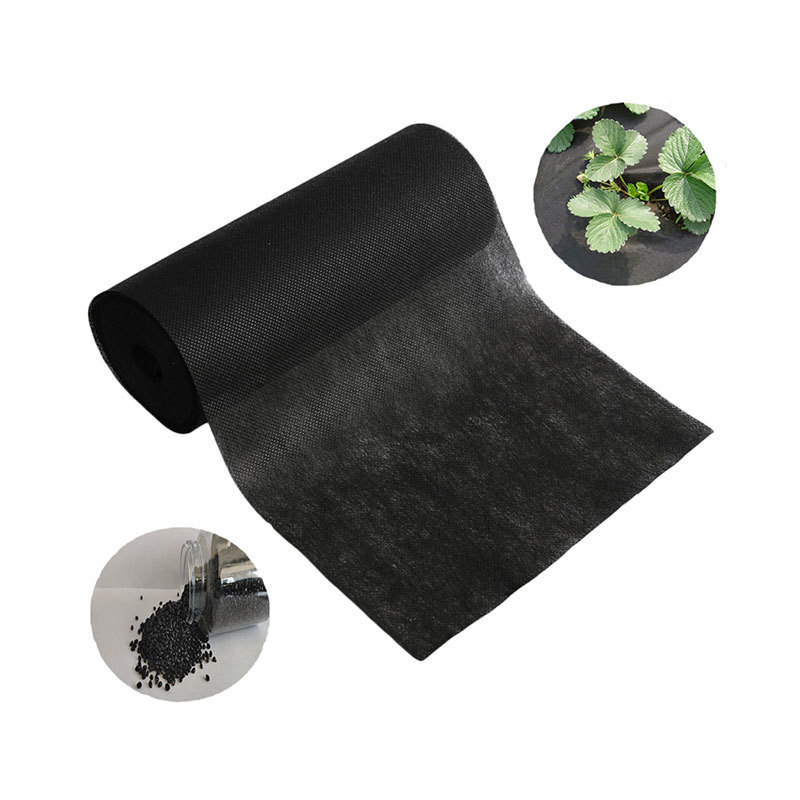
One of the primary advantages of spunbond nonwoven fabric is its durability. The fabric is resistant to tearing and ripping, making it ideal for applications that require strength and longevity. This durability is especially beneficial in industries such as agriculture, where spunbond nonwoven fabric is used for crop covers, weed control mats, and protective plant covers. The fabric allows for air and moisture permeability while providing protection against harsh weather conditions.
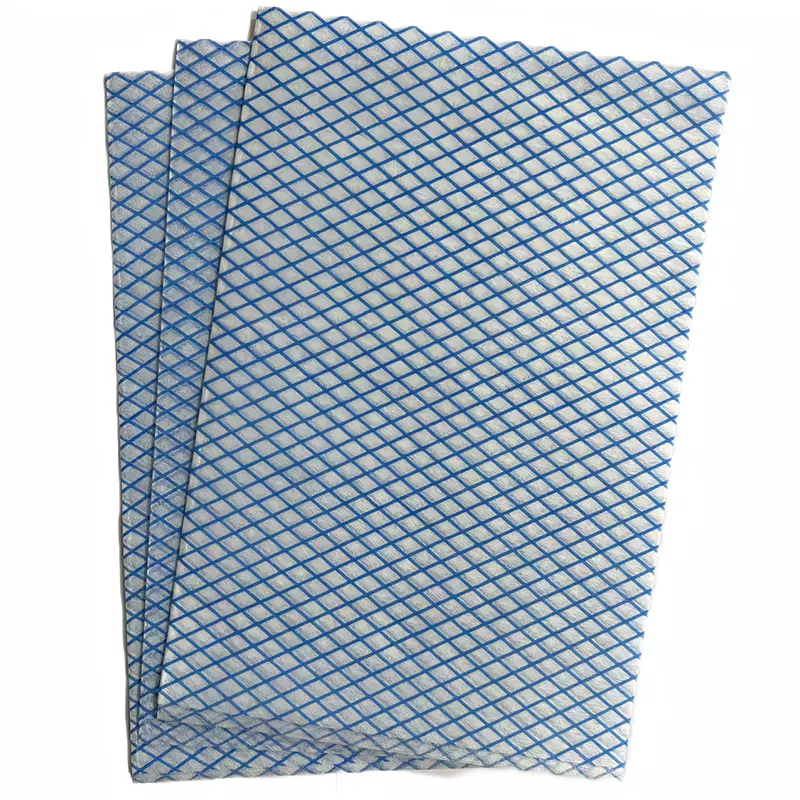
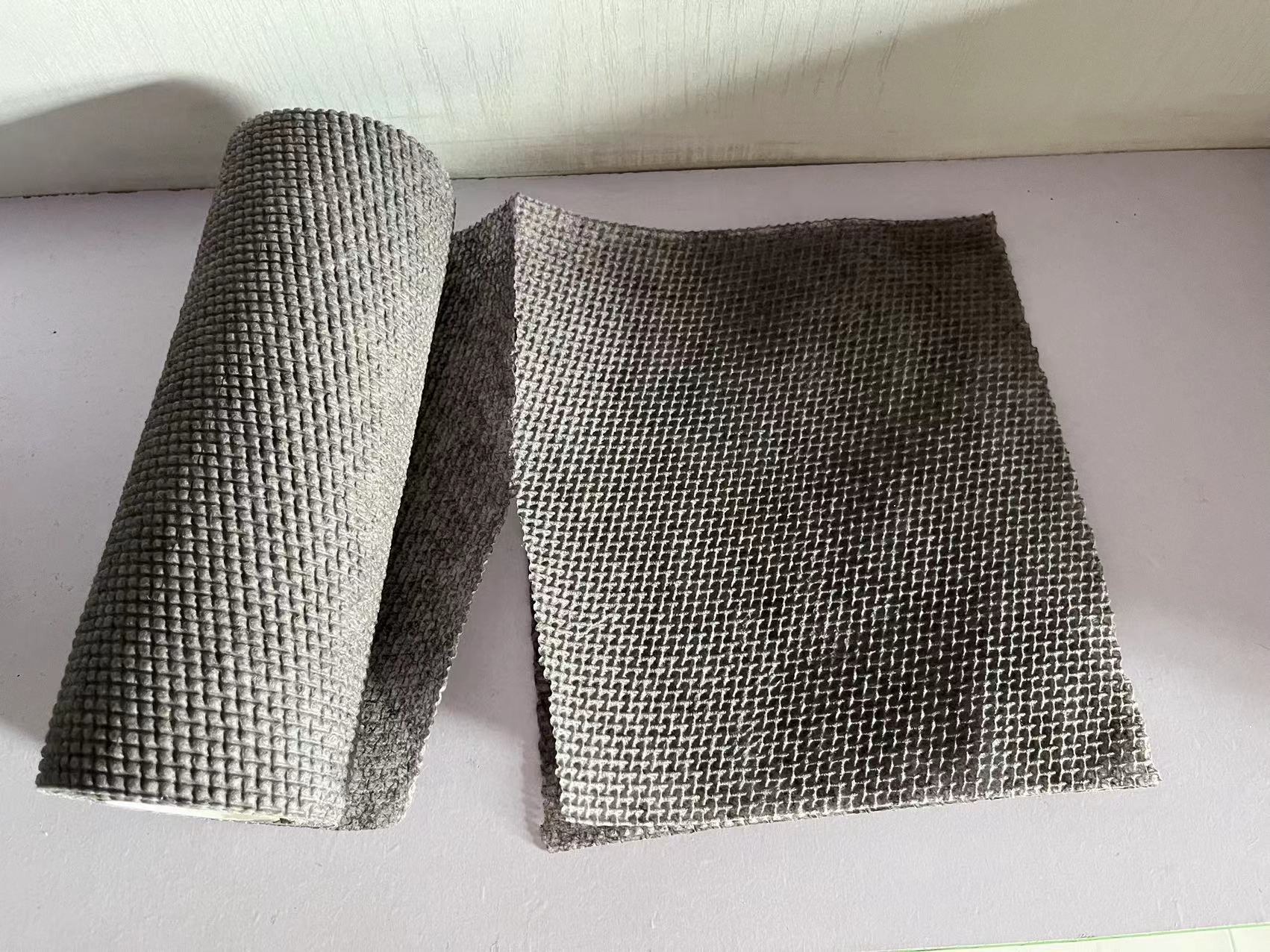
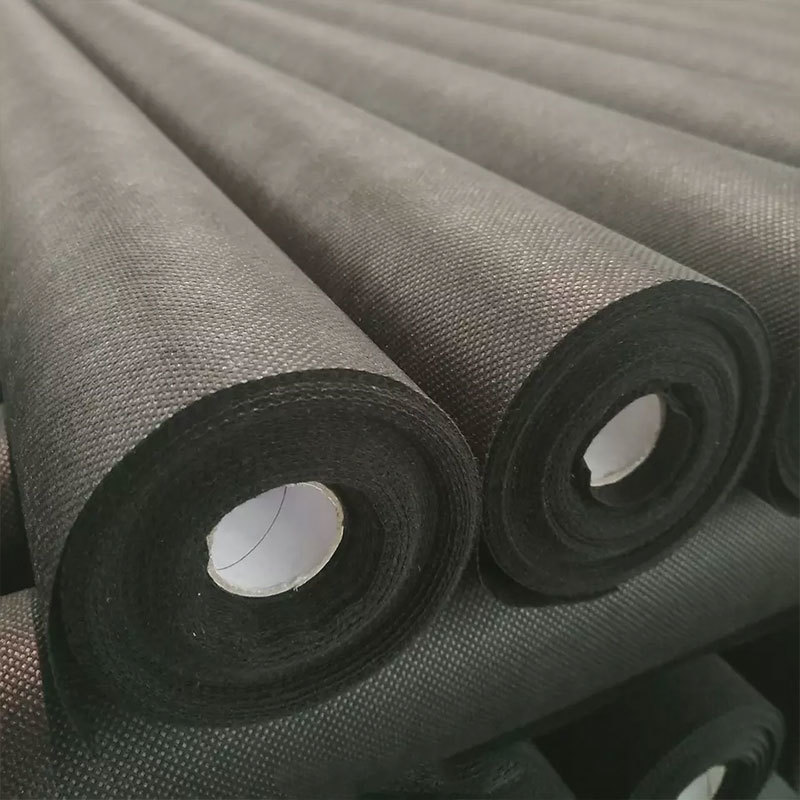
Moreover, spunbond nonwoven fabric is known for its versatility. It can be produced in various weights, thicknesses, and colors, allowing for customization based on specific project requirements. This flexibility makes it suitable for a wide range of applications, from medical textiles like surgical gowns and masks to consumer products such as tote bags and home textiles.
The lightweight nature of spunbond nonwoven fabric also contributes to its popularity. With a lower density compared to traditional textiles, it can be easily transported and handled without compromising on quality or performance. This characteristic is particularly advantageous in the packaging industry, where spunbond nonwoven materials are used to create durable and lightweight bags that are both functional and eco-friendly.
Furthermore, spunbond nonwoven fabric is often manufactured from recyclable materials, making it an eco-conscious choice for businesses looking to adopt sustainable practices. As environmental concerns continue to rise, the demand for sustainable materials in the textile industry is growing, and spunbond nonwoven fabric fits well into this trend. Its potential for recycling and reusability enhances its appeal to both manufacturers and consumers who prioritize sustainability.
In addition to its practical applications, spunbond nonwoven fabric is also easy to process and can be treated with various finishes to enhance its properties. For instance, it can be treated for water resistance, flame retardancy, or UV protection, expanding its usability across different fields.
In conclusion, spunbond nonwoven fabric is a versatile and durable material that offers a wide range of benefits for various industries. Its strength, lightweight nature, customization options, and eco-friendliness make it an ideal choice for businesses looking to innovate and improve their product offerings. Whether in agriculture, healthcare, or consumer goods, spunbond nonwoven fabric continues to redefine the possibilities within the textile sector.
One of the primary advantages of spunbond nonwoven fabric is its durability. The fabric is resistant to tearing and ripping, making it ideal for applications that require strength and longevity. This durability is especially beneficial in industries such as agriculture, where spunbond nonwoven fabric is used for crop covers, weed control mats, and protective plant covers. The fabric allows for air and moisture permeability while providing protection against harsh weather conditions.
Moreover, spunbond nonwoven fabric is known for its versatility. It can be produced in various weights, thicknesses, and colors, allowing for customization based on specific project requirements. This flexibility makes it suitable for a wide range of applications, from medical textiles like surgical gowns and masks to consumer products such as tote bags and home textiles.
The lightweight nature of spunbond nonwoven fabric also contributes to its popularity. With a lower density compared to traditional textiles, it can be easily transported and handled without compromising on quality or performance. This characteristic is particularly advantageous in the packaging industry, where spunbond nonwoven materials are used to create durable and lightweight bags that are both functional and eco-friendly.
Furthermore, spunbond nonwoven fabric is often manufactured from recyclable materials, making it an eco-conscious choice for businesses looking to adopt sustainable practices. As environmental concerns continue to rise, the demand for sustainable materials in the textile industry is growing, and spunbond nonwoven fabric fits well into this trend. Its potential for recycling and reusability enhances its appeal to both manufacturers and consumers who prioritize sustainability.
In addition to its practical applications, spunbond nonwoven fabric is also easy to process and can be treated with various finishes to enhance its properties. For instance, it can be treated for water resistance, flame retardancy, or UV protection, expanding its usability across different fields.
In conclusion, spunbond nonwoven fabric is a versatile and durable material that offers a wide range of benefits for various industries. Its strength, lightweight nature, customization options, and eco-friendliness make it an ideal choice for businesses looking to innovate and improve their product offerings. Whether in agriculture, healthcare, or consumer goods, spunbond nonwoven fabric continues to redefine the possibilities within the textile sector.
spunbond nonwoven fabric

LEAVE A MESSAGE
MESSAGE