



08
2025
-
11
Comparing Polypropylene Nonwoven Fabric to Traditional Fabrics: A Comprehensive Guide
Introduction to Polypropylene Nonwoven Fabrics and Traditional Fabrics The textile industry has witnessed significant innovations over the years, particularly with the emergence of **polypropylene nonwoven fabrics**. These materials are distinct from traditional fabrics in various aspects, including their manufacturing processes, properties, and applications. In this article, we will explore the

Introduction to Polypropylene Nonwoven Fabrics and Traditional Fabrics
The textile industry has witnessed significant innovations over the years, particularly with the emergence of **polypropylene nonwoven fabrics**. These materials are distinct from traditional fabrics in various aspects, including their manufacturing processes, properties, and applications. In this article, we will explore the key differences between polypropylene nonwoven fabric and traditional fabrics, examining their respective advantages and disadvantages to help you make informed decisions for your textile needs.
Understanding Polypropylene Nonwoven Fabric
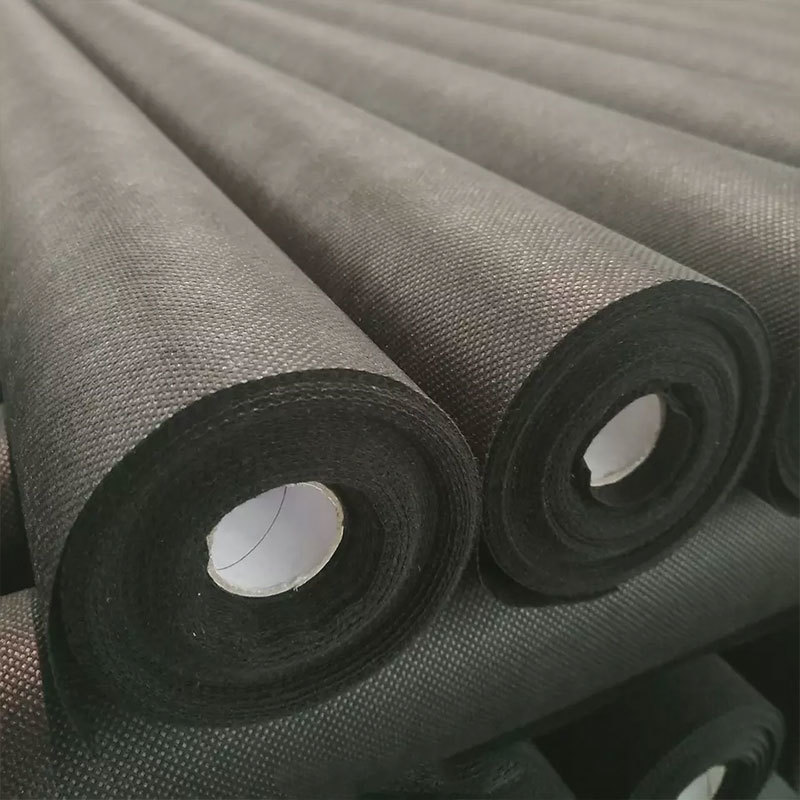
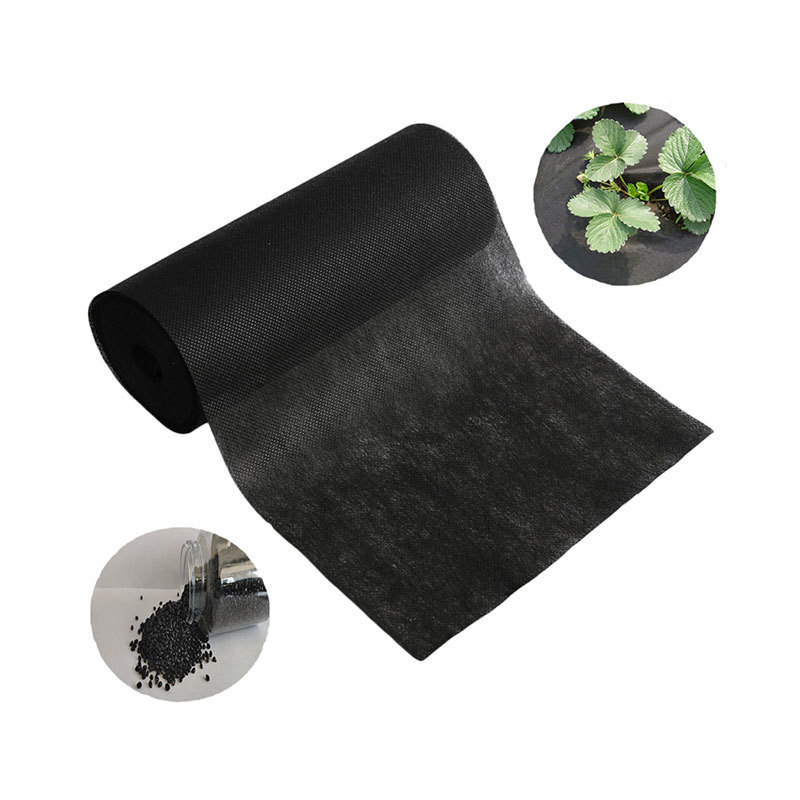
Polypropylene nonwoven fabric is a synthetic material created through the bonding of polypropylene fibers without weaving. This unique manufacturing process results in a versatile, lightweight, and durable fabric that has gained popularity for various applications.
The Manufacturing Process of Polypropylene Nonwoven Fabrics
The production of polypropylene nonwoven fabrics involves several methods, including spunbonding, meltblowing, and needle punching. These processes allow for the creation of fabrics with varying thicknesses, textures, and strength levels. The key stages include:
- **Spunbonding**: This method involves extruding molten polypropylene through spinnerets to form a web of continuous filaments that are then bonded together.
- **Meltblowing**: In this technique, polypropylene is melted and then blown through a nozzle, creating fine fibers that are collected on a conveyor belt to form a web.
- **Needle Punching**: This involves mechanically entangling fibers to create a dense fabric, adding strength and durability.
Properties of Polypropylene Nonwoven Fabric
Polypropylene nonwoven fabrics possess several inherent properties that make them advantageous for various applications:
- **Lightweight and Flexible**: These fabrics are considerably lighter than traditional woven materials, making them easier to handle and transport.
- **Breathability**: Nonwoven fabrics allow air circulation, which is essential for applications like medical masks and protective clothing.
- **Water Resistance**: Polypropylene is naturally hydrophobic, making nonwoven fabrics resistant to moisture and suitable for outdoor applications.
- **Cost-Effectiveness**: The manufacturing process of nonwoven fabrics is often more economical, resulting in lower production costs.
Traditional Fabrics: A Closer Look
Traditional fabrics, such as cotton, wool, and polyester, are woven or knitted materials that have been used for centuries. These fabrics are characterized by their unique textures, breathability, and ability to hold dyes and prints effectively.
Common Types of Traditional Fabrics
Some of the most popular traditional fabrics include:
- **Cotton**: Known for its softness and breathability, cotton is a natural fiber that is comfortable to wear.
- **Wool**: A natural insulator, wool is ideal for colder climates due to its warmth and moisture-wicking properties.
- **Polyester**: A synthetic fiber known for its durability and resistance to wrinkles, polyester is widely used in clothing and home textiles.
Key Characteristics of Traditional Fabrics
Traditional fabrics offer several benefits, including:
- **Aesthetic Appeal**: The texture and drape of woven fabrics provide a luxurious feel and appearance.
- **Dye Affinity**: Traditional fabrics tend to absorb dyes better, allowing for vibrant colors and intricate patterns.
- **Comfort**: Natural fibers like cotton and wool offer breathability and comfort, making them ideal for clothing.
Comparative Analysis: Polypropylene Nonwoven Fabrics vs. Traditional Fabrics
When comparing polypropylene nonwoven fabrics to traditional fabrics, it’s essential to consider various factors such as performance, durability, cost, and environmental impact.
Performance Characteristics
**Polypropylene Nonwoven Fabrics**:
- Excellent performance in moisture management and breathability, particularly in medical and protective applications.
- High resistance to chemicals and degradation, making them suitable for industrial use.
**Traditional Fabrics**:
- Superior aesthetic qualities and comfort but may lack the moisture-wicking properties of nonwoven fabrics.
- Varied performance based on the material; for example, cotton excels in breathability but can absorb moisture and may require more maintenance.
Durability and Longevity
**Polypropylene Nonwoven Fabrics**:
- Generally more durable and resistant to wear and tear, making them ideal for disposable applications.
- Fabric integrity remains intact even after extensive use, particularly in industrial settings.
**Traditional Fabrics**:
- While some materials like polyester are durable, natural fibers may degrade faster under harsh conditions.
- Depending on the fabric, traditional textiles may require more care to maintain their appearance and performance.
Cost Considerations
**Polypropylene Nonwoven Fabrics**:
- Typically more cost-effective due to lower production costs and the ability to produce large volumes quickly.
- Often used for single-use applications, which can lead to lower overall costs in specific industries.
**Traditional Fabrics**:
- Generally more expensive due to the complexity of the weaving process and the sourcing of natural fibers.
- Higher initial investment but often provide greater longevity in certain applications.
Environmental Impact
**Polypropylene Nonwoven Fabrics**:
- Although polypropylene is a synthetic material, advancements in recycling technologies are making it more sustainable.
- The lightweight nature of nonwoven fabrics can contribute to lower transportation emissions.
**Traditional Fabrics**:
- Natural fabrics like cotton and wool can be biodegradable, but conventional farming practices may involve pesticides and high water usage.
- Sustainable practices are being adopted within the industry to mitigate environmental concerns.
Applications of Polypropylene Nonwoven Fabrics
Polypropylene nonwoven fabrics are increasingly utilized in various sectors due to their unique properties. Some common applications include:
- **Medical Supplies**: Used in surgical gowns, masks, and drapes due to their sterility and barrier properties.
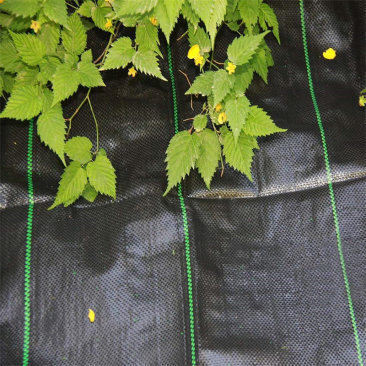
- **Geotextiles**: Employed in civil engineering for soil stabilization and erosion control.
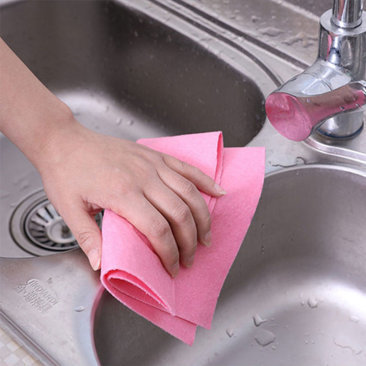
- **Personal Care Products**: Used in diapers, feminine hygiene products, and wet wipes for their absorbency and softness.
Applications of Traditional Fabrics
Traditional fabrics continue to play a vital role in multiple industries, including:
- **Fashion and Apparel**: Cotton, silk, and wool are staples in clothing due to their comfort and aesthetic appeal.
- **Home Textiles**: Used in upholstery, curtains, and bedding for their diverse textures and colors.
- **Outdoor Gear**: Fabrics like nylon and polyester are common in outdoor equipment for their durability and weather resistance.
Challenges and Limitations of Each Fabric Type
Both polypropylene nonwoven fabrics and traditional fabrics come with their own set of challenges.
Limitations of Polypropylene Nonwoven Fabrics
- Limited aesthetic appeal compared to traditional woven fabrics.
- Not suitable for high-end fashion applications due to their lack of texture and drape.
Limitations of Traditional Fabrics
- Natural fabrics may require more maintenance and care to retain their appearance.
- Vulnerability to wear and tear, particularly in harsh environments or industrial applications.
Future Trends in Nonwoven and Traditional Fabric Industries
As technology continues to advance, the textile industry is evolving. Innovations in sustainable materials and production methods are shaping the future landscape for both polypropylene nonwoven fabrics and traditional fabrics.
Emerging Technologies in Nonwoven Fabrics
- Increased research into biodegradable nonwoven materials and recycling processes.
- Enhanced production techniques that allow for customization and functional properties.
Innovations in Traditional Fabrics
- Growing interest in organic and sustainably sourced fibers.
- Advances in dyeing processes that reduce water usage and environmental impact.
Conclusion
In summary, the comparison between **polypropylene nonwoven fabric** and traditional fabrics highlights significant differences in performance, durability, cost, and applications. While polypropylene nonwoven fabrics offer excellent attributes for specific uses like medical and industrial applications, traditional fabrics maintain their appeal in fashion and home textiles due to their aesthetic qualities and comfort. Understanding these differences is crucial for anyone looking to make informed choices in the textile industry. As both fabric types continue to evolve, embracing innovation and sustainability will play a vital role in shaping the future of textiles.
FAQs
1. What is polypropylene nonwoven fabric used for?
Polypropylene nonwoven fabric is commonly used in medical supplies, personal care products, geotextiles, and disposable items.
2. Is polypropylene nonwoven fabric environmentally friendly?
While polypropylene is a synthetic material, advancements in recycling technologies are making it more sustainable, though its environmental impact is still a consideration.
3. How does the cost of polypropylene nonwoven fabric compare to traditional fabrics?
Polypropylene nonwoven fabrics are typically more cost-effective due to lower production costs, while traditional fabrics can be more expensive depending on the material.
4. Can polypropylene nonwoven fabric be recycled?
Yes, polypropylene nonwoven fabric can be recycled, and there are increasing efforts to enhance recycling technologies within the industry.
5. What are the advantages of traditional fabrics over nonwoven fabrics?
Traditional fabrics offer superior aesthetic appeal, comfort, and dye affinity, making them preferable for fashion and home textile applications.
nonwoven fabric polypropylene

LEAVE A MESSAGE
MESSAGE