



14
2025
-
11
Permeable Landscape Fabric: A Key Component in Site Preparation
Permeable Landscape Fabric: A Key Component in Site Preparation Introduction to Permeable Landscape Fabric Permeable landscape fabric is a vital material utilized in various landscaping and construction projects. This innovative product serves multiple purposes, primarily focusing on enhancing soil management and ensuring effective drainage. As land development continues to grow, understanding the

Permeable Landscape Fabric: A Key Component in Site Preparation
Introduction to Permeable Landscape Fabric
Permeable landscape fabric is a vital material utilized in various landscaping and construction projects. This innovative product serves multiple purposes, primarily focusing on enhancing soil management and ensuring effective drainage. As land development continues to grow, understanding the advantages and applications of permeable landscape fabric becomes increasingly crucial for homeowners, landscapers, and construction professionals alike.
The Importance of Site Preparation in Landscaping
Effective site preparation is fundamental to any landscaping project. It paves the way for successful plant growth, minimizes erosion, and enhances water management. When preparing a site, ensuring that the soil has the right structure and composition is key. Permeable landscape fabric offers a solution to several challenges that arise during this process.
Understanding Permeable Landscape Fabric
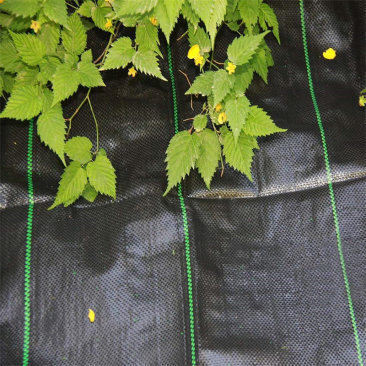
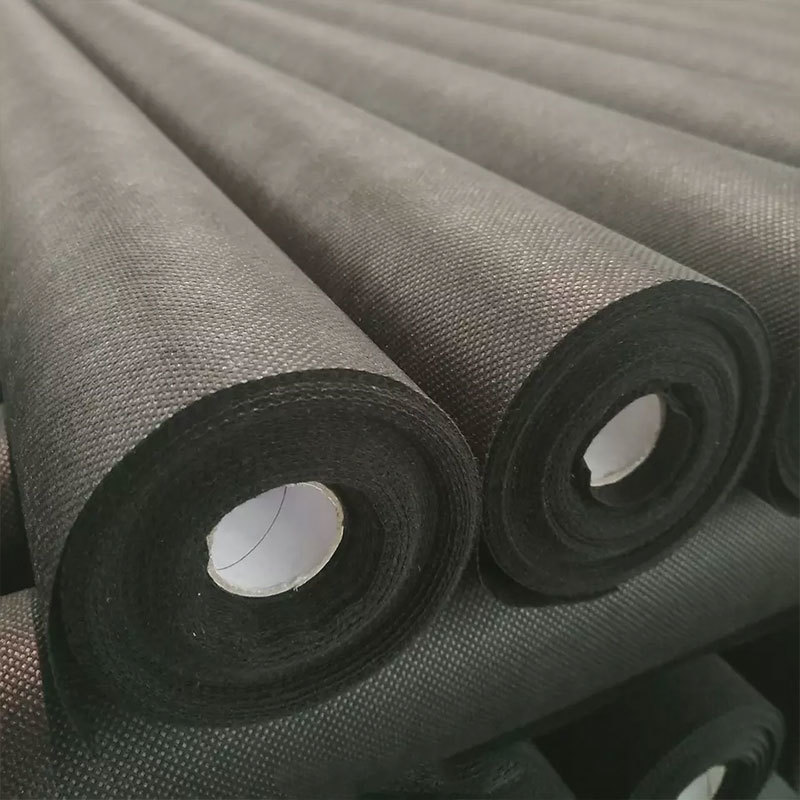
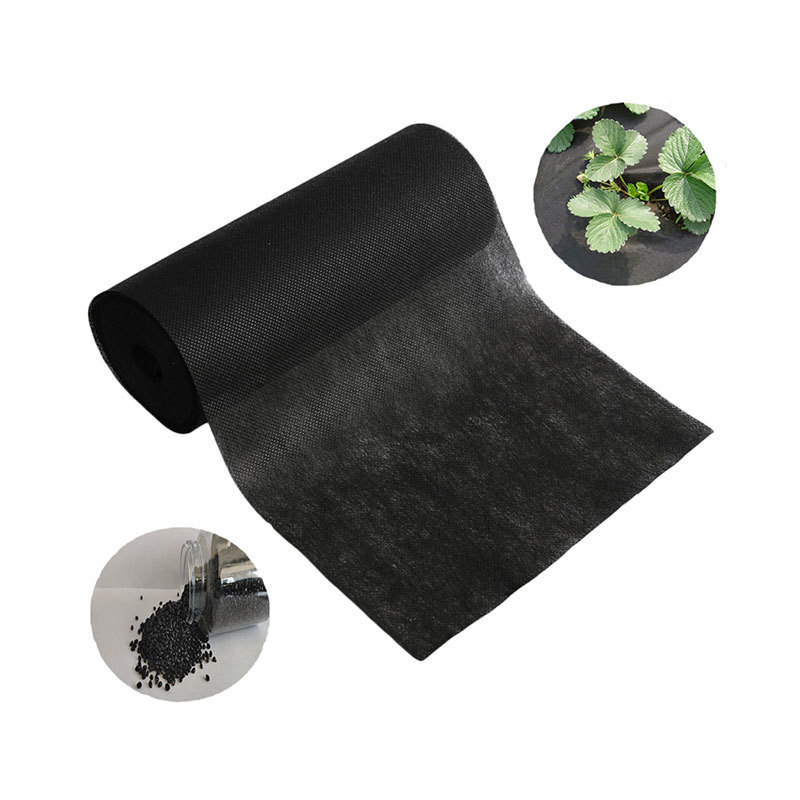
Permeable landscape fabric is designed to allow water, nutrients, and air to pass through while effectively blocking weeds and unwanted vegetation. This characteristic makes it an ideal choice for various landscaping applications. Typically made from synthetic fibers, this fabric provides durability and longevity, ensuring that it stands up to the elements over time.
Benefits of Using Permeable Landscape Fabric
When incorporating permeable landscape fabric into site preparation, several benefits arise:
1. Enhanced Drainage
One of the primary advantages of permeable landscape fabric is its ability to facilitate drainage. By allowing water to seep through while retaining soil, it helps prevent waterlogging and encourages healthy root development.
2. Erosion Control
Erosion can be a significant concern, especially on slopes or areas with loose soil. The fabric acts as a barrier, holding soil in place and minimizing the risk of erosion during heavy rainfall or wind events.
3. Weed Suppression
Weeds can compete with desired plants for nutrients and water. Permeable landscape fabric effectively inhibits weed growth by blocking sunlight while still allowing essential moisture and nutrients to reach the soil.
4. Improved Soil Structure
By using permeable landscape fabric, the quality of the soil improves over time. The fabric allows for aeration and the exchange of nutrients, resulting in healthier, more robust plants.
5. Versatility in Applications
This fabric can be utilized in a variety of settings, including gardens, pathways, and retaining walls. Its versatility makes it a go-to choice for many landscaping projects.
Types of Permeable Landscape Fabric
Not all permeable landscape fabrics are created equal. Understanding the various types available can help select the best option for your project.
1. Woven Landscape Fabric
Woven landscape fabric is created by weaving together multiple strands of polypropylene or polyester fibers. This type of fabric offers excellent strength and durability and is ideal for heavy-duty applications.
2. Non-Woven Landscape Fabric
Non-woven fabrics are produced by bonding fibers together through heat or chemical processes. These fabrics are typically more porous than woven options, allowing for greater water flow and are best suited for light-duty applications.
3. Biodegradable Landscape Fabric
For those looking to minimize their environmental impact, biodegradable landscape fabrics made from natural materials are available. These fabrics decompose over time, adding organic matter to the soil.
How to Install Permeable Landscape Fabric
Proper installation of permeable landscape fabric is crucial for achieving the desired results. Below are the steps to follow:
1. Site Preparation
Begin by clearing the area of debris, rocks, and existing vegetation. Level the ground to create a smooth surface for installation.
2. Measure and Cut
Measure the dimensions of the area where you will be installing the fabric. Cut the permeable landscape fabric to size, ensuring it overlaps any adjacent pieces by a minimum of 12 inches.
3. Secure the Fabric
Use landscape staples or pins to secure the edges of the fabric to the ground. This will help prevent shifting during installation and ensure it remains in place.
4. Add Soil or Mulch
After securing the fabric, add a layer of soil or mulch on top to help hold it in place. Ensure that the covering is deep enough to provide insulation and nutrients for plants.
5. Planting
When planting, cut slits in the fabric to create openings for your plants or seeds. Ensure that the fabric stays in place as you work.
Maintaining Permeable Landscape Fabric
To maximize the effectiveness of permeable landscape fabric, proper maintenance is necessary.
1. Regular Inspections
Conduct regular inspections to check for tears, rips, or signs of wear. Address any issues promptly to maintain the integrity of the fabric.
2. Remove Debris
Keep the area free of debris, such as fallen leaves or branches, to prevent blockage of the fabric’s pores.
3. Monitor Plant Growth
Keep an eye on the plants growing in the area. Ensure they are thriving and that the fabric continues to serve its purpose.
Applications of Permeable Landscape Fabric
Permeable landscape fabric can be employed in various landscaping and construction applications, including:
1. Garden Beds
In garden beds, permeable landscape fabric helps create a controlled environment for plants while preventing weed growth and retaining moisture.
2. Pathways and Walkways
For pathways, the fabric allows for proper drainage while providing a stable surface for walking. It can also prevent weeds from breaking through the surface.
3. Retaining Walls
When constructing retaining walls, permeable landscape fabric can be used behind the wall to facilitate drainage, reducing hydrostatic pressure and preventing wall failure.
4. Erosion Control Projects
In areas prone to erosion, such as slopes, the fabric can help stabilize soil and prevent washouts.
5. Drainage Systems
In drainage systems, permeable landscape fabric can filter sediment and debris, allowing for smoother water flow.
Frequently Asked Questions (FAQs)
1. Can permeable landscape fabric be used under gravel driveways?
Yes, permeable landscape fabric is ideal for use under gravel driveways as it helps prevent weed growth while allowing water to flow through.
2. How long does permeable landscape fabric last?
The lifespan of permeable landscape fabric varies based on the material used, but most high-quality options can last between 5 to 10 years.
3. Is permeable landscape fabric environmentally friendly?
Many permeable landscape fabrics are made from recycled materials, and some biodegradable options decompose over time, making them eco-friendly choices.
4. How do I know which type of permeable landscape fabric to choose?
Consider the specific needs of your project, including soil type, expected water flow, and plant types, to determine the best fabric option.
5. Can I use permeable landscape fabric for water features?
Yes, permeable landscape fabric can be used in water features to help control erosion and maintain soil stability around ponds or streams.
Conclusion
Incorporating permeable landscape fabric into site preparation is essential for achieving successful landscaping and construction projects. This versatile material offers numerous benefits, including enhanced drainage, erosion control, and weed suppression. By understanding its applications, installation methods, and maintenance practices, you can ensure a thriving landscape that meets your aesthetic and functional requirements. Whether you are a homeowner or a professional landscaper, permeable landscape fabric is a critical component in site preparation that should not be overlooked.
permeable landscape fabric

LEAVE A MESSAGE
MESSAGE