




15
2025
-
11
The Essential Guide to Garden Ground Cover Fabric: Benefits and Uses
Garden ground cover fabric, often referred to as landscape fabric or geotextile, plays a significant role in landscaping and construction by providing a variety of benefits. This permeable material is designed to control weeds, improve soil quality, and enhance water drainage, making it a popular choice for gardeners and contractors alike. One of the primary advantages of using garden ground cove

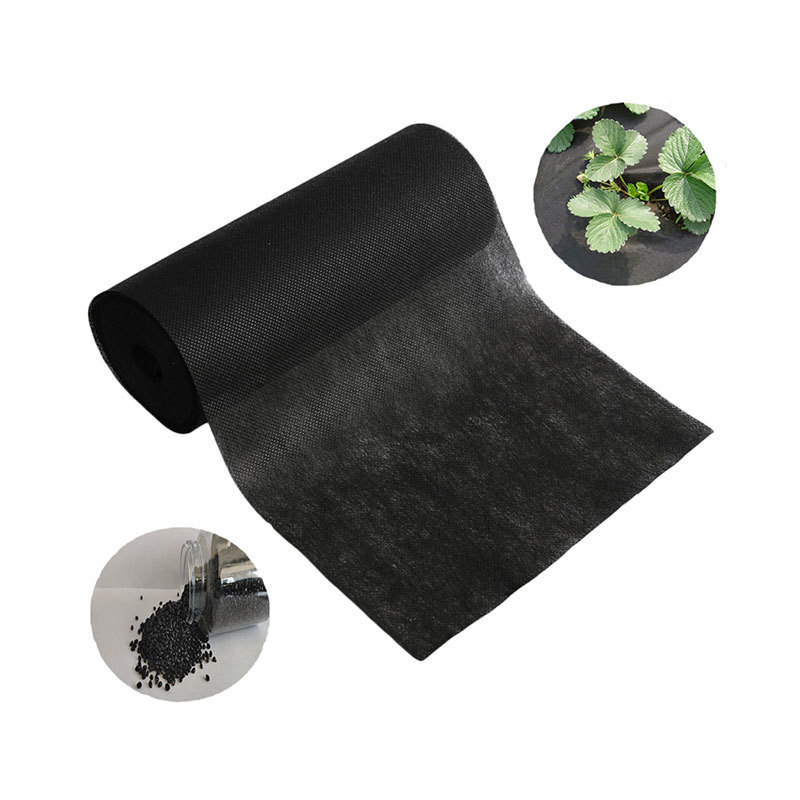
Garden ground cover fabric, often referred to as landscape fabric or geotextile, plays a significant role in landscaping and construction by providing a variety of benefits. This permeable material is designed to control weeds, improve soil quality, and enhance water drainage, making it a popular choice for gardeners and contractors alike.
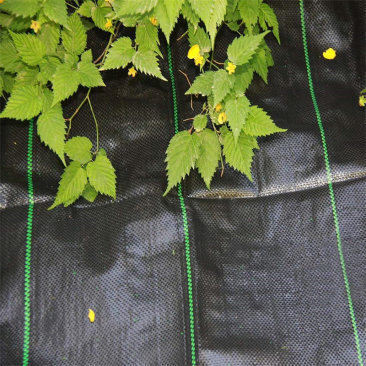
One of the primary advantages of using garden ground cover fabric is its ability to suppress weed growth. By laying down this fabric over soil, you create a barrier that blocks sunlight from reaching weed seeds, thereby reducing their ability to germinate and grow. This minimizes the need for herbicides, contributing to a more environmentally friendly gardening approach. In addition to weed control, the fabric allows air and water to pass through, ensuring that your plants receive the moisture and nutrients they need.
Another vital function of garden ground cover fabric is its role in erosion control. When installed on slopes or in areas prone to runoff, this fabric helps to stabilize the soil, preventing erosion caused by wind and water. This is especially useful in construction sites or landscaped areas where soil integrity is crucial.
In landscaping applications, garden ground cover fabric can be used under gravel, mulch, or decorative stones to create a polished look while maintaining soil health. It also helps to retain soil moisture, reducing the frequency of watering needed, which is beneficial for both home gardeners and large-scale landscaping projects.
When selecting garden ground cover fabric, consider factors such as material type, weight, and permeability. Different fabrics are designed for specific applications; for example, heavier fabrics may be more suitable for areas with heavy foot traffic or vehicles, while lighter options could work better in flower beds or around shrubs. Always ensure the fabric is UV-stabilized if it will be exposed to direct sunlight for extended periods, as this will prolong its lifespan.
Installation of garden ground cover fabric is relatively straightforward. Begin by clearing the area of existing vegetation and debris, then lay the fabric over the prepared soil, securing it with landscape staples or pins to prevent movement. Overlap edges as needed to ensure complete coverage, and consider adding a layer of mulch or stones on top for added aesthetics and further weed suppression.
In summary, garden ground cover fabric is a versatile and valuable addition to any landscaping or construction project. By choosing the right type and installing it correctly, you can effectively manage weeds, control erosion, and improve overall soil health, resulting in a thriving garden or construction site.
One of the primary advantages of using garden ground cover fabric is its ability to suppress weed growth. By laying down this fabric over soil, you create a barrier that blocks sunlight from reaching weed seeds, thereby reducing their ability to germinate and grow. This minimizes the need for herbicides, contributing to a more environmentally friendly gardening approach. In addition to weed control, the fabric allows air and water to pass through, ensuring that your plants receive the moisture and nutrients they need.
Another vital function of garden ground cover fabric is its role in erosion control. When installed on slopes or in areas prone to runoff, this fabric helps to stabilize the soil, preventing erosion caused by wind and water. This is especially useful in construction sites or landscaped areas where soil integrity is crucial.
In landscaping applications, garden ground cover fabric can be used under gravel, mulch, or decorative stones to create a polished look while maintaining soil health. It also helps to retain soil moisture, reducing the frequency of watering needed, which is beneficial for both home gardeners and large-scale landscaping projects.
When selecting garden ground cover fabric, consider factors such as material type, weight, and permeability. Different fabrics are designed for specific applications; for example, heavier fabrics may be more suitable for areas with heavy foot traffic or vehicles, while lighter options could work better in flower beds or around shrubs. Always ensure the fabric is UV-stabilized if it will be exposed to direct sunlight for extended periods, as this will prolong its lifespan.
Installation of garden ground cover fabric is relatively straightforward. Begin by clearing the area of existing vegetation and debris, then lay the fabric over the prepared soil, securing it with landscape staples or pins to prevent movement. Overlap edges as needed to ensure complete coverage, and consider adding a layer of mulch or stones on top for added aesthetics and further weed suppression.
In summary, garden ground cover fabric is a versatile and valuable addition to any landscaping or construction project. By choosing the right type and installing it correctly, you can effectively manage weeds, control erosion, and improve overall soil health, resulting in a thriving garden or construction site.
garden ground cover fabric

LEAVE A MESSAGE
MESSAGE