



21
2025
-
11
Understanding Polypropylene Nonwoven Fabric: Versatility and Applications
Polypropylene nonwoven fabric is a versatile material that has gained significant traction in the textile industry, particularly in the production of nonwoven products. This fabric is made from polypropylene fibers, a type of thermoplastic polymer, that are bonded together using mechanical, thermal, or chemical processes, rather than being woven or knitted. This results in a fabric that is lightwe

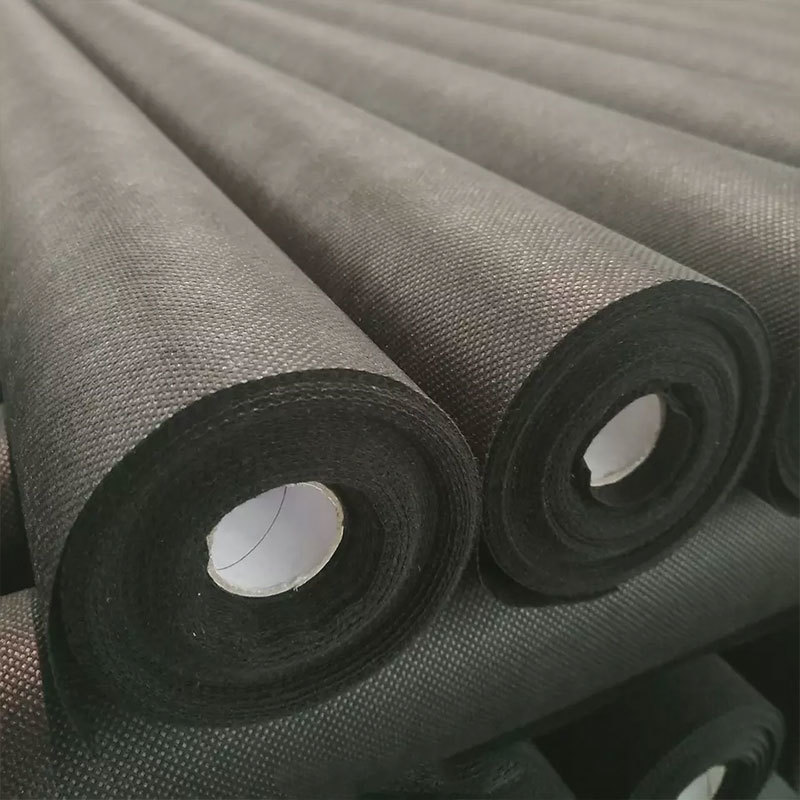
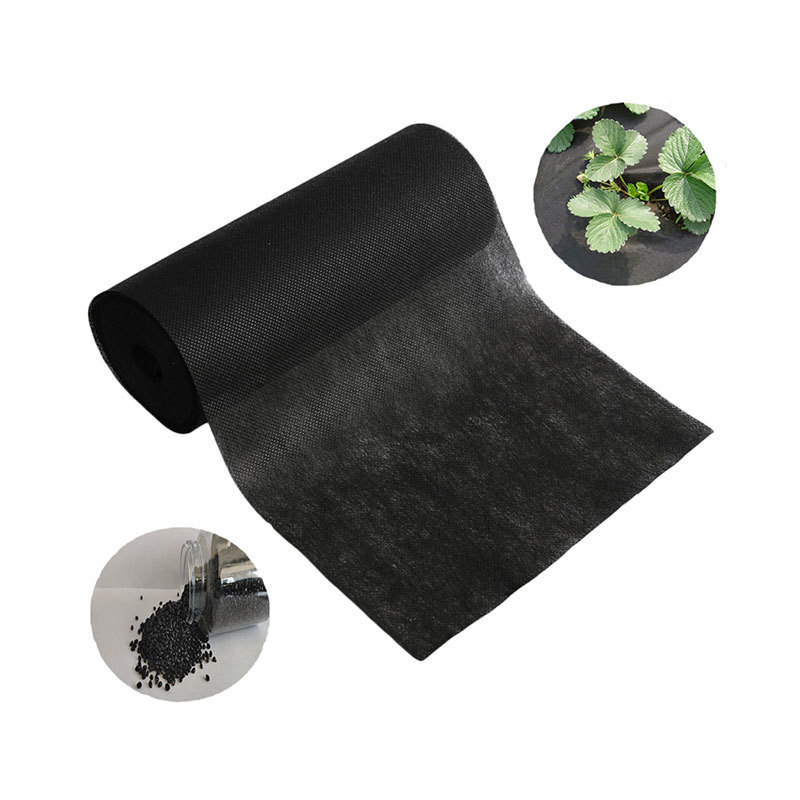
Polypropylene nonwoven fabric is a versatile material that has gained significant traction in the textile industry, particularly in the production of nonwoven products. This fabric is made from polypropylene fibers, a type of thermoplastic polymer, that are bonded together using mechanical, thermal, or chemical processes, rather than being woven or knitted. This results in a fabric that is lightweight, durable, and resistant to moisture, making it ideal for a wide range of applications.
One of the most notable features of polypropylene nonwoven fabric is its excellent strength-to-weight ratio. This characteristic allows manufacturers to create products that are both strong and lightweight, which is particularly beneficial in applications such as medical textiles, filtration, and geotextiles. For instance, in the medical field, polypropylene nonwoven fabrics are commonly used for surgical gowns, masks, and drapes due to their fluid resistance and breathability. The fabric's ability to provide a barrier while remaining breathable is crucial in preventing the spread of infection in clinical settings.
Another important aspect of polypropylene nonwoven fabric is its environmental profile. While traditional textiles often require significant water and energy inputs for production, nonwoven fabrics made from polypropylene can be produced with a lower environmental footprint. Additionally, many polypropylene nonwoven products are recyclable, contributing to a more sustainable approach in the textile industry. As sustainability becomes an increasing priority for consumers and manufacturers alike, the role of polypropylene nonwoven fabric is likely to grow.
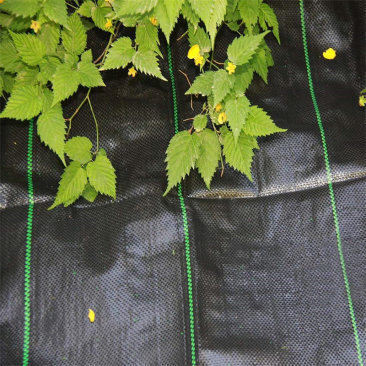
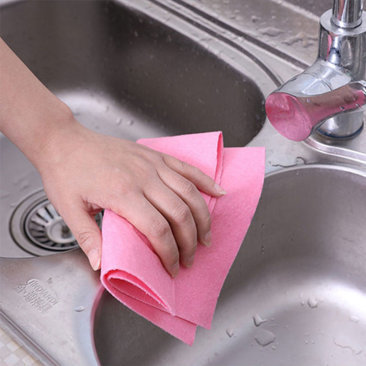
The versatility of polypropylene nonwoven fabric extends to various other sectors, including automotive, agriculture, and hygiene products. In the automotive industry, these fabrics are used for car interiors, sound insulation, and as components in air and cabin filters. In agriculture, polypropylene nonwovens serve as crop covers and weed control mats, providing protection and enhancing plant growth. In the hygiene sector, they are commonly found in diapers and feminine hygiene products, offering comfort and reliability.
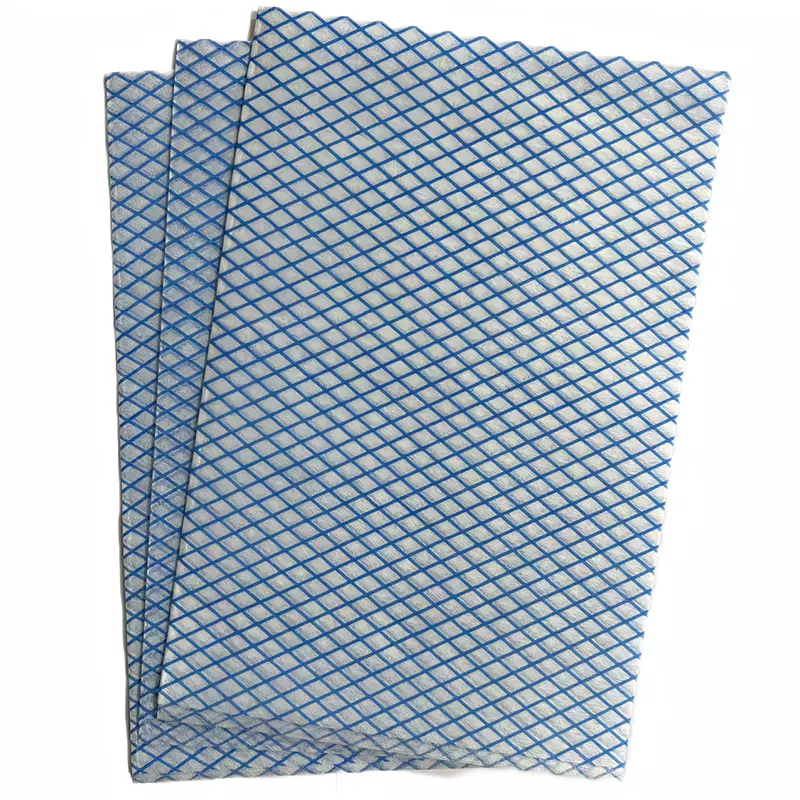
Furthermore, polypropylene nonwoven fabric can be easily dyed and printed, allowing for creative designs and customizations to meet specific market needs. This adaptability not only meets functional requirements but also aesthetic preferences, making it a favored choice among designers and manufacturers.
In summary, polypropylene nonwoven fabric stands out in the textile industry due to its unique properties, environmental benefits, and wide-ranging applications. As industries continue to innovate and prioritize sustainability, the role of polypropylene nonwoven fabric is set to expand, offering solutions that are both effective and environmentally responsible. Understanding these characteristics can help professionals in the textile sector leverage the advantages of this remarkable material.
One of the most notable features of polypropylene nonwoven fabric is its excellent strength-to-weight ratio. This characteristic allows manufacturers to create products that are both strong and lightweight, which is particularly beneficial in applications such as medical textiles, filtration, and geotextiles. For instance, in the medical field, polypropylene nonwoven fabrics are commonly used for surgical gowns, masks, and drapes due to their fluid resistance and breathability. The fabric's ability to provide a barrier while remaining breathable is crucial in preventing the spread of infection in clinical settings.
Another important aspect of polypropylene nonwoven fabric is its environmental profile. While traditional textiles often require significant water and energy inputs for production, nonwoven fabrics made from polypropylene can be produced with a lower environmental footprint. Additionally, many polypropylene nonwoven products are recyclable, contributing to a more sustainable approach in the textile industry. As sustainability becomes an increasing priority for consumers and manufacturers alike, the role of polypropylene nonwoven fabric is likely to grow.
The versatility of polypropylene nonwoven fabric extends to various other sectors, including automotive, agriculture, and hygiene products. In the automotive industry, these fabrics are used for car interiors, sound insulation, and as components in air and cabin filters. In agriculture, polypropylene nonwovens serve as crop covers and weed control mats, providing protection and enhancing plant growth. In the hygiene sector, they are commonly found in diapers and feminine hygiene products, offering comfort and reliability.
Furthermore, polypropylene nonwoven fabric can be easily dyed and printed, allowing for creative designs and customizations to meet specific market needs. This adaptability not only meets functional requirements but also aesthetic preferences, making it a favored choice among designers and manufacturers.
In summary, polypropylene nonwoven fabric stands out in the textile industry due to its unique properties, environmental benefits, and wide-ranging applications. As industries continue to innovate and prioritize sustainability, the role of polypropylene nonwoven fabric is set to expand, offering solutions that are both effective and environmentally responsible. Understanding these characteristics can help professionals in the textile sector leverage the advantages of this remarkable material.
Polypropylene nonwoven fabric

LEAVE A MESSAGE
MESSAGE