



22
2025
-
11
A Comprehensive Guide to Selecting the Perfect Spunbond Nonwoven Fabric for Your Project
A Comprehensive Guide to Selecting the Perfect Spunbond Nonwoven Fabric for Your Project In the world of textiles, spunbond nonwoven fabrics have carved out a significant niche due to their versatility and diverse applications. Whether you’re working on medical supplies, agricultural covers, or consumer goods, understanding how to choose the right spunbond nonwoven fabric is crucial. This guide pr

A Comprehensive Guide to Selecting the Perfect Spunbond Nonwoven Fabric for Your Project
In the world of textiles, spunbond nonwoven fabrics have carved out a significant niche due to their versatility and diverse applications. Whether you’re working on medical supplies, agricultural covers, or consumer goods, understanding how to choose the right spunbond nonwoven fabric is crucial. This guide provides a detailed examination of the factors influencing your selection, including material properties, manufacturing processes, and application-specific requirements.
Table of Contents
- Understanding Spunbond Nonwoven Fabric
- Key Properties of Spunbond Nonwoven Fabric
- Applications of Spunbond Nonwoven Fabric
- Choosing the Right Spunbond Nonwoven Fabric for Your Project
- Quality Assurance in Fabric Selection
- Environmental Impacts and Sustainability
- Cost Considerations When Selecting Fabric
- Frequently Asked Questions
- Conclusion
Understanding Spunbond Nonwoven Fabric
Spunbond nonwoven fabric is created through a process where continuous filaments are spun and bonded together, resulting in a robust, lightweight material. Unlike traditional woven fabrics, which consist of interlaced threads, nonwoven fabrics are engineered for specific functions, making them an ideal choice for a variety of applications. The manufacturing process involves melting polymers, which are then extruded through spinnerets to form filaments that are laid onto a conveyor belt. Once the fibers are laid out, they are bonded using thermal, chemical, or mechanical methods, creating a strong, durable fabric.
Key Properties of Spunbond Nonwoven Fabric
When selecting spunbond nonwoven fabric, understanding its properties is vital for ensuring it meets your project requirements. Here are the key characteristics to consider:
Durability
Spunbond fabrics are known for their high strength-to-weight ratio, making them resistant to tearing and puncturing. This durability is essential for applications such as geotextiles and medical supplies.
Air and Water Permeability
These fabrics often allow for air and moisture transfer, which is particularly beneficial in applications like agriculture, where plant health relies on proper ventilation and drainage.
Chemical Resistance
Spunbond nonwoven fabrics can be engineered to resist various chemicals, making them suitable for use in medical, automotive, and industrial applications.
Lightweight and Versatile
Their lightweight nature combined with the ability to be designed in various thicknesses makes spunbond fabrics adaptable to different applications.
Applications of Spunbond Nonwoven Fabric
Spunbond nonwoven fabrics find use across multiple industries due to their versatile properties. Here are some of the most common applications:
Medical Applications
In the healthcare sector, spunbond fabrics are used for surgical gowns, masks, and drapes due to their barrier properties and fluid resistance. The fabric's breathability and comfort are pivotal for both patient and medical staff safety.
Agricultural Uses
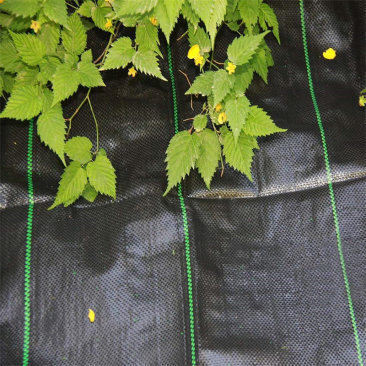
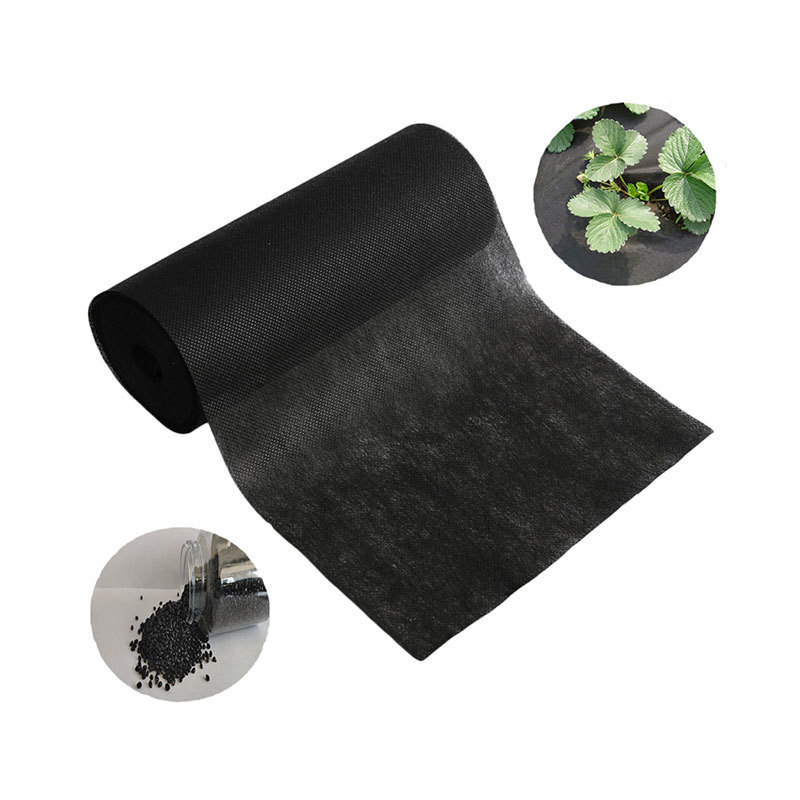
In agriculture, spunbond fabrics serve as protective covers for plants, helping to regulate temperature and protect against pests while allowing sunlight and moisture to penetrate. These fabrics contribute significantly to crop yield and quality.
Consumer Products
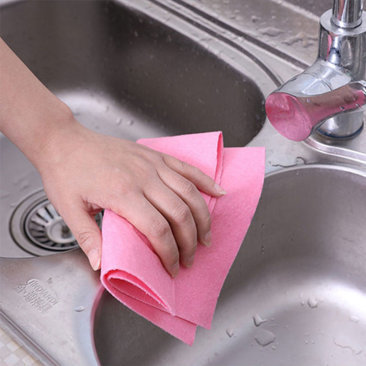
From disposable tablecloths to shopping bags, spunbond nonwoven fabric is increasingly used in consumer products because of its lightweight yet durable nature. The fabric's versatility allows for various designs and colors, appealing to consumers.
Industrial Applications
Industries utilize spunbond fabrics for filtration systems, insulation, and automotive components, owing to their strength and thermal properties. Their ability to resist wear and tear makes them ideal for long-term use in challenging environments.
Choosing the Right Spunbond Nonwoven Fabric for Your Project
Selecting the right type of spunbond nonwoven fabric involves a thorough understanding of your specific project requirements. Here are some critical considerations:
Assess Your Project Needs
Begin by identifying the specific requirements of your project. Consider factors such as strength, weight, and required barrier properties. Different applications may necessitate different fabric characteristics.
Material Composition
Spunbond fabrics are primarily made from polypropylene, although polyester and polyethylene options are also available. The choice of material affects the fabric's properties, including strength, chemical resistance, and thermal stability.
Fabric Weight
The weight of the fabric, usually measured in grams per square meter (gsm), influences its applications. Heavier fabrics provide greater durability, while lighter fabrics may be more suitable for disposable products.
Color and Aesthetic Considerations
For consumer products, the visual appeal of the fabric is vital. Spunbond fabrics are available in various colors and can be printed upon, allowing for branding and design flexibility.
Quality Assurance in Fabric Selection
Ensuring the quality of spunbond nonwoven fabric is essential for maintaining the integrity of your project. Here are steps to ensure quality assurance:
Supplier Credibility
Choose suppliers with a reputable history in the industry. Check for certifications and client testimonials to gauge reliability.
Sample Testing
Request samples to test the fabric's properties against your project requirements. This step can prevent costly mistakes later on.
Compliance with Standards
Ensure that the fabric complies with relevant industry standards, including safety regulations. This is particularly crucial for medical and food-related applications.
Environmental Impacts and Sustainability
As sustainability becomes increasingly important, considering the environmental impacts of your fabric choice is essential. Spunbond nonwoven fabrics can be produced using recycled materials, and many manufacturers are adopting eco-friendly practices. Evaluate your supplier's sustainability initiatives and opt for fabrics that minimize environmental harm.
Cost Considerations When Selecting Fabric
Cost is always a significant factor in material selection. Analyze your budget and compare pricing among different suppliers. Keep in mind that while cheaper options may seem appealing, they can result in higher costs down the line due to inferior performance or shorter lifespan.
Frequently Asked Questions
What is spunbond nonwoven fabric made from?
Spunbond nonwoven fabric is primarily made from polypropylene, but it can also be made from polyester or polyethylene depending on the intended application.
What are the key benefits of using spunbond nonwoven fabric?
Key benefits include durability, lightweight nature, air and water permeability, and versatility in various applications, making them suitable for medical, agricultural, and consumer uses.
How do I determine the right weight of spunbond fabric for my project?
The right weight depends on your specific application. Heavier fabrics offer greater durability, while lighter fabrics are ideal for disposable products.
Can spunbond nonwoven fabric be recycled?
Yes, many spunbond nonwoven fabrics can be recycled, especially those made from polypropylene. Always check with your supplier for specific recycling information.
What should I look for in a supplier of spunbond nonwoven fabric?
Look for suppliers with a reputable history, positive client testimonials, compliance with industry standards, and a commitment to sustainability.
Conclusion
Selecting the right spunbond nonwoven fabric for your project is a critical step that can significantly impact the success of your application. By understanding the properties, applications, and factors influencing your choice, you can make informed decisions that align with your specific needs. From medical uses to agricultural applications and consumer products, spunbond fabrics offer a versatile solution that can enhance performance and durability. We encourage you to explore your options, consider sustainability, and choose wisely to achieve the best results for your project.
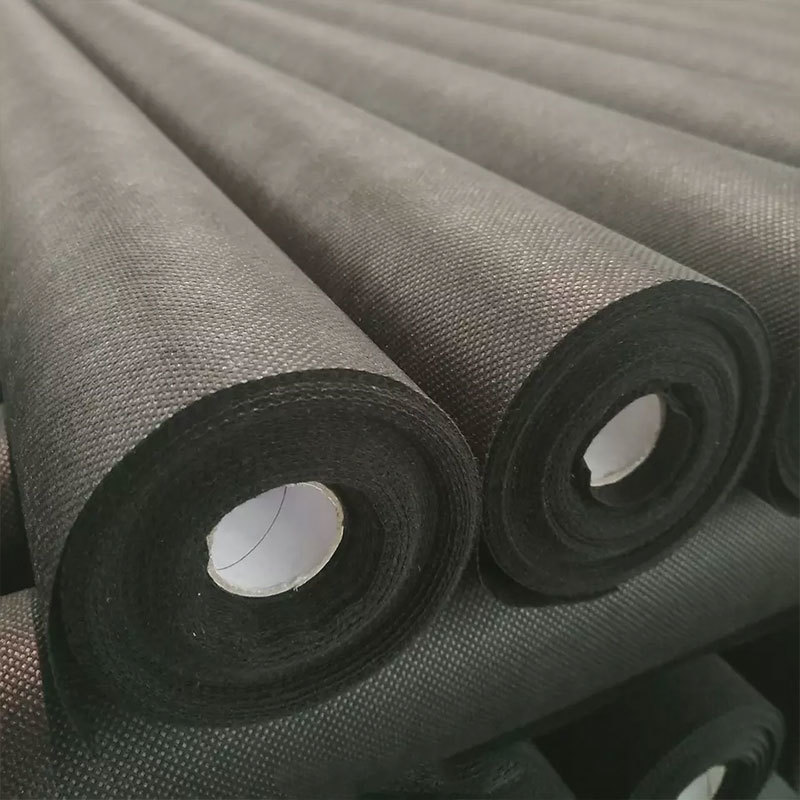
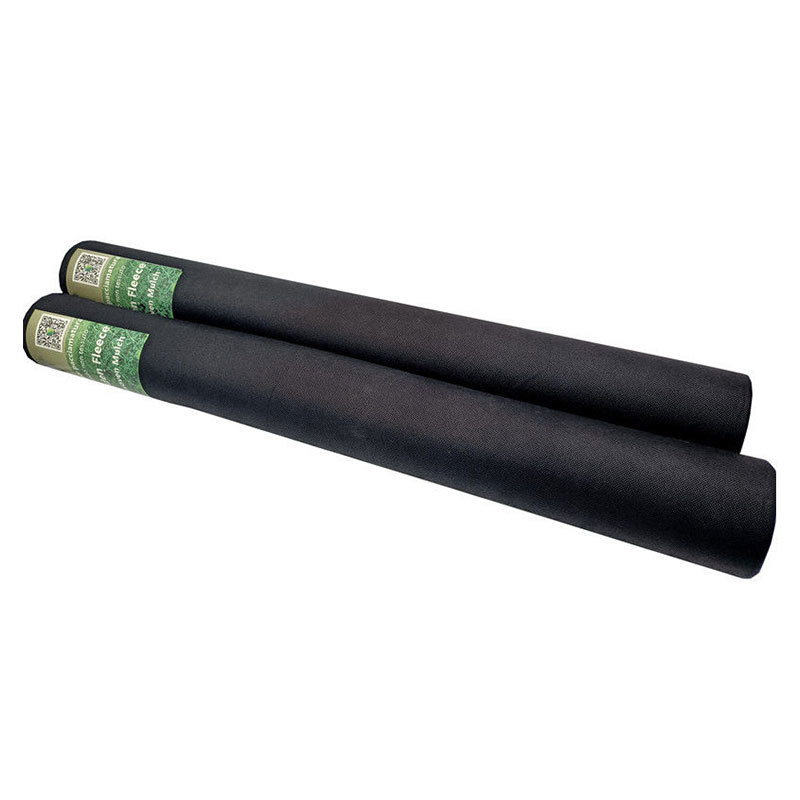
spunbond nonwoven fabric

LEAVE A MESSAGE
MESSAGE