



23
2025
-
11
Understanding Nonwoven Fabric Polypropylene: Key Insights and Applications
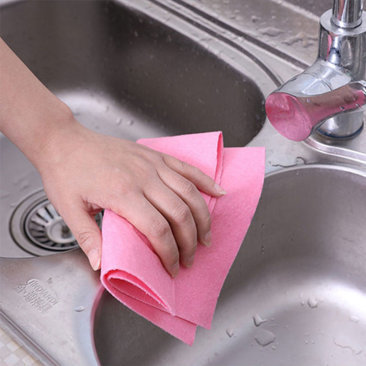
Nonwoven fabric polypropylene is a unique textile material that has gained considerable attention in various industries due to its versatile properties and applications. Unlike traditional woven fabrics, nonwoven fabrics are made by bonding fibers together through mechanical, thermal, or chemical processes. This results in a fabric that is not only lightweight but also strong and durable. One of t

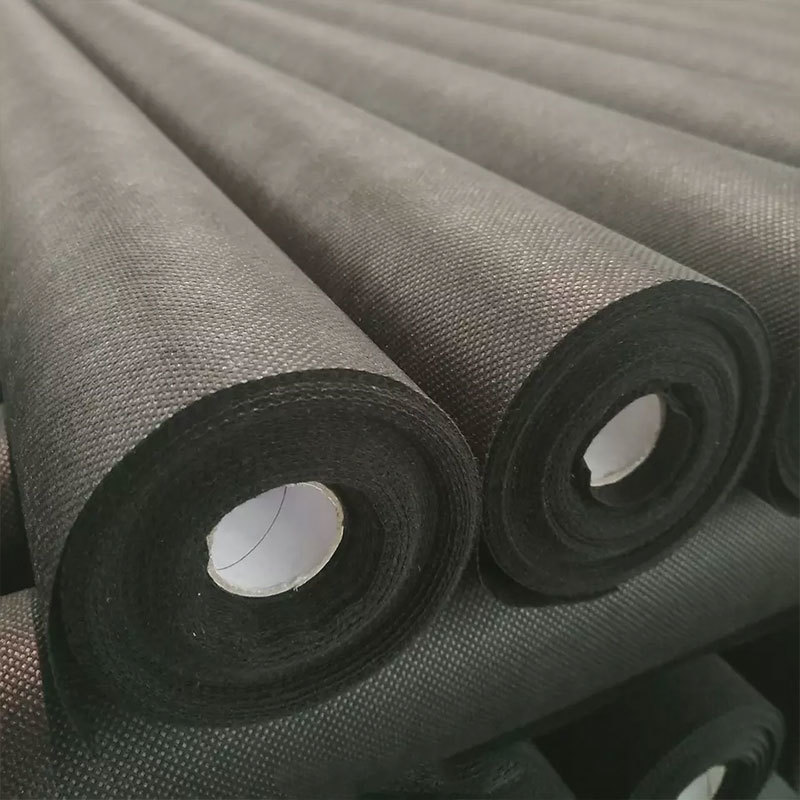
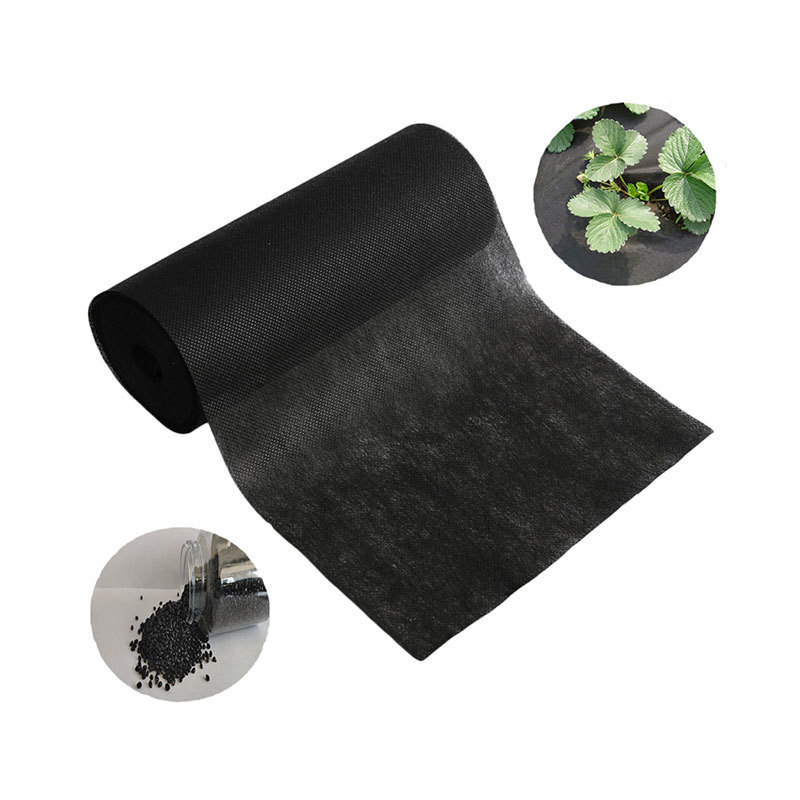
Nonwoven fabric polypropylene is a unique textile material that has gained considerable attention in various industries due to its versatile properties and applications. Unlike traditional woven fabrics, nonwoven fabrics are made by bonding fibers together through mechanical, thermal, or chemical processes. This results in a fabric that is not only lightweight but also strong and durable.
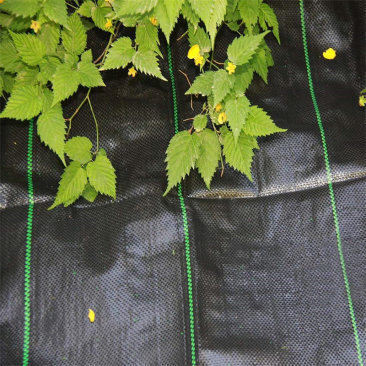
One of the primary advantages of nonwoven fabric polypropylene is its moisture resistance. This characteristic makes it suitable for applications where water or humidity is a concern, such as in medical supplies like surgical gowns and masks, as well as in agricultural products such as mulch mats and plant covers. The fabric's ability to repel water while remaining breathable enhances its usability in these settings.
Additionally, nonwoven fabric polypropylene is known for its cost-effectiveness and ease of production. The manufacturing process typically involves fewer steps than traditional textiles, which can lead to lower production costs. This efficiency, combined with the material's inherent strength, makes it an attractive option for manufacturers looking to reduce costs while maintaining quality.
In the automotive industry, nonwoven fabric polypropylene is utilized in various components, including upholstery, sound insulation, and trunk liners. The lightweight nature of the fabric contributes to overall vehicle efficiency, and its durability ensures long-lasting performance in demanding environments.
Furthermore, one of the growing applications of nonwoven fabric polypropylene is in the realm of personal hygiene products. From diapers to feminine hygiene products, the material’s softness and absorbency make it a preferred choice for manufacturers aiming to provide comfort and reliability.
The environmental impact of nonwoven fabric polypropylene is also an important consideration. Many manufacturers are increasingly focusing on sustainability, creating nonwoven fabrics that are recyclable or made from recycled materials. This shift not only helps in reducing waste but also aligns with the growing consumer demand for eco-friendly products.
In summary, nonwoven fabric polypropylene stands out as a versatile and practical material in the textile industry. Its unique properties, coupled with a wide range of applications across different sectors, make it an essential component for many products we use daily. Understanding its benefits and functionalities can help businesses leverage this innovative material effectively for their needs. As the demand for sustainable and cost-effective solutions continues to rise, nonwoven fabric polypropylene is poised to become even more significant in the future.
One of the primary advantages of nonwoven fabric polypropylene is its moisture resistance. This characteristic makes it suitable for applications where water or humidity is a concern, such as in medical supplies like surgical gowns and masks, as well as in agricultural products such as mulch mats and plant covers. The fabric's ability to repel water while remaining breathable enhances its usability in these settings.
Additionally, nonwoven fabric polypropylene is known for its cost-effectiveness and ease of production. The manufacturing process typically involves fewer steps than traditional textiles, which can lead to lower production costs. This efficiency, combined with the material's inherent strength, makes it an attractive option for manufacturers looking to reduce costs while maintaining quality.
In the automotive industry, nonwoven fabric polypropylene is utilized in various components, including upholstery, sound insulation, and trunk liners. The lightweight nature of the fabric contributes to overall vehicle efficiency, and its durability ensures long-lasting performance in demanding environments.
Furthermore, one of the growing applications of nonwoven fabric polypropylene is in the realm of personal hygiene products. From diapers to feminine hygiene products, the material’s softness and absorbency make it a preferred choice for manufacturers aiming to provide comfort and reliability.
The environmental impact of nonwoven fabric polypropylene is also an important consideration. Many manufacturers are increasingly focusing on sustainability, creating nonwoven fabrics that are recyclable or made from recycled materials. This shift not only helps in reducing waste but also aligns with the growing consumer demand for eco-friendly products.
In summary, nonwoven fabric polypropylene stands out as a versatile and practical material in the textile industry. Its unique properties, coupled with a wide range of applications across different sectors, make it an essential component for many products we use daily. Understanding its benefits and functionalities can help businesses leverage this innovative material effectively for their needs. As the demand for sustainable and cost-effective solutions continues to rise, nonwoven fabric polypropylene is poised to become even more significant in the future.
nonwoven fabric polypropylene

LEAVE A MESSAGE
MESSAGE