




30
2025
-
11
The Environmental Impact of Using Garden Ground Cover Fabric: A Comprehensive Analysis
The Environmental Impact of Using Garden Ground Cover Fabric Table of Contents 1. Introduction to Garden Ground Cover Fabric 2. Types of Garden Ground Cover Fabric 3. Benefits of Using Ground Cover Fabric in Gardening 4. Potential Drawbacks and Environmental Concerns 5. Sustainability of Ground Cover Fabrics 6. Best Practices for Using Ground Cover Fabric 7. Alternativ

The Environmental Impact of Using Garden Ground Cover Fabric
Table of Contents
- 1. Introduction to Garden Ground Cover Fabric
- 2. Types of Garden Ground Cover Fabric
- 3. Benefits of Using Ground Cover Fabric in Gardening
- 4. Potential Drawbacks and Environmental Concerns
- 5. Sustainability of Ground Cover Fabrics
- 6. Best Practices for Using Ground Cover Fabric
- 7. Alternative Solutions to Ground Cover Fabric
- 8. Conclusion
- 9. Frequently Asked Questions
1. Introduction to Garden Ground Cover Fabric
Garden ground cover fabric has become a popular choice among gardeners and landscapers for its ability to suppress weeds, retain soil moisture, and improve the aesthetic appeal of outdoor spaces. As environmental awareness grows, understanding the ecological implications of such materials is crucial. This article aims to explore the **environmental impact** of garden ground cover fabric, highlighting its benefits, potential drawbacks, sustainability concerns, and alternative solutions.
2. Types of Garden Ground Cover Fabric
When considering ground cover fabric, it is essential to recognize that various types are available, each with unique properties and environmental footprints.
2.1. Synthetic Fabrics
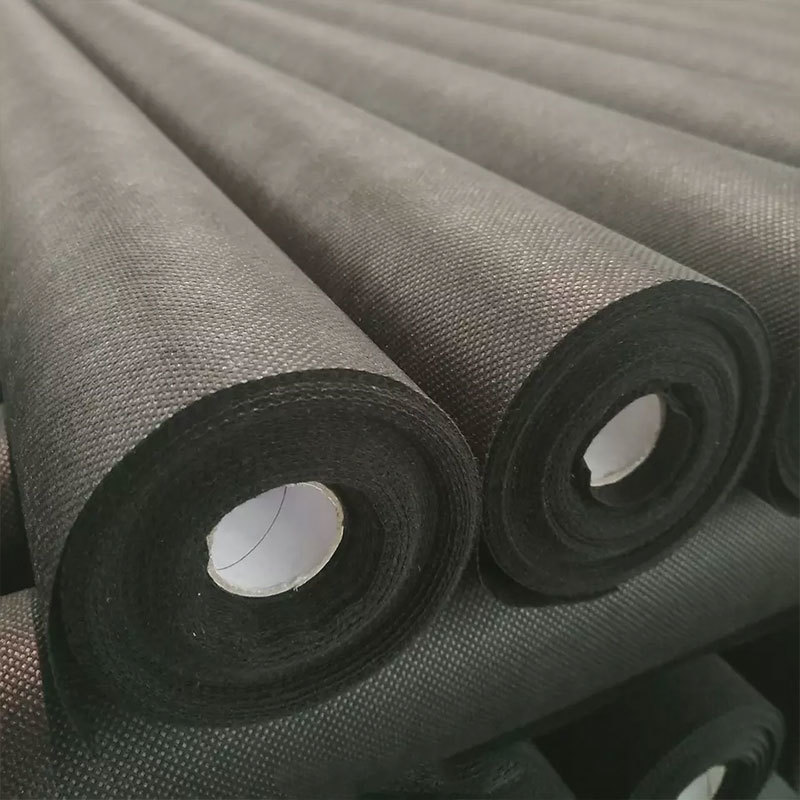
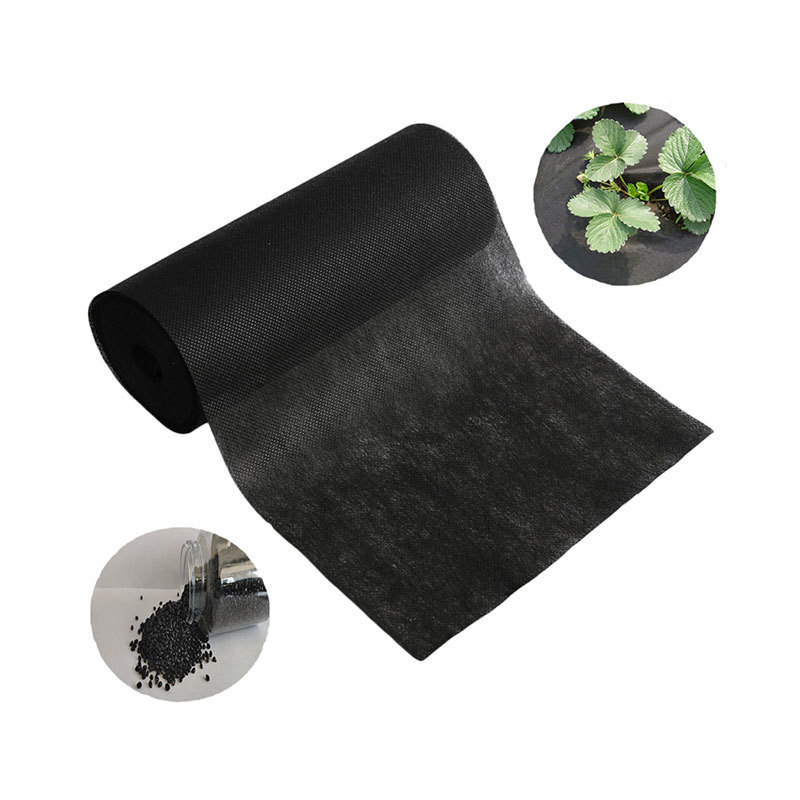
Synthetic ground cover fabrics, typically made from polypropylene or polyester, are designed for durability and effectiveness. These materials are often resistant to rot and degradation, making them popular in commercial gardening and landscaping.
2.2. Natural Fabrics
Natural ground cover fabrics, such as jute or coconut coir, provide a biodegradable alternative. These materials can decompose over time, replenishing the soil with nutrients, but they may not offer the same longevity as synthetic options.
2.3. Recycled Fabrics
Some manufacturers produce ground cover fabrics from recycled materials, combining durability with eco-friendly practices. This option helps reduce waste and may lower the overall environmental impact associated with fabric production.
3. Benefits of Using Ground Cover Fabric in Gardening
Utilizing garden ground cover fabric can yield numerous benefits, making it an attractive option for gardeners and landscapers alike.
3.1. Weed Suppression
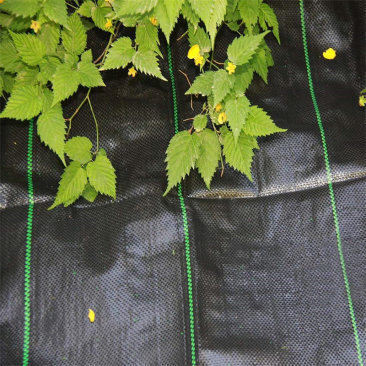
One of the primary advantages of ground cover fabric is its ability to suppress weeds effectively. By blocking sunlight, these materials inhibit weed growth, reducing the need for herbicides and manual weeding.
3.2. Soil Moisture Retention
Ground cover fabric aids in moisture retention by reducing evaporation. This quality can be particularly beneficial in regions with limited rainfall, helping plants thrive without excessive watering.
3.3. Erosion Control
In areas prone to erosion, ground cover fabric acts as a stabilizing agent, preventing soil runoff and degradation. This property contributes to maintaining healthy landscapes and preventing sedimentation in nearby waterways.
3.4. Aesthetic Appeal
Beyond functionality, ground cover fabric can enhance the visual appeal of garden spaces. When strategically placed, it can create clean lines and visually distinct areas, enriching the overall landscape design.
4. Potential Drawbacks and Environmental Concerns
Despite the advantages, using garden ground cover fabric comes with potential drawbacks that warrant consideration.
4.1. Longevity and Disposal Issues
Synthetic fabrics may last for years, but their durability also poses disposal challenges. Once these materials reach the end of their lifecycle, they can contribute to landfill waste and plastic pollution.
4.2. Soil Health Implications
Over time, ground cover fabric can hinder natural soil processes, potentially disrupting the soil ecosystem. The absence of organic matter and microbial activity may lead to diminished soil health.
4.3. Chemical Pollution
Some synthetic fabrics can leach harmful chemicals into the soil, particularly when exposed to UV light or extreme weather. This concern raises questions about the long-term safety of utilizing these materials in gardening.
5. Sustainability of Ground Cover Fabrics
The sustainability of garden ground cover fabric is a critical aspect to analyze in the context of environmental impact.
5.1. Eco-Friendly Alternatives
Opting for natural or recycled ground cover fabrics can significantly reduce the ecological footprint associated with gardening. These options often offer similar benefits while minimizing adverse effects on the environment.
5.2. Life Cycle Assessment
Conducting a life cycle assessment (LCA) of ground cover fabrics can provide insight into their overall environmental impact, from production through disposal. Understanding these metrics can guide consumers toward more sustainable choices.
6. Best Practices for Using Ground Cover Fabric
To maximize the benefits of garden ground cover fabric while minimizing environmental impact, it is essential to follow best practices.
6.1. Proper Installation Techniques
Ensuring proper installation is crucial to the effectiveness of ground cover fabric. It is vital to lay the fabric flat, avoiding wrinkles, and secure it adequately to prevent displacement by wind or water.
6.2. Regular Maintenance
While ground cover fabric can reduce maintenance, periodic checks for wear and tear are essential. Regular maintenance can extend the life of the fabric and mitigate any potential issues with soil health.
6.3. Responsibly Sourced Materials
Choosing ground cover fabrics from reputable manufacturers that prioritize sustainability can help reduce environmental impact. Look for certifications that indicate eco-friendly practices.
7. Alternative Solutions to Ground Cover Fabric
For those seeking alternatives to garden ground cover fabric, numerous options are available.
7.1. Mulching
Organic mulches, such as wood chips or straw, offer excellent weed suppression and moisture retention while improving soil health as they decompose.
7.2. Living Ground Covers
Planting living ground covers, such as clover or creeping thyme, can provide natural weed suppression, enhance biodiversity, and improve soil structure without the environmental concerns associated with synthetic fabrics.
7.3. Soil Improvement Practices
Practices like crop rotation, cover cropping, and composting can enhance soil health while reducing the need for ground cover fabrics altogether.
8. Conclusion
Garden ground cover fabric presents a dual-edged sword in the world of gardening and landscaping. While it offers significant benefits such as weed suppression, moisture retention, and erosion control, it also raises important environmental concerns related to sustainability and soil health. By carefully considering the types of materials used and adhering to best practices, gardeners can harness the advantages of ground cover fabric while minimizing its ecological footprint. Moreover, exploring alternative solutions can lead to more sustainable gardening practices, fostering a healthier environment for future generations.
9. Frequently Asked Questions
Q1: Can I use ground cover fabric in vegetable gardens?
A1: Yes, ground cover fabric can be used in vegetable gardens to suppress weeds and retain moisture. However, consider using biodegradable options to avoid long-term soil health issues.
Q2: How long does ground cover fabric last?
A2: The lifespan of ground cover fabric varies. Synthetic options can last several years, while natural fabrics may decompose within one to three years, depending on conditions.
Q3: Is ground cover fabric environmentally friendly?
A3: It depends on the type of material. Natural and recycled fabrics tend to have a lower environmental impact compared to synthetic options.
Q4: Can I compost used ground cover fabric?
A4: Most synthetic fabrics are not compostable and should be recycled or disposed of properly. Natural fabrics may be compostable, but it’s best to check the specific material.
Q5: What are some natural alternatives to ground cover fabric?
A5: Natural alternatives include organic mulch, living ground covers, and soil improvement practices like cover cropping and composting. These options can provide similar benefits without the environmental concerns associated with fabric.
garden ground cover fabric

LEAVE A MESSAGE
MESSAGE