




01
2025
-
12
The Essential Guide to Woven Ground Cover Fabric: Benefits and Applications
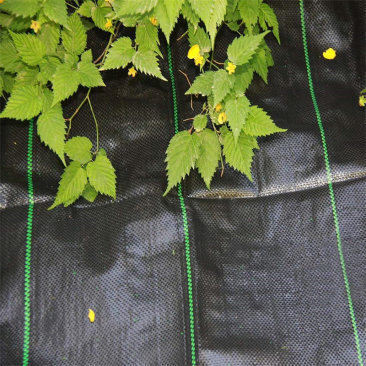
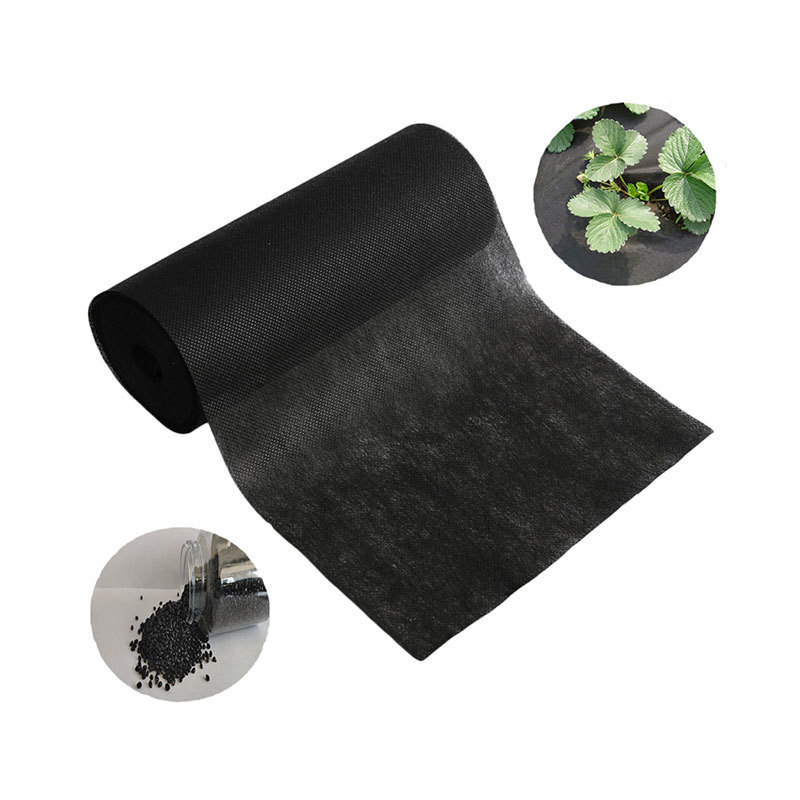
Woven ground cover fabric is an essential material in the construction and landscaping industries, known for its durability and functionality. This type of fabric is made through a process of weaving, which intertwines strands of material to create a sturdy yet flexible barrier. Its primary purpose is to control soil erosion, suppress weed growth, and provide stability to various surfaces. One of

Woven ground cover fabric is an essential material in the construction and landscaping industries, known for its durability and functionality. This type of fabric is made through a process of weaving, which intertwines strands of material to create a sturdy yet flexible barrier. Its primary purpose is to control soil erosion, suppress weed growth, and provide stability to various surfaces.
One of the standout features of woven ground cover fabric is its permeability. The fabric allows water and nutrients to penetrate the soil while blocking sunlight, which is a critical factor in preventing weed growth. This means that your landscaping efforts can focus on promoting the growth of desired plants without the constant battle against invasive weeds. By effectively managing weed populations, woven ground cover fabric contributes to healthier soil and better plant growth.
In construction applications, woven ground cover fabric is often utilized in the preparation of landscaping beds, under pathways, and around garden areas. Its robust nature makes it ideal for high-traffic areas, providing a reliable barrier that can withstand the weight and movement of foot traffic. Additionally, using ground cover fabric can help prevent soil compaction, which is essential for maintaining healthy soil structure.
Another significant benefit of woven ground cover fabric is its eco-friendliness. Many manufacturers offer options made from recycled materials, making it a sustainable choice for environmentally-conscious projects. This aligns with the growing trend in the construction industry to prioritize sustainability and reduce the environmental impact of building materials.
When it comes to installation, woven ground cover fabric is user-friendly. It can be easily cut to fit specific areas, and with the right stakes or pins, it can be secured effectively to prevent shifting. This ease of installation saves time and labor costs, making it a practical choice for both DIY enthusiasts and professional contractors.
Moreover, woven ground cover fabric is resistant to UV light, which ensures its longevity even when exposed to harsh weather conditions. This durability means that you won't have to replace the fabric frequently, leading to cost savings over time.
In summary, woven ground cover fabric is a versatile and effective solution for various construction and landscaping needs. Its benefits, including weed suppression, soil stabilization, and environmental friendliness, make it an indispensable material for anyone involved in building or beautifying outdoor spaces. Whether you are working on a large-scale construction project or a small garden renovation, incorporating woven ground cover fabric can significantly enhance your results and promote sustainable practices.
One of the standout features of woven ground cover fabric is its permeability. The fabric allows water and nutrients to penetrate the soil while blocking sunlight, which is a critical factor in preventing weed growth. This means that your landscaping efforts can focus on promoting the growth of desired plants without the constant battle against invasive weeds. By effectively managing weed populations, woven ground cover fabric contributes to healthier soil and better plant growth.
In construction applications, woven ground cover fabric is often utilized in the preparation of landscaping beds, under pathways, and around garden areas. Its robust nature makes it ideal for high-traffic areas, providing a reliable barrier that can withstand the weight and movement of foot traffic. Additionally, using ground cover fabric can help prevent soil compaction, which is essential for maintaining healthy soil structure.
Another significant benefit of woven ground cover fabric is its eco-friendliness. Many manufacturers offer options made from recycled materials, making it a sustainable choice for environmentally-conscious projects. This aligns with the growing trend in the construction industry to prioritize sustainability and reduce the environmental impact of building materials.
When it comes to installation, woven ground cover fabric is user-friendly. It can be easily cut to fit specific areas, and with the right stakes or pins, it can be secured effectively to prevent shifting. This ease of installation saves time and labor costs, making it a practical choice for both DIY enthusiasts and professional contractors.
Moreover, woven ground cover fabric is resistant to UV light, which ensures its longevity even when exposed to harsh weather conditions. This durability means that you won't have to replace the fabric frequently, leading to cost savings over time.
In summary, woven ground cover fabric is a versatile and effective solution for various construction and landscaping needs. Its benefits, including weed suppression, soil stabilization, and environmental friendliness, make it an indispensable material for anyone involved in building or beautifying outdoor spaces. Whether you are working on a large-scale construction project or a small garden renovation, incorporating woven ground cover fabric can significantly enhance your results and promote sustainable practices.
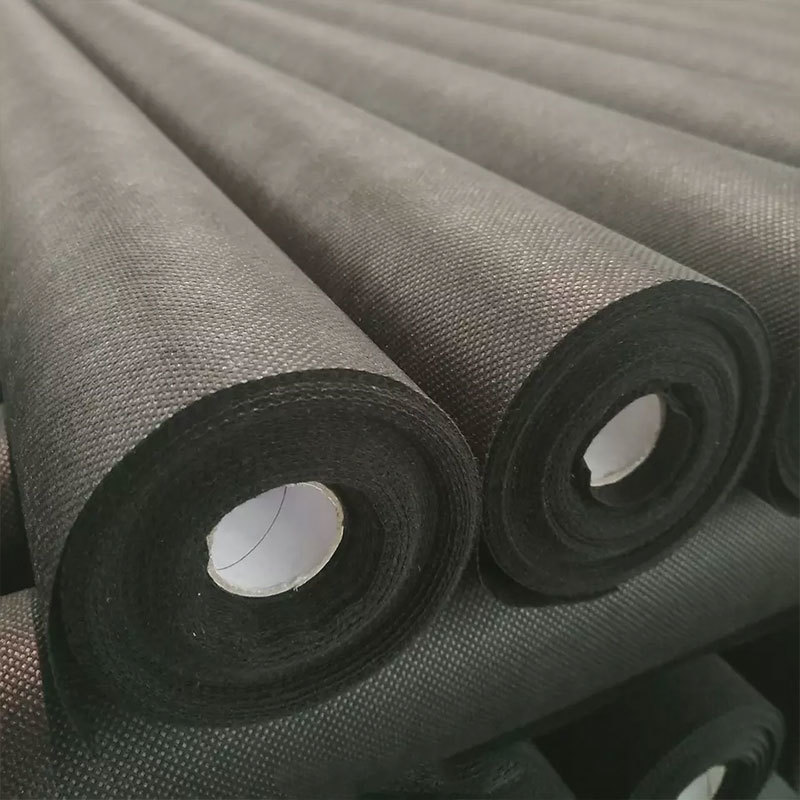
woven ground cover fabric

LEAVE A MESSAGE
MESSAGE