




03
2025
-
12
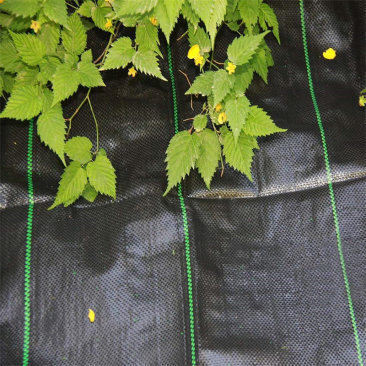
Enhancing Construction Sites with Ground Weed Control Fabric
Ground weed control fabric is a critical component in the construction and landscaping industries, particularly when it comes to managing vegetation on job sites. This specialized material serves as a barrier against unwanted weeds, allowing for more efficient project execution while also promoting environmental sustainability. Understanding the advantages and applications of ground weed control f

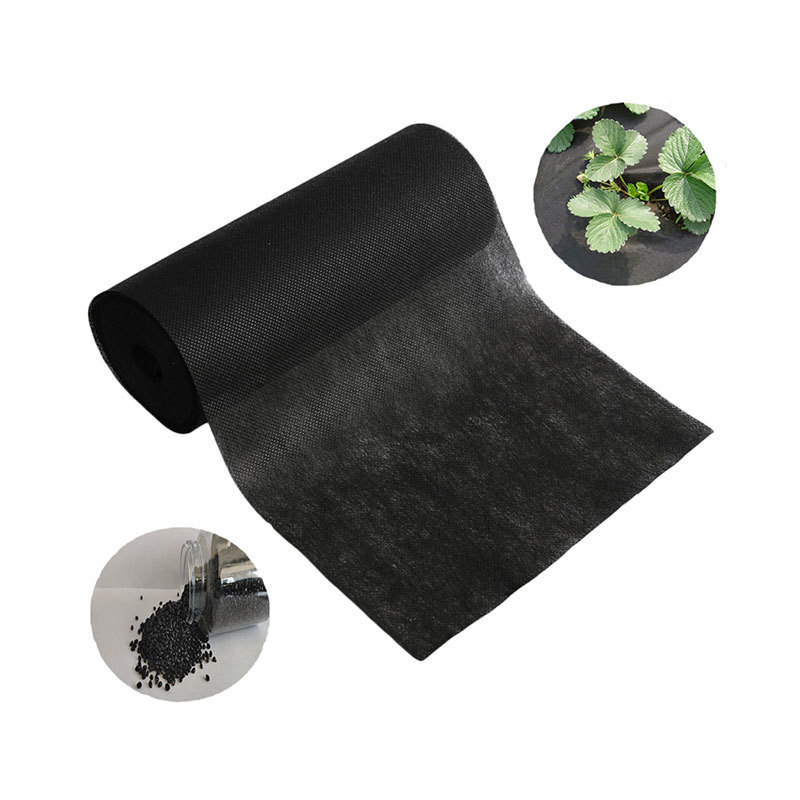
Ground weed control fabric is a critical component in the construction and landscaping industries, particularly when it comes to managing vegetation on job sites. This specialized material serves as a barrier against unwanted weeds, allowing for more efficient project execution while also promoting environmental sustainability. Understanding the advantages and applications of ground weed control fabric is essential for anyone involved in site preparation and maintenance.
One of the primary benefits of ground weed control fabric is its ability to suppress weed growth without the need for chemical herbicides. By employing this fabric, contractors can significantly reduce the labor and costs associated with manual weeding or chemical treatments. This not only saves time but also minimizes the environmental impact of construction activities, aligning with increasing eco-consciousness in the industry.
Moreover, ground weed control fabric is designed to allow water, air, and nutrients to penetrate the soil. This permeability ensures that the underlying plants and soil remain healthy and nourished, promoting better growth. It's particularly useful in landscaped areas where maintaining soil quality is essential for both aesthetic and functional purposes.
When selecting ground weed control fabric, one should consider factors such as the fabric's weight, durability, and UV resistance. Heavier fabrics offer more longevity and enhanced weed suppression, making them ideal for high-traffic areas or sites subjected to extreme weather conditions. On the other hand, lighter fabrics may be more suitable for temporary installations or less demanding environments.
Installation of ground weed control fabric is relatively straightforward, which adds to its appeal. Typically, the fabric is laid down over the soil, with edges overlapping to prevent weeds from sprouting through seams. It can be anchored with landscape staples or covered with mulch for added stability and aesthetic appeal. This makes it an accessible solution for both professionals and DIY enthusiasts.
In addition to its primary function of weed control, this fabric can also aid in soil erosion prevention, especially in sloped areas. By stabilizing the soil and reducing runoff, it contributes to a more sustainable site management strategy.
In conclusion, incorporating ground weed control fabric into construction and landscaping practices yields numerous benefits. It enhances site efficiency by reducing weed competition, improves soil health, and supports environmental sustainability. As the industry continues to evolve toward more eco-friendly practices, understanding and utilizing such materials will be crucial for success. By employing ground weed control fabric, professionals can ensure that their projects not only meet aesthetic standards but also adhere to responsible environmental practices.
One of the primary benefits of ground weed control fabric is its ability to suppress weed growth without the need for chemical herbicides. By employing this fabric, contractors can significantly reduce the labor and costs associated with manual weeding or chemical treatments. This not only saves time but also minimizes the environmental impact of construction activities, aligning with increasing eco-consciousness in the industry.
Moreover, ground weed control fabric is designed to allow water, air, and nutrients to penetrate the soil. This permeability ensures that the underlying plants and soil remain healthy and nourished, promoting better growth. It's particularly useful in landscaped areas where maintaining soil quality is essential for both aesthetic and functional purposes.
When selecting ground weed control fabric, one should consider factors such as the fabric's weight, durability, and UV resistance. Heavier fabrics offer more longevity and enhanced weed suppression, making them ideal for high-traffic areas or sites subjected to extreme weather conditions. On the other hand, lighter fabrics may be more suitable for temporary installations or less demanding environments.
Installation of ground weed control fabric is relatively straightforward, which adds to its appeal. Typically, the fabric is laid down over the soil, with edges overlapping to prevent weeds from sprouting through seams. It can be anchored with landscape staples or covered with mulch for added stability and aesthetic appeal. This makes it an accessible solution for both professionals and DIY enthusiasts.
In addition to its primary function of weed control, this fabric can also aid in soil erosion prevention, especially in sloped areas. By stabilizing the soil and reducing runoff, it contributes to a more sustainable site management strategy.
In conclusion, incorporating ground weed control fabric into construction and landscaping practices yields numerous benefits. It enhances site efficiency by reducing weed competition, improves soil health, and supports environmental sustainability. As the industry continues to evolve toward more eco-friendly practices, understanding and utilizing such materials will be crucial for success. By employing ground weed control fabric, professionals can ensure that their projects not only meet aesthetic standards but also adhere to responsible environmental practices.
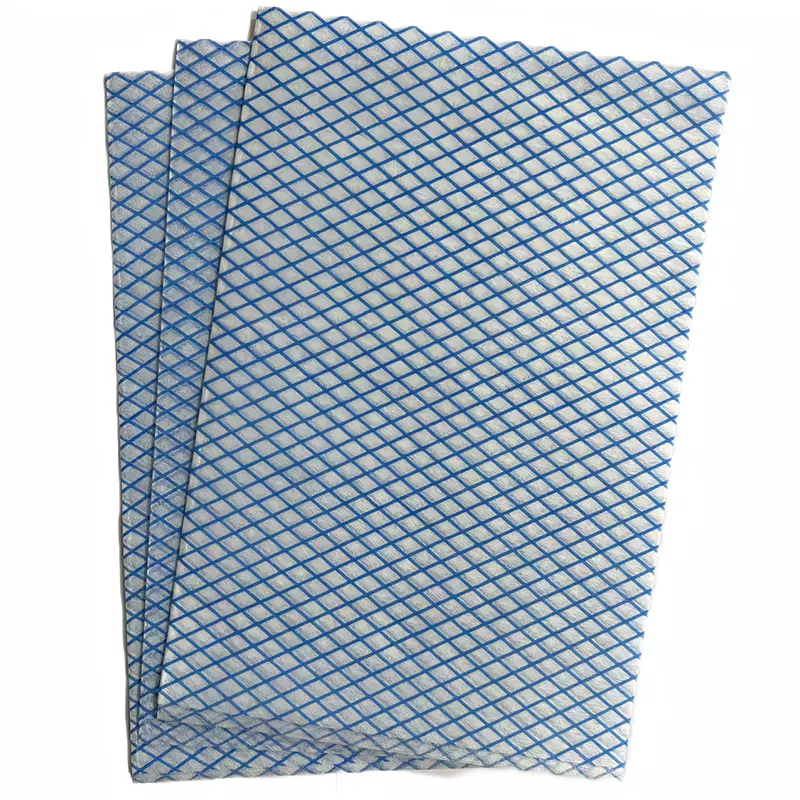
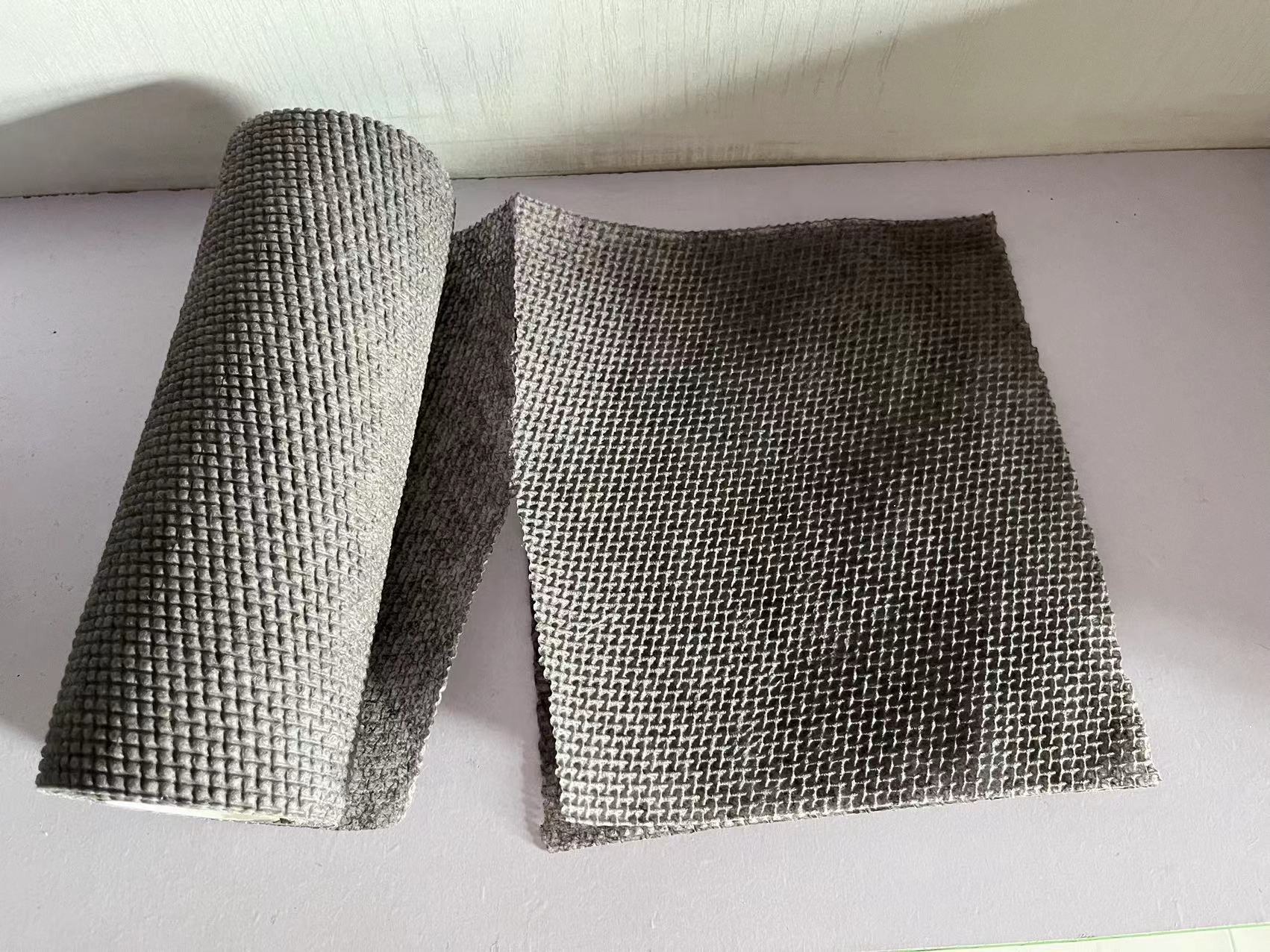
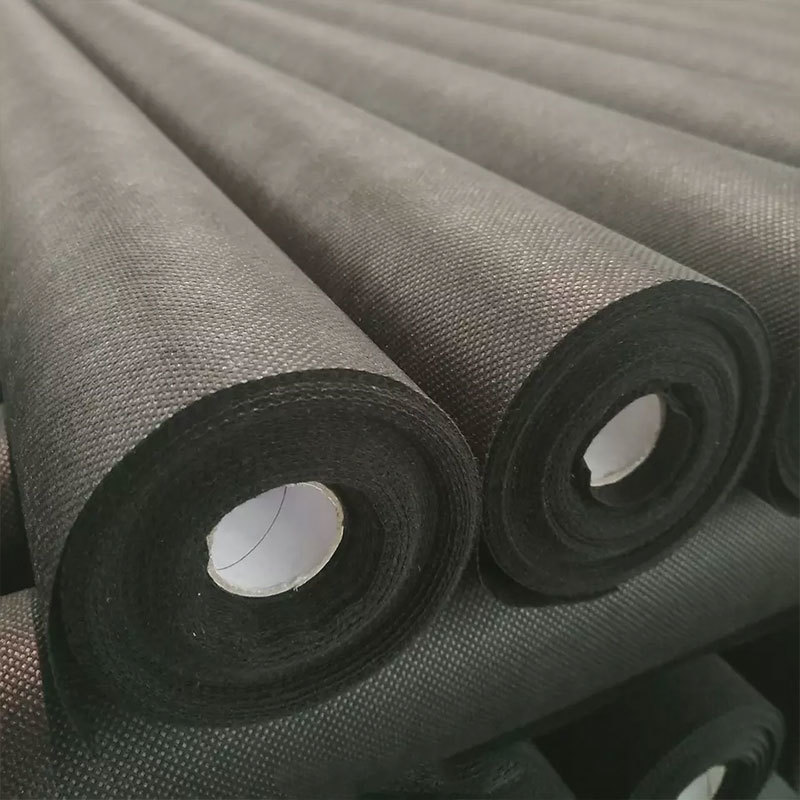
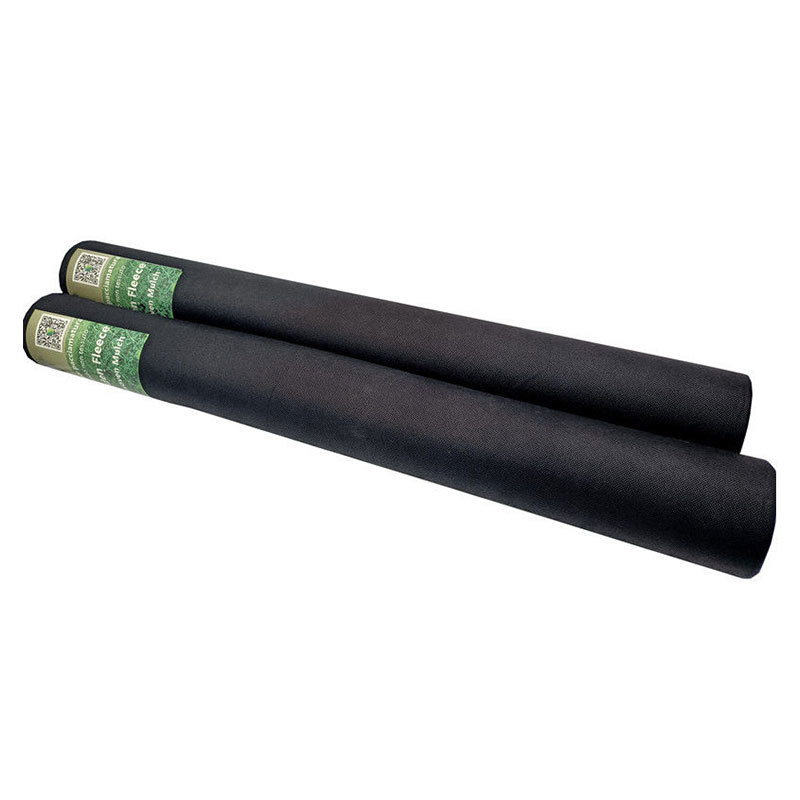
ground weed control fabric

LEAVE A MESSAGE
MESSAGE