




04
2025
-
12
Common Mistakes When Using Ground Fabric for Effective Weed Control
Common Mistakes When Using Ground Fabric for Effective Weed Control Ground fabric has gained popularity as a go-to solution for controlling weeds in gardens and landscaping projects. However, while it can be highly effective when installed correctly, many users make critical mistakes that undermine its efficacy. Understanding these common pitfalls can help you maximize the benefits of ground fabri

Common Mistakes When Using Ground Fabric for Effective Weed Control
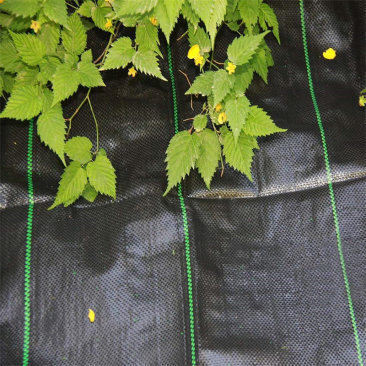
Ground fabric has gained popularity as a go-to solution for controlling weeds in gardens and landscaping projects. However, while it can be highly effective when installed correctly, many users make critical mistakes that undermine its efficacy. Understanding these common pitfalls can help you maximize the benefits of ground fabric and create a thriving garden free from unwanted weeds. In this article, we'll explore the most frequent errors people make when using ground fabric for weed control, as well as practical tips for successful installation and maintenance.
Table of Contents
- Introduction to Ground Fabric for Weed Control
- Mistake #1: Choosing the Wrong Type of Fabric
- Mistake #2: Inadequate Site Preparation
- Mistake #3: Incorrect Installation Techniques
- Mistake #4: Neglecting Water and Drainage Considerations
- Mistake #5: Overlooking Maintenance Requirements
- Mistake #6: Failing to Address Existing Weeds
- Mistake #7: Not Considering Plant Selection
- Mistake #8: Ignoring Long-Term Impacts
- Conclusion
- Frequently Asked Questions
Introduction to Ground Fabric for Weed Control
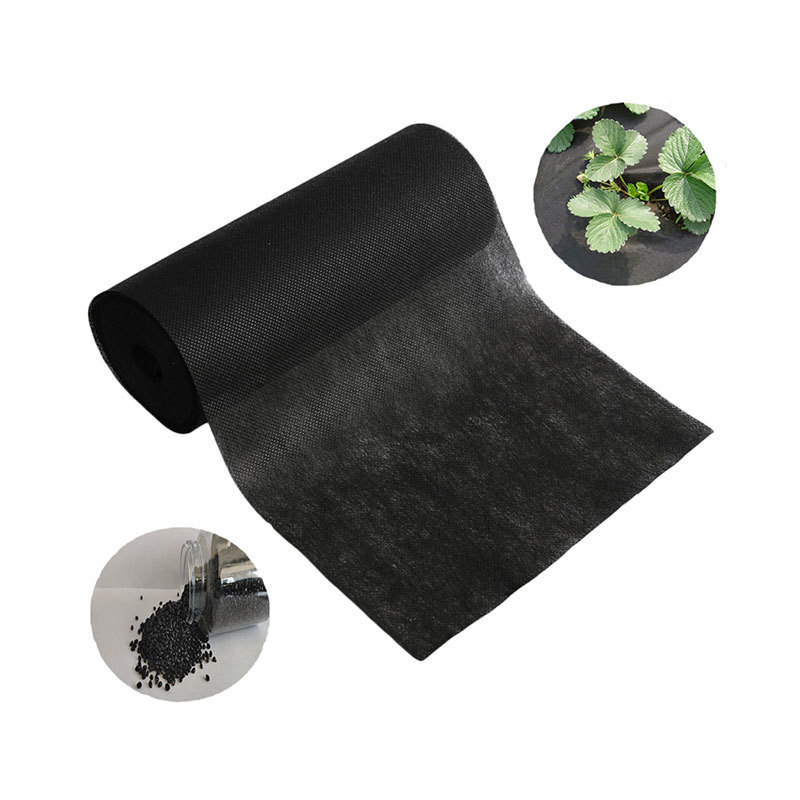
Ground fabric, or landscape fabric, is a permeable barrier designed to suppress weed growth while allowing air, water, and nutrients to reach the soil. It serves as an effective tool in various landscaping applications, from garden beds to pathways. However, improper usage can lead to reduced effectiveness, leading to frustrated gardeners and landscape professionals alike. This article will shed light on common mistakes that can compromise the use of ground fabric for weed control, along with strategies to ensure optimal results.
Mistake #1: Choosing the Wrong Type of Fabric
One of the first and most significant pitfalls people encounter is selecting the wrong type of ground fabric. Not all fabrics are created equal; some are designed for specific applications, while others may not offer adequate weed suppression. **Using a low-quality or inappropriate fabric can lead to weed growth** and soil compaction, ultimately defeating the purpose of your installation.
**What to Do Instead:** Research and invest in a high-quality landscape fabric made from durable materials such as polypropylene or polyester. Ensure it is designed for weed control, providing a balance between weed suppression and permeability.
Mistake #2: Inadequate Site Preparation
Before laying down ground fabric, adequate site preparation is essential. Many users overlook this step, leading to poor results. **Failing to remove existing weeds, debris, and rocks can create an uneven surface**, resulting in an ineffective barrier that allows weeds to grow through.
**What to Do Instead:** Prior to installation, take the time to clear the area thoroughly. Remove all existing weeds, roots, and debris. Level the ground and ensure proper drainage to create an optimal environment for your ground fabric.
Mistake #3: Incorrect Installation Techniques
Installation techniques play a crucial role in the effectiveness of ground fabric for weed control. Some common errors include **not securing the fabric properly, overlapping seams, or cutting it too short**. These mistakes can compromise the integrity of the installation.
**What to Do Instead:** Follow manufacturer guidelines for installation closely. Ensure that the fabric is stretched tightly across the area and secured with landscape fabric staples. Avoid overlapping seams, as this can create gaps where weeds can establish themselves. Always cut the fabric to fit the designated area precisely.
Mistake #4: Neglecting Water and Drainage Considerations
While ground fabric is designed to allow water to permeate, improper installation can lead to drainage issues. **Placing the fabric too close to the soil surface can create a barrier that traps water**, potentially leading to root rot and other problems.
**What to Do Instead:** Ensure that the fabric is installed at the appropriate depth, allowing for adequate drainage. Consider incorporating a layer of mulch on top of the fabric to help manage water retention while providing added weed suppression.
Mistake #5: Overlooking Maintenance Requirements
Ground fabric is not a "set it and forget it" solution. Many users fail to recognize that regular maintenance is vital for long-term effectiveness. **Neglecting to check for signs of weed growth or fabric degradation can lead to problems down the line**.
**What to Do Instead:** Schedule regular inspections of your ground fabric installation. Remove any weeds that do manage to establish themselves and replace or repair any damaged sections of the fabric to maintain its integrity.
Mistake #6: Failing to Address Existing Weeds
One of the most significant mistakes in using ground fabric for weed control is neglecting to address existing weeds before installation. **Installing fabric over existing weeds does not guarantee weed suppression**; in fact, it can exacerbate the problem.
**What to Do Instead:** Treat the area with an appropriate herbicide or physically remove existing weeds before laying down the ground fabric. This proactive approach will reduce the likelihood of future weed growth and improve the effectiveness of your barrier.
Mistake #7: Not Considering Plant Selection
When using ground fabric, it's essential to consider the plants that will be placed above it. **Choosing the wrong plants can lead to competition for nutrients and light**, potentially hindering their growth and the effectiveness of the fabric.
**What to Do Instead:** Select plants that are compatible with your ground fabric installation. Opt for species that thrive in the specific conditions of your garden while minimizing competition with weeds. Group plants with similar water and light requirements to create a cohesive and thriving landscape.
Mistake #8: Ignoring Long-Term Impacts
Many users fail to consider the long-term implications of using ground fabric for weed control. **Over time, soil can become compacted beneath the fabric, leading to reduced soil health and fertility**. This can ultimately affect the growth and vitality of your plants.
**What to Do Instead:** Periodically remove and inspect the ground fabric every few years. This will allow you to assess soil health and make necessary amendments. You can also consider rotating your planting strategy to incorporate a variety of plants that can help maintain soil health.
Conclusion
Using ground fabric for weed control can be an effective strategy when done correctly. By avoiding these common mistakes—such as selecting the wrong fabric, neglecting site preparation, and failing to maintain your installation—you can ensure a successful gardening experience. Implementing proper techniques will not only enhance the longevity and effectiveness of your weed control efforts but also contribute to a healthier and more vibrant landscape.
Frequently Asked Questions
1. What type of ground fabric is best for weed control?
The best type of ground fabric for weed control is typically made from durable materials like polypropylene or polyester. Look for fabrics specifically designed for weed suppression and permeability.
2. Can I install ground fabric over existing weeds?
It is not advisable to install ground fabric over existing weeds. Always remove any weeds before installation to enhance the effectiveness of the fabric.
3. How often should I check my ground fabric installation?
Regular inspections should be scheduled at least once a season. This will allow you to identify any signs of weed growth or damage to the fabric.
4. What should I do if I find weeds growing through my ground fabric?
If you find weeds growing through your ground fabric, remove them immediately. Consider assessing the fabric for damage, and make any necessary repairs.
5. How can I maintain soil health under ground fabric?
To maintain soil health under ground fabric, periodically remove the fabric and assess the soil condition. Consider adding organic amendments to keep the soil healthy and fertile.
ground fabric weed control

LEAVE A MESSAGE
MESSAGE