



10
2025
-
12
How to Cut and Sew Polyester Spunbond Nonwoven Fabric: A Step-by-Step Guide
How to Cut and Sew Polyester Spunbond Nonwoven Fabric: A Step-by-Step Guide Table of Contents 1. Introduction to Polyester Spunbond Nonwoven Fabric 2. Essential Tools for Cutting and Sewing Nonwoven Fabric 3. Preparing Your Workspace 4. Cutting Techniques for Polyester Spunbond Nonwoven Fabric 5. Sewing Techniques for a Perfect Finish 6. Tips and Tricks for Working with Nonwoven Fabri

How to Cut and Sew Polyester Spunbond Nonwoven Fabric: A Step-by-Step Guide
Table of Contents
- 1. Introduction to Polyester Spunbond Nonwoven Fabric
- 2. Essential Tools for Cutting and Sewing Nonwoven Fabric
- 3. Preparing Your Workspace
- 4. Cutting Techniques for Polyester Spunbond Nonwoven Fabric
- 5. Sewing Techniques for a Perfect Finish
- 6. Tips and Tricks for Working with Nonwoven Fabrics
- 7. Common Issues and How to Resolve Them
- 8. Conclusion
- 9. FAQs about Cutting and Sewing Nonwoven Fabric
1. Introduction to Polyester Spunbond Nonwoven Fabric
Polyester spunbond nonwoven fabric is a versatile material commonly used in various applications, ranging from crafting to industrial uses. Its unique characteristics make it a popular choice among sewists and crafters. The fabric is lightweight, durable, and resistant to water, which makes it ideal for everything from bags and apparel to home décor and medical supplies.
Understanding the properties of polyester spunbond nonwoven fabric is essential for achieving high-quality results in your projects. In this guide, we will walk you through the entire process of cutting and sewing this fabric, ensuring that you have the confidence and skills needed to create stunning items.
2. Essential Tools for Cutting and Sewing Nonwoven Fabric
Before diving into your project, it's crucial to gather the right tools. Having the appropriate equipment will streamline your process and yield better results. Here’s a list of essential tools you'll need:
2.1 Cutting Tools
- **Rotary Cutter**: Ideal for making clean, precise cuts. Ensure you have a sturdy cutting mat underneath.
- **Scissors**: Use sharp fabric scissors specifically designed for cutting nonwoven materials.
2.2 Sewing Tools
- **Sewing Machine**: A reliable sewing machine with a straight stitch function is essential.
- **Needles**: Choose universal or ballpoint needles that can handle the thickness of spunbond fabric.
- **Thread**: Polyester thread is recommended for its strength and compatibility with the fabric.
2.3 Additional Tools
- **Measuring Tape**: Accurate measurements are vital for any sewing project.
- **Fabric Clips**: Use these instead of pins to avoid damaging the fabric's structure.
- **Iron**: While nonwoven fabric typically doesn’t require ironing, a gentle press can help smooth out creases.
3. Preparing Your Workspace
A well-organized workspace is key to a successful project. Follow these steps to prepare your area:
3.1 Clean and Declutter
Ensure your workspace is clean and free from distractions. Remove any unnecessary items from your table or cutting area.
3.2 Set Up Your Cutting Area
Lay down your cutting mat and place all cutting tools within reach. This will save time and ensure a smoother workflow.
3.3 Organize Your Sewing Station
Position your sewing machine in a comfortable spot and have your threads, needles, and clips readily accessible. Having everything organized allows you to focus on your project instead of searching for tools.
4. Cutting Techniques for Polyester Spunbond Nonwoven Fabric
Cutting nonwoven fabric correctly is the first step in ensuring a successful project. Here are some techniques to follow:
4.1 Measuring and Marking
Begin by measuring the desired dimensions of your project. Use a fabric marker or chalk to mark the cutting lines, ensuring that your markings are clear and accurate.
4.2 Using a Rotary Cutter
For straight cuts, a rotary cutter is recommended. Align your ruler along the marked line and apply even pressure as you cut through the fabric. This will yield a cleaner edge.
4.3 Precise Cuts with Scissors
When using scissors, cut slowly and steadily to avoid jagged edges. Make sure to keep the fabric flat on the cutting mat for better control.
5. Sewing Techniques for a Perfect Finish
Once you have your pieces cut out, it's time to sew them together. Follow these sewing techniques to achieve a professional finish:
5.1 Choosing the Right Stitch
For polyester spunbond nonwoven fabric, a straight stitch is standard. However, consider using a zigzag stitch for seams that require more flexibility.
5.2 Securing the Fabric
Before starting to sew, use fabric clips to secure the edges of your pieces. This prevents shifting during sewing and helps maintain alignment.
5.3 Sewing Straight Seams
Feed the fabric under the presser foot and guide it evenly to create straight seams. Adjust the tension settings on your sewing machine as needed to ensure smooth stitching.
6. Tips and Tricks for Working with Nonwoven Fabrics
To enhance your sewing experience with polyester spunbond nonwoven fabric, consider these helpful tips:
6.1 Cut Multiple Layers
For larger projects, it’s efficient to cut multiple layers of fabric simultaneously using a rotary cutter.
6.2 Test on Scraps
Always test your sewing machine settings and stitch types on a scrap piece of fabric before starting on your actual project.
6.3 Keep Your Machine Clean
Regularly clean your sewing machine to avoid lint buildup, which can affect performance.
7. Common Issues and How to Resolve Them
Even experienced sewists may face challenges when working with nonwoven fabrics. Here are some common issues and their solutions:
7.1 Fraying Edges
Though nonwoven fabric is generally resistant to fraying, you may encounter some edges that require attention. Apply a small amount of fabric glue to secure the edges if needed.
7.2 Uneven Seams
If your seams appear uneven, check the alignment before sewing. Adjust the fabric as necessary to ensure a straight feed through the machine.
7.3 Needle Breakage
If needles break frequently, ensure you are using the correct type for nonwoven fabrics and that the needle is not bent or damaged.
8. Conclusion
Cutting and sewing polyester spunbond nonwoven fabric can be a rewarding endeavor, allowing for the creation of durable and practical items. By following this step-by-step guide, equipping yourself with the right tools, and applying our expert techniques, you can confidently take on any project involving this versatile fabric. With practice and patience, you’ll soon master the art of working with polyester spunbond nonwoven fabric, enhancing your crafting skills in the process.
9. FAQs about Cutting and Sewing Nonwoven Fabric
9.1 What is polyester spunbond nonwoven fabric used for?
Polyester spunbond nonwoven fabric is widely used in crafting, medical supplies, filtration products, and agricultural applications due to its lightweight and durable properties.
9.2 Can I wash polyester spunbond nonwoven fabric?
Yes, polyester spunbond nonwoven fabric is machine washable. However, it is advisable to follow specific care instructions to maintain its integrity.
9.3 Is it necessary to use interfacing with nonwoven fabric?
In most cases, interfacing is not required. However, for projects requiring additional structure, lightweight interfacing can be beneficial.
9.4 How do I prevent my sewing machine from jamming when working with nonwoven fabric?
Ensure you use the correct needle and thread, keep the fabric taut as you sew, and regularly clean your machine to avoid lint buildup.
9.5 Can I use nonwoven fabric for outdoor projects?
Yes, polyester spunbond nonwoven fabric is water-resistant and can be used for many outdoor applications, including bags, tarps, and covers.
By following the insights provided in this guide, you will not only enhance your sewing skills but also expand your creative possibilities with polyester spunbond nonwoven fabric. Happy sewing!
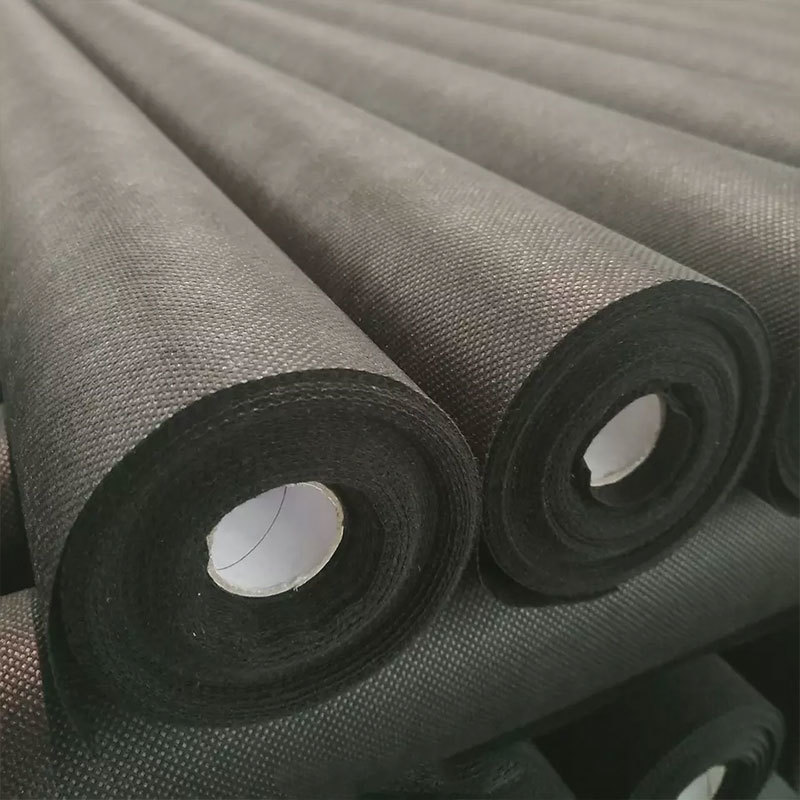
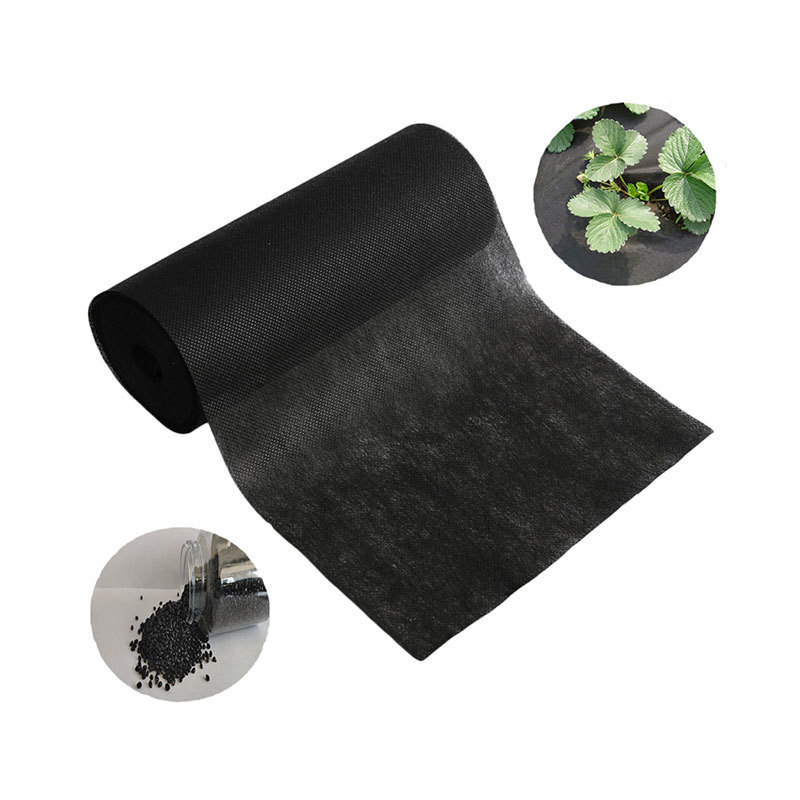
Polyester Spunbond Nonwoven Fabric

LEAVE A MESSAGE
MESSAGE