




11
2025
-
12
Understanding Polyester Spunbond Fabric: Versatile Applications and Benefits
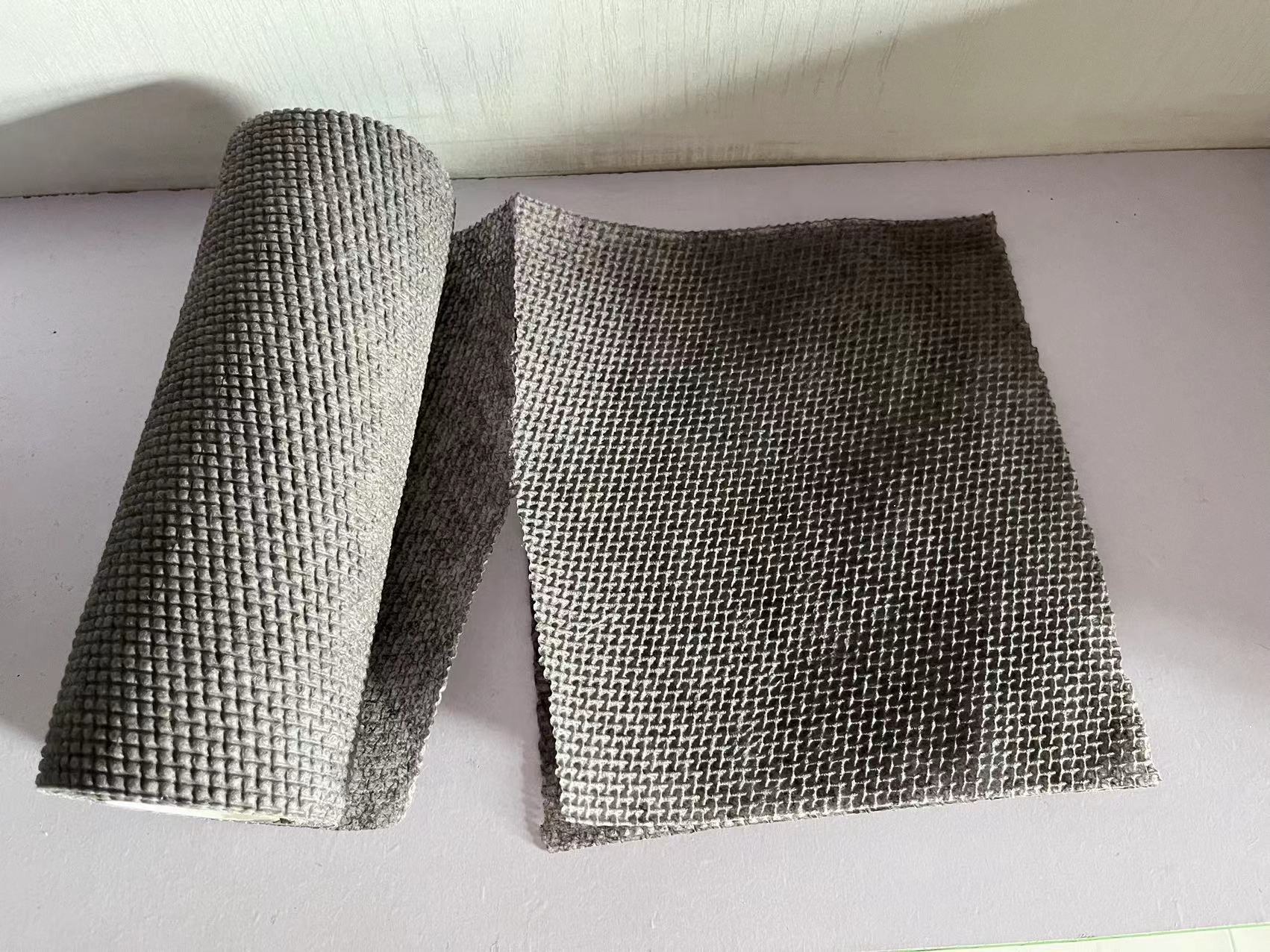
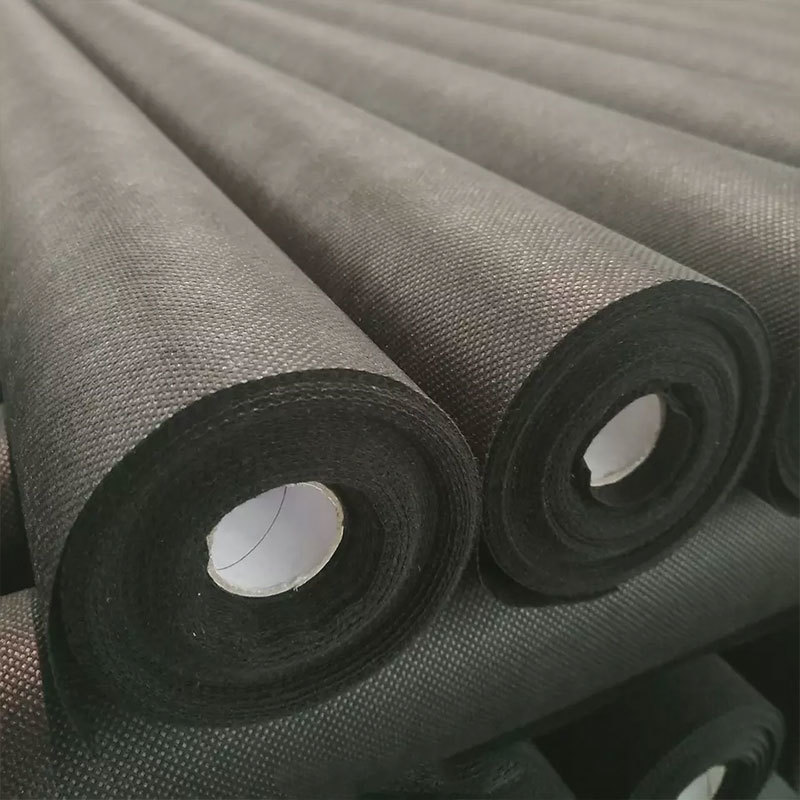
Polyester spunbond fabric is a type of nonwoven textile that is created through a process of continuous filament technology. This fabric is characterized by its unique structure, which is made by extruding polyester fibers into a web and bonding them together using heat and pressure. This process results in a lightweight, durable, and versatile material that has gained popularity across various se

Polyester spunbond fabric is a type of nonwoven textile that is created through a process of continuous filament technology. This fabric is characterized by its unique structure, which is made by extruding polyester fibers into a web and bonding them together using heat and pressure. This process results in a lightweight, durable, and versatile material that has gained popularity across various sectors.
One of the most notable features of polyester spunbond fabric is its excellent strength-to-weight ratio. The fabric is lightweight yet strong, making it ideal for applications that require durability without adding excessive bulk. This characteristic is particularly advantageous in industries such as agriculture, construction, and hygiene, where robust materials are essential.
Another significant advantage of polyester spunbond fabric is its resistance to moisture and chemicals. The inherent properties of polyester fibers allow the fabric to repel water and resist degradation from various substances. This quality makes it an excellent choice for use in protective garments, medical equipment, and agricultural covers, where exposure to moisture and chemicals is a common concern.
In addition to its physical properties, polyester spunbond fabric is also known for its breathability. This feature allows air and moisture vapor to pass through the fabric, which is crucial in applications like filtration systems and breathable protective clothing. The breathability contributes to comfort and functionality, making it a preferred choice for many end-users.
Polyester spunbond fabric is also environmentally friendly, as it can be produced with recycled materials and is often recyclable itself. This aspect aligns with the growing demand for sustainable products in the textile industry. Manufacturers can adopt eco-friendly practices by sourcing materials responsibly and promoting recycling initiatives.
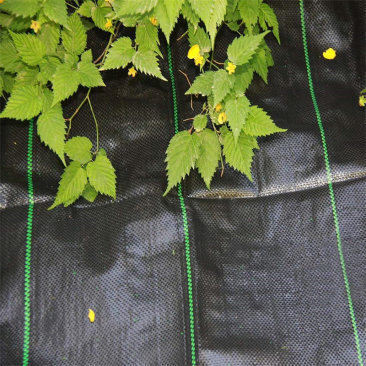
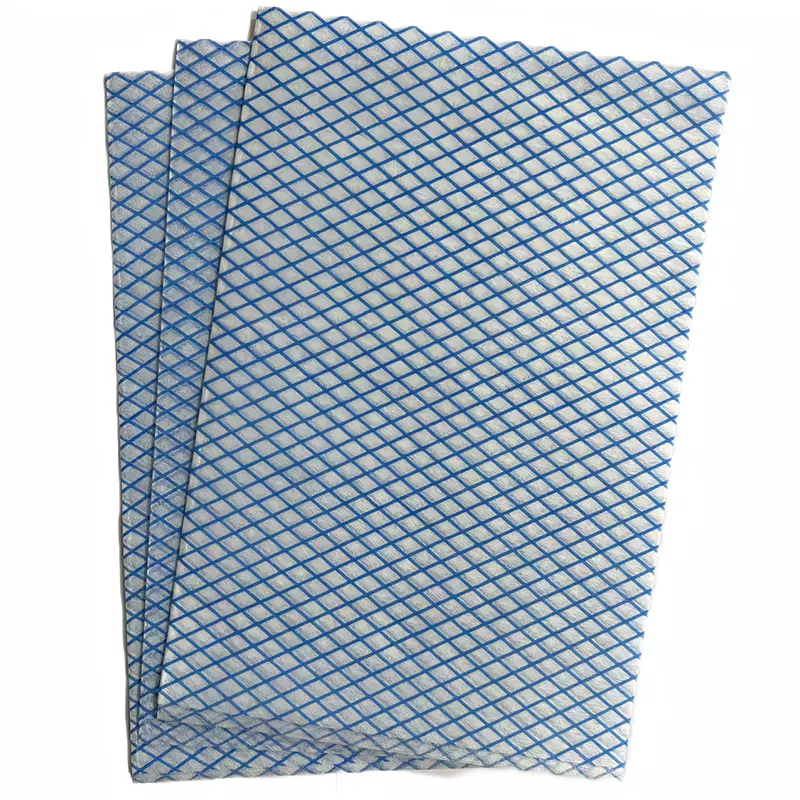
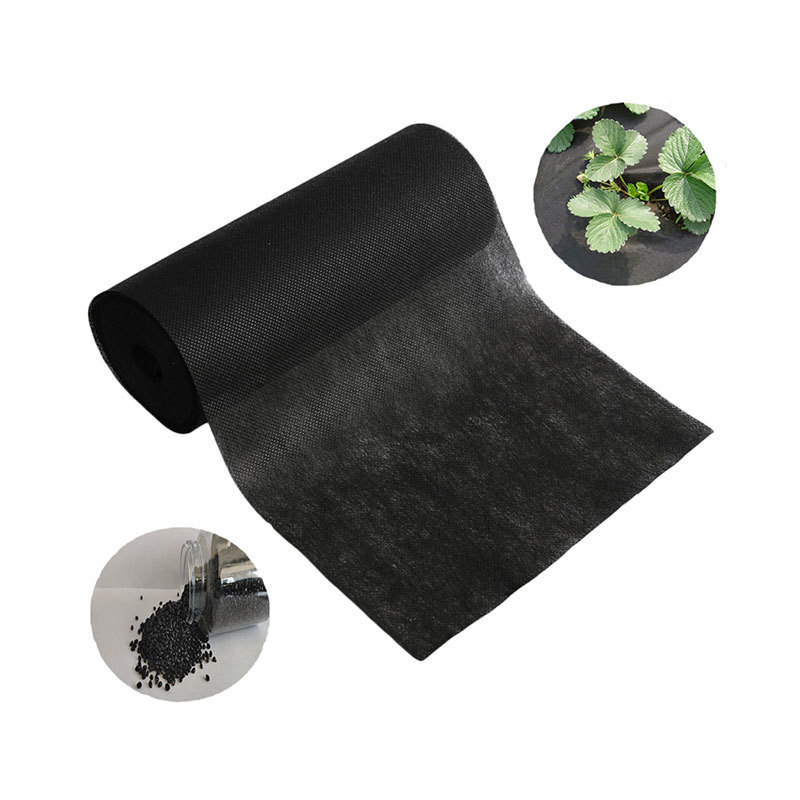
The versatility of polyester spunbond fabric extends to a wide range of applications. It is commonly used in disposable products such as surgical gowns, masks, and adult diapers, where hygiene and functionality are paramount. Additionally, it serves as a geotextile in civil engineering projects, helping with soil stabilization and erosion control. In the agricultural sector, it is utilized for crop covers and mulch films, providing protection and promoting growth.
In conclusion, polyester spunbond fabric is a remarkable material with numerous advantages, including lightweight strength, moisture resistance, breathability, and sustainability. Its diverse applications across various industries highlight its importance in the nonwoven textile market. Understanding these attributes can help professionals make informed decisions about integrating polyester spunbond fabric into their projects, ultimately enhancing performance and meeting market demands effectively.
One of the most notable features of polyester spunbond fabric is its excellent strength-to-weight ratio. The fabric is lightweight yet strong, making it ideal for applications that require durability without adding excessive bulk. This characteristic is particularly advantageous in industries such as agriculture, construction, and hygiene, where robust materials are essential.
Another significant advantage of polyester spunbond fabric is its resistance to moisture and chemicals. The inherent properties of polyester fibers allow the fabric to repel water and resist degradation from various substances. This quality makes it an excellent choice for use in protective garments, medical equipment, and agricultural covers, where exposure to moisture and chemicals is a common concern.
In addition to its physical properties, polyester spunbond fabric is also known for its breathability. This feature allows air and moisture vapor to pass through the fabric, which is crucial in applications like filtration systems and breathable protective clothing. The breathability contributes to comfort and functionality, making it a preferred choice for many end-users.
Polyester spunbond fabric is also environmentally friendly, as it can be produced with recycled materials and is often recyclable itself. This aspect aligns with the growing demand for sustainable products in the textile industry. Manufacturers can adopt eco-friendly practices by sourcing materials responsibly and promoting recycling initiatives.
The versatility of polyester spunbond fabric extends to a wide range of applications. It is commonly used in disposable products such as surgical gowns, masks, and adult diapers, where hygiene and functionality are paramount. Additionally, it serves as a geotextile in civil engineering projects, helping with soil stabilization and erosion control. In the agricultural sector, it is utilized for crop covers and mulch films, providing protection and promoting growth.
In conclusion, polyester spunbond fabric is a remarkable material with numerous advantages, including lightweight strength, moisture resistance, breathability, and sustainability. Its diverse applications across various industries highlight its importance in the nonwoven textile market. Understanding these attributes can help professionals make informed decisions about integrating polyester spunbond fabric into their projects, ultimately enhancing performance and meeting market demands effectively.
polyester spunbond fabric

LEAVE A MESSAGE
MESSAGE