



12
2025
-
12
How to Install Geotextile Landscape Fabric for Optimal Results: A Comprehensive Guide
How to Install Geotextile Landscape Fabric for Optimal Results: A Comprehensive Guide Table of Contents 1. Introduction to Geotextile Landscape Fabric 2. What Is Geotextile Fabric? 3. Benefits of Using Geotextile Landscape Fabric 4. Preparation for Installation 5. Step-by-Step Installation Process 6. Common Mistakes to Avoid When Installing 7. Maintenance and Care of L

How to Install Geotextile Landscape Fabric for Optimal Results: A Comprehensive Guide
Table of Contents
- 1. Introduction to Geotextile Landscape Fabric
- 2. What Is Geotextile Fabric?
- 3. Benefits of Using Geotextile Landscape Fabric
- 4. Preparation for Installation
- 5. Step-by-Step Installation Process
- 6. Common Mistakes to Avoid When Installing
- 7. Maintenance and Care of Landscape Fabric
- 8. Frequently Asked Questions
- 9. Conclusion
1. Introduction to Geotextile Landscape Fabric
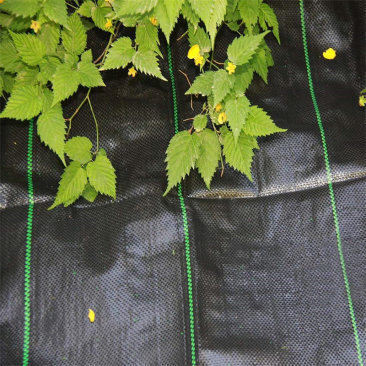
Geotextile landscape fabric is an essential component in modern landscaping and soil management. This robust material serves both functional and aesthetic purposes in gardens, flower beds, and various landscaping projects. By acting as a barrier, it controls weed growth while permitting water and nutrients to pass through, thus ensuring the health and vitality of your plants. In this guide, we will explore the different aspects of geotextile fabric, its benefits, and a comprehensive method for its installation.
2. What Is Geotextile Fabric?
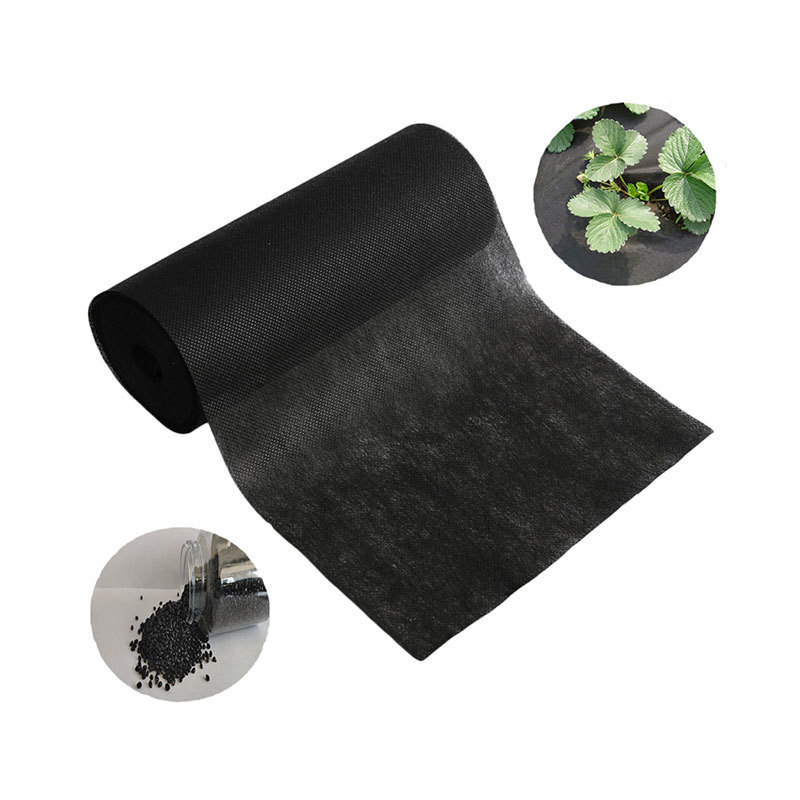
Geotextile fabric is a permeable textile material used in civil engineering and landscaping applications. It is specifically designed to manage soil erosion and provide stability. Made from synthetic fibers, geotextile fabric can be woven or non-woven. The woven type offers superior strength and durability, while non-woven fabric is more flexible and conforms easily to landscape contours.
3. Benefits of Using Geotextile Landscape Fabric
The advantages of implementing geotextile landscape fabric are numerous and impactful:
3.1 Weed Control
One of the primary reasons homeowners use geotextile fabric is its effectiveness in controlling weeds. By blocking sunlight, the fabric prevents weed germination while allowing water and nutrients to reach the soil.
3.2 Erosion Prevention
Geotextile fabric stabilizes soil and helps prevent erosion, particularly in areas susceptible to heavy rain or runoff. This is crucial in maintaining the integrity of slopes and embankments.
3.3 Water Management
The fabric facilitates proper drainage, ensuring that excess water does not accumulate, which can lead to root rot and other issues for plants.
3.4 Soil Separation
By acting as a barrier, geotextile fabric separates different soil layers. This is particularly useful in areas where soil types vary significantly, preventing mixing that can compromise plant health.
4. Preparation for Installation
Before embarking on the installation of geotextile landscape fabric, careful planning and preparation are crucial.
4.1 Assessing the Area
Begin by evaluating the area where you plan to install the fabric. Identify the specific needs based on the type of vegetation and the landscape's layout.
4.2 Gathering Necessary Materials
Ensure you have all required materials on hand:
- Geotextile landscape fabric (sufficient quantity based on your area)
- Landscape pins or stakes
- Scissors or a utility knife
- Shovel and rake
- Mulch or decorative stone (optional)
4.3 Clearing the Area
Clear the designated area of any debris such as rocks, roots, and old vegetation. This provides a clean slate for the installation, allowing the fabric to lay flat and perform optimally.
5. Step-by-Step Installation Process
With everything prepared, it's time to install the geotextile landscape fabric. Follow these detailed steps to ensure a successful installation:
5.1 Measure and Cut the Fabric
Measure the area you intend to cover and unroll the geotextile fabric. Cut the fabric to size, ensuring it extends several inches beyond the edges of the area to be covered.
5.2 Lay the Fabric
Position the fabric over the prepared area. Make sure it lays flat and does not have any wrinkles or folds. It should overlap at seams by at least 12 inches if you are using multiple pieces.
5.3 Secure the Fabric
Using landscape pins or stakes, secure the edges of the fabric to the ground. This will prevent it from shifting during installation or in inclement weather.
5.4 Add Mulch or Decorative Stone
For aesthetic purposes and additional weed control, add a layer of mulch or decorative stone on top of the fabric. This not only enhances the landscape but also keeps the fabric in place.
6. Common Mistakes to Avoid When Installing
To achieve optimal results, it's important to avoid common pitfalls during installation:
6.1 Not Overlapping Seams
Failing to overlap fabric seams can result in weed growth through gaps. Always ensure seams are properly overlapped to maintain effectiveness.
6.2 Ignoring Proper Drainage
Do not place fabric in areas where water tends to pool. Ensure the installation maintains proper drainage to prevent water from accumulating.
6.3 Skipping Securing the Fabric
Neglecting to secure the fabric adequately can lead to shifting, which may compromise its efficacy. Use enough pins to ensure the fabric stays in place.
7. Maintenance and Care of Landscape Fabric
To maintain the effectiveness of your geotextile landscape fabric, regular maintenance is essential:
7.1 Inspect Periodically
Regularly inspect the fabric for any signs of wear or damage. Address any issues promptly to avoid compromising its performance.
7.2 Remove Debris
Keep the area free from excess debris and organic matter that may accumulate on the fabric. This will help maintain optimal function.
7.3 Replace When Necessary
Over time, geotextile fabric may deteriorate. Make it a practice to replace the fabric as needed to ensure ongoing weed control and soil stability.
8. Frequently Asked Questions
8.1 How long does geotextile landscape fabric last?
The lifespan of geotextile landscape fabric can vary based on material and environmental conditions, but it generally lasts between 5 to 20 years.
8.2 Can I plant directly on top of the geotextile fabric?
Yes, you can plant directly on top, but it's essential to cut slits in the fabric for each plant to ensure root growth.
8.3 Is geotextile fabric biodegradable?
While some biodegradable options are available, most geotextile fabrics are synthetic and not biodegradable. Check product specifications for details.
8.4 Do I need to remove the fabric after a certain period?
You do not need to remove the fabric if it is in good condition. However, regular checks should be performed to ensure it is functioning effectively.
8.5 Can I use geotextile fabric for drainage purposes?
Absolutely! Geotextile fabric is often used in drainage systems to prevent soil from clogging pipes while allowing water to pass through.
9. Conclusion
Installing geotextile landscape fabric is a valuable investment in your landscaping project. By following this comprehensive guide, you can effectively control weeds, prevent soil erosion, and enhance the aesthetics of your garden. Proper installation and maintenance will ensure that your landscape thrives for years to come. Take the time to understand the specific needs of your space and utilize the benefits of geotextile fabric for optimal results.
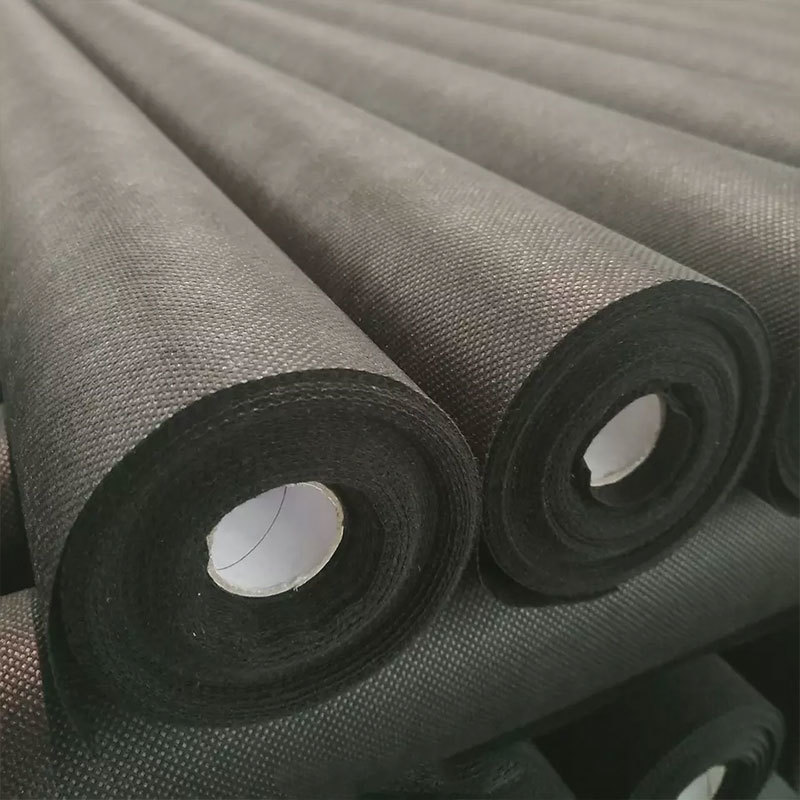
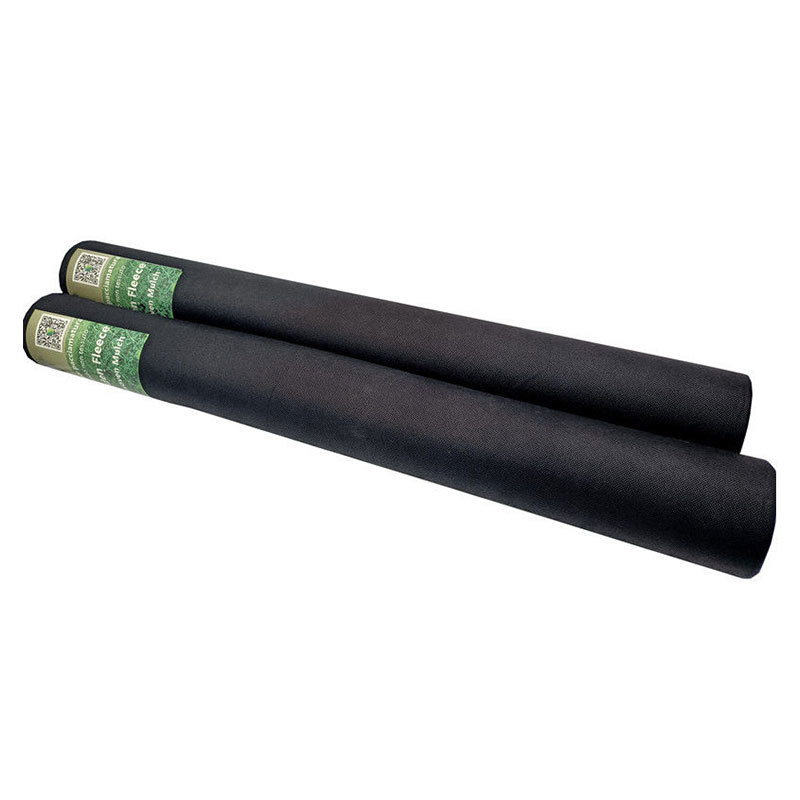
geotextile landscape fabric

LEAVE A MESSAGE
MESSAGE