




13
2025
-
12
Essential Guide to Garden Weed Control Fabric: Efficient Solutions for Landscape Management
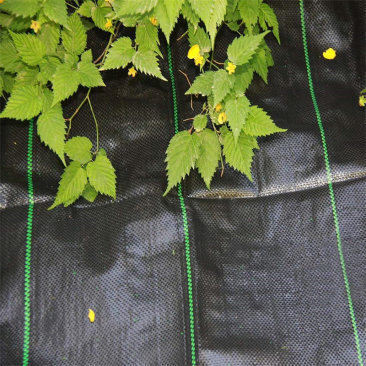
Garden weed control fabric, also known as landscape fabric or geotextile, plays a crucial role in landscaping and agricultural practices. This permeable material is designed to inhibit weed growth while allowing water and nutrients to reach the soil beneath. Understanding its properties and applications can significantly enhance landscape management strategies, whether for residential gardens, com

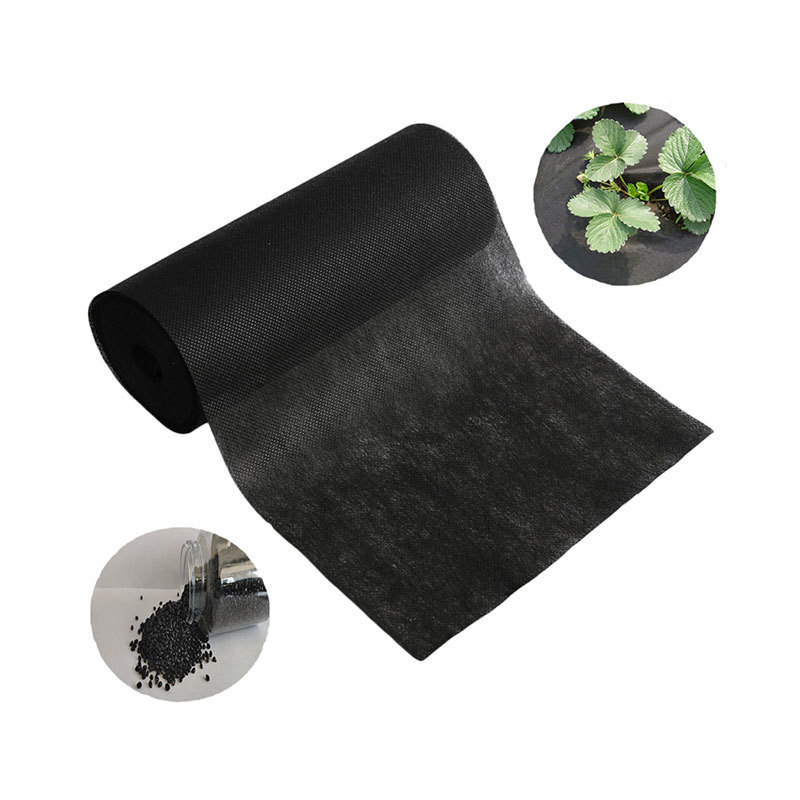
Garden weed control fabric, also known as landscape fabric or geotextile, plays a crucial role in landscaping and agricultural practices. This permeable material is designed to inhibit weed growth while allowing water and nutrients to reach the soil beneath. Understanding its properties and applications can significantly enhance landscape management strategies, whether for residential gardens, commercial properties, or agricultural sites.
One of the primary benefits of garden weed control fabric is its ability to suppress weeds effectively. When installed correctly, it creates a barrier that prevents sunlight from reaching the weed seeds in the soil, thereby stunting their growth. This weed suppression minimizes the need for chemical herbicides, promoting a more organic approach to landscape maintenance. Consequently, it not only helps in producing a cleaner and more aesthetically pleasing garden but also contributes to environmental health.
In addition to weed control, this fabric serves multiple purposes within landscaping projects. It provides excellent drainage, allowing excess water to escape while retaining moisture necessary for plant roots. This is particularly beneficial in areas with heavy rainfall or where soil erosion is a concern. The use of garden weed control fabric also helps to stabilize soil, reducing the risk of erosion and maintaining soil structure.
Installation of garden weed control fabric is relatively straightforward, making it accessible for both professionals and DIY enthusiasts. The fabric should be laid over prepared soil before planting, ensuring that it is secured with landscape staples or weights to prevent displacement. When planting, small slits can be cut into the fabric to accommodate plant roots, allowing for growth while maintaining weed suppression.
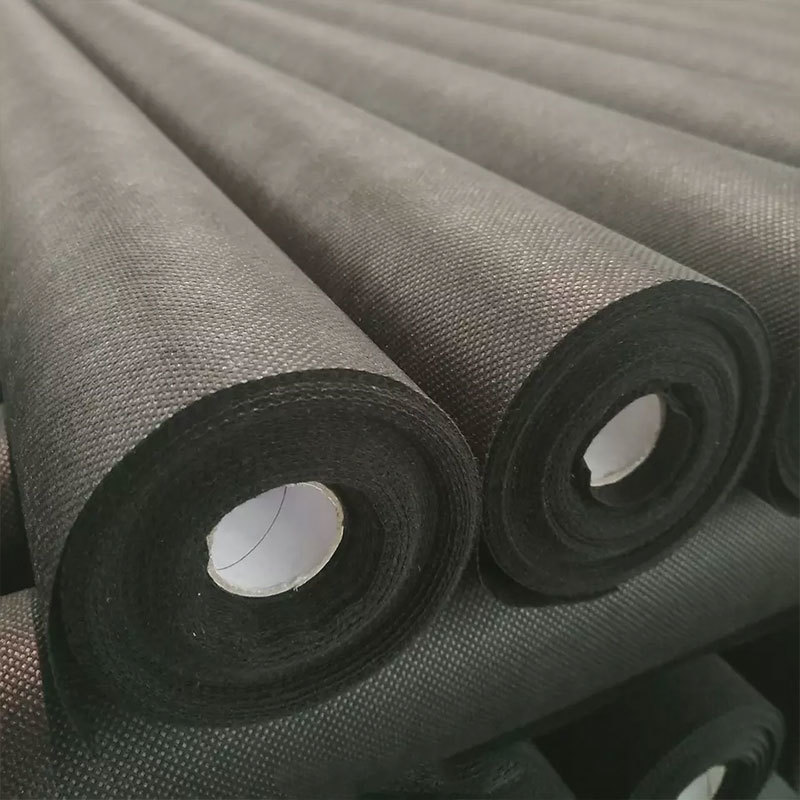
Furthermore, it is essential to choose the right type of garden weed control fabric for specific applications. Options may vary in terms of material, thickness, and permeability. Certain fabrics are more suited for areas with heavy foot traffic or where intensive landscaping will occur, while others might be ideal for garden beds or perennial borders. It is advisable to consult with suppliers to select the most appropriate fabric that meets your project’s specific needs.
Sustainability is another critical aspect of using garden weed control fabric. Many modern fabrics are made from recycled materials and are designed to be biodegradable or recyclable, reducing their environmental impact. By opting for sustainable practices in your landscaping efforts, you contribute to a healthier ecosystem.
In summary, garden weed control fabric is an invaluable tool in effective landscaping and site preparation. Its ability to suppress weeds, improve drainage, and stabilize soil makes it a preferred choice for professionals in the construction and decorative materials industry. By integrating this fabric into your landscape management practices, you can achieve a beautiful, thriving garden that showcases the full potential of your outdoor spaces.
One of the primary benefits of garden weed control fabric is its ability to suppress weeds effectively. When installed correctly, it creates a barrier that prevents sunlight from reaching the weed seeds in the soil, thereby stunting their growth. This weed suppression minimizes the need for chemical herbicides, promoting a more organic approach to landscape maintenance. Consequently, it not only helps in producing a cleaner and more aesthetically pleasing garden but also contributes to environmental health.
In addition to weed control, this fabric serves multiple purposes within landscaping projects. It provides excellent drainage, allowing excess water to escape while retaining moisture necessary for plant roots. This is particularly beneficial in areas with heavy rainfall or where soil erosion is a concern. The use of garden weed control fabric also helps to stabilize soil, reducing the risk of erosion and maintaining soil structure.
Installation of garden weed control fabric is relatively straightforward, making it accessible for both professionals and DIY enthusiasts. The fabric should be laid over prepared soil before planting, ensuring that it is secured with landscape staples or weights to prevent displacement. When planting, small slits can be cut into the fabric to accommodate plant roots, allowing for growth while maintaining weed suppression.
Furthermore, it is essential to choose the right type of garden weed control fabric for specific applications. Options may vary in terms of material, thickness, and permeability. Certain fabrics are more suited for areas with heavy foot traffic or where intensive landscaping will occur, while others might be ideal for garden beds or perennial borders. It is advisable to consult with suppliers to select the most appropriate fabric that meets your project’s specific needs.
Sustainability is another critical aspect of using garden weed control fabric. Many modern fabrics are made from recycled materials and are designed to be biodegradable or recyclable, reducing their environmental impact. By opting for sustainable practices in your landscaping efforts, you contribute to a healthier ecosystem.
In summary, garden weed control fabric is an invaluable tool in effective landscaping and site preparation. Its ability to suppress weeds, improve drainage, and stabilize soil makes it a preferred choice for professionals in the construction and decorative materials industry. By integrating this fabric into your landscape management practices, you can achieve a beautiful, thriving garden that showcases the full potential of your outdoor spaces.
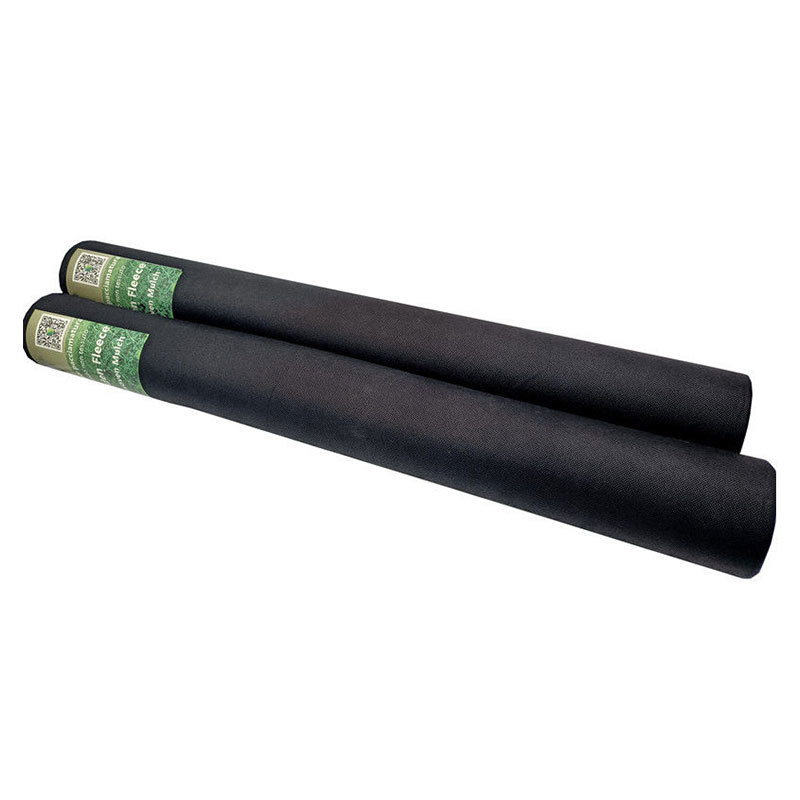
garden weed control fabric

LEAVE A MESSAGE
MESSAGE