



14
2025
-
12
Understanding the Science Behind Permeable Landscape Fabric: A Comprehensive Guide
Understanding the Science Behind Permeable Landscape Fabric Table of Contents 1. Introduction to Permeable Landscape Fabric 2. What is Permeable Landscape Fabric? 3. How Does Permeable Landscape Fabric Work? 4. Benefits of Using Permeable Landscape Fabric 5. Applications of Permeable Landscape Fabric 6. Installation Methods for Permeable Landscape Fabric 7. Maintenance

Understanding the Science Behind Permeable Landscape Fabric
Table of Contents
- 1. Introduction to Permeable Landscape Fabric
- 2. What is Permeable Landscape Fabric?
- 3. How Does Permeable Landscape Fabric Work?
- 4. Benefits of Using Permeable Landscape Fabric
- 5. Applications of Permeable Landscape Fabric
- 6. Installation Methods for Permeable Landscape Fabric
- 7. Maintenance Tips for Optimal Performance
- 8. Frequently Asked Questions
- 9. Conclusion
1. Introduction to Permeable Landscape Fabric
In recent years, **permeable landscape fabric** has gained significant attention in the world of landscaping and construction. As urban environments evolve, the need for effective drainage solutions has become increasingly crucial. Permeable landscape fabric serves as a barrier between soil and water, allowing for efficient water flow while preventing soil erosion. This article delves into the science behind this innovative material, helping you grasp its importance and applications in various landscaping projects.
2. What is Permeable Landscape Fabric?
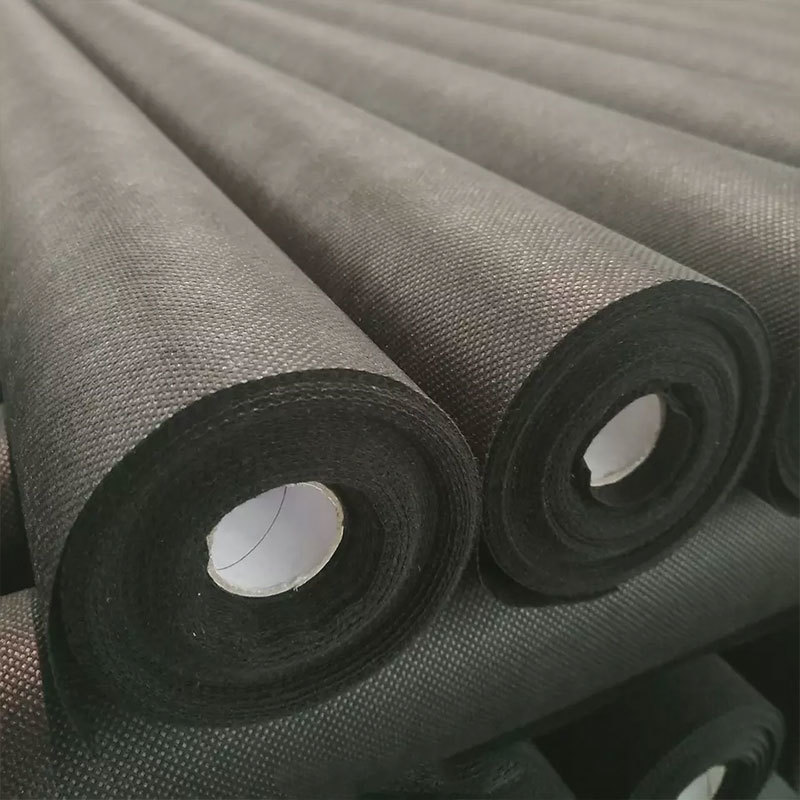
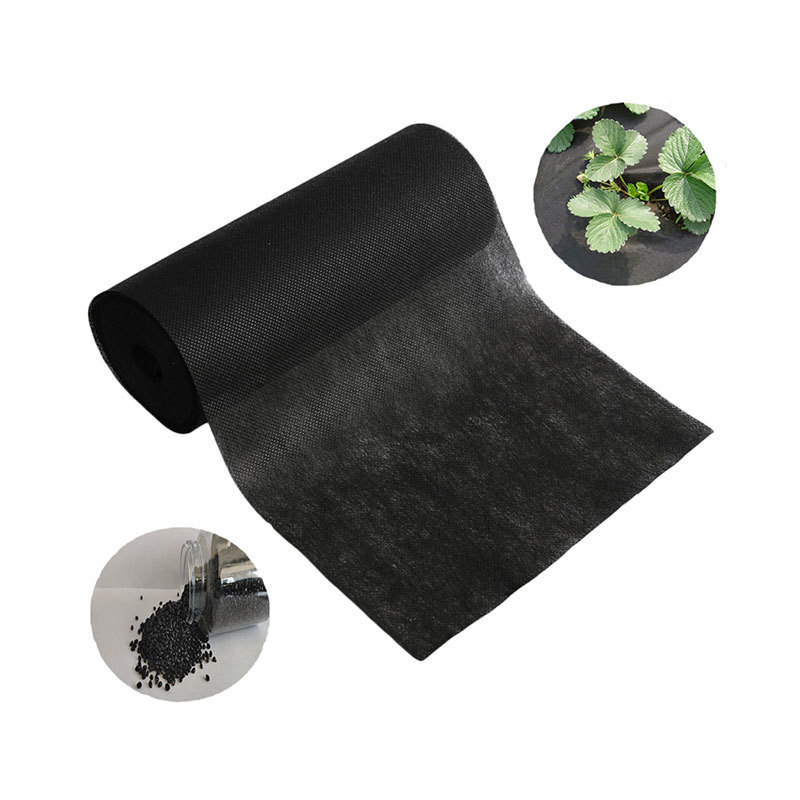
Permeable landscape fabric is a geotextile material designed to allow water and air to pass through while filtering out debris and soil particles. Made from durable synthetic fibers, this type of fabric is specifically engineered to withstand harsh environmental conditions. Unlike traditional landscaping fabric, which often traps moisture and can lead to root rot, permeable landscape fabric encourages healthy plant growth by maintaining optimal moisture levels and soil aeration.
Composition of Permeable Landscape Fabric
The **composition** of permeable landscape fabric typically includes non-woven polypropylene or polyester fibers. These materials are lightweight yet strong, providing excellent durability and longevity. The fabric is designed to resist degradation from UV exposure and harsh weather conditions, ensuring it remains effective over time.
3. How Does Permeable Landscape Fabric Work?
The functionality of permeable landscape fabric revolves around its ability to filter water while allowing it to flow freely. Water enters the fabric, which then separates it from soil particles and debris. This filtration process not only prevents clogging but also promotes healthy drainage, making it a crucial component in landscaping and erosion control.
The Filtration Process
When rainwater or irrigation reaches the surface, it penetrates the permeable fabric, flowing into the soil beneath. As the water moves through the fabric, larger particles like sediment and debris are filtered out, ensuring that only clean water reaches the soil. This process helps maintain soil health, promoting better plant growth and reducing the risk of erosion.
4. Benefits of Using Permeable Landscape Fabric
The use of permeable landscape fabric offers numerous advantages for landscapers and gardeners alike. Below, we explore the key benefits of incorporating this innovative material into your landscape projects.
Promotes Healthy Plant Growth
By allowing adequate airflow and moisture transfer, permeable landscape fabric supports healthy plant growth. It creates an optimal environment for roots to thrive, reducing the risk of overwatering and root rot.
Reduces Erosion
One of the most significant advantages of permeable landscape fabric is its ability to mitigate soil erosion. By filtering water and allowing it to percolate slowly, the fabric helps to stabilize soil and prevent washouts during heavy rain.
Improved Drainage Solutions
Permeable fabric serves as an effective drainage solution, especially in areas prone to standing water. By directing excess water into the ground, it reduces puddling and improves overall site drainage.
Environmental Benefits
Using permeable landscape fabric contributes to environmental sustainability. It promotes natural water filtration, minimizing runoff and reducing pollutants that could enter local waterways. Moreover, it enhances soil health by preventing compaction and allowing beneficial microorganisms to thrive.
5. Applications of Permeable Landscape Fabric
Permeable landscape fabric can be utilized in a variety of landscaping and construction applications. Here are some common uses:
Garden Beds
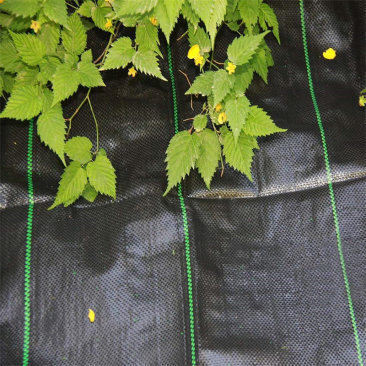
In garden beds, permeable landscape fabric acts as a barrier that prevents weeds while allowing water and nutrients to reach the plants. It is especially beneficial for vegetable gardens where optimal drainage and soil health are essential.
Pathways and Driveways
When used in pathways and driveways, permeable landscape fabric provides a stable base while preventing the growth of weeds. It allows water to drain through the surface, reducing puddling and erosion.
Stormwater Management Systems
Permeable fabrics play a crucial role in stormwater management systems. By directing excess water away from structures and into designated drainage areas, they help to prevent flooding and water damage.
Landscaping Around Trees
Creating a protective barrier around trees with permeable landscape fabric ensures that the roots receive sufficient water and nutrients while preventing competition from weeds.
6. Installation Methods for Permeable Landscape Fabric
Proper installation is key to maximizing the benefits of permeable landscape fabric. Here’s a step-by-step guide to help you:
Step 1: Prepare the Area
Clear the area of any debris, rocks, or vegetation. Level the ground to create a smooth surface for the fabric. Ensure that the soil is adequately compacted to prevent settling.
Step 2: Lay the Fabric
Unroll the permeable landscape fabric over the prepared area, overlapping edges where necessary. Allow for sufficient fabric to extend beyond the edges for secure anchoring.
Step 3: Secure the Fabric
Use landscape staples or stakes to secure the fabric in place. This will prevent it from shifting or blowing away during storms or high winds.
Step 4: Add Soil or Mulch
Cover the fabric with a layer of soil or mulch, ensuring it is evenly distributed. This layer will help protect the fabric from UV exposure and physical damage while enhancing the aesthetic appeal of your landscape.
7. Maintenance Tips for Optimal Performance
To ensure that your permeable landscape fabric performs effectively over time, follow these maintenance tips:
Regular Inspections
Periodically check the fabric for signs of wear, damage, or clogging. Address any issues promptly to maintain optimal drainage and filtration.
Weed Control
While permeable landscape fabric reduces weed growth, some stubborn weeds may still emerge. Regularly inspect the area and remove any weeds by hand to prevent them from spreading.
Soil Aeration
Over time, soil can become compacted, leading to reduced drainage efficiency. Aerate the soil as needed to maintain healthy soil structure and ensure proper water infiltration.
8. Frequently Asked Questions
What is the lifespan of permeable landscape fabric?
The lifespan of permeable landscape fabric varies based on material quality and environmental conditions, typically lasting between 5 to 15 years.
Can permeable landscape fabric be used for all types of soil?
Yes, permeable landscape fabric can be used in various soil types, but its effectiveness can vary. It is particularly beneficial in sandy or loamy soils that have good drainage.
Is permeable landscape fabric environmentally friendly?
Yes, it promotes natural water filtration and helps minimize runoff, making it an environmentally sustainable option for landscaping.
How do I know if my permeable landscape fabric is clogged?
Signs of clogging include poor drainage, pooling water on the surface, and an increase in weed growth. Regular inspections can help identify these issues early.
Can permeable landscape fabric be reused?
In some cases, permeable landscape fabric can be removed, cleaned, and reused, although its longevity may be reduced after initial installation.
9. Conclusion
In summary, permeable landscape fabric is an essential element in modern landscaping and construction practices. By understanding its scientific principles and practical applications, we can harness its benefits to promote healthier landscapes, reduce erosion, and manage stormwater effectively. Whether you're planning a garden, pathway, or drainage solution, incorporating permeable landscape fabric will undoubtedly enhance your projects and contribute to a more sustainable environment. Embrace the science behind this innovative material and watch your landscapes thrive!
permeable landscape fabric

LEAVE A MESSAGE
MESSAGE