



16
2025
-
12
Understanding the Different Types of Woven Ground Cover Fabrics: Your Comprehensive Guide
Understanding the Different Types of Woven Ground Cover Fabrics Table of Contents What Are Woven Ground Cover Fabrics? Types of Woven Ground Cover Fabrics Polypropylene Fabrics Polyester Fabrics Geotextiles Benefits of Using Woven Ground Cover Fabrics Applications of Ground Cover Fabrics How to Choose the Right Woven G

Understanding the Different Types of Woven Ground Cover Fabrics
Table of Contents
- What Are Woven Ground Cover Fabrics?
- Types of Woven Ground Cover Fabrics
- Benefits of Using Woven Ground Cover Fabrics
- Applications of Ground Cover Fabrics
- How to Choose the Right Woven Ground Cover Fabric
- Installation Guide for Woven Ground Cover Fabrics
- Maintenance and Care of Woven Ground Cover Fabrics
- Frequently Asked Questions
What Are Woven Ground Cover Fabrics?
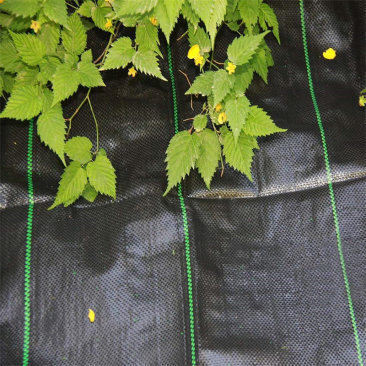
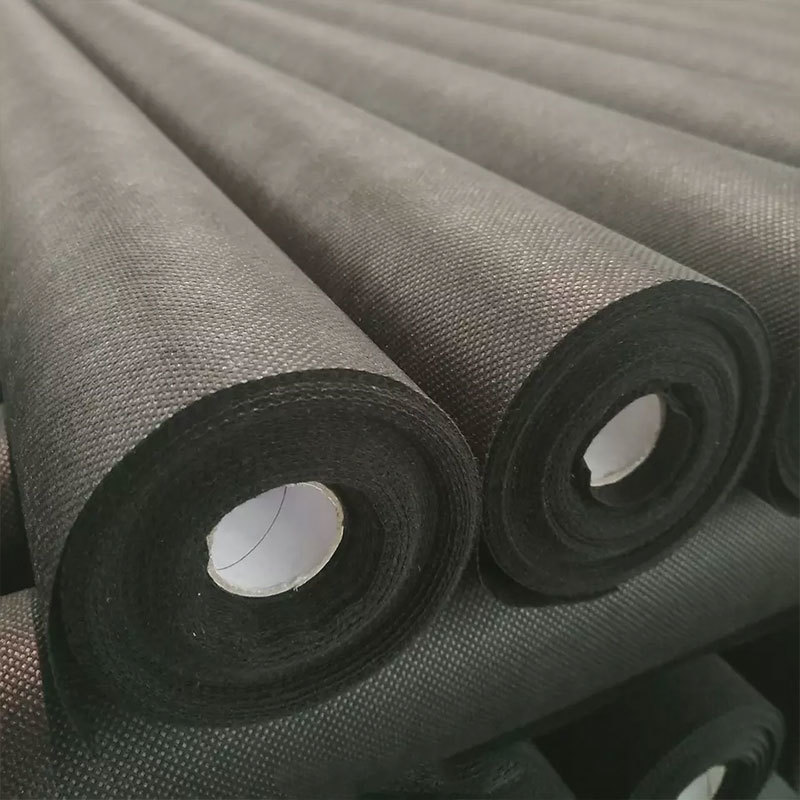
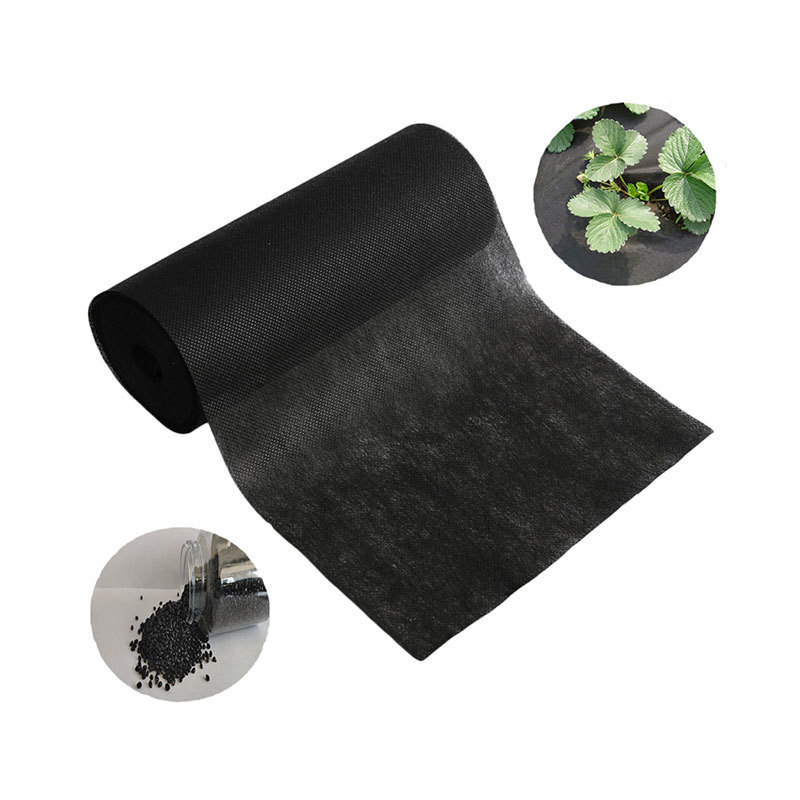
Woven ground cover fabrics are versatile materials designed to provide protective coverings for soil and plants. These fabrics are typically made from synthetic fibers and offer an array of benefits, including weed control, soil erosion prevention, and moisture retention. Their woven nature allows for superior drainage while still providing a barrier against unwanted vegetation.
Types of Woven Ground Cover Fabrics
When choosing woven ground cover fabrics, it’s essential to understand the different types available. Each type has its unique features and applications that cater to specific landscaping and construction needs.
Polypropylene Fabrics
Polypropylene fabrics are among the most popular types of woven ground cover fabrics. They are known for their high tensile strength, durability, and resistance to UV degradation. Commonly used in agricultural applications, these fabrics effectively suppress weeds while allowing water and nutrients to reach the soil.
Polyester Fabrics
Polyester fabrics, although less common than polypropylene, offer excellent resistance to rot and mildew. They are ideal for areas with high moisture content, making them suitable for wetland restoration projects. Their lightweight nature also makes them easy to install and manipulate.
Geotextiles
Geotextiles are specially engineered fabrics that serve multiple functions in soil stabilization and erosion control. Often used in civil engineering projects, these fabrics can filter, separate, and reinforce soil layers, making them a critical component in road construction, slope stabilization, and drainage systems.
Benefits of Using Woven Ground Cover Fabrics
Woven ground cover fabrics offer numerous advantages, enhancing the health and aesthetics of your landscape. Here are some key benefits:
- Weed Suppression: The primary function of these fabrics is to block sunlight, preventing weed growth.
- Erosion Control: By stabilizing the soil, woven fabrics prevent erosion caused by water runoff and wind.
- Moisture Retention: These fabrics help retain soil moisture, reducing the need for frequent watering.
- Soil Temperature Regulation: They help maintain consistent soil temperatures, promoting healthy plant growth.
- Easy Installation: Most woven ground cover fabrics are lightweight and easy to install, making them a favorite among DIY enthusiasts.
Applications of Ground Cover Fabrics
Woven ground cover fabrics find applications in various fields. Their versatility makes them suitable for:
- Landscaping: Used in flower beds, vegetable gardens, and under patios to control weeds and enhance aesthetics.
- Construction: Employed in road and building foundations to prevent soil movement and support stability.
- Agriculture: Used in crop production to protect soil and control weeds while allowing water infiltration.
- Environmental Projects: Crucial in erosion control and land reclamation efforts.
How to Choose the Right Woven Ground Cover Fabric
Selecting the right woven ground cover fabric involves considering several factors:
- Purpose: Determine if the fabric is for landscaping, construction, or agricultural use.
- Material: Choose between polypropylene, polyester, or geotextiles based on your specific needs.
- Weight and Thickness: Heavier fabrics offer more durability, while lighter fabrics are easier to handle.
- UV Resistance: If the fabric will be exposed to sunlight, ensure it has adequate UV resistance.
Installation Guide for Woven Ground Cover Fabrics
Proper installation of woven ground cover fabrics is crucial for maximizing their effectiveness. Follow these steps for a successful installation:
- Prepare the Area: Clear the site of debris, weeds, and large rocks.
- Level the Ground: Ensure the ground is even for optimal fabric performance.
- Lay the Fabric: Roll out the fabric in the desired area, overlapping edges by at least 6 inches.
- Secure the Fabric: Use landscape staples or pins to hold the fabric in place, especially on slopes.
- Cover with Mulch: Add a layer of mulch or gravel on top of the fabric for added protection and aesthetics.
Maintenance and Care of Woven Ground Cover Fabrics
To ensure the longevity and effectiveness of woven ground cover fabrics, regular maintenance is vital. Here are some tips:
- Inspect for Damage: Regularly check the fabric for any tears or wear and repair as needed.
- Remove Debris: Keep the surface clear of leaves and debris to maintain drainage.
- Monitor Plant Growth: Ensure that plants are not obstructed by the fabric and adjust as necessary.
Frequently Asked Questions
1. How long do woven ground cover fabrics last?
Most woven ground cover fabrics can last from 5 to 20 years, depending on the material and environmental conditions.
2. Can I reuse woven ground cover fabrics after removal?
Yes, if they are in good condition, woven ground cover fabrics can be reused for other projects.
3. Are woven ground cover fabrics biodegradable?
Most synthetic woven fabrics are not biodegradable, but there are some eco-friendly options available made from natural fibers.
4. How effective are woven ground cover fabrics in preventing weed growth?
Woven fabrics are highly effective in suppressing weed growth when installed correctly, blocking sunlight while allowing water and air to penetrate.
5. Can I plant directly on top of woven ground cover fabrics?
Yes, you can plant directly on top of the fabrics, but it’s essential to ensure that they are not completely covered or smothered by the plants.
Conclusion
Understanding the different types of woven ground cover fabrics is essential for making informed decisions in landscaping and construction. By recognizing the benefits, applications, and maintenance requirements of these fabrics, you can enhance the longevity and health of your outdoor spaces. Whether you’re a DIY enthusiast or a professional contractor, the right woven ground cover fabric can make all the difference in your projects.
woven ground cover fabric

LEAVE A MESSAGE
MESSAGE