




18
2025
-
12
Exploring Different Types of Ground Weed Control Fabric for Various Applications
Exploring Different Types of Ground Weed Control Fabric for Various Applications Table of Contents 1. Introduction to Ground Weed Control Fabrics 2. Why Use Weed Control Fabrics? 2.1 Benefits of Weed Control Fabrics 2.2 Common Misconceptions 3. Types of Ground Weed Control Fabrics 3.1 Woven Fabric 3.2 Non-Woven Fabric 3.3 Biodegradable Fabric 3.4 UV-Resistant Fabrics 4. Appli

Exploring Different Types of Ground Weed Control Fabric for Various Applications
Table of Contents
1. Introduction to Ground Weed Control Fabrics
2. Why Use Weed Control Fabrics?
2.1 Benefits of Weed Control Fabrics
2.2 Common Misconceptions
3. Types of Ground Weed Control Fabrics
3.1 Woven Fabric
3.2 Non-Woven Fabric
3.3 Biodegradable Fabric
3.4 UV-Resistant Fabrics
4. Applications of Weed Control Fabrics
4.1 Residential Landscaping
4.2 Agricultural Use
4.3 Erosion Control
4.4 Pathways and Driveways
5. How to Choose the Right Weed Control Fabric
5.1 Assessing Your Needs
5.2 Factors to Consider
6. Installation Guidelines for Weed Control Fabrics
6.1 Preparing the Site
6.2 Laying and Securing the Fabric
7. Maintenance of Weed Control Fabrics
8. Frequently Asked Questions
9. Conclusion
1. Introduction to Ground Weed Control Fabrics
Ground weed control fabrics are essential tools in modern landscaping and agricultural practices. These materials act as barriers to prevent unwanted weeds from taking root while still allowing water, air, and nutrients to penetrate the soil. As we delve into the different types of ground weed control fabric, we will uncover their unique properties, applications, and benefits.
2. Why Use Weed Control Fabrics?
Weed control fabrics serve multiple purposes, making them a valuable addition to various landscapes and gardens. Understanding why these materials are crucial can help you make informed decisions.
2.1 Benefits of Weed Control Fabrics
- **Weed Suppression**: The primary function of these fabrics is to hinder weed growth. By blocking sunlight, they prevent photosynthesis, which is vital for weed survival.
- **Soil Erosion Prevention**: They stabilize the soil, reducing erosion caused by wind and water.
- **Water Management**: These fabrics facilitate proper drainage while retaining moisture, crucial for the health of your plants.
- **Longevity**: High-quality fabrics can last several years, providing consistent weed control without frequent replacements.
2.2 Common Misconceptions
Many individuals believe that using weed control fabrics eliminates the need for regular maintenance. While these fabrics significantly reduce weed growth, occasional checks and maintenance are still necessary to ensure optimal performance.
3. Types of Ground Weed Control Fabrics
Various types of ground weed control fabrics cater to different applications and environments. Understanding these distinctions is vital for selecting the right fabric for your specific needs.
3.1 Woven Fabric
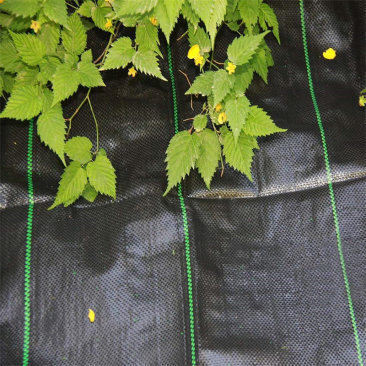
Woven fabrics are constructed from interlaced polypropylene or polyethylene fibers. They are sturdy and offer excellent durability against UV rays. These fabrics are ideal for long-term applications, such as landscape beds and commercial projects, as they provide robust weed resistance while allowing air and water to pass through.
3.2 Non-Woven Fabric
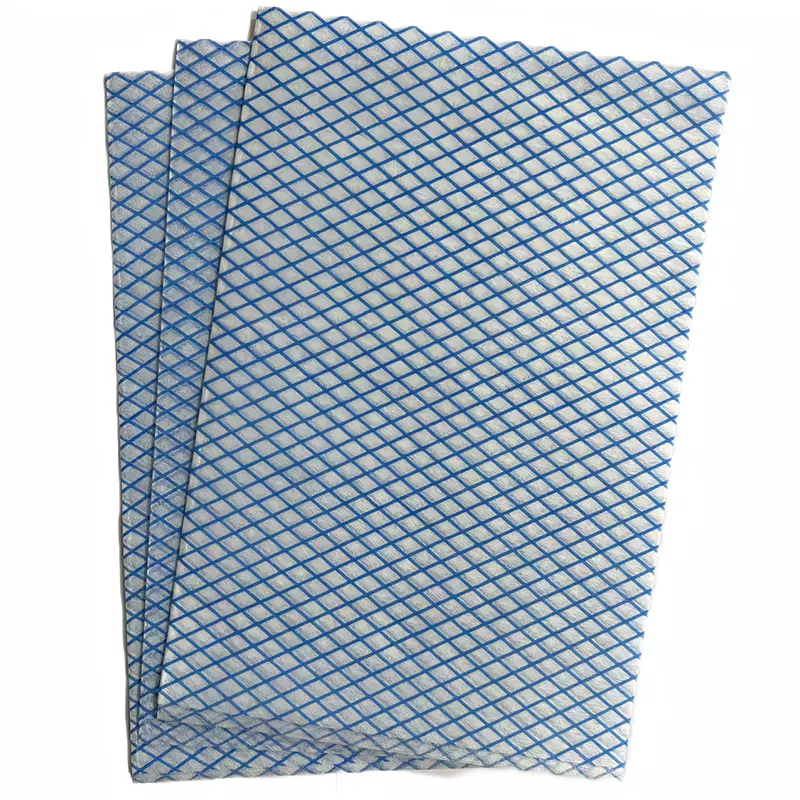
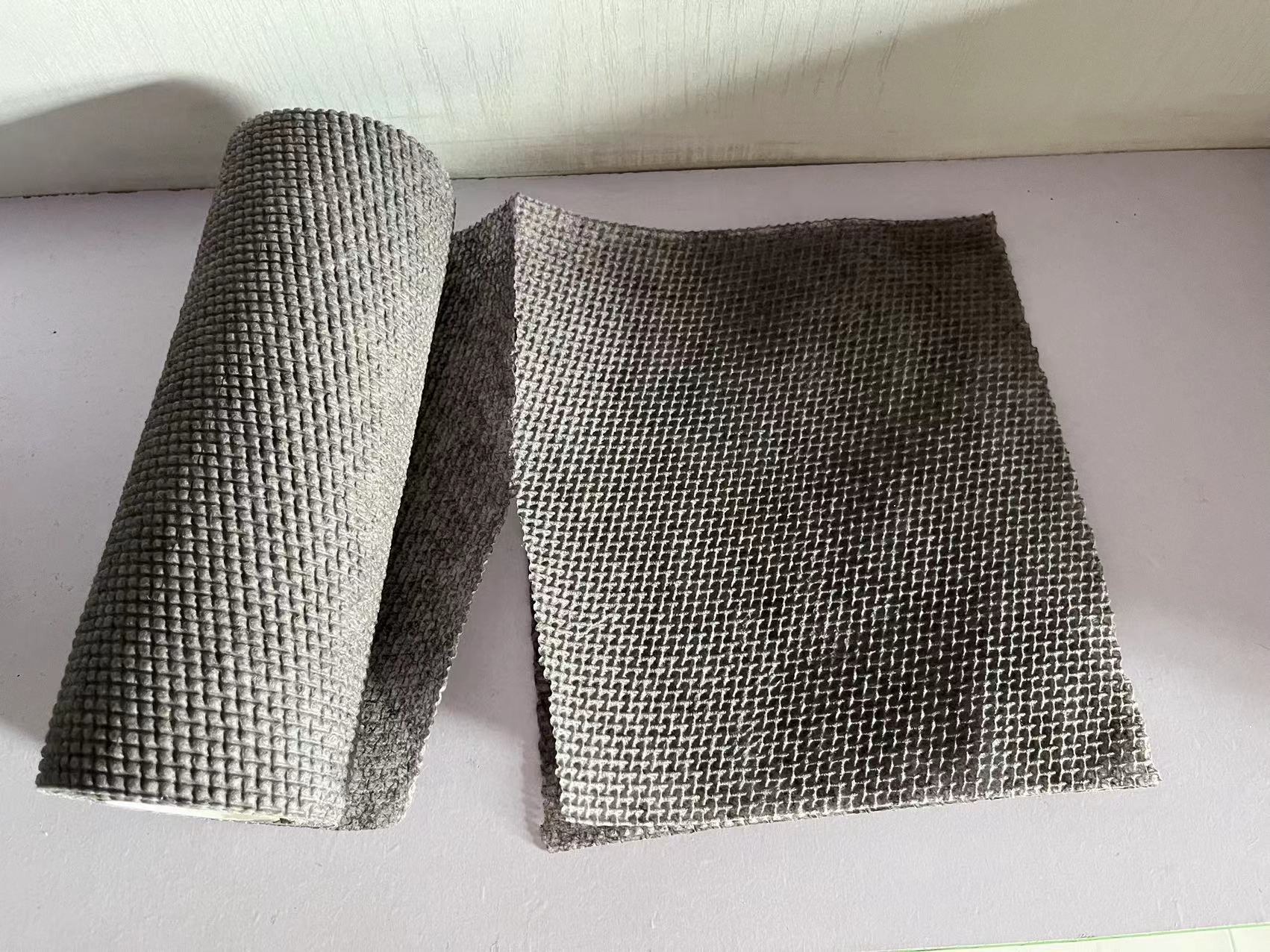
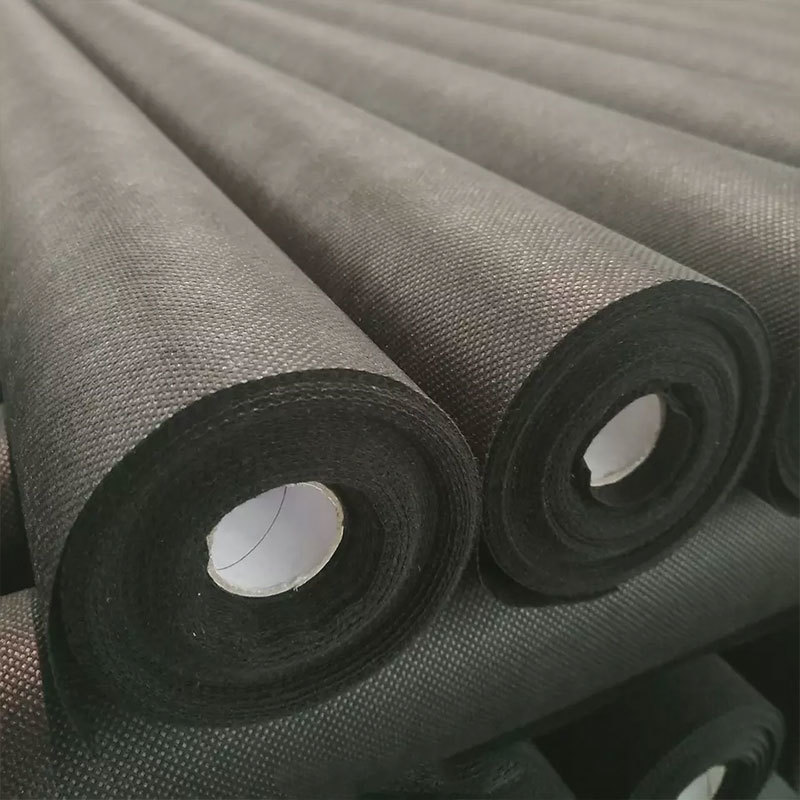
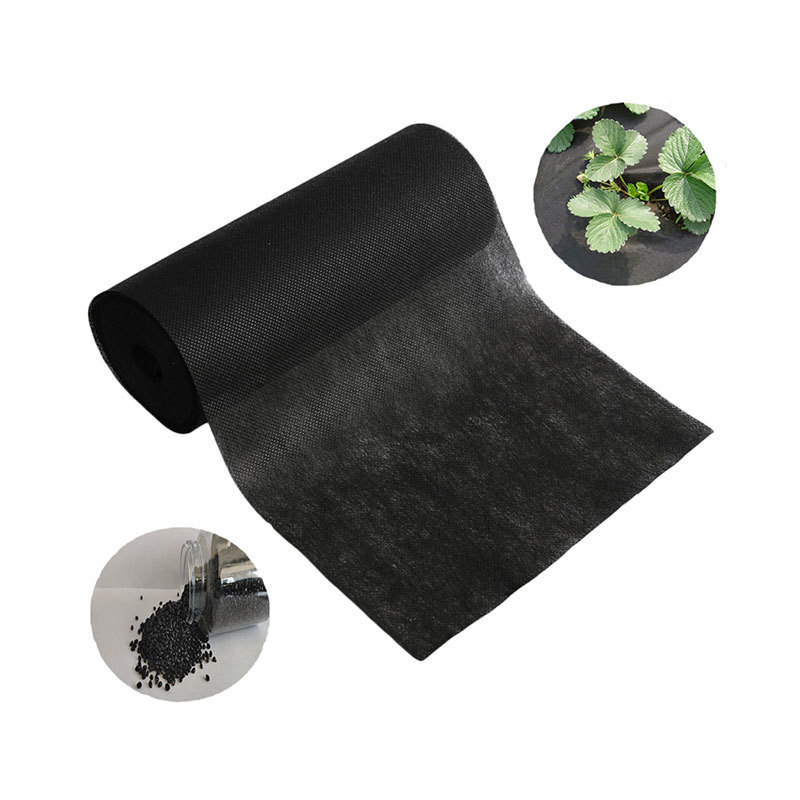
Unlike woven fabrics, non-woven options are made from bonded fibers, creating a product that is typically lighter and more permeable. These fabrics are best for short-term applications, such as temporary planting or landscaping projects, where rapid degradation is acceptable.
3.3 Biodegradable Fabric
Biodegradable fabrics are composed of organic materials that naturally decompose over time. They are an excellent choice for environmentally conscious gardeners who seek to reduce plastic waste. Ideal for use in organic gardening, these fabrics provide weed control while enriching the soil as they break down.
3.4 UV-Resistant Fabrics
UV-resistant fabrics are treated to withstand the damaging effects of sunlight. Ideal for areas with intense sunlight exposure, these fabrics can significantly extend the life of your weed control fabric, making them suitable for long-term applications.
4. Applications of Weed Control Fabrics
The versatility of weed control fabrics allows their use in a variety of settings and projects.
4.1 Residential Landscaping
In residential landscaping, weed control fabrics are commonly used in flower beds and around trees. They help maintain soil moisture while preventing the growth of intrusive weeds that can compete with your plants.
4.2 Agricultural Use
Farmers utilize weed control fabrics to create designated planting areas. These fabrics can enhance crop yields by reducing competition from weeds, allowing crops to thrive without unnecessary interference.
4.3 Erosion Control
In areas prone to erosion, weed control fabrics play a crucial role. They stabilize soil in gardens, slopes, and construction sites, preventing the loss of soil and nutrients.
4.4 Pathways and Driveways
Weed control fabrics are also utilized under gravel paths and driveways, preventing weed growth while allowing water to drain effectively. This application enhances both the aesthetics and functionality of outdoor spaces.
5. How to Choose the Right Weed Control Fabric
Selecting the appropriate ground weed control fabric depends on several factors.
5.1 Assessing Your Needs
Identifying the primary purpose of the fabric is crucial. Consider whether you need long-term or short-term control, the type of plants involved, and the specific environmental conditions of your site.
5.2 Factors to Consider
- **Durability Requirements**: Depending on the expected lifespan of the project, select a fabric that meets your durability needs.
- **Water and Air Permeability**: Ensure the fabric allows adequate water and air flow to maintain soil health.
- **Cost**: While cheaper options may be tempting, consider the long-term savings associated with higher-quality fabrics.
6. Installation Guidelines for Weed Control Fabrics
Proper installation is vital for optimal performance. Follow these steps to ensure effective use of your weed control fabric.
6.1 Preparing the Site
Begin by clearing the area of existing weeds and debris. It is essential to create a smooth, even surface before laying down the fabric.
6.2 Laying and Securing the Fabric
Lay the fabric over the prepared area, overlapping edges when necessary to prevent gaps. Secure the fabric using landscape staples or pins to keep it in place, especially in windy conditions.
7. Maintenance of Weed Control Fabrics
Even with weed control fabric in place, regular maintenance is vital to ensure its longevity and effectiveness. Check for any signs of damage or wear, and remove any debris that may accumulate on the surface, as this can promote weed growth.
8. Frequently Asked Questions
**Q1: How long does weed control fabric last?**
A1: The lifespan of weed control fabric varies based on the type. Woven fabrics can last up to 10 years, while biodegradable fabrics may last one to three years.
**Q2: Can I plant directly through the weed control fabric?**
A2: Yes, many fabrics allow for planting directly through them. Be sure to cut an opening for the plant, ensuring the fabric remains intact around the plant base.
**Q3: Is it necessary to remove the fabric after a certain period?**
A3: Not necessarily. Some fabrics can remain in place for years, especially woven and UV-resistant options. Biodegradable fabrics will naturally decompose over time.
**Q4: How do I know what type of fabric is best for my garden?**
A4: Assess your garden's specific needs, including plant types, sunlight exposure, and whether you need a long-term or short-term solution.
**Q5: Can I use landscape mulch with weed control fabric?**
A5: Yes, applying mulch on top of the fabric enhances its effectiveness by suppressing light and providing additional weed resistance.
9. Conclusion
Ground weed control fabrics are invaluable tools in landscape management and agricultural practices. By understanding the different types available, their applications, and installation techniques, we can make informed decisions that promote healthier, weed-free environments. Whether you are a homeowner, landscaper, or farmer, selecting the right fabric tailored to your specific needs will ensure successful weed control and contribute to the overall health of your soil and plants.
ground weed control fabric

LEAVE A MESSAGE
MESSAGE