



20
2025
-
12
How to Choose the Right PP Nonwoven Fabric for Your Needs: A Comprehensive Guide
How to Choose the Right PP Nonwoven Fabric for Your Needs Table of Contents 1. Introduction to PP Nonwoven Fabric 2. Understanding Nonwoven Fabrics 3. What is PP Nonwoven Fabric? 4. Types of PP Nonwoven Fabrics 5. Key Factors to Consider When Choosing PP Nonwoven Fabric 6. Applications of PP Nonwoven Fabric 7. Benefits of Using PP Nonwoven Fabric 8. Maintenance and

How to Choose the Right PP Nonwoven Fabric for Your Needs
Table of Contents
- 1. Introduction to PP Nonwoven Fabric
- 2. Understanding Nonwoven Fabrics
- 3. What is PP Nonwoven Fabric?
- 4. Types of PP Nonwoven Fabrics
- 5. Key Factors to Consider When Choosing PP Nonwoven Fabric
- 6. Applications of PP Nonwoven Fabric
- 7. Benefits of Using PP Nonwoven Fabric
- 8. Maintenance and Care for PP Nonwoven Fabrics
- 9. Conclusion
- 10. FAQs
1. Introduction to PP Nonwoven Fabric
Choosing the right PP nonwoven fabric can significantly influence the outcome of your projects, whether they involve manufacturing, packaging, or other applications. With various options available, understanding the unique properties and functionalities of PP nonwoven fabrics is crucial. In this comprehensive guide, we will explore the essential factors to consider, various types of fabrics, and their applications to help you make an informed choice.
2. Understanding Nonwoven Fabrics
Nonwoven fabrics are engineered textiles made from fibers that are bonded together through various processes, such as mechanical, thermal, or chemical means. Unlike traditional woven fabrics, nonwoven materials do not require weaving or knitting processes, making them versatile and cost-effective. The unique characteristics of nonwoven fabrics make them suitable for a wide range of applications, from personal protective equipment to agricultural use.
3. What is PP Nonwoven Fabric?
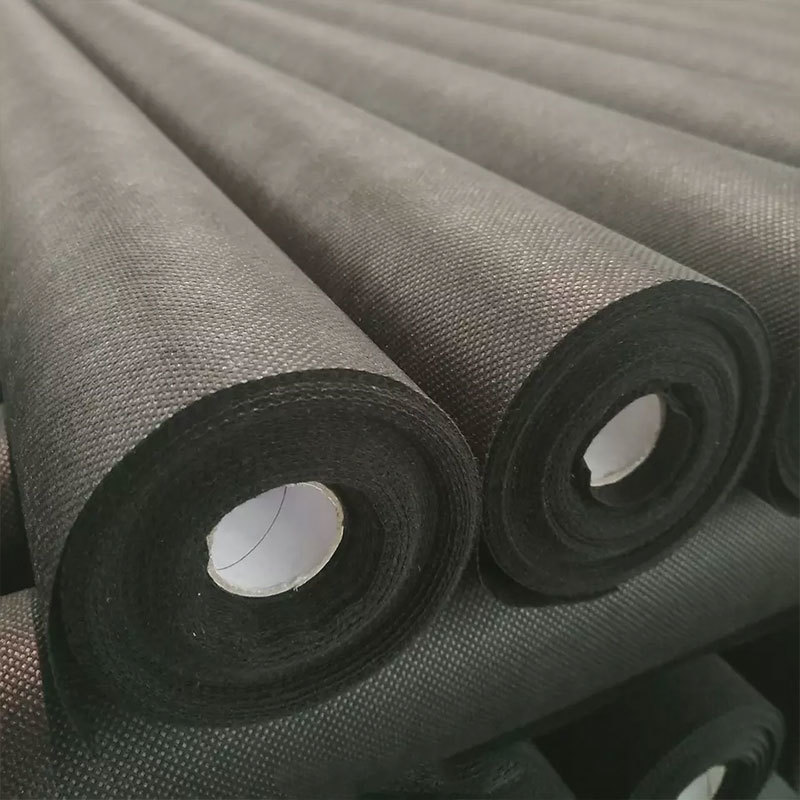
PP nonwoven fabric, or polypropylene nonwoven fabric, is a type of nonwoven textile made from polypropylene fibers. This fabric is known for its excellent durability, lightweight nature, and resistance to moisture and chemicals. PP nonwoven fabric is widely used in various industries due to its versatility and cost-effectiveness.
3.1 Characteristics of PP Nonwoven Fabric
PP nonwoven fabric boasts several remarkable characteristics, including:
- **Strength and Durability**: The fabric exhibits high tensile strength, making it suitable for various applications that require robustness.
- **Water Resistance**: It is naturally water-repellent, which helps prevent mold and mildew growth.
- **Breathability**: Despite its density, PP nonwoven fabric allows for air circulation, making it comfortable for use in clothing and other applications.
- **Chemical Resistance**: This fabric is resistant to many chemicals, adding to its versatility in different environments.
4. Types of PP Nonwoven Fabrics
When choosing PP nonwoven fabric, it is vital to understand the different types available, as they cater to various needs and applications. Here are the primary types of PP nonwoven fabrics:
4.1 Spunbond Nonwoven Fabric
Spunbond nonwoven fabric is produced by spinning polypropylene fibers and bonding them together through heat. This type of fabric is lightweight yet strong, making it ideal for applications such as disposable medical gowns and hygiene products.
4.2 Meltblown Nonwoven Fabric
Meltblown nonwoven fabric is created by extruding molten polypropylene fibers through fine nozzles. This process produces a fabric with excellent filtration properties, making it suitable for air and liquid filtration products, such as masks and HVAC filters.
4.3 Needle-Punched Nonwoven Fabric
This type of fabric is produced by mechanically entangling fibers using barbed needles. Needle-punched nonwoven fabric is known for its thickness and durability, making it suitable for applications in automotive and construction industries.
5. Key Factors to Consider When Choosing PP Nonwoven Fabric
When selecting the right PP nonwoven fabric for your needs, several factors should be taken into account:
5.1 Purpose and Application
Understanding the intended application is crucial. Whether you need the fabric for medical purposes, filtration, or protective clothing, identifying the specific requirements will guide your choice.
5.2 Thickness and Weight
The thickness and weight of the fabric can significantly impact its performance. Thicker fabrics provide more durability, while lighter options may be more suitable for disposable applications.
5.3 Chemical Resistance
If the fabric will be exposed to harsh chemicals, ensure it has adequate resistance to prevent degradation.
5.4 Breathability and Comfort
For applications involving clothing or direct skin contact, consider the breathability and comfort of the fabric to ensure user satisfaction.
5.5 Cost-Effectiveness
Evaluate the cost of the fabric in relation to its performance and durability. Sometimes, investing a bit more upfront can save costs in the long run due to reduced replacement frequency.
6. Applications of PP Nonwoven Fabric
PP nonwoven fabric is utilized across a multitude of industries, serving various functions:
6.1 Healthcare and Hygiene
In the healthcare sector, PP nonwoven fabrics are essential for manufacturing surgical gowns, masks, and drapes due to their barrier properties and comfort.
6.2 Agriculture
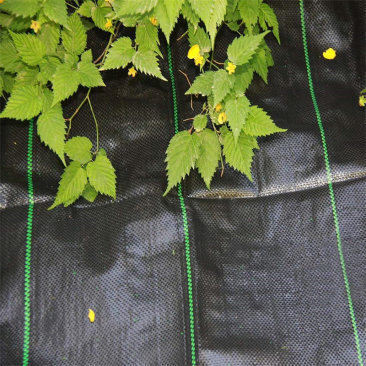
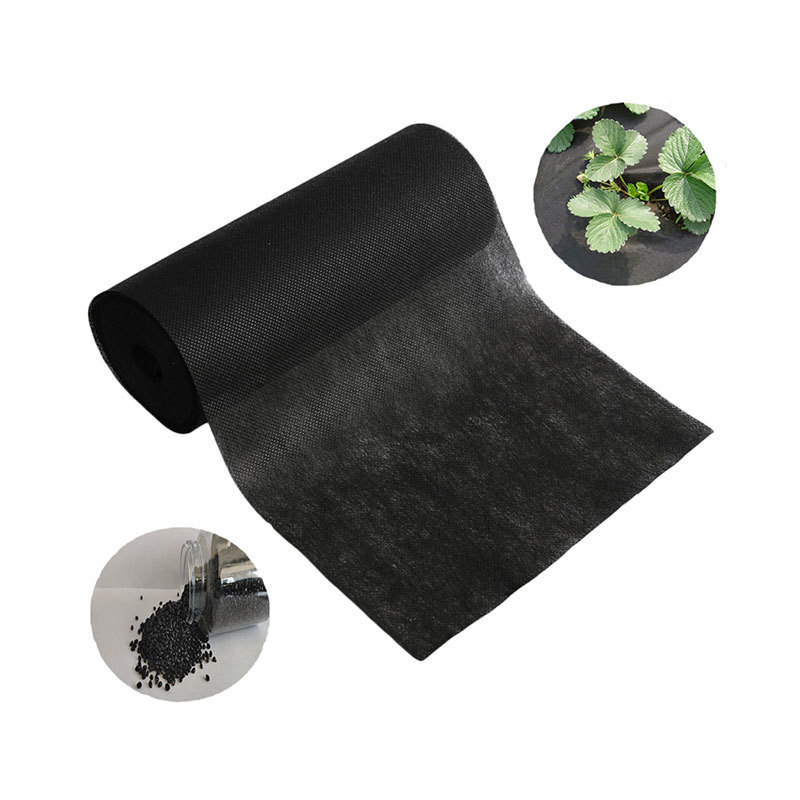
The agricultural industry employs PP nonwoven fabrics for applications such as crop covers, plant protection, and erosion control, benefiting from their UV resistance and breathability.
6.3 Packaging
Packaging solutions often utilize PP nonwoven fabrics due to their strength and lightweight properties, making them suitable for reusable bags, product wraps, and more.
6.4 Automotive
In the automotive industry, PP nonwoven fabrics are used for interior components, sound insulation, and filtration applications, adding value through durability and performance.
6.5 Fashion and Textiles
Fashion industries are increasingly adopting PP nonwoven fabrics for clothing and accessories, leveraging their unique textures and qualities for innovative designs.
7. Benefits of Using PP Nonwoven Fabric
Selecting PP nonwoven fabric offers several notable advantages:
7.1 Eco-Friendliness
PP nonwoven fabrics can be produced from recycled materials, making them a sustainable choice for environmentally-conscious consumers.
7.2 Versatility
The range of types and characteristics available enables a wide array of applications, allowing businesses to adapt to various needs.
7.3 Cost Savings
Due to their durability and longevity, PP nonwoven fabrics can lead to cost savings in the long run, reducing the need for frequent replacements.
7.4 Customizability
Manufacturers can tailor PP nonwoven fabrics to meet specific requirements, including color, thickness, and texture, enhancing the end product's appeal.
8. Maintenance and Care for PP Nonwoven Fabrics
Taking care of PP nonwoven fabric ensures longevity and optimal performance. Here are some maintenance tips:
8.1 Cleaning
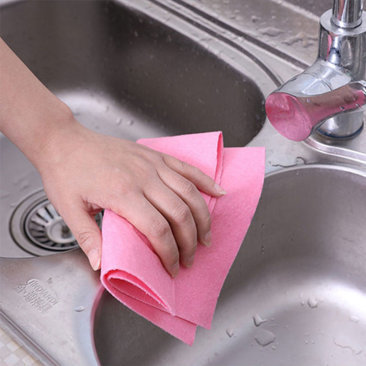
For washable applications, using mild detergents and avoiding bleach can help maintain the fabric's integrity. Follow manufacturer guidelines for specific cleaning procedures.
8.2 Storage
Store PP nonwoven fabrics in a cool, dry place away from direct sunlight to prevent degradation over time.
9. Conclusion
Choosing the right PP nonwoven fabric for your needs is crucial for ensuring optimal performance and satisfaction. By understanding the various types, characteristics, and applications of PP nonwoven fabrics, you can make an informed decision that aligns with your project requirements. Keep in mind the key factors such as thickness, chemical resistance, and cost-effectiveness to ensure you select the ideal fabric for your specific application.
10. FAQs
10.1 What is the difference between spunbond and meltblown PP nonwoven fabric?
Spunbond fabric is durable and lightweight, while meltblown fabric offers excellent filtration properties. The choice depends on the specific application requirements.
10.2 Is PP nonwoven fabric biodegradable?
PP nonwoven fabric is not biodegradable; however, it can be recycled, making it a more environmentally friendly option compared to some other materials.
10.3 Can PP nonwoven fabric be used for outdoor applications?
Yes, PP nonwoven fabric can be used for outdoor applications due to its resistance to moisture and UV radiation.
10.4 How can I determine the right thickness for my application?
Assess your project's requirements, such as durability, weight, and intended use, to determine the appropriate thickness for your PP nonwoven fabric.
10.5 What industries benefit the most from using PP nonwoven fabric?
Industries such as healthcare, agriculture, packaging, automotive, and fashion benefit significantly from the versatility and performance of PP nonwoven fabric.
PP nonwoven fabric

LEAVE A MESSAGE
MESSAGE