


21
2025
-
12
Understanding Polypropylene Nonwoven Fabric: Versatile Solutions for Various Applications
Polypropylene nonwoven fabric is a crucial material in the textile industry, characterized by its unique production process and versatile applications. Made from polypropylene fibers, this nonwoven fabric offers a range of benefits that make it suitable for numerous uses across various sectors. One of the primary advantages of polypropylene nonwoven fabric is its lightweight nature, which contribu

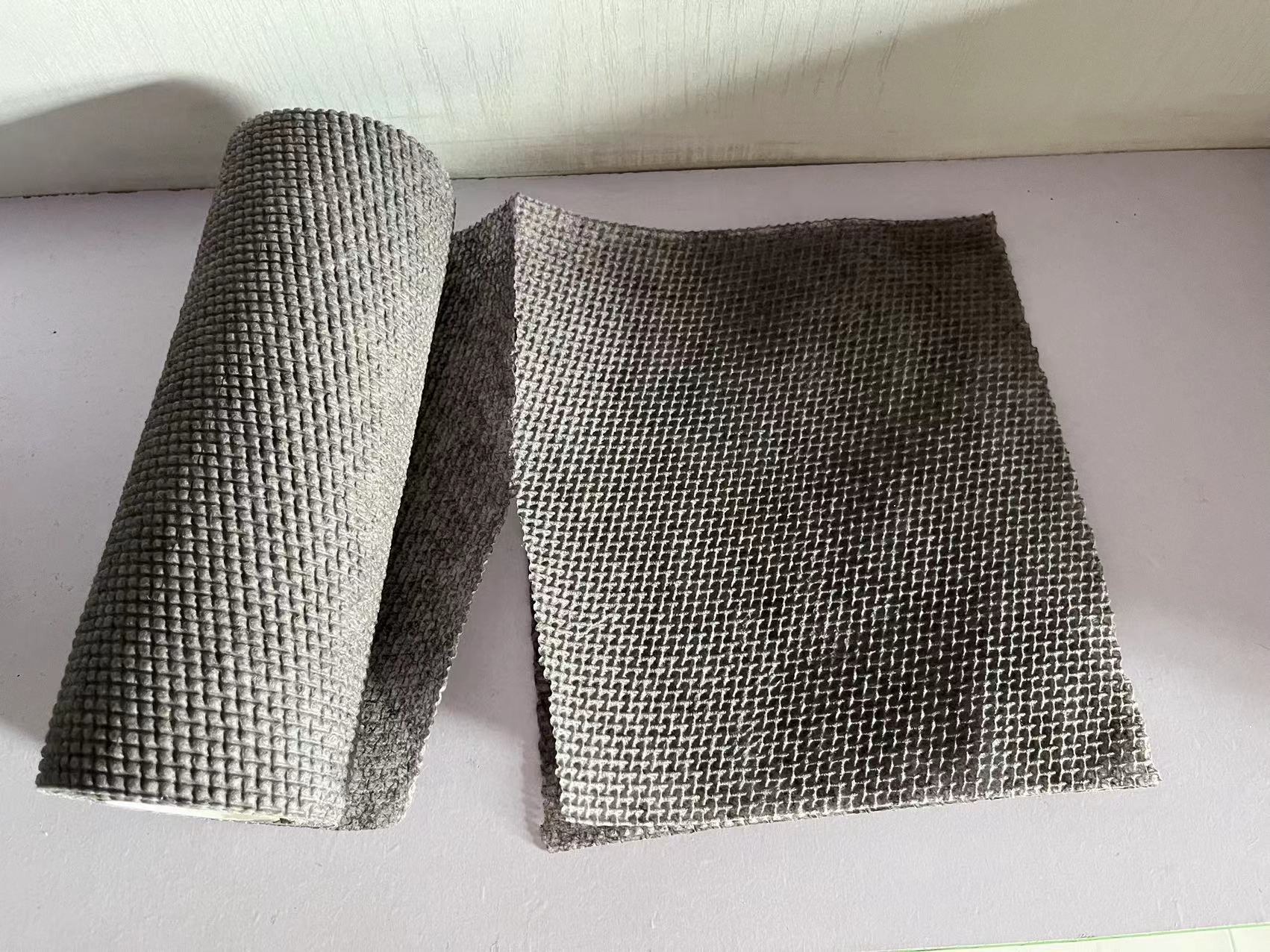
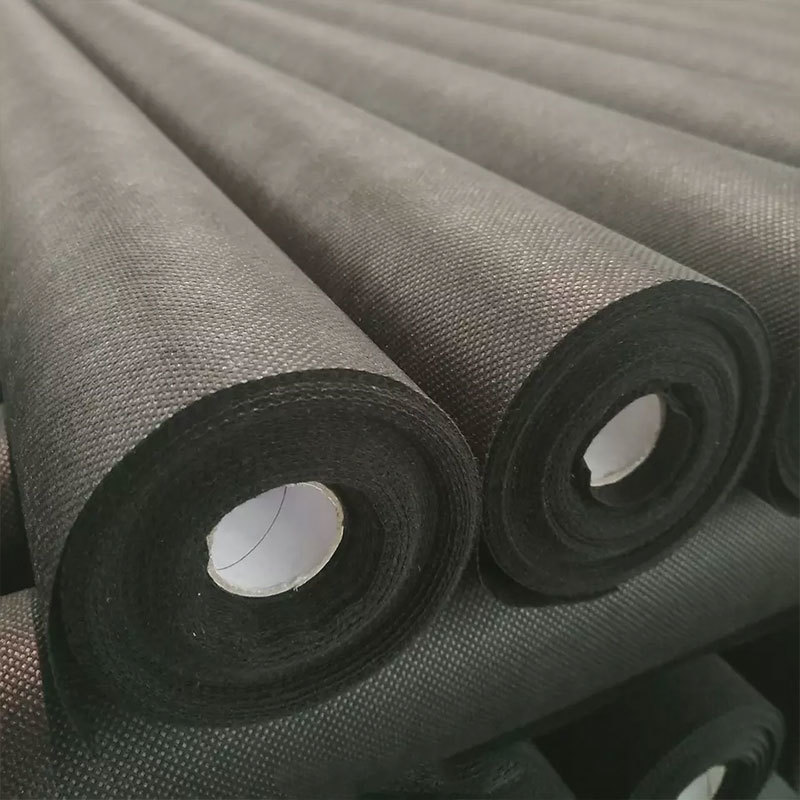
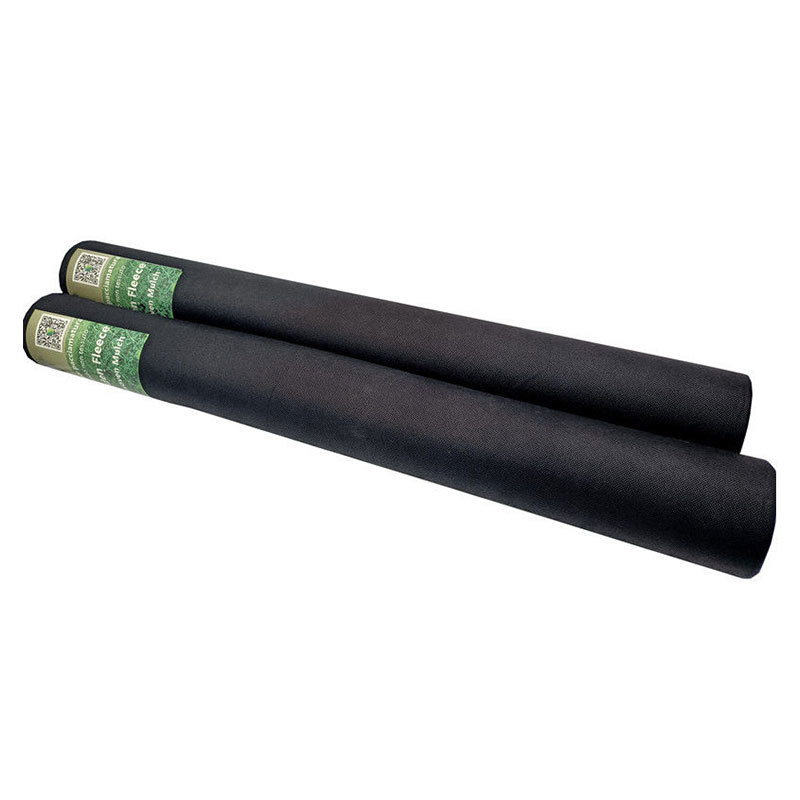
Polypropylene nonwoven fabric is a crucial material in the textile industry, characterized by its unique production process and versatile applications. Made from polypropylene fibers, this nonwoven fabric offers a range of benefits that make it suitable for numerous uses across various sectors.
One of the primary advantages of polypropylene nonwoven fabric is its lightweight nature, which contributes to its ease of handling and application. This fabric is not only lightweight but also durable, providing excellent strength-to-weight ratio. It resists tearing and can withstand various environmental conditions, making it ideal for both indoor and outdoor applications.
Another notable feature of polypropylene nonwoven fabric is its breathability and moisture resistance. This makes it suitable for products that require effective air circulation while maintaining a barrier against moisture. In healthcare settings, for instance, this fabric is often used to create surgical gowns, masks, and other personal protective equipment, ensuring comfort and safety for medical professionals and patients alike.
Sustainability is a growing concern in today's manufacturing processes, and polypropylene nonwoven fabric offers a compelling solution. Many manufacturers are now focusing on producing this fabric using eco-friendly methods, and it is often recyclable. This aspect appeals to environmentally conscious consumers and companies looking to reduce their carbon footprint.
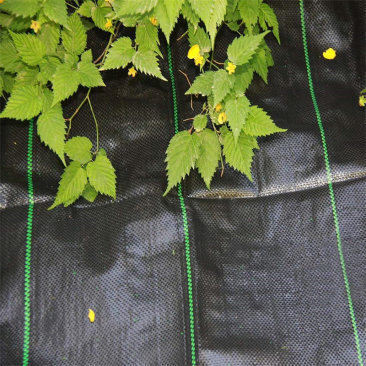
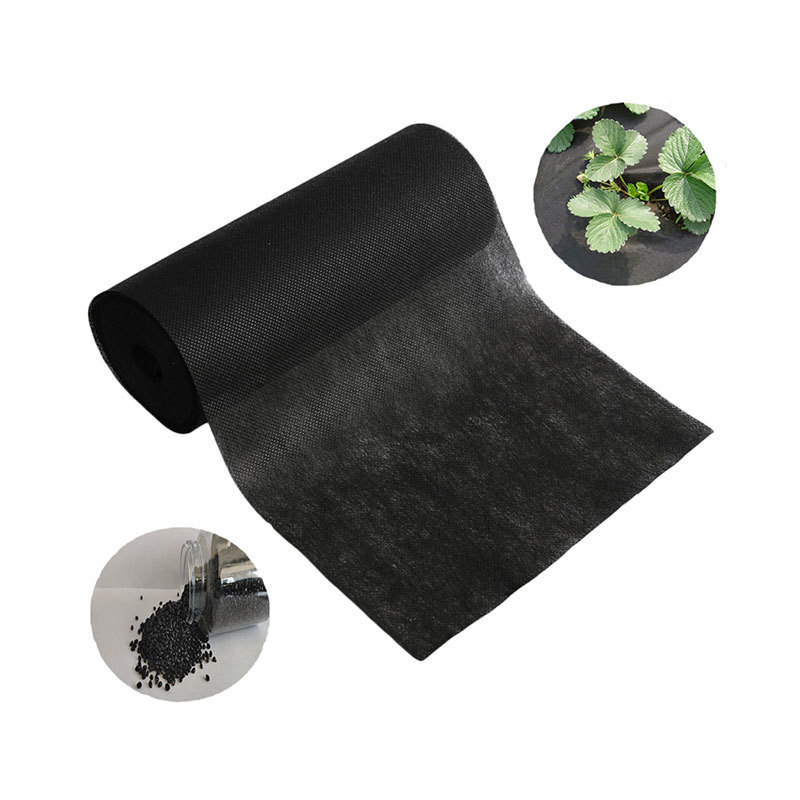
In addition to its use in healthcare, polypropylene nonwoven fabric serves various other industries. In agriculture, it is commonly utilized for weed control and plant protection, creating a barrier that fosters plant growth while preventing weed proliferation. The fabric’s UV stability ensures long-term use in outdoor environments.
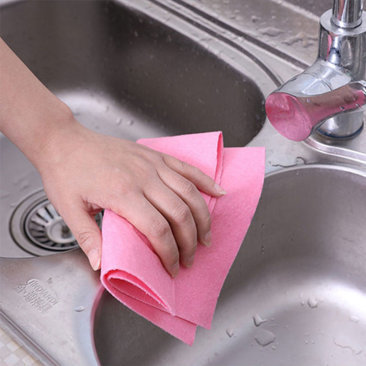
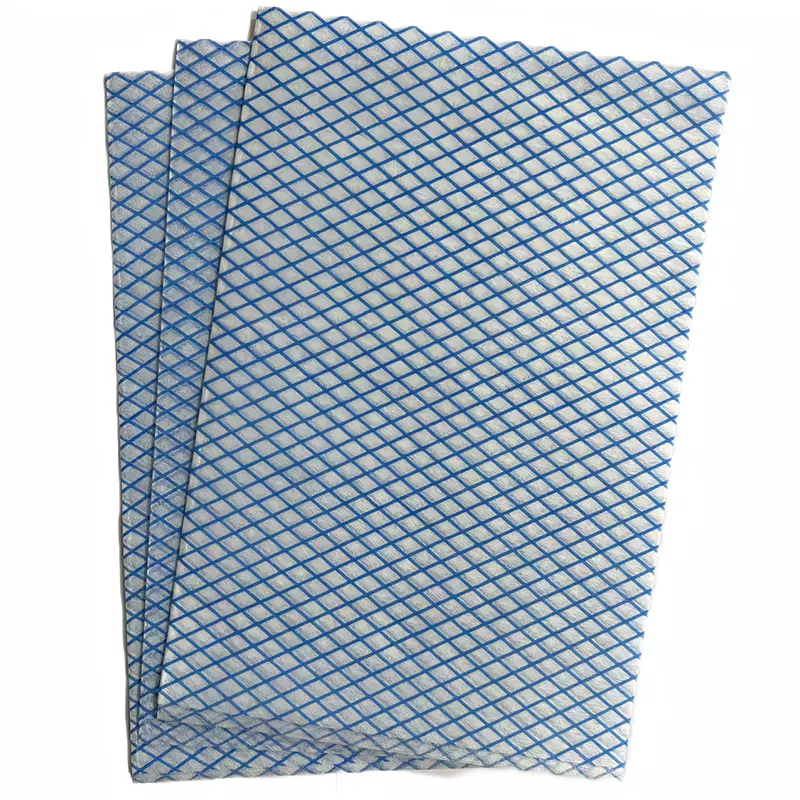
In the home textiles sector, polypropylene nonwoven fabric finds application in products such as linings, bags, and household items. Its ability to be produced in various colors and patterns opens up creative possibilities for designers and manufacturers. Additionally, it is often used in the automotive industry for interior linings and insulation, providing a lightweight yet effective solution for vehicle manufacturers.
Overall, polypropylene nonwoven fabric stands out due to its unique combination of lightweight durability, breathability, and eco-friendliness. Its varied applications across different industries demonstrate its versatility and importance in modern textile manufacturing. Whether you are looking for solutions in healthcare, agriculture, or home textiles, polypropylene nonwoven fabric offers practical and innovative answers to meet your needs. With the ongoing advancements in production techniques and sustainability practices, it is poised to remain a vital material in the textile industry for years to come.
One of the primary advantages of polypropylene nonwoven fabric is its lightweight nature, which contributes to its ease of handling and application. This fabric is not only lightweight but also durable, providing excellent strength-to-weight ratio. It resists tearing and can withstand various environmental conditions, making it ideal for both indoor and outdoor applications.
Another notable feature of polypropylene nonwoven fabric is its breathability and moisture resistance. This makes it suitable for products that require effective air circulation while maintaining a barrier against moisture. In healthcare settings, for instance, this fabric is often used to create surgical gowns, masks, and other personal protective equipment, ensuring comfort and safety for medical professionals and patients alike.
Sustainability is a growing concern in today's manufacturing processes, and polypropylene nonwoven fabric offers a compelling solution. Many manufacturers are now focusing on producing this fabric using eco-friendly methods, and it is often recyclable. This aspect appeals to environmentally conscious consumers and companies looking to reduce their carbon footprint.
In addition to its use in healthcare, polypropylene nonwoven fabric serves various other industries. In agriculture, it is commonly utilized for weed control and plant protection, creating a barrier that fosters plant growth while preventing weed proliferation. The fabric’s UV stability ensures long-term use in outdoor environments.
In the home textiles sector, polypropylene nonwoven fabric finds application in products such as linings, bags, and household items. Its ability to be produced in various colors and patterns opens up creative possibilities for designers and manufacturers. Additionally, it is often used in the automotive industry for interior linings and insulation, providing a lightweight yet effective solution for vehicle manufacturers.
Overall, polypropylene nonwoven fabric stands out due to its unique combination of lightweight durability, breathability, and eco-friendliness. Its varied applications across different industries demonstrate its versatility and importance in modern textile manufacturing. Whether you are looking for solutions in healthcare, agriculture, or home textiles, polypropylene nonwoven fabric offers practical and innovative answers to meet your needs. With the ongoing advancements in production techniques and sustainability practices, it is poised to remain a vital material in the textile industry for years to come.
Polypropylene nonwoven fabric

LEAVE A MESSAGE
MESSAGE