




22
2025
-
12
The Comprehensive Guide to the Manufacturing Process Behind High-Quality Spunbond Nonwoven Fabric
The Comprehensive Guide to the Manufacturing Process Behind High-Quality Spunbond Nonwoven Fabric Table of Contents 1. Understanding Spunbond Nonwoven Fabric 2. Key Advantages of Spunbond Nonwoven Fabric 3. The Manufacturing Process: An Overview 3.1 Raw Material Selection 3.2 Extrusion Process 3.3 Fiber Formation and Spinning 3.4 Web Formation Techniques 3.5 Bonding Processes 3.6 Finishing Treatme

The Comprehensive Guide to the Manufacturing Process Behind High-Quality Spunbond Nonwoven Fabric
Table of Contents
1. Understanding Spunbond Nonwoven Fabric
2. Key Advantages of Spunbond Nonwoven Fabric
3. The Manufacturing Process: An Overview
3.1 Raw Material Selection
3.2 Extrusion Process
3.3 Fiber Formation and Spinning
3.4 Web Formation Techniques
3.5 Bonding Processes
3.6 Finishing Treatments
4. Quality Control in Spunbond Manufacturing
5. Applications of High-Quality Spunbond Nonwoven Fabric
6. Environmental Considerations in Spunbond Fabric Production
7. Future Trends in Nonwoven Fabric Manufacturing
8. Frequently Asked Questions (FAQs)
9. Conclusion
1. Understanding Spunbond Nonwoven Fabric
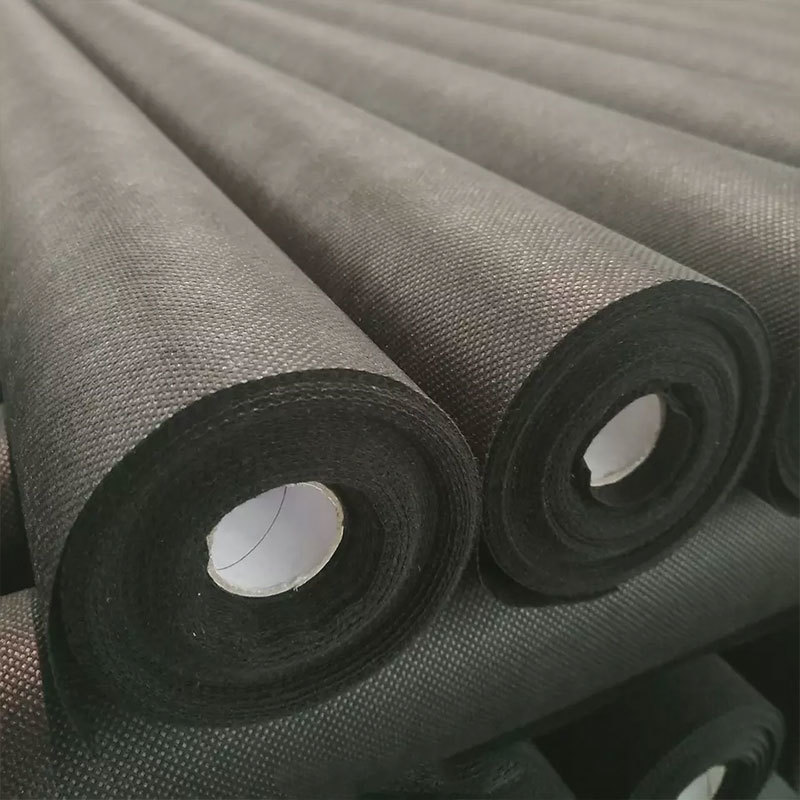
Spunbond nonwoven fabric is a type of textile made from continuous filaments of thermoplastic fibers, which are bonded together through heat or chemical processes. Unlike traditional woven or knitted fabrics, nonwoven fabrics are produced without the need for yarns. This unique manufacturing approach allows for greater efficiency, reduced production times, and the ability to create versatile materials suited for a wide range of applications, from medical textiles to automotive components.
2. Key Advantages of Spunbond Nonwoven Fabric
Spunbond nonwoven fabrics offer numerous advantages over traditional fabrics. These include:
- **Durability**: The fibers in spunbond nonwoven fabrics are strong and resistant to tearing, making them suitable for demanding applications.
- **Lightweight**: Despite their strength, spunbond fabrics are lightweight, which enhances their usability across various sectors.
- **Breathability**: These fabrics allow air and moisture to pass through, making them ideal for applications such as hygiene products.
- **Cost-effectiveness**: The manufacturing process is often less expensive than traditional fabric production, resulting in lower costs for consumers.
3. The Manufacturing Process: An Overview
The production of high-quality spunbond nonwoven fabric involves several key steps. Understanding each stage is crucial for ensuring the final product meets the desired specifications.
3.1 Raw Material Selection
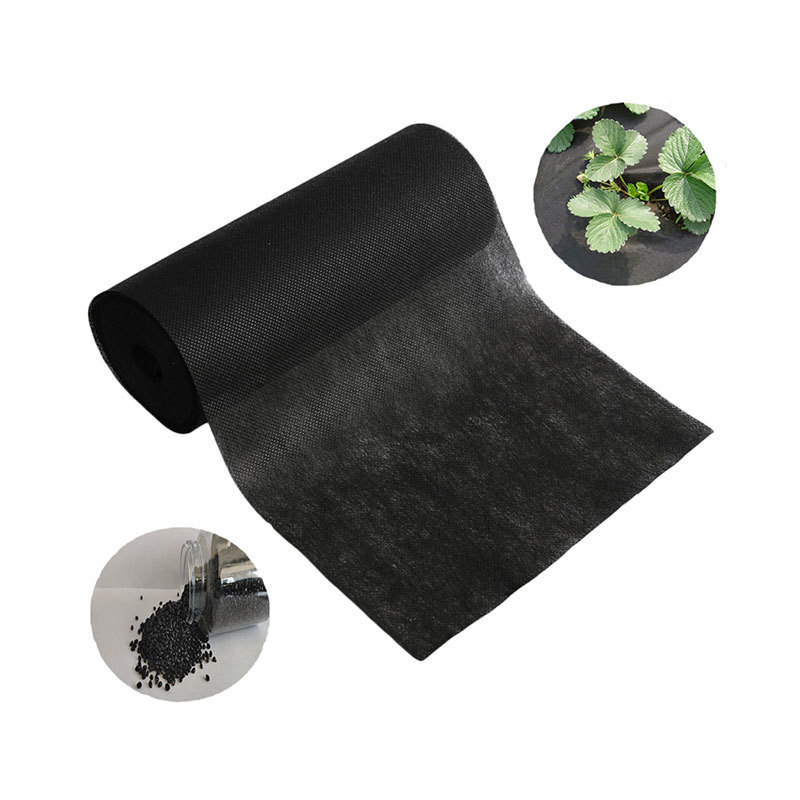
The primary raw material used in spunbond nonwoven fabric production is polypropylene, although other thermoplastic polymers such as polyethylene and polyester can also be utilized. The selection of raw materials plays a critical role in determining the properties of the final product, including strength, durability, and resistance to environmental factors.
3.2 Extrusion Process
The first step in the manufacturing process is the extrusion of the polymer. In this process, plastic pellets are heated until they melt, after which they are forced through a spinneret, a device containing numerous small holes. This creates long, continuous filaments of fiber, which can be cooled and solidified.
3.3 Fiber Formation and Spinning
Once the fibers are extruded, they undergo a spinning process. This involves drawing the fibers to align them and increase their strength. The spinning process can vary depending on the desired characteristics of the final fabric, such as thickness and texture.
3.4 Web Formation Techniques
After the fibers are formed, they are laid out into a web. There are several techniques for web formation, including:
- **Carding**: Fibers are separated and aligned using mechanical action to create a uniform web.
- **Airlaying**: Fibers are suspended in air and deposited onto a conveyor belt to form a web.
- **Wetlaying**: Fibers are mixed with water and then spread out to form a web, often used for specific applications.
Each technique contributes to the properties of the final nonwoven fabric, influencing factors such as density and strength.
3.5 Bonding Processes
To create a cohesive fabric, the laid-out web must undergo a bonding process. Common bonding methods include:
- **Thermal bonding**: Heat is applied to the fibers, causing them to fuse together at their contact points.
- **Chemical bonding**: Adhesives are used to bond the fibers, allowing for specific fabric characteristics.
- **Needle punching**: Barbed needles entangle the fibers, creating a strong bond without the use of heat or chemicals.
The choice of bonding method significantly affects the fabric's performance and application.
3.6 Finishing Treatments
After bonding, the fabric may undergo several finishing treatments to enhance its properties. These treatments can include:
- **Coloration**: Dyes or pigments are applied to achieve the desired color.
- **Coating**: A protective layer may be added for water or stain resistance.
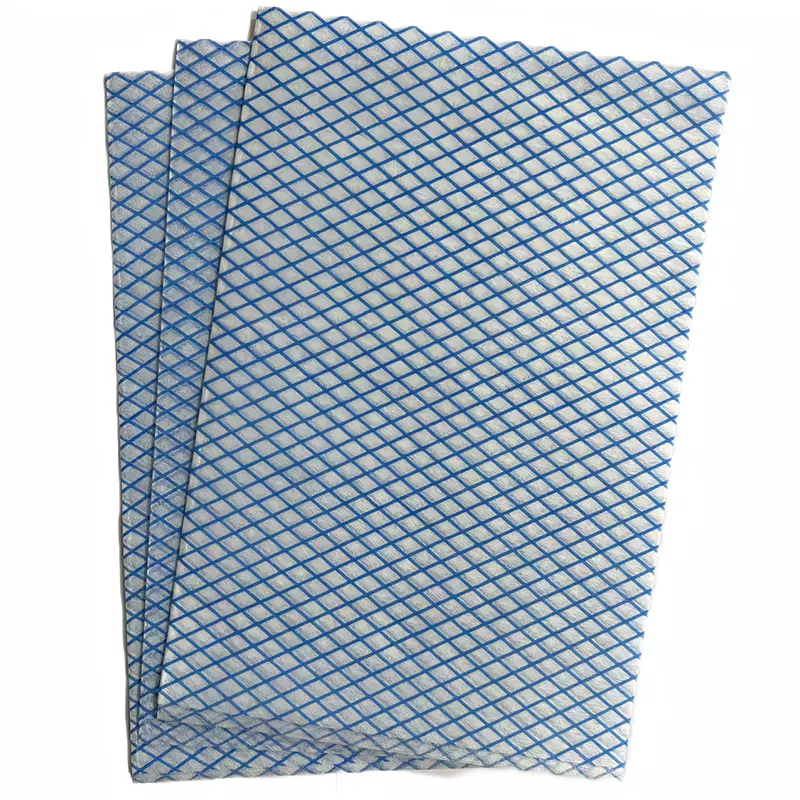
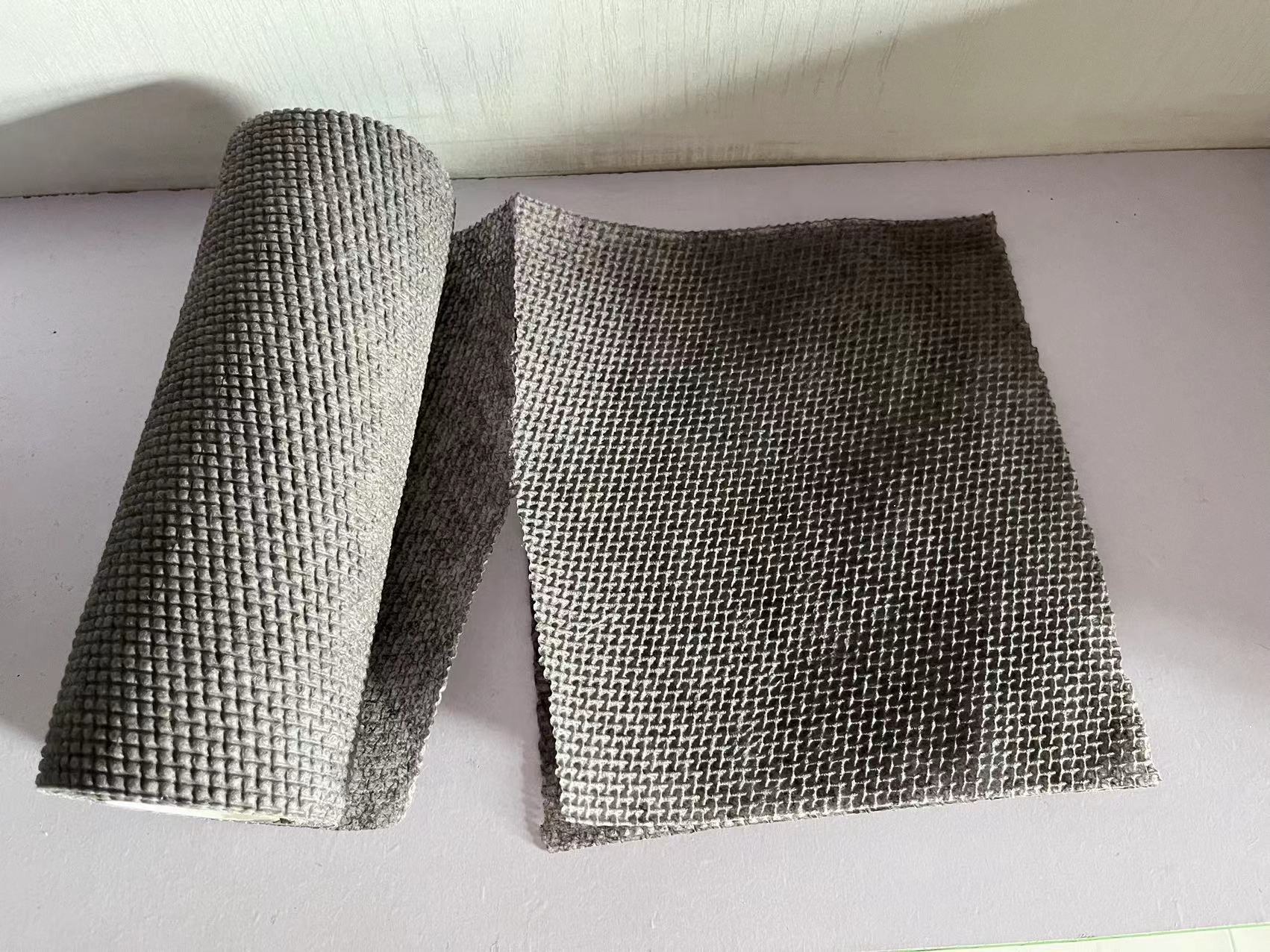
- **Texture modification**: Techniques such as embossing can alter the fabric's surface for aesthetic or functional purposes.
These finishing steps ensure that the spunbond nonwoven fabric is ready for its intended applications.
4. Quality Control in Spunbond Manufacturing
Quality control is a crucial aspect of spunbond nonwoven fabric manufacturing. To ensure consistency and reliability, manufacturers implement various quality control measures throughout the production process. This includes:
- **Material testing**: Raw materials are tested for quality and compliance with industry standards before production begins.
- **In-process inspections**: Regular checks are conducted during each stage of manufacturing to identify and address any issues promptly.
- **Final product evaluation**: The finished fabric undergoes rigorous testing for strength, durability, and other critical properties to ensure it meets customer specifications.
Implementing these quality control measures helps manufacturers produce high-quality spunbond nonwoven fabrics that meet industry standards.
5. Applications of High-Quality Spunbond Nonwoven Fabric
Spunbond nonwoven fabrics are versatile and widely used across various industries due to their unique properties. Common applications include:
- **Medical textiles**: Used in surgical gowns, masks, and drapes.
- **Hygiene products**: Such as diapers, feminine hygiene products, and adult incontinence products.
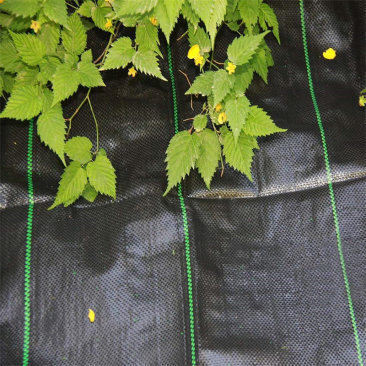
- **Agriculture**: Employed as crop covers and landscape fabrics to promote growth and reduce weed growth.
- **Automotive**: Used in interior components, insulation, and soundproofing materials.
The adaptability of spunbond nonwoven fabrics makes them invaluable across these sectors.
6. Environmental Considerations in Spunbond Fabric Production
As awareness of environmental issues grows, the textile industry faces increasing pressure to adopt sustainable practices. In spunbond nonwoven fabric production, several strategies can reduce environmental impact:
- **Recycling**: Implementing recycling programs for scrap materials can minimize waste.
- **Biodegradable materials**: Using biodegradable polymers can help reduce the environmental footprint of nonwoven fabrics.
- **Energy-efficient processes**: Investing in energy-efficient machinery can lower energy consumption during production.
By adopting these practices, manufacturers can contribute to a more sustainable future while maintaining high-quality production standards.
7. Future Trends in Nonwoven Fabric Manufacturing
The spunbond nonwoven fabric industry is poised for continued growth and innovation. Some emerging trends include:
- **Smart fabrics**: Integration of technology into nonwoven fabrics for applications such as health monitoring or active wear.
- **Sustainability**: Increased emphasis on eco-friendly materials and processes.
- **Customization**: Advances in technology allowing for customized fabric properties to meet specific industry needs.
These trends indicate a promising future for the spunbond nonwoven fabric market, driven by innovation and sustainability.
8. Frequently Asked Questions (FAQs)
What are spunbond nonwoven fabrics made from?
Spunbond nonwoven fabrics are primarily made from thermoplastic polymers, with polypropylene being the most common material.
How is spunbond nonwoven fabric different from traditional fabrics?
Unlike traditional fabrics, spunbond nonwoven fabrics are produced without the use of yarns, resulting in unique properties such as lightweight and breathability.
What are the main applications of spunbond nonwoven fabrics?
Spunbond nonwoven fabrics are used in a variety of applications, including medical textiles, hygiene products, agriculture, and automotive components.
What are the benefits of using spunbond nonwoven fabrics?
Key benefits include durability, lightweight, breathability, and cost-effectiveness, making them suitable for many industrial applications.
How can manufacturers ensure quality in spunbond fabric production?
Manufacturers implement quality control measures throughout the production process, including material testing, in-process inspections, and final product evaluations.
9. Conclusion
The manufacturing process behind high-quality spunbond nonwoven fabric is complex yet fascinating. From the careful selection of raw materials to the intricate processes of fiber formation, bonding, and finishing, each step plays a crucial role in creating a versatile and durable textile. As industries continue to evolve, the demand for innovative and sustainable fabric solutions will only increase. Embracing these trends will enable manufacturers to stay ahead in this dynamic market while contributing to a more sustainable future. By understanding the nuances of the manufacturing process, stakeholders can appreciate the value of spunbond nonwoven fabrics and their wide-ranging applications.
spunbond nonwoven fabric

LEAVE A MESSAGE
MESSAGE