


23
2025
-
12
Understanding Nonwoven Fabric Polypropylene: A Comprehensive Guide for Professionals
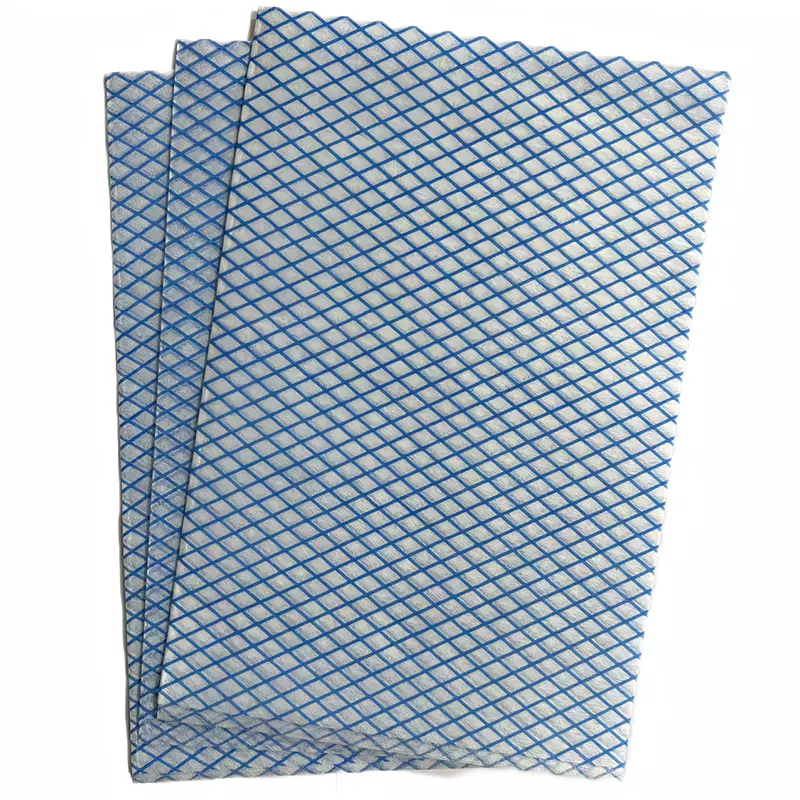
Nonwoven fabric polypropylene is a versatile material widely used across numerous industries due to its unique properties and adaptability. Unlike traditional woven fabrics, nonwoven fabrics are produced by bonding fibers together, which can be done through mechanical, thermal, or chemical processes. This method results in a fabric with distinct features that make it suitable for a range of applic

Nonwoven fabric polypropylene is a versatile material widely used across numerous industries due to its unique properties and adaptability. Unlike traditional woven fabrics, nonwoven fabrics are produced by bonding fibers together, which can be done through mechanical, thermal, or chemical processes. This method results in a fabric with distinct features that make it suitable for a range of applications.
One of the primary advantages of polypropylene nonwoven fabric is its lightweight nature. Weighing significantly less than woven alternatives, it allows for easy handling and transportation, making it an ideal choice for products that require mobility. Additionally, polypropylene is inherently resistant to moisture and mildew, which helps maintain the integrity of the material in various environments.
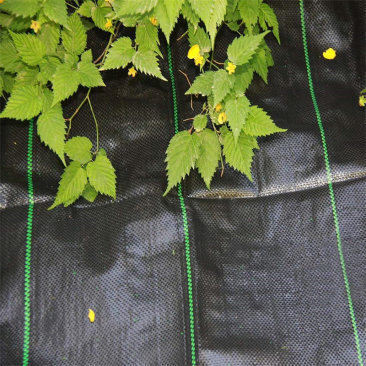
Another noteworthy characteristic of polypropylene nonwoven fabric is its breathability. This property is particularly valuable in applications such as medical textiles and personal protective equipment (PPE), where air circulation is crucial for comfort and safety. Furthermore, polypropylene's chemical resistance makes it suitable for use in agricultural and industrial applications, where exposure to harsh substances is common.
In terms of sustainability, polypropylene nonwoven fabrics can be designed to be biodegradable, especially when produced with additives that facilitate decomposition. This aspect aligns with the growing demand for eco-friendly materials in the textile industry. Moreover, the production of nonwoven fabrics often requires less energy and generates less waste compared to traditional fabric manufacturing processes, contributing to a reduced environmental footprint.
From an economic perspective, nonwoven fabric polypropylene offers cost-effectiveness without compromising quality. Its durability ensures that products made from this material have a longer lifespan, resulting in lower long-term costs for manufacturers and consumers alike. Moreover, the flexibility in production allows for the customization of thickness, texture, and functionality, catering to specific market needs.
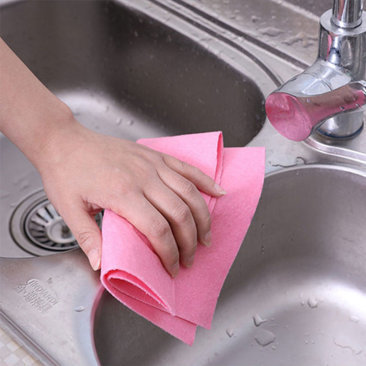
Applications of nonwoven fabric polypropylene are extensive. In healthcare, it is used for products like surgical gowns, masks, and sterilization wraps. The automotive industry employs it for interior components, while the construction sector utilizes it for insulation and filtration. In consumer goods, polypropylene nonwovens are commonly found in shopping bags, diapers, and hygiene products, underscoring their versatility.
In conclusion, nonwoven fabric polypropylene stands out as a multifunctional material that meets the demands of various industries. Its lightweight, breathable, and durable properties, combined with sustainability considerations, make it a preferred choice for professionals looking to innovate and enhance product offerings. Understanding its potential can help industry players optimize their processes and address market challenges effectively.
One of the primary advantages of polypropylene nonwoven fabric is its lightweight nature. Weighing significantly less than woven alternatives, it allows for easy handling and transportation, making it an ideal choice for products that require mobility. Additionally, polypropylene is inherently resistant to moisture and mildew, which helps maintain the integrity of the material in various environments.
Another noteworthy characteristic of polypropylene nonwoven fabric is its breathability. This property is particularly valuable in applications such as medical textiles and personal protective equipment (PPE), where air circulation is crucial for comfort and safety. Furthermore, polypropylene's chemical resistance makes it suitable for use in agricultural and industrial applications, where exposure to harsh substances is common.
In terms of sustainability, polypropylene nonwoven fabrics can be designed to be biodegradable, especially when produced with additives that facilitate decomposition. This aspect aligns with the growing demand for eco-friendly materials in the textile industry. Moreover, the production of nonwoven fabrics often requires less energy and generates less waste compared to traditional fabric manufacturing processes, contributing to a reduced environmental footprint.
From an economic perspective, nonwoven fabric polypropylene offers cost-effectiveness without compromising quality. Its durability ensures that products made from this material have a longer lifespan, resulting in lower long-term costs for manufacturers and consumers alike. Moreover, the flexibility in production allows for the customization of thickness, texture, and functionality, catering to specific market needs.
Applications of nonwoven fabric polypropylene are extensive. In healthcare, it is used for products like surgical gowns, masks, and sterilization wraps. The automotive industry employs it for interior components, while the construction sector utilizes it for insulation and filtration. In consumer goods, polypropylene nonwovens are commonly found in shopping bags, diapers, and hygiene products, underscoring their versatility.
In conclusion, nonwoven fabric polypropylene stands out as a multifunctional material that meets the demands of various industries. Its lightweight, breathable, and durable properties, combined with sustainability considerations, make it a preferred choice for professionals looking to innovate and enhance product offerings. Understanding its potential can help industry players optimize their processes and address market challenges effectively.
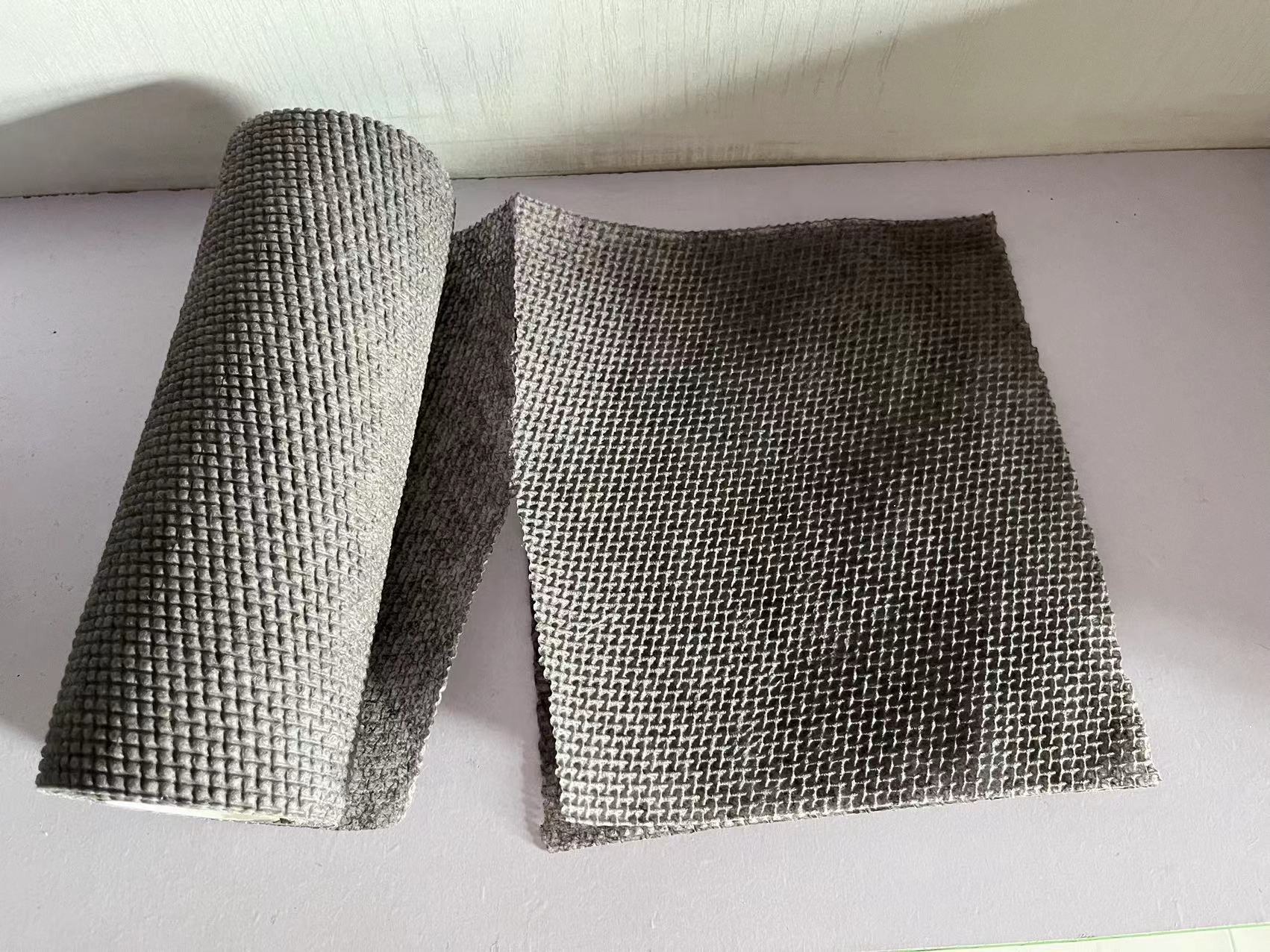
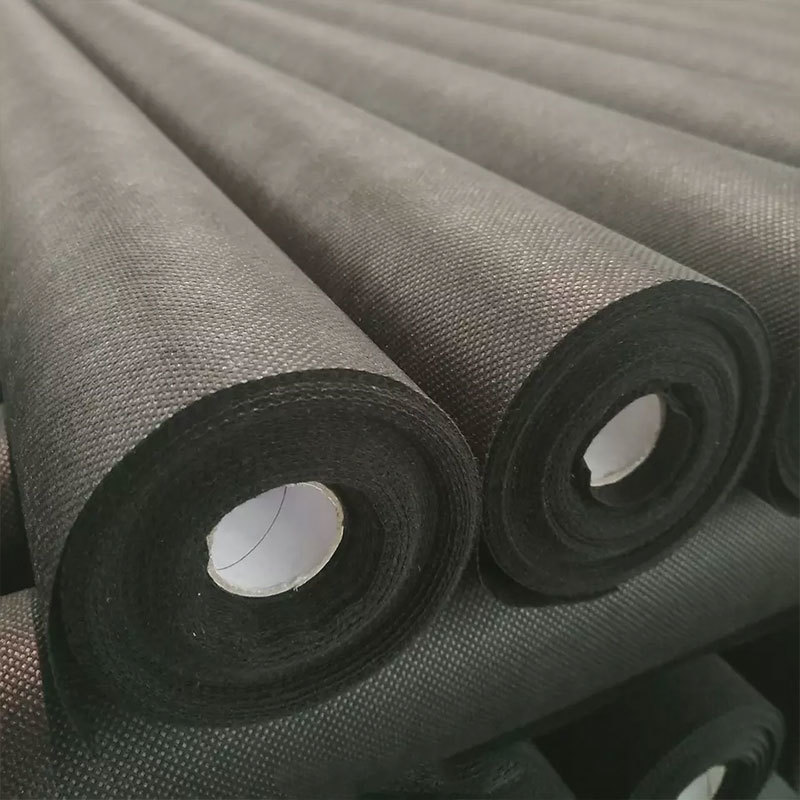
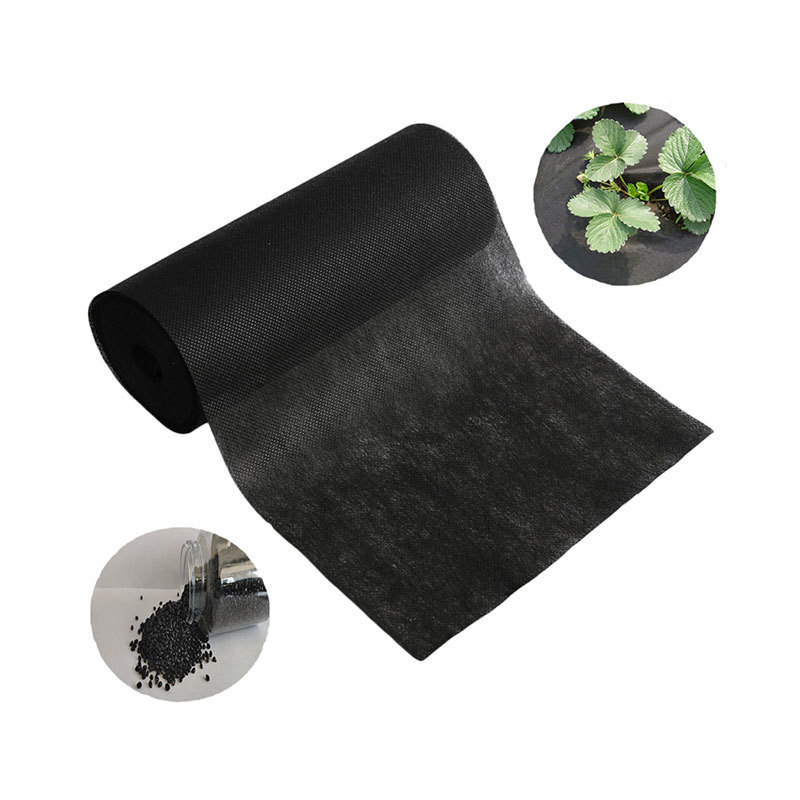
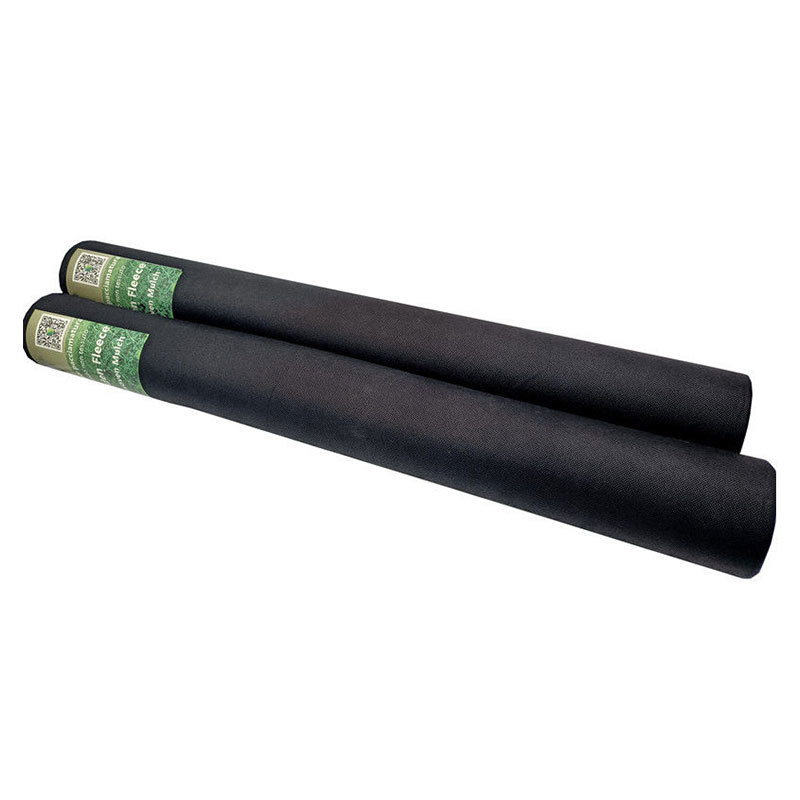
nonwoven fabric polypropylene

LEAVE A MESSAGE
MESSAGE