



08
2026
-
01
Polypropylene Nonwoven Fabric in Agriculture: Enhancing Crop Production for Sustainable Farming
Polypropylene Nonwoven Fabric in Agriculture: Enhancing Crop Production Table of Contents 1. Introduction to Polypropylene Nonwoven Fabric 2. Understanding Nonwoven Fabric: Characteristics and Types 3. Benefits of Polypropylene Nonwoven Fabric in Agriculture 4. Applications of Polypropylene Nonwoven Fabric in Agricultural Practices 5. Impact on Soil Health and Crop Yield 6

Polypropylene Nonwoven Fabric in Agriculture: Enhancing Crop Production
Table of Contents
- 1. Introduction to Polypropylene Nonwoven Fabric
- 2. Understanding Nonwoven Fabric: Characteristics and Types
- 3. Benefits of Polypropylene Nonwoven Fabric in Agriculture
- 4. Applications of Polypropylene Nonwoven Fabric in Agricultural Practices
- 5. Impact on Soil Health and Crop Yield
- 6. Sustainability and Environmental Benefits
- 7. Case Studies: Success Stories from the Field
- 8. Future Trends in the Use of Nonwoven Fabrics in Agriculture
- 9. FAQs About Polypropylene Nonwoven Fabric in Agriculture
- 10. Conclusion
1. Introduction to Polypropylene Nonwoven Fabric
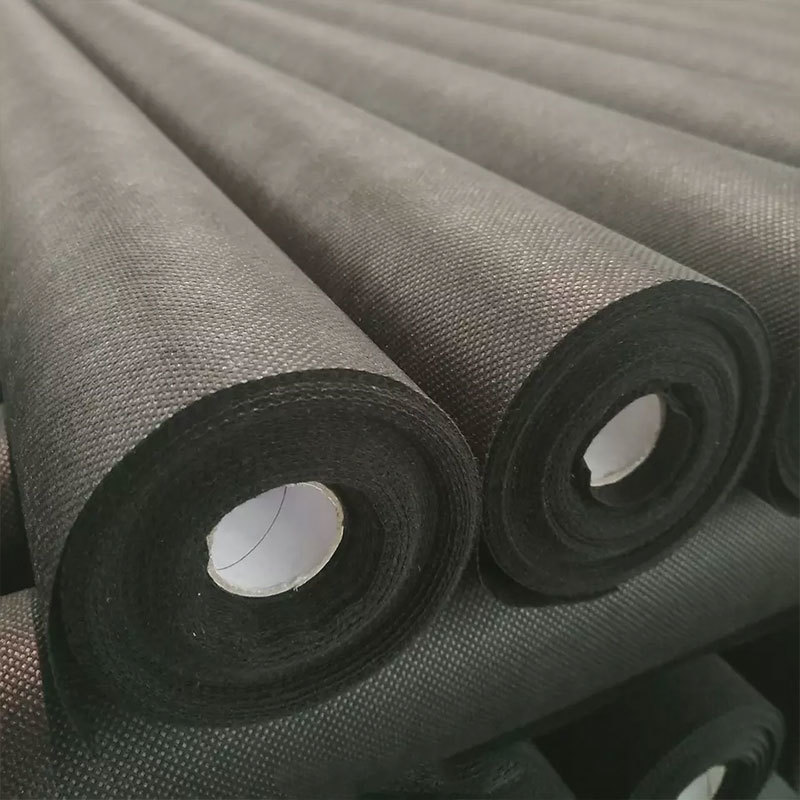
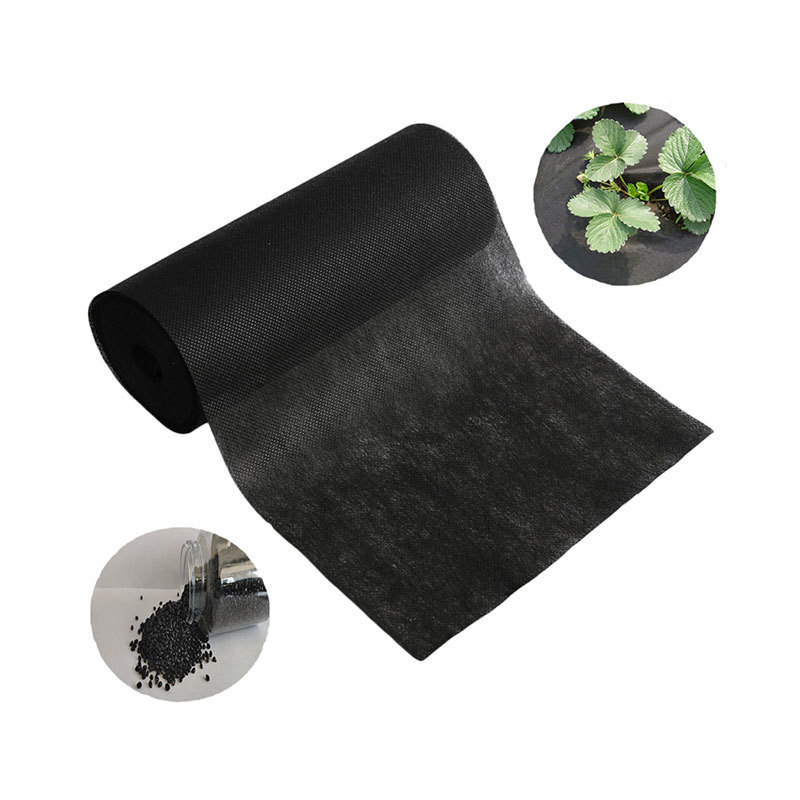
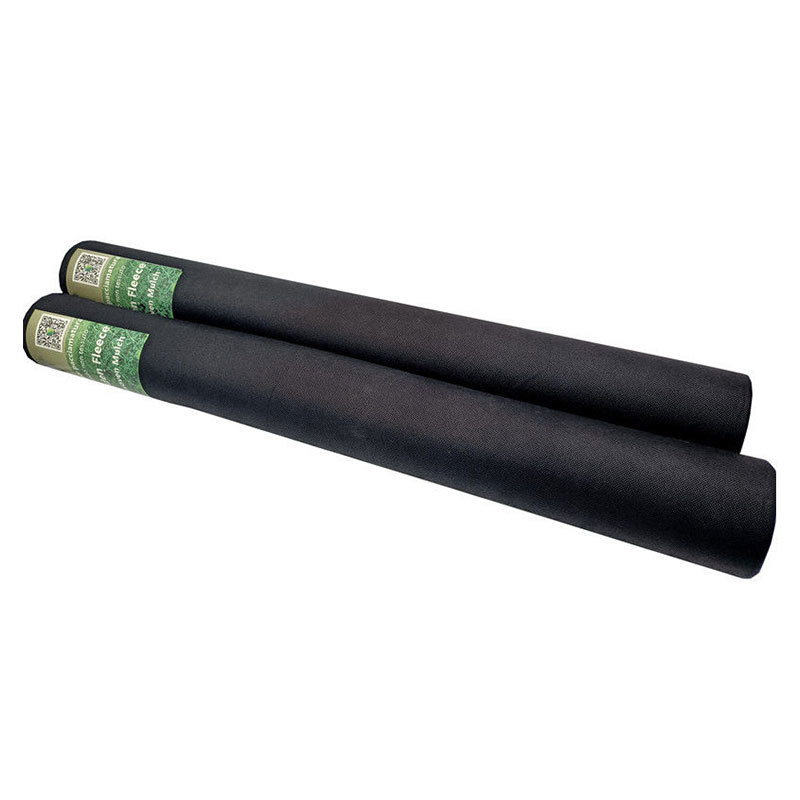
Polypropylene nonwoven fabric has emerged as a versatile solution in modern agriculture, offering various advantages that significantly enhance crop production. This synthetic material is made from polypropylene fibers, which are bonded together using heat, chemicals, or mechanical processes, forming a durable, lightweight, and breathable fabric. As farmers strive to implement sustainable practices and improve productivity, polypropylene nonwoven fabric has become an indispensable resource in their toolkit.
2. Understanding Nonwoven Fabric: Characteristics and Types
Nonwoven fabrics differ from traditional woven and knitted fabrics. They are not made by weaving or knitting but are manufactured by bonding fibers together. This process results in unique characteristics that make them suitable for agricultural applications, such as:
2.1 Key Characteristics of Polypropylene Nonwoven Fabric
- Breathability: Allows air and moisture to pass through, promoting healthy plant growth.
- Lightweight: Easy to handle and install, reducing labor costs.
- Durability: Resistant to tearing and degradation, ensuring longevity in various environmental conditions.
- Water Resistance: Repels water while allowing excess moisture to escape, preventing crop rot.
2.2 Types of Nonwoven Fabrics Used in Agriculture
The agricultural sector predominantly uses two types of polypropylene nonwoven fabrics:
- Spunbond Nonwoven Fabric: Known for its strength and durability, ideal for crop covers and mulch.
- Needlepunch Nonwoven Fabric: Offers excellent filtration properties, suitable for erosion control and drainage applications.
3. Benefits of Polypropylene Nonwoven Fabric in Agriculture
The incorporation of polypropylene nonwoven fabric in agricultural practices provides numerous benefits that enhance crop production:
3.1 Improved Weed Control
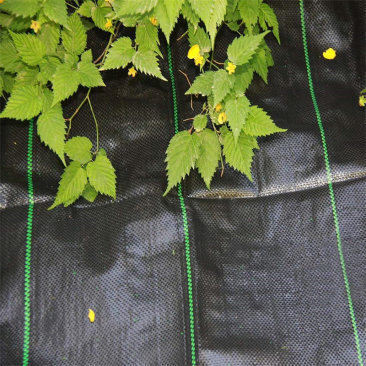
By suppressing weed growth, nonwoven fabrics reduce competition for resources, allowing crops to flourish without excessive herbicide use.
3.2 Temperature Regulation
Polypropylene nonwoven fabric acts as a protective barrier, maintaining optimal temperatures for plant growth, especially during extreme weather conditions.
3.3 Moisture Retention
This fabric aids in moisture retention in the soil, reducing the need for frequent watering and contributing to water conservation efforts.
3.4 Pest Protection
Using lightweight nonwoven fabric as a protective cover shields plants from harmful pests, minimizing crop damage and reducing reliance on chemical pesticides.
4. Applications of Polypropylene Nonwoven Fabric in Agricultural Practices
Polypropylene nonwoven fabric finds diverse applications in agriculture, including:
4.1 Crop Covers
Utilizing nonwoven fabric as crop covers provides protection against frost, pests, and diseases while allowing sunlight and moisture to penetrate.
4.2 Mulching
Nonwoven fabric mulches help retain soil moisture, suppress weeds, and enhance soil temperature, leading to healthier crops and higher yields.
4.3 Erosion Control
In areas prone to erosion, polypropylene nonwoven fabric can stabilize the soil, reducing the loss of topsoil and protecting crops from runoff.
4.4 Greenhouse and Nursery Applications
In greenhouses and nurseries, nonwoven fabric serves as an efficient flooring option, providing drainage and reducing weed growth while allowing for easy management of plant health.
5. Impact on Soil Health and Crop Yield
The use of polypropylene nonwoven fabric significantly influences soil health and crop yield:
5.1 Enhancing Soil Structure
The fabric improves soil structure by preventing compaction, allowing roots to penetrate more easily and access nutrients and water.
5.2 Promoting Beneficial Microorganisms
By maintaining moisture levels and creating a stable environment, nonwoven fabric supports the activity of beneficial soil microorganisms, which contribute to nutrient availability and plant health.
5.3 Increased Crop Yield
Farmers have reported higher crop yields when utilizing polypropylene nonwoven fabric due to improved growing conditions, effective weed control, and pest management.
6. Sustainability and Environmental Benefits
Sustainability is a crucial consideration in modern agricultural practices, and polypropylene nonwoven fabric contributes positively in several ways:
6.1 Reducing Chemical Usage
By minimizing the need for herbicides and pesticides, nonwoven fabric promotes environmentally friendly farming practices.
6.2 Water Conservation
The fabric's ability to retain moisture helps conserve water resources, making it a valuable tool in regions facing water scarcity.
6.3 Biodegradability and Recycling
While polypropylene itself is not biodegradable, many manufacturers are exploring ways to make nonwoven fabrics more environmentally friendly, including recycling initiatives aimed at reducing waste.
7. Case Studies: Success Stories from the Field
Numerous farmers worldwide have successfully implemented polypropylene nonwoven fabric in their agricultural practices:
7.1 Case Study: Organic Vegetable Farm
An organic vegetable farm in California adopted nonwoven fabric for weed control and temperature regulation. This resulted in a 30% increase in yield and a significant reduction in water usage.
7.2 Case Study: Fruit Orchard
A fruit orchard in Florida utilized crop covers made from polypropylene nonwoven fabric, effectively protecting their plants from frost. The result was a bumper crop with minimal losses.
8. Future Trends in the Use of Nonwoven Fabrics in Agriculture
The future of polypropylene nonwoven fabric in agriculture looks promising, with several trends emerging:
8.1 Innovation in Fabric Technology
Advancements in fabric technology, including the development of eco-friendly nonwoven options, will likely enhance the applicability of these materials in sustainable farming.
8.2 Increased Adoption of Precision Agriculture
As precision agriculture becomes more prevalent, the integration of nonwoven fabrics in smart farming practices will help improve efficiency and productivity.
8.3 Expanding Global Market
With the increasing demand for sustainable agricultural practices, the global market for polypropylene nonwoven fabric is expected to grow significantly, providing more farmers with access to these beneficial materials.
9. FAQs About Polypropylene Nonwoven Fabric in Agriculture
9.1 What is polypropylene nonwoven fabric?
Polypropylene nonwoven fabric is a synthetic fabric made from bonded polypropylene fibers, known for its durability, breathability, and lightweight properties.
9.2 How does polypropylene nonwoven fabric benefit agriculture?
It offers benefits such as improved weed control, temperature regulation, moisture retention, and pest protection, ultimately leading to enhanced crop production.
9.3 Is polypropylene nonwoven fabric biodegradable?
While polypropylene is not naturally biodegradable, efforts are being made to create more environmentally friendly options and promote recycling initiatives.
9.4 Can nonwoven fabric be reused?
Yes, polypropylene nonwoven fabric can often be reused for multiple growing seasons, depending on its condition and application.
9.5 How do I choose the right type of nonwoven fabric for my crops?
Selecting the appropriate type of nonwoven fabric depends on your specific crop needs, environmental conditions, and the intended application (e.g., crop cover, mulching).
10. Conclusion
Polypropylene nonwoven fabric has proven to be a game-changer in agriculture, enhancing crop production through improved soil health, moisture retention, and pest management. As farmers increasingly prioritize sustainable practices, the advantages offered by this innovative material will continue to gain traction. By adopting polypropylene nonwoven fabrics, agricultural professionals can look forward to a future of increased productivity, reduced environmental impact, and sustainable farming practices that benefit both the land and its stewards.
Polypropylene nonwoven fabric

LEAVE A MESSAGE
MESSAGE