




09
2026
-
01
Understanding Spunbond Nonwoven Fabric: Applications and Advantages
Spunbond nonwoven fabric is a unique type of textile material produced through a process that involves the bonding of synthetic fibers. This innovative fabric is widely recognized for its versatility and durability, making it a popular choice in numerous applications across different sectors. Understanding its properties and benefits can help businesses make informed decisions regarding their mate

Spunbond nonwoven fabric is a unique type of textile material produced through a process that involves the bonding of synthetic fibers. This innovative fabric is widely recognized for its versatility and durability, making it a popular choice in numerous applications across different sectors. Understanding its properties and benefits can help businesses make informed decisions regarding their material selection.
The production of spunbond nonwoven fabric involves extruding thermoplastic polymers into continuous filaments, which are then laid down on a conveyor belt and bonded together using heat, pressure, or adhesives. This process results in a fabric that exhibits a range of desirable characteristics. One of the most significant advantages of spunbond nonwoven fabric is its strength; the random orientation of the fibers provides excellent tensile strength, making it suitable for applications that require durability.
Another benefit of spunbond nonwoven fabric is its lightweight nature. Compared to traditional woven fabrics, spunbond materials are lighter while still maintaining structural integrity. This characteristic is particularly advantageous in industries like healthcare, where lightweight materials are essential for comfortable and effective use in products such as surgical gowns and face masks.
Spunbond nonwoven fabric is also known for its breathability and moisture resistance, which makes it ideal for applications in hygiene products, such as diapers and feminine hygiene items. The fabric allows for air circulation while preventing moisture buildup, contributing to user comfort and preventing skin irritations.
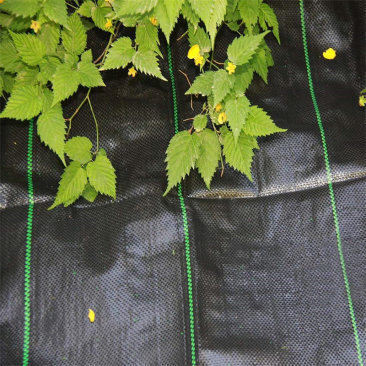
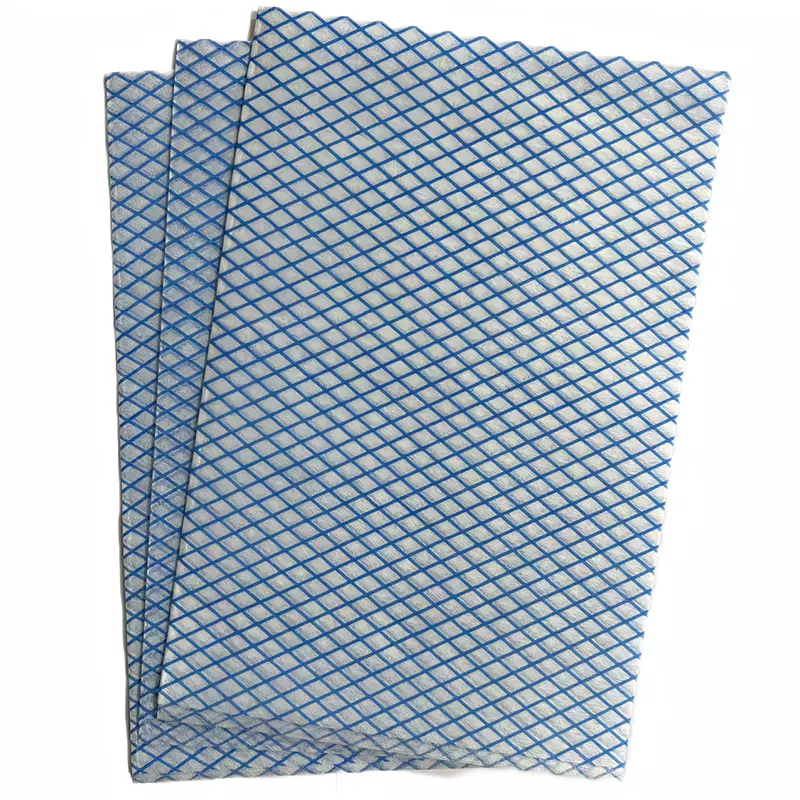
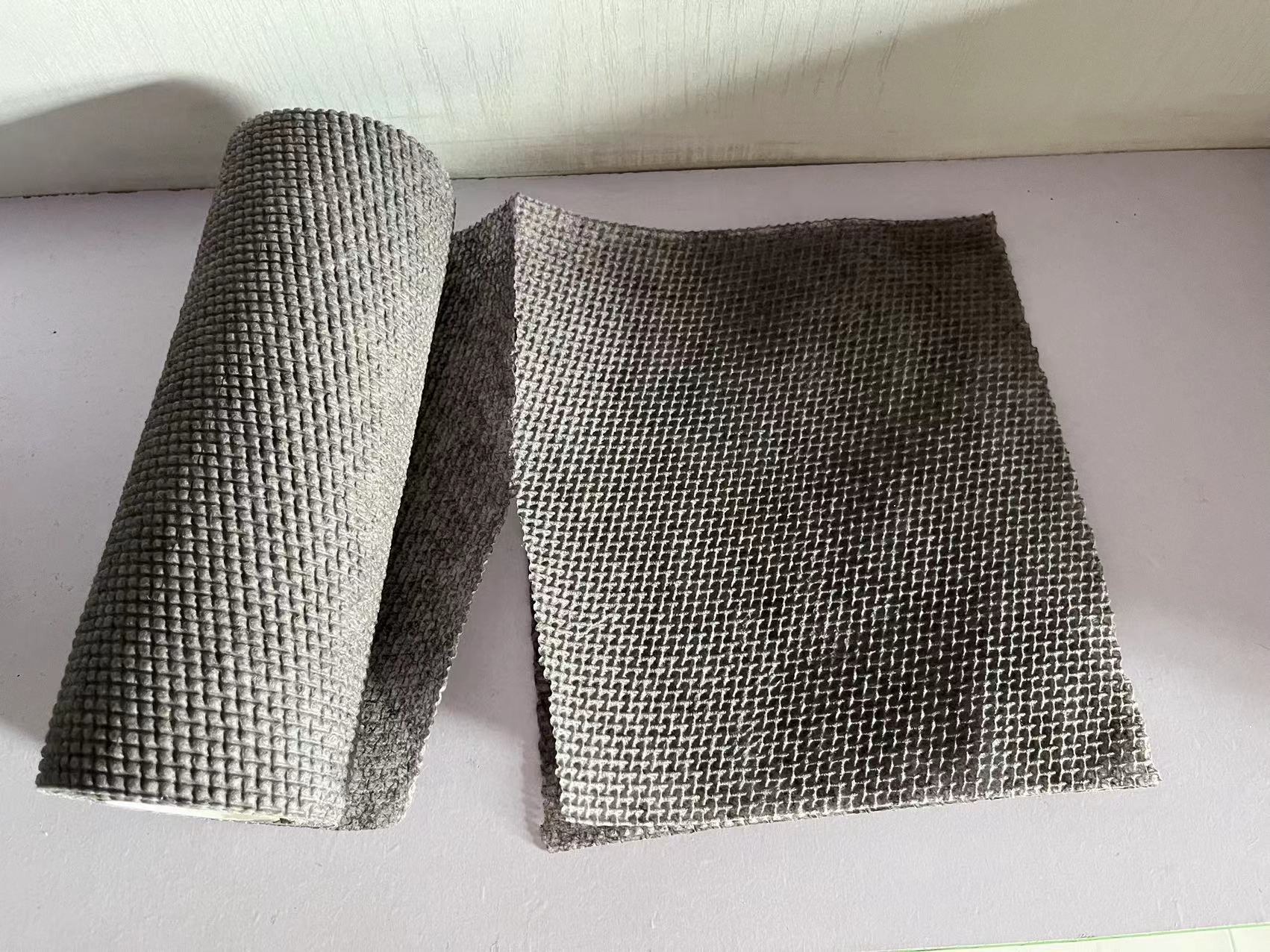
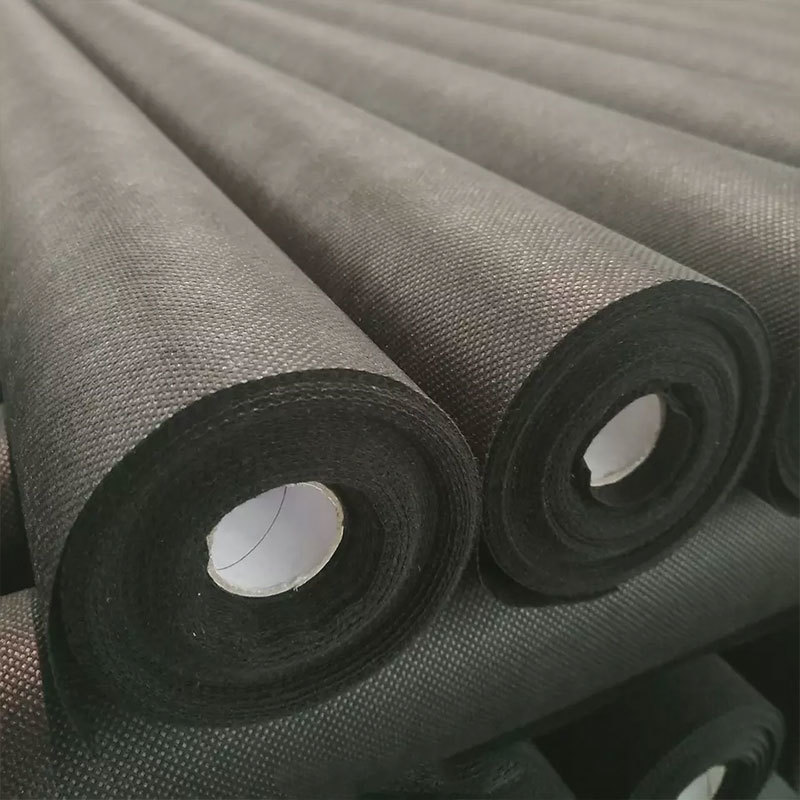
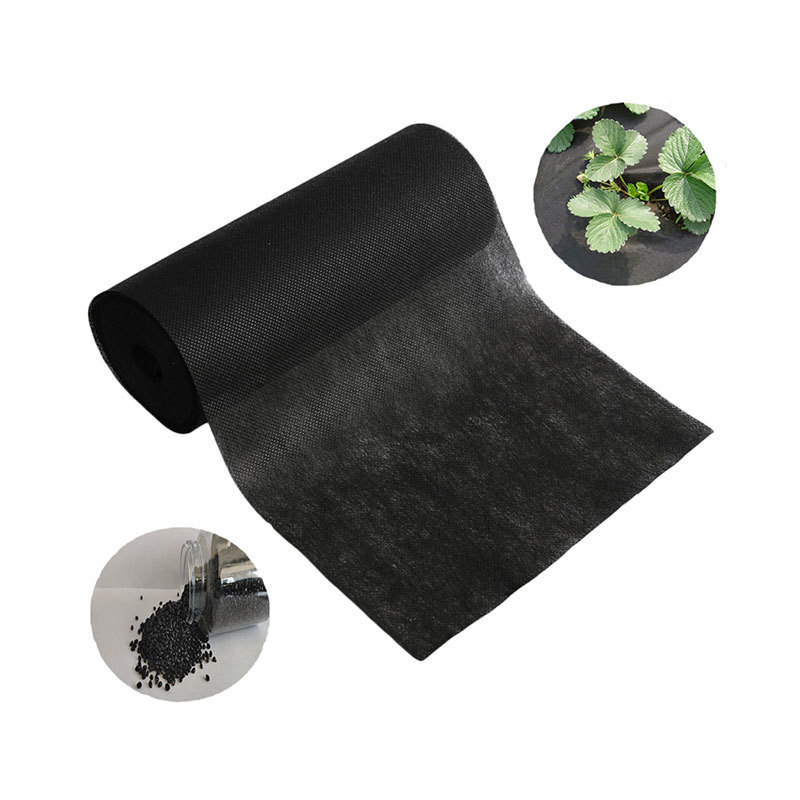
Moreover, the versatility of spunbond nonwoven fabric means it can be manufactured in various colors, textures, and thicknesses. This adaptability allows manufacturers to tailor the material to specific requirements, enhancing its usability in diverse applications such as geotextiles, agricultural coverings, and packaging materials.
Additionally, spunbond nonwoven fabric is environmentally friendly. Many manufacturers are now focused on producing biodegradable options or using recycled materials, which aligns with the increasing demand for sustainable practices in the textile industry. This aspect not only helps in reducing the environmental impact but also appeals to eco-conscious consumers.
In summary, spunbond nonwoven fabric offers a myriad of advantages, including strength, lightweight properties, breathability, and versatility. Its applications span across various industries, including healthcare, agriculture, and packaging, making it a key material in modern textile production. Understanding these benefits can help businesses leverage spunbond technology to enhance their product offerings and meet the evolving needs of their customers.
The production of spunbond nonwoven fabric involves extruding thermoplastic polymers into continuous filaments, which are then laid down on a conveyor belt and bonded together using heat, pressure, or adhesives. This process results in a fabric that exhibits a range of desirable characteristics. One of the most significant advantages of spunbond nonwoven fabric is its strength; the random orientation of the fibers provides excellent tensile strength, making it suitable for applications that require durability.
Another benefit of spunbond nonwoven fabric is its lightweight nature. Compared to traditional woven fabrics, spunbond materials are lighter while still maintaining structural integrity. This characteristic is particularly advantageous in industries like healthcare, where lightweight materials are essential for comfortable and effective use in products such as surgical gowns and face masks.
Spunbond nonwoven fabric is also known for its breathability and moisture resistance, which makes it ideal for applications in hygiene products, such as diapers and feminine hygiene items. The fabric allows for air circulation while preventing moisture buildup, contributing to user comfort and preventing skin irritations.
Moreover, the versatility of spunbond nonwoven fabric means it can be manufactured in various colors, textures, and thicknesses. This adaptability allows manufacturers to tailor the material to specific requirements, enhancing its usability in diverse applications such as geotextiles, agricultural coverings, and packaging materials.
Additionally, spunbond nonwoven fabric is environmentally friendly. Many manufacturers are now focused on producing biodegradable options or using recycled materials, which aligns with the increasing demand for sustainable practices in the textile industry. This aspect not only helps in reducing the environmental impact but also appeals to eco-conscious consumers.
In summary, spunbond nonwoven fabric offers a myriad of advantages, including strength, lightweight properties, breathability, and versatility. Its applications span across various industries, including healthcare, agriculture, and packaging, making it a key material in modern textile production. Understanding these benefits can help businesses leverage spunbond technology to enhance their product offerings and meet the evolving needs of their customers.
spunbond nonwoven fabric

LEAVE A MESSAGE
MESSAGE