


10
2026
-
01
How to Properly Care for Polypropylene Nonwoven Fabrics: A Comprehensive Guide
How to Properly Care for Polypropylene Nonwoven Fabrics: A Comprehensive Guide Polypropylene nonwoven fabrics are celebrated for their versatility, durability, and cost-effectiveness. Whether used in personal projects, industrial applications, or medical settings, these fabrics require specific care to maintain their quality and functionality. In this guide, we explore everything you need to know

How to Properly Care for Polypropylene Nonwoven Fabrics: A Comprehensive Guide
Polypropylene nonwoven fabrics are celebrated for their versatility, durability, and cost-effectiveness. Whether used in personal projects, industrial applications, or medical settings, these fabrics require specific care to maintain their quality and functionality. In this guide, we explore everything you need to know about effectively caring for polypropylene nonwoven fabrics.
Understanding Polypropylene Nonwoven Fabrics
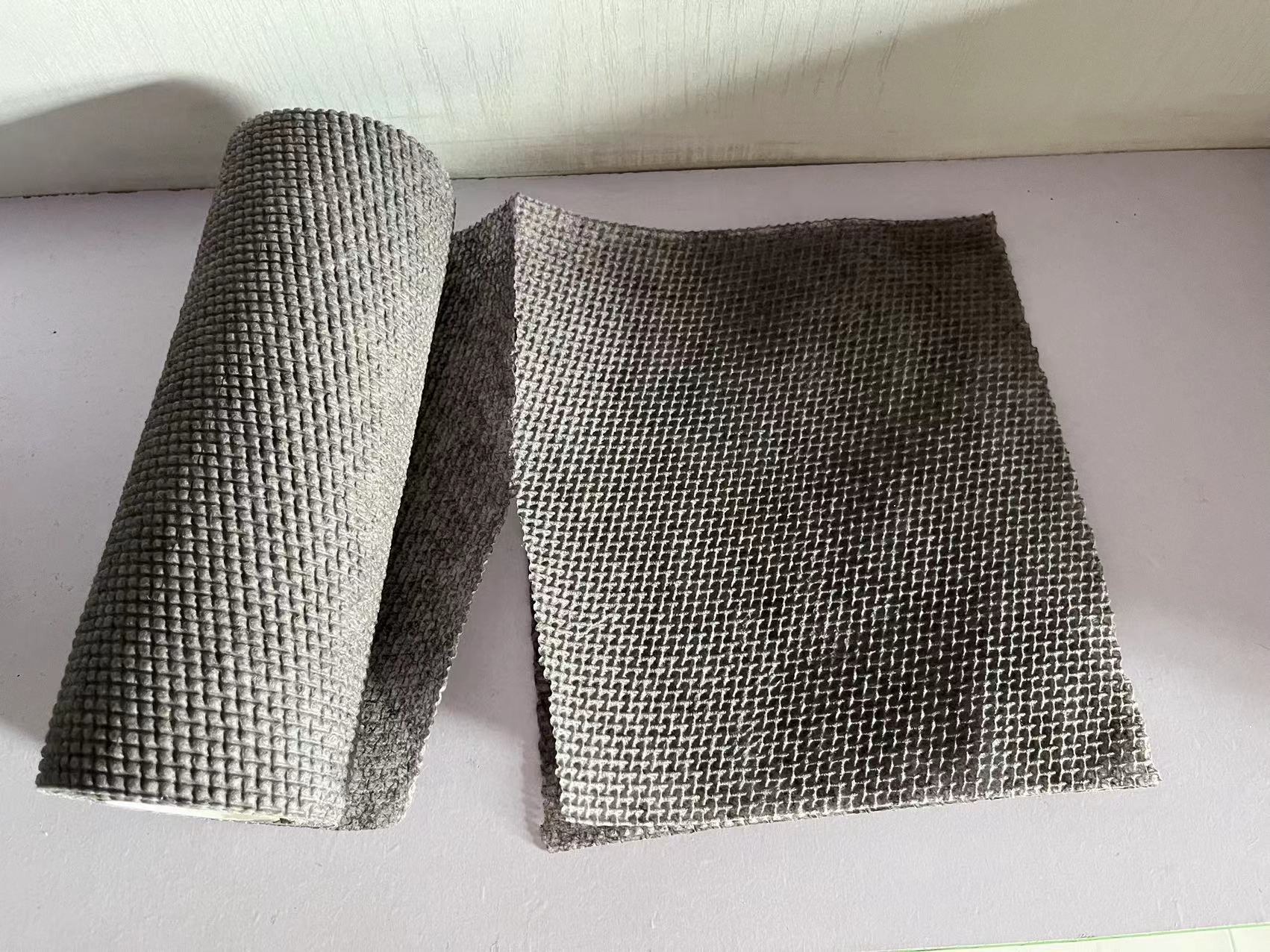
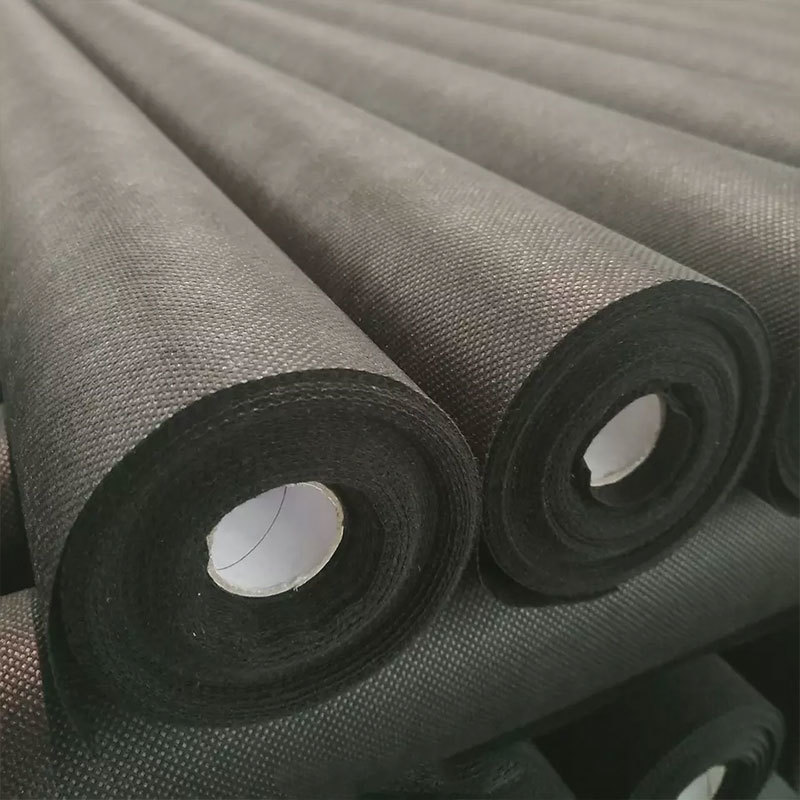
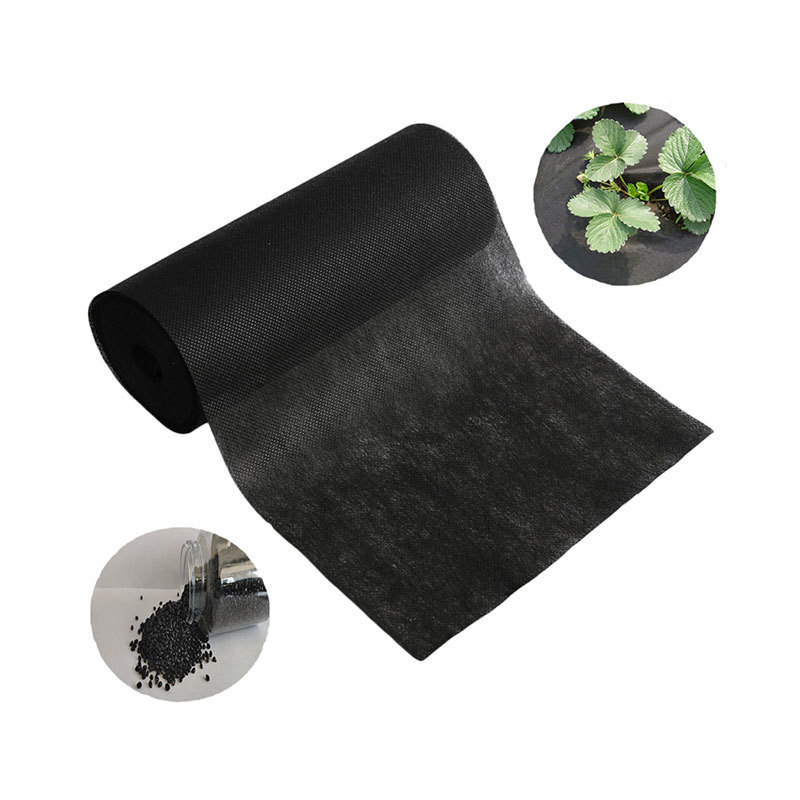
Before diving into care techniques, it is essential to understand what polypropylene nonwoven fabrics are. They are made from a synthetic polymer that is resistant to moisture and chemicals, making them ideal for various applications, including sanitary products, agricultural covers, and construction materials.
Properties of Polypropylene Nonwoven Fabrics
Polypropylene nonwoven fabrics have several beneficial properties:
- **Lightweight and breathable**: These fabrics allow air circulation while providing adequate coverage.
- **Water-resistant**: They repel water, making them perfect for outdoor use.
- **Resistance to chemicals**: Polypropylene resists many chemicals, ensuring longevity.
- **Eco-friendly options**: Many polypropylene nonwoven fabrics are recyclable, contributing to sustainable practices.

Why Proper Care Matters
Taking care of polypropylene nonwoven fabrics is crucial for several reasons:
1. **Longevity**: Properly cared-for fabrics last longer and maintain their integrity over time.
2. **Performance**: Well-maintained fabrics perform better in their intended applications.
3. **Aesthetics**: Regular care keeps fabrics looking new and fresh, which is essential for items used in public or professional settings.
Common Uses of Polypropylene Nonwoven Fabrics
Polypropylene nonwoven fabrics are utilized in various sectors, including:
- **Medical**: Used for surgical gowns and masks due to their barrier properties.
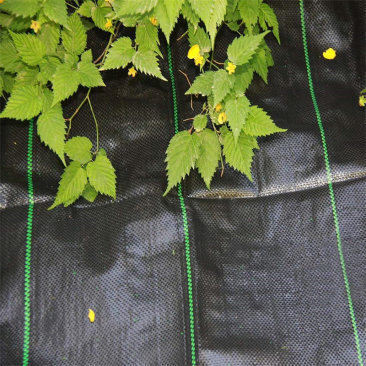
- **Agriculture**: Employed in crop protection and soil stabilization.
- **Home Décor**: Found in upholstery, curtains, and other decorative items.
Key Considerations When Caring for Nonwoven Fabrics
When caring for polypropylene nonwoven fabrics, consider the following factors:
- **Type of fabric**: Different nonwoven fabrics may have unique care requirements.
- **Intended use**: Fabrics used for industrial applications may require more rigorous cleaning methods than those used for home décor.
- **Environmental conditions**: Exposure to sunlight, humidity, and pollutants can affect fabric longevity.
Step-by-Step Guide to Caring for Polypropylene Nonwoven Fabrics
Caring for your polypropylene nonwoven fabrics doesn't have to be complicated. Follow these steps for effective maintenance:
1. Regular Cleaning
Keeping polypropylene nonwoven fabrics clean is essential. Here's how to do it properly:
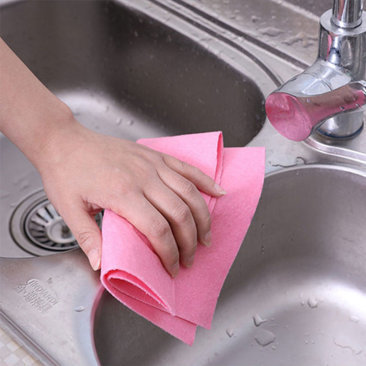
- **Dusting**: Use a soft brush or microfiber cloth to remove dust and debris regularly.
- **Washing**: Hand wash or machine wash in cold water using a mild detergent. Avoid bleach and fabric softeners, as they can damage the fibers.
Machine Washing Instructions
- Set the washing machine to a gentle cycle.
- Use cold water to prevent shrinkage.
- Rinse thoroughly to remove detergent residue.
2. Drying Techniques
Proper drying techniques can prevent damage to your nonwoven fabrics:
- **Air Drying**: Hang the fabric in a shaded area to air dry. This method maintains the fabric's integrity.
- **Tumble Drying**: If using a dryer, select a low heat setting. High heat can cause shrinkage and deformation.
3. Stain Removal
Stains can be persistent, but with the right approach, they can be effectively treated:
- **Immediate Action**: Blot the stain with a clean cloth to absorb excess liquid.
- **Use Mild Soap**: Create a solution of mild soap and water, apply it to the stain, and gently rub in a circular motion.
- **Rinse Thoroughly**: Ensure all soap is rinsed out to prevent residue.
Storage Guidelines for Polypropylene Nonwoven Fabrics
Proper storage extends the life of your fabrics. Here are some tips:
1. Clean Before Storing
Always clean your fabrics before storing them to prevent mold or mildew growth.
2. Fold and Store in a Cool, Dry Place
Avoid hanging the fabrics for long-term storage, as this may cause stretching. Instead, fold them neatly and store them in a cool, dry space away from direct sunlight.
3. Use Breathable Storage Bags
If using bags for storage, opt for breathable options rather than plastic, which can trap moisture and lead to deterioration.
Preventive Care: Tips for Longevity
In addition to regular cleaning, preventive care can significantly enhance the lifespan of polypropylene nonwoven fabrics:
1. Avoid Excessive Sunlight
Prolonged exposure to sunlight can degrade the fabric. Whenever possible, store or use the fabrics in shaded areas.
2. Minimize Friction
Fabrics can wear down due to friction. Avoid dragging or rubbing them against rough surfaces.
3. Check for Damage Regularly
Inspect fabrics regularly for signs of wear and tear. Early detection allows for timely repairs or replacements.
FAQs About Caring for Polypropylene Nonwoven Fabrics
1. Can I iron polypropylene nonwoven fabric?
Ironing is not recommended as high heat can damage the fibers. If necessary, use a low-heat setting and place a cloth between the iron and the fabric.
2. Are polypropylene nonwoven fabrics machine washable?
Yes, they are machine washable; however, use cold water and a gentle cycle to avoid damage.
3. How do I remove stubborn stains from nonwoven fabrics?
For stubborn stains, try a mixture of vinegar and water. Apply it to the stain, let it sit for a few minutes, and then rinse thoroughly.
4. Can I use bleach on polypropylene nonwoven fabrics?
No, bleach is too harsh for these fabrics and can cause discoloration or degradation.
5. Is it safe to use polypropylene nonwoven fabrics for food-related applications?
Ensure that any polypropylene fabric used in food applications is specifically labeled as food-safe to avoid contamination.
Conclusion
Caring for polypropylene nonwoven fabrics is straightforward when following the proper guidelines. By implementing regular cleaning, appropriate drying methods, and preventive care, you can extend the life of your fabrics and maintain their functionality. Whether for personal or industrial use, understanding how to care for these fabrics will ensure they serve their purpose effectively. Armed with this comprehensive guide, you are now equipped to keep your polypropylene nonwoven fabrics in prime condition for years to come.
nonwoven fabric polypropylene

LEAVE A MESSAGE
MESSAGE