



22
2026
-
01
PP Nonwoven Fabric: The Ultimate Solution for Durability, Lightweight Design, and Eco-Friendliness
PP Nonwoven Fabric: Durable, Lightweight, and Eco-Friendly Table of Contents 1. Introduction to PP Nonwoven Fabric 2. What is PP Nonwoven Fabric? 3. Properties and Benefits of PP Nonwoven Fabric 3.1 Durability 3.2 Lightweight Characteristics 3.3 Eco-Friendly Aspects 4. Applications of PP Nonwoven Fabric 4.1

PP Nonwoven Fabric: Durable, Lightweight, and Eco-Friendly
Table of Contents
- 1. Introduction to PP Nonwoven Fabric
- 2. What is PP Nonwoven Fabric?
- 3. Properties and Benefits of PP Nonwoven Fabric
- 4. Applications of PP Nonwoven Fabric
- 5. Manufacturing Process of PP Nonwoven Fabric
- 6. Sustainability and Environmental Impact
- 7. The Future of PP Nonwoven Fabric
- 8. Frequently Asked Questions (FAQ)
- 9. Conclusion
1. Introduction to PP Nonwoven Fabric
The textile industry has continually evolved, introducing innovative materials that cater to diverse needs. One such material is **PP nonwoven fabric**, which has gained immense popularity due to its unique blend of properties. This fabric is not only strong and durable but also lightweight and eco-friendly, making it an ideal choice for a variety of applications.
In this article, we will delve deep into the **characteristics, benefits, and applications of PP nonwoven fabric**, as well as its manufacturing process and sustainability aspects.
2. What is PP Nonwoven Fabric?
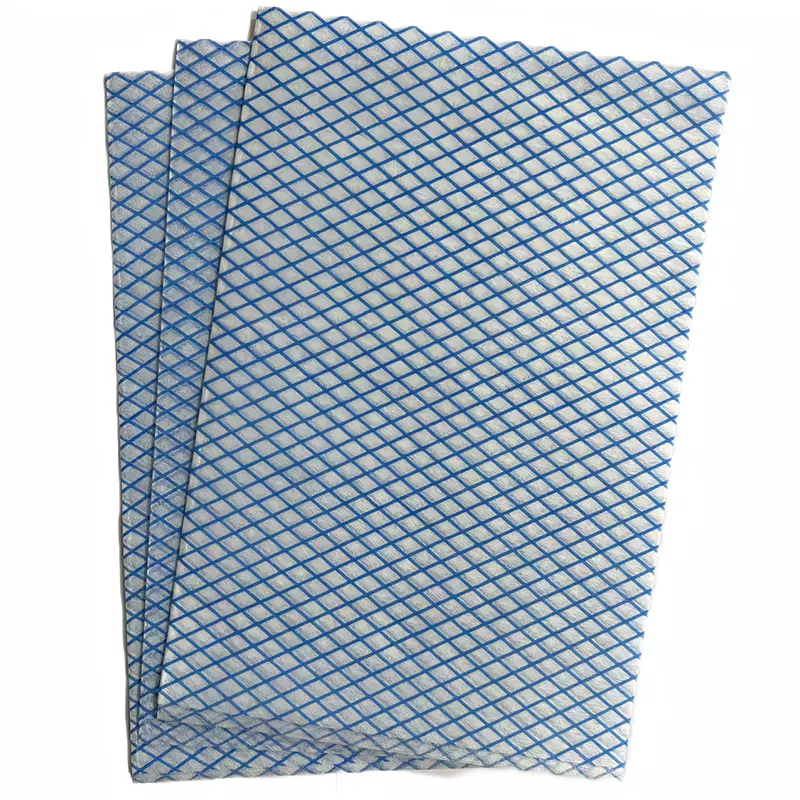
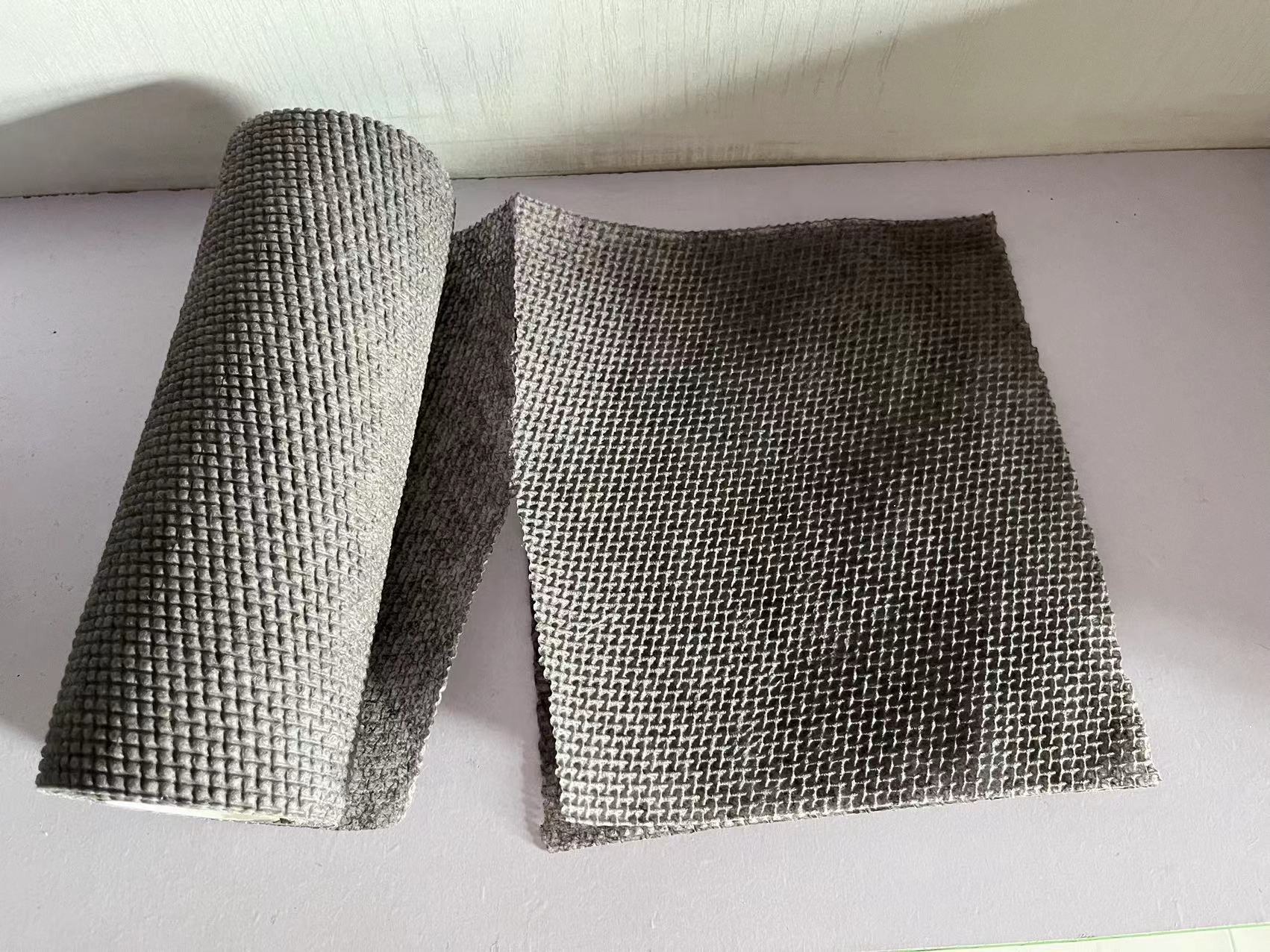
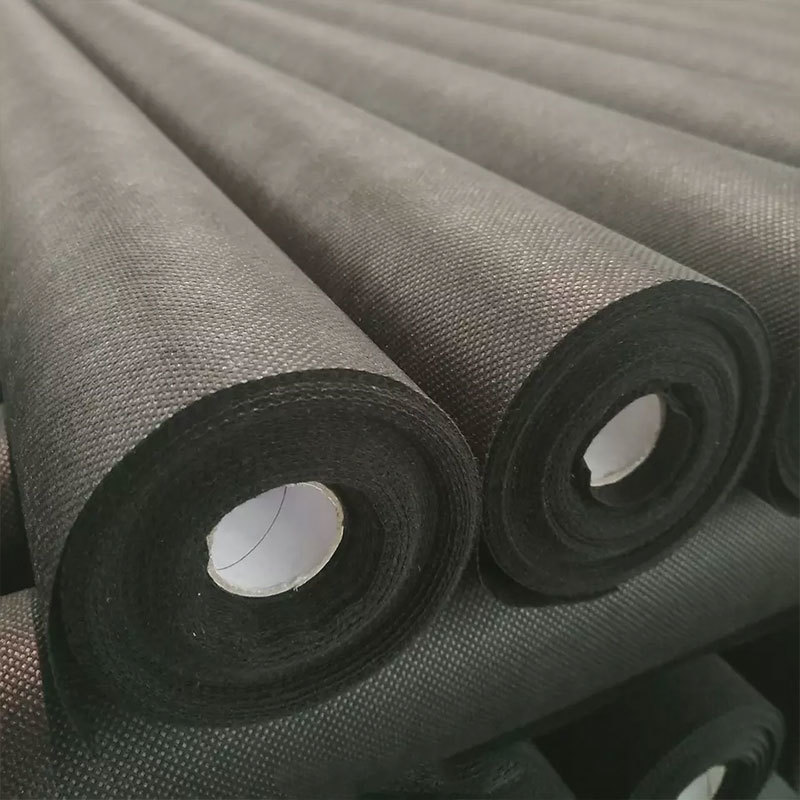
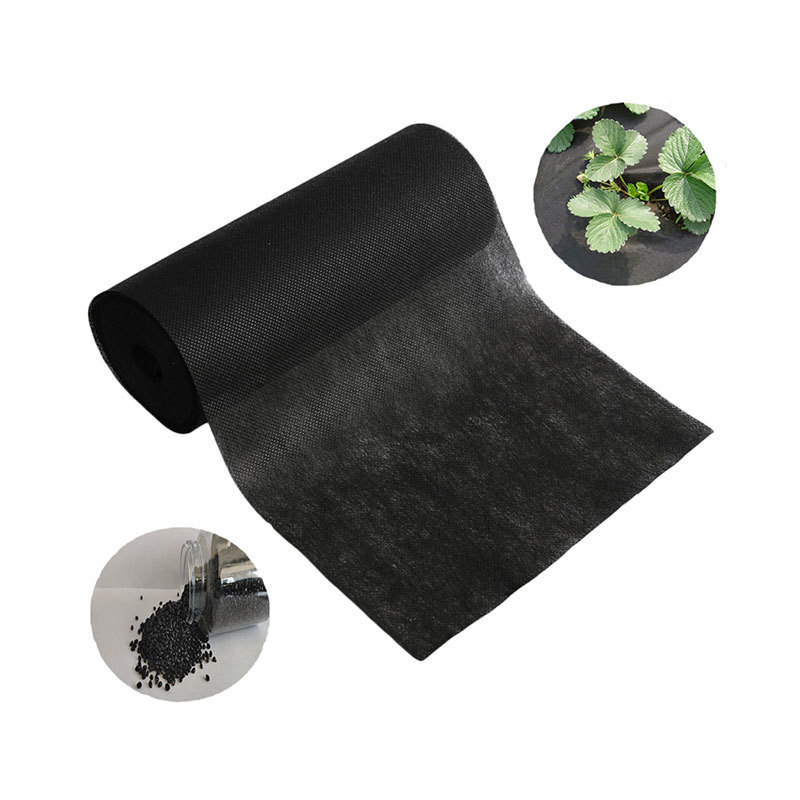
PP nonwoven fabric, or polypropylene nonwoven fabric, is produced using **polypropylene fibers**. Unlike woven fabrics, nonwoven materials are made by bonding fibers together through various mechanical, thermal, or chemical processes, creating a fabric that is both strong and versatile.
The production of PP nonwoven fabric follows a unique method that allows for a wide range of textures, thicknesses, and finishes, making it suitable for an extensive array of applications.
3. Properties and Benefits of PP Nonwoven Fabric
PP nonwoven fabric boasts several remarkable properties that contribute to its widespread use across various industries.
3.1 Durability
One of the standout features of PP nonwoven fabric is its **durability**. This fabric is resistant to tearing, puncturing, and abrasion, which makes it ideal for products that require long-lasting use. Its strength comes from the way the fibers are bonded, resulting in a fabric that can withstand considerable stress without losing its integrity.
3.2 Lightweight Characteristics
Despite its robustness, PP nonwoven fabric is surprisingly **lightweight**. This quality not only facilitates easy handling and transportation but also contributes to its appeal in the manufacturing of various products, from bags to medical supplies. The lightweight nature of this fabric also helps reduce shipping costs and environmental impact.
3.3 Eco-Friendly Aspects
In an era of increasing environmental awareness, the **eco-friendly** attributes of PP nonwoven fabric stand out. Being made from polypropylene, a recyclable material, this fabric can be repurposed at the end of its lifecycle. Furthermore, the manufacturing process can be optimized to minimize energy consumption and waste, aligning with sustainable practices that many industries are now adopting.
4. Applications of PP Nonwoven Fabric
The versatile nature of PP nonwoven fabric lends itself to a multitude of applications across different sectors.
4.1 Medical Applications
In the healthcare industry, PP nonwoven fabric is commonly used to produce surgical gowns, masks, and drapes due to its sterility and barrier properties. The fabric's ability to prevent the penetration of fluids while still allowing air to circulate makes it ideal for situations that require infection control.
4.2 Agricultural Uses
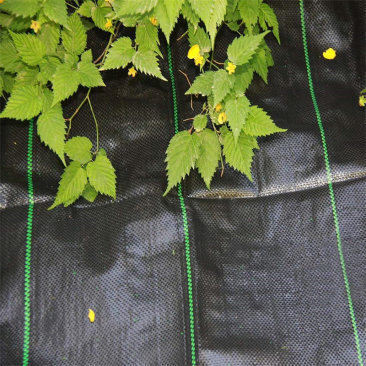
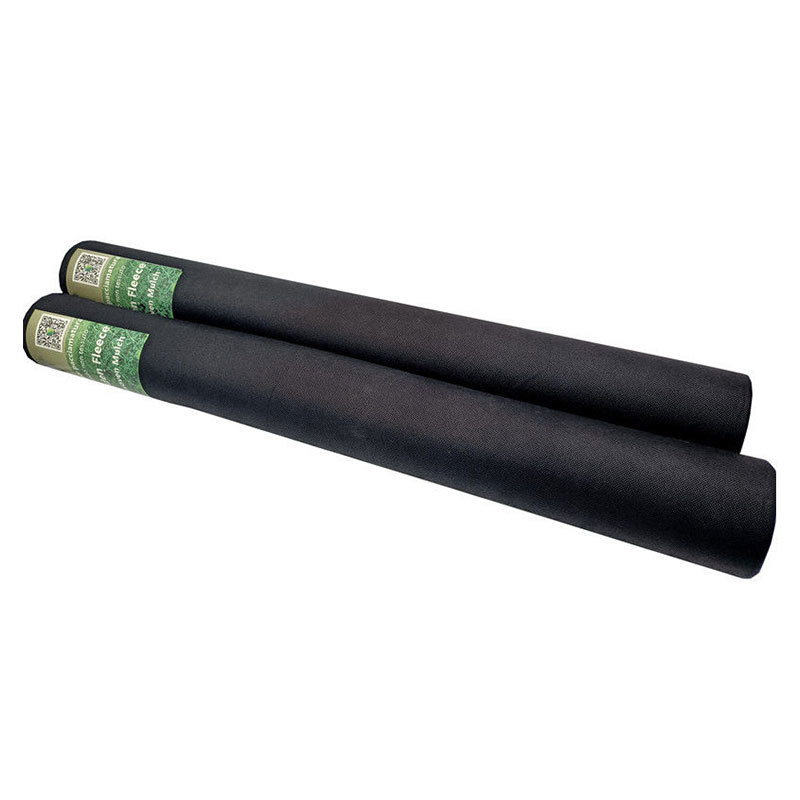
Agriculture also benefits from the adoption of PP nonwoven fabric. It serves as mulch films, plant covers, and geotextiles, promoting plant growth while protecting crops from adverse weather conditions. Its breathable structure allows for optimal moisture retention and temperature regulation.
4.3 Consumer Textile Products
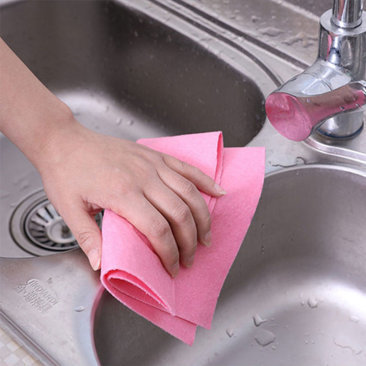
In the consumer market, PP nonwoven fabric is used in a variety of textile products, including bags, upholstery, and disposable items. The fabric can be easily printed on, allowing for customization and branding opportunities.
5. Manufacturing Process of PP Nonwoven Fabric
The manufacturing of PP nonwoven fabric involves several steps, each contributing to the final product's quality and characteristics.
1. **Polymer Extrusion**: The process begins with melting polypropylene pellets, which are then extruded through a spinneret to form continuous filaments.
2. **Web Formation**: The filaments are collected and laid down in a random pattern, forming a web. This can be done through various methods, including meltblowing, spunbonding, or needle punching.
3. **Bonding**: The formed web is then bonded together using heat, pressure, or adhesives to create a cohesive fabric.
4. **Finishing**: The final product may undergo additional treatments to enhance properties such as hydrophobicity, softness, or dyeability.
6. Sustainability and Environmental Impact
Sustainability is at the forefront of the textile industry, and PP nonwoven fabric aligns well with eco-friendly practices. This fabric can be manufactured using recycled materials, thereby reducing waste and promoting a circular economy.
Additionally, the lightweight nature of PP nonwoven fabric contributes to lower transportation emissions, further enhancing its sustainability profile. As consumer awareness grows, many companies are seeking to incorporate sustainable materials like PP nonwoven fabric into their product lines, making it a critical component of future textile innovations.
7. The Future of PP Nonwoven Fabric
The future of PP nonwoven fabric looks promising. As industries continue to prioritize sustainability and efficiency, the demand for this versatile fabric is likely to increase. Innovations in manufacturing processes and material science will further enhance the properties of PP nonwoven fabric, opening doors to new applications and markets.
Research and development efforts are already underway to explore biodegradable alternatives, further improving the environmental impact of nonwoven fabrics. As technology advances, we can expect to see even more applications emerge, solidifying the role of PP nonwoven fabric as a staple in modern textiles.
8. Frequently Asked Questions (FAQ)
1. What are the main advantages of PP nonwoven fabric?
PP nonwoven fabric is durable, lightweight, and eco-friendly, making it ideal for various applications, including medical, agricultural, and consumer products.
2. Is PP nonwoven fabric recyclable?
Yes, PP nonwoven fabric is made from polypropylene, which is a recyclable material. It can be repurposed at the end of its lifecycle.
3. How does PP nonwoven fabric compare to woven fabric?
PP nonwoven fabric is generally stronger and more resistant to tearing than woven fabric. Additionally, nonwoven fabric is lighter and can be produced in various textures and thicknesses.
4. What industries utilize PP nonwoven fabric?
PP nonwoven fabric is used in healthcare, agriculture, textiles, automotive, and various consumer products.
5. Can PP nonwoven fabric be customized?
Yes, PP nonwoven fabric can be printed on and treated to enhance specific properties, allowing for customization and branding opportunities.
9. Conclusion
PP nonwoven fabric stands out as a **durable, lightweight, and eco-friendly material** that meets the diverse needs of various industries. Its unique properties make it an indispensable resource in healthcare, agriculture, and consumer textiles, while its sustainable attributes align with the growing demand for environmentally responsible materials. As we look to the future, PP nonwoven fabric is poised to play a significant role in shaping the textile industry's landscape, leading to innovative solutions and sustainable practices that benefit both businesses and the planet.
PP nonwoven fabric

LEAVE A MESSAGE
MESSAGE