


23
2026
-
01
Understanding Polypropylene Nonwoven Fabric: Characteristics and Applications
Polypropylene nonwoven fabric is an increasingly popular material in the textile industry, known for its lightweight, durable, and versatile characteristics. Made from polypropylene fibers, this nonwoven fabric is produced through processes such as spunbonding and meltblowing, which enable it to be manufactured without traditional weaving methods. This article will delve into the essential propert

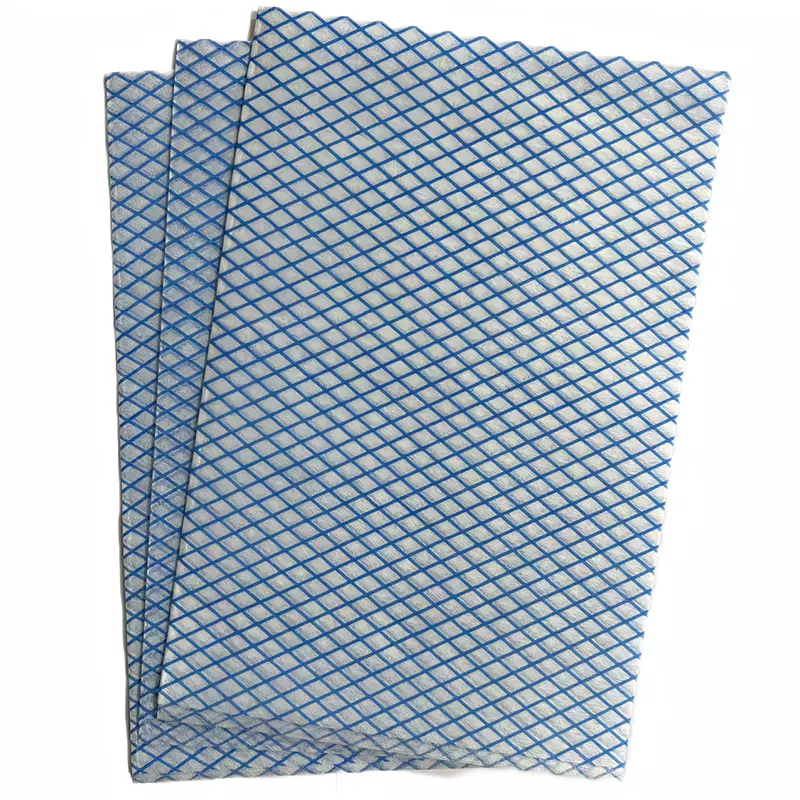
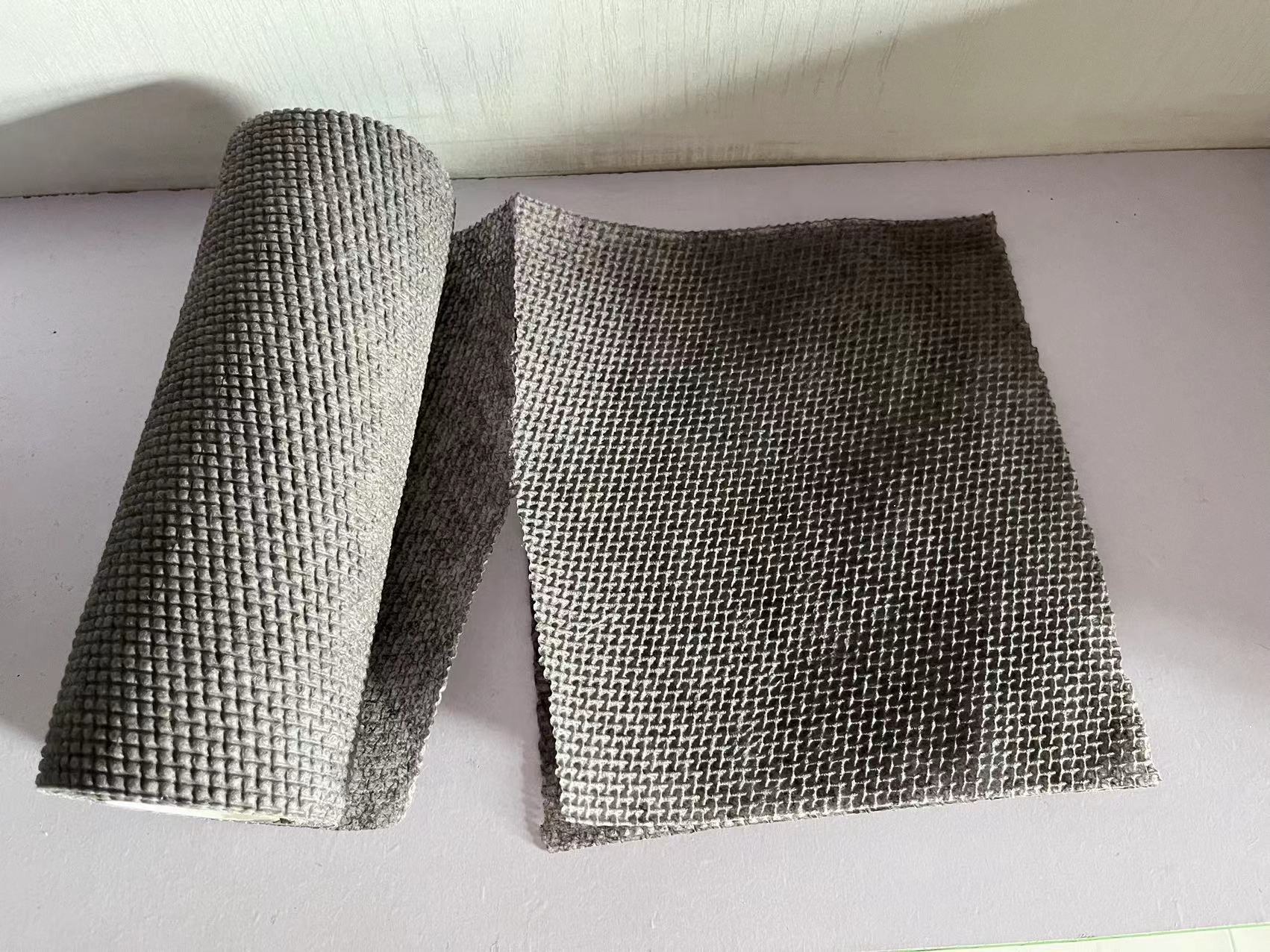
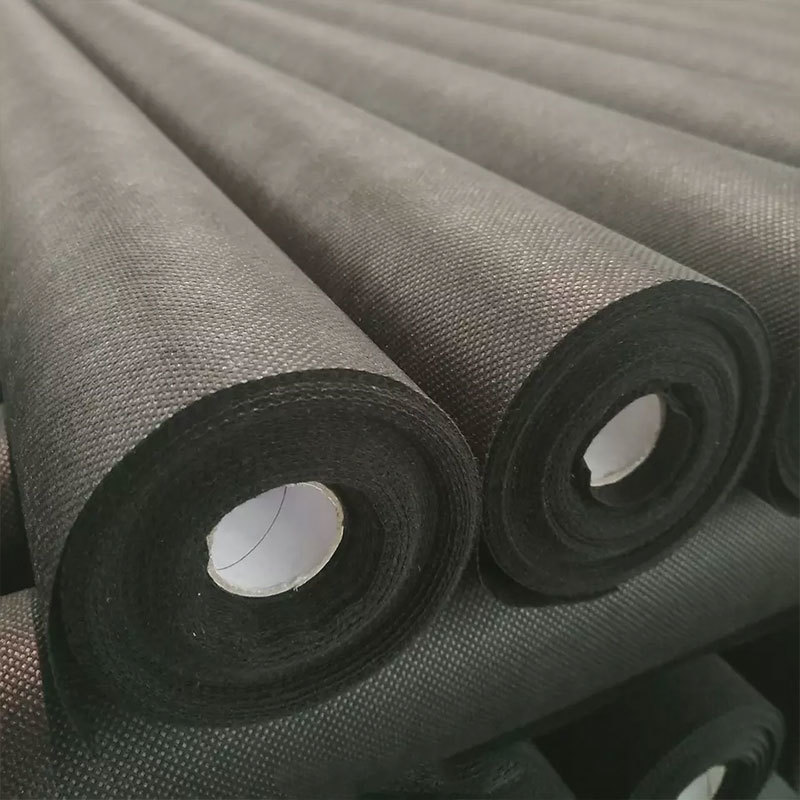
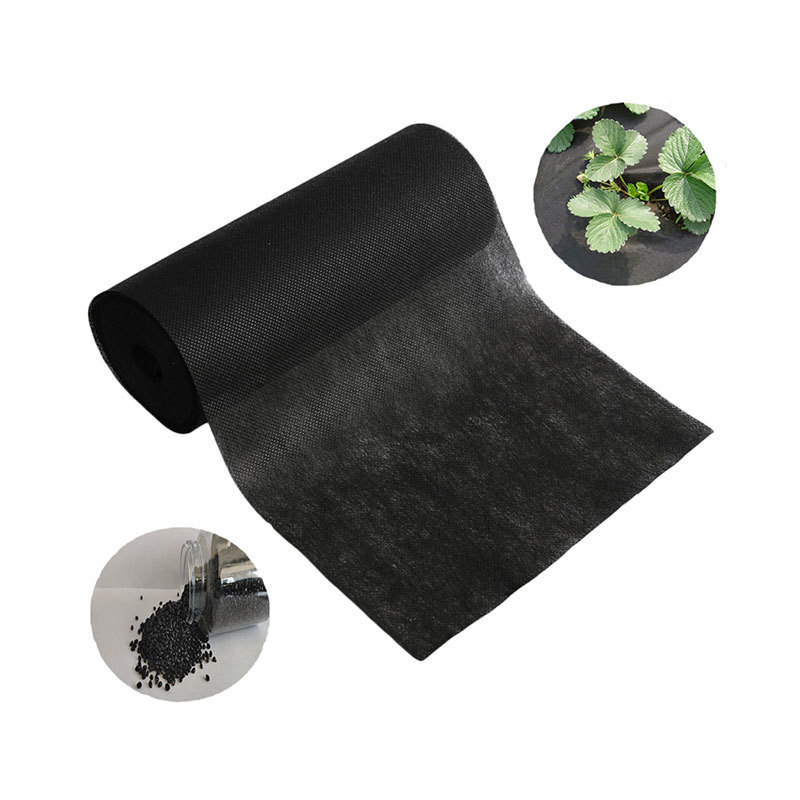
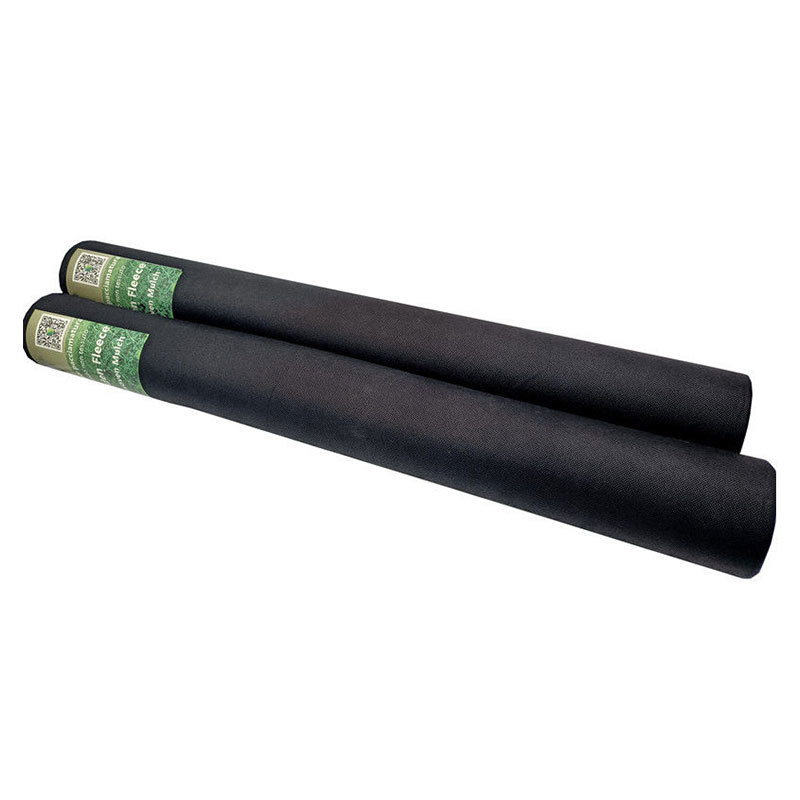
Polypropylene nonwoven fabric is an increasingly popular material in the textile industry, known for its lightweight, durable, and versatile characteristics. Made from polypropylene fibers, this nonwoven fabric is produced through processes such as spunbonding and meltblowing, which enable it to be manufactured without traditional weaving methods. This article will delve into the essential properties, applications, and considerations regarding polypropylene nonwoven fabric, making it an invaluable resource for professionals in the industry.
One of the most significant advantages of polypropylene nonwoven fabric is its outstanding strength-to-weight ratio. The fabric is strong yet lightweight, which makes it ideal for a wide range of applications, including geotextiles, medical supplies, and filtration materials. Additionally, polypropylene is resistant to moisture and many chemicals, giving it an edge over other materials in environments that require durability and resistance to degradation.
Another noteworthy property of polypropylene nonwoven fabric is its breathability. This quality is particularly beneficial in applications such as hygiene products, including diapers and feminine hygiene items, where moisture management is crucial. The nonwoven structure allows for air permeation, enhancing comfort and usability.
In terms of sustainability, polypropylene nonwoven fabric can be produced with recycled materials, making it a more environmentally friendly option in the textile sector. Furthermore, the fabric is fully recyclable, which aligns with the growing trend of sustainability within the industry. As a result, businesses that prioritize eco-friendly practices can effectively incorporate polypropylene nonwoven fabric into their product lines.
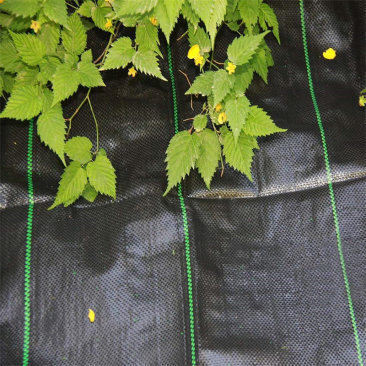
Polypropylene nonwoven fabrics are widely utilized in various sectors. In healthcare, they are commonly used for surgical gowns, masks, and sterilization wraps due to their barrier properties and disposability. In the automotive industry, these fabrics serve as insulators and sound dampening materials. Additionally, in agriculture, they are employed for crop covers and soil erosion control, showcasing their versatility.
When selecting polypropylene nonwoven fabric for specific projects, professionals should consider factors such as fabric weight, thickness, and treatment options to enhance specific performance characteristics. Employing the correct type will ensure optimal outcomes whether for filtration, insulation, or protective purposes.
In conclusion, polypropylene nonwoven fabric is a remarkable material that offers numerous advantages across various applications. Its strength, lightweight nature, breathability, and potential for sustainability make it an attractive choice for professionals in the textile industry. By understanding its properties and applications, industry professionals can effectively utilize polypropylene nonwoven fabric to meet their specific needs while contributing to a more sustainable future.
One of the most significant advantages of polypropylene nonwoven fabric is its outstanding strength-to-weight ratio. The fabric is strong yet lightweight, which makes it ideal for a wide range of applications, including geotextiles, medical supplies, and filtration materials. Additionally, polypropylene is resistant to moisture and many chemicals, giving it an edge over other materials in environments that require durability and resistance to degradation.
Another noteworthy property of polypropylene nonwoven fabric is its breathability. This quality is particularly beneficial in applications such as hygiene products, including diapers and feminine hygiene items, where moisture management is crucial. The nonwoven structure allows for air permeation, enhancing comfort and usability.
In terms of sustainability, polypropylene nonwoven fabric can be produced with recycled materials, making it a more environmentally friendly option in the textile sector. Furthermore, the fabric is fully recyclable, which aligns with the growing trend of sustainability within the industry. As a result, businesses that prioritize eco-friendly practices can effectively incorporate polypropylene nonwoven fabric into their product lines.
Polypropylene nonwoven fabrics are widely utilized in various sectors. In healthcare, they are commonly used for surgical gowns, masks, and sterilization wraps due to their barrier properties and disposability. In the automotive industry, these fabrics serve as insulators and sound dampening materials. Additionally, in agriculture, they are employed for crop covers and soil erosion control, showcasing their versatility.
When selecting polypropylene nonwoven fabric for specific projects, professionals should consider factors such as fabric weight, thickness, and treatment options to enhance specific performance characteristics. Employing the correct type will ensure optimal outcomes whether for filtration, insulation, or protective purposes.
In conclusion, polypropylene nonwoven fabric is a remarkable material that offers numerous advantages across various applications. Its strength, lightweight nature, breathability, and potential for sustainability make it an attractive choice for professionals in the textile industry. By understanding its properties and applications, industry professionals can effectively utilize polypropylene nonwoven fabric to meet their specific needs while contributing to a more sustainable future.
Polypropylene nonwoven fabric

LEAVE A MESSAGE
MESSAGE