



24
2026
-
01
Comparing Spunbond Nonwoven Fabric with Other Nonwoven Types: A Comprehensive Guide
Introduction to Nonwoven Fabrics and Their Importance Nonwoven fabrics play a crucial role in various industries, driven by their unique properties and versatility. These engineered materials differ significantly from traditional woven or knitted fabrics, offering a range of applications from medical to agricultural uses. In this article, we will focus on **spunbond nonwoven fabric**, comparing it

Introduction to Nonwoven Fabrics and Their Importance
Nonwoven fabrics play a crucial role in various industries, driven by their unique properties and versatility. These engineered materials differ significantly from traditional woven or knitted fabrics, offering a range of applications from medical to agricultural uses. In this article, we will focus on **spunbond nonwoven fabric**, comparing it with other nonwoven types such as **meltblown**, **stitchbond**, and **needle-punched** fabrics.
What is Spunbond Nonwoven Fabric?
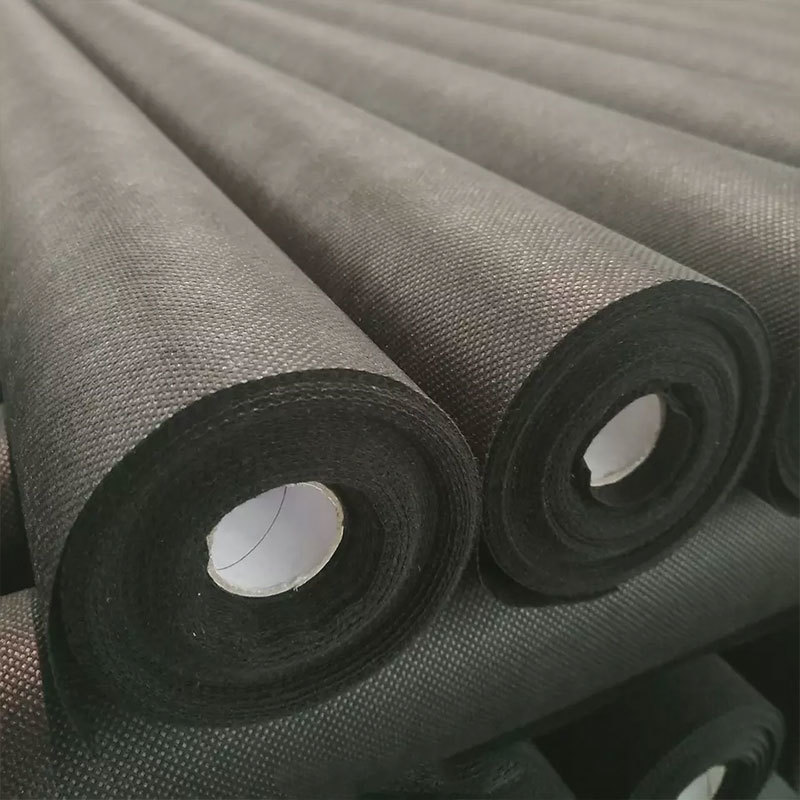
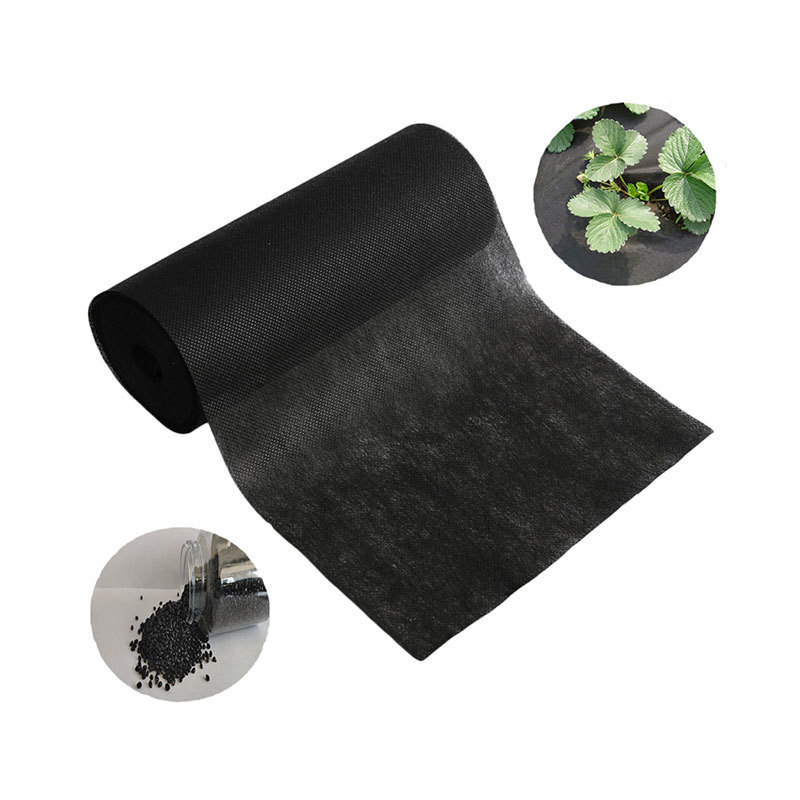
Spunbond nonwoven fabric is produced through a process where continuous filaments of synthetic fibers are bonded together by thermal, chemical, or mechanical means. This manufacturing technique results in a fabric that exhibits high strength, durability, and flexibility.
Key Characteristics of Spunbond Nonwoven Fabric
1. **Strength and Durability**: Spunbond fabrics are known for their robust nature, making them suitable for demanding applications such as geotextiles and packaging.
2. **Breathability**: The open structure of the fabric allows for excellent ventilation, making it ideal for medical products such as surgical gowns and masks.
3. **Lightweight and Soft**: Despite their strength, spunbond nonwoven fabrics are lightweight and soft to the touch, enhancing comfort in clothing and personal care items.
4. **Water Resistance**: Many spunbond fabrics can be treated to resist water, making them appropriate for outdoor applications.
Types of Nonwoven Fabrics: An Overview
To better understand the advantages of spunbond nonwoven fabric, it is essential to explore other types of nonwoven fabrics.
Meltblown Nonwoven Fabric
Meltblown nonwoven fabric is manufactured by extruding molten polymer through fine nozzles, creating microfibers that are collected on a conveyor belt.
Characteristics of Meltblown Nonwoven Fabric
- **Filtration Efficiency**: Meltblown fabrics are known for their fine fibers, making them highly effective for filtration applications, including face masks and air filters.
- **Softness and Comfort**: The soft texture of meltblown fabrics makes them suitable for personal care products.
Needle-Punched Nonwoven Fabric
Needle-punched nonwoven fabrics are created by mechanically entangling fibers using barbed needles. This process results in a dense, durable fabric.
Characteristics of Needle-Punched Nonwoven Fabric
- **High Bulk and Thickness**: Needle-punched fabrics are thick and strong, making them suitable for applications in carpets and insulation materials.
- **Versatile Applications**: These fabrics can be used in various industries, including automotive, construction, and home furnishings.
Stitchbond Nonwoven Fabric
Stitchbond nonwoven fabric combines the benefits of nonwoven and woven textiles, offering a unique structure achieved through stitching.
Characteristics of Stitchbond Nonwoven Fabric
- **Flexibility and Strength**: The stitching process enhances the fabric's flexibility while maintaining its strength, making it ideal for upholstery and furniture applications.
- **Enhanced Aesthetic Appeal**: Stitchbond fabrics can be produced in various colors and patterns, increasing their appeal for fashion and decor.
Comparative Analysis: Spunbond vs. Other Nonwoven Fabrics
Now that we understand the various types of nonwoven fabrics, we can compare spunbond nonwoven fabric with meltblown, needle-punched, and stitchbond fabrics across several parameters.
1. Manufacturing Process
- **Spunbond**: Continuous filaments are extruded and bonded, producing a fabric with uniform structure and strength.
- **Meltblown**: Fine fibers are created by blowing molten polymer, resulting in a fabric with excellent filtration properties.
- **Needle-Punched**: Fibers are entangled mechanically, creating a dense and thick fabric suitable for heavy-duty applications.
- **Stitchbond**: Combines stitching with a nonwoven structure, offering a blend of strength and flexibility.
2. Applications and Uses
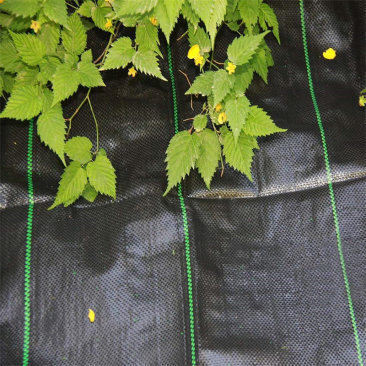
- **Spunbond**: Widely used in hygiene products, agriculture, and construction materials.
- **Meltblown**: Primarily utilized in filtration products, such as masks and air filters.
- **Needle-Punched**: Commonly found in automotive, insulation, and flooring applications.
- **Stitchbond**: Ideal for upholstery, fashion, and decorative fabrics.
3. Performance Characteristics
- **Spunbond**: Offers high strength, durability, and breathability.
- **Meltblown**: Exceptional filtration efficiency but lower strength compared to spunbond.
- **Needle-Punched**: Thick and durable, suitable for heavy applications but less breathable.
- **Stitchbond**: Flexible and aesthetic, making it ideal for decorative uses but may lack durability in harsh environments.
4. Cost-Effectiveness
When considering the cost-effectiveness of these fabrics, spunbond nonwoven fabric often strikes a balance between price and performance, making it a popular choice across various industries.
- **Meltblown** fabrics can be more expensive due to their specialized production processes.
- **Needle-punched** and **stitchbond** fabrics may also come with higher costs associated with their manufacturing methods.
Environmental Considerations in Nonwoven Fabrics
The environmental impact of nonwoven fabrics is a growing concern. Spunbond nonwoven fabrics offer a more sustainable choice compared to other types, depending on the materials used.
Biodegradable Options
Many manufacturers are now producing spunbond nonwoven fabrics from biodegradable materials, allowing for more eco-friendly disposal options.
Recyclability
Spunbond fabrics made from polypropylene can be recycled, contributing to a circular economy in the textile industry.
FAQs about Spunbond Nonwoven Fabric and Other Nonwoven Types
1. What are the primary uses of spunbond nonwoven fabric?
Spunbond nonwoven fabric is used in hygiene products, geotextiles, agricultural materials, and packaging.
2. How does spunbond nonwoven fabric compare to meltblown fabric for masks?
While spunbond provides structural support, meltblown fabric offers high filtration efficiency, making both essential for effective masks.
3. Is spunbond nonwoven fabric biodegradable?
Yes, some spunbond nonwoven fabrics are produced from biodegradable materials, contributing to eco-friendliness.
4. What advantages does needle-punched fabric offer?
Needle-punched fabric is thick and durable, making it ideal for heavy-duty applications such as insulation and carpets.
5. Can stitchbond fabrics be used in fashion applications?
Absolutely! Stitchbond fabrics are highly versatile and can be used in clothing, home decor, and upholstery.
Conclusion
In conclusion, spunbond nonwoven fabric stands out as a versatile and effective option within the realm of nonwoven textiles. Its unique properties, coupled with a diverse range of applications, make it a preferred choice for many industries. By understanding the differences between spunbond and other nonwoven types, you can make informed decisions that align with your specific needs—whether it be for durability, filtration, or aesthetic appeal. As the demand for sustainable and innovative textile solutions grows, spunbond nonwoven fabric will likely continue to lead the way in the nonwoven market.
spunbond nonwoven fabric

LEAVE A MESSAGE
MESSAGE