




04
2026
-
02
Understanding Woven Ground Cover Fabric: A Comprehensive Guide for Construction and Landscaping
Woven ground cover fabric is a versatile material widely utilized in construction and landscaping projects. This fabric is designed to serve as a protective layer for soil, promoting healthy plant growth while preventing weed proliferation. Unlike traditional plastic weed barriers, woven fabrics are made from interlaced fibers that allow water, air, and nutrients to permeate the soil, making it an

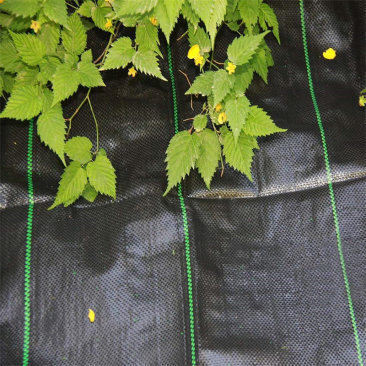
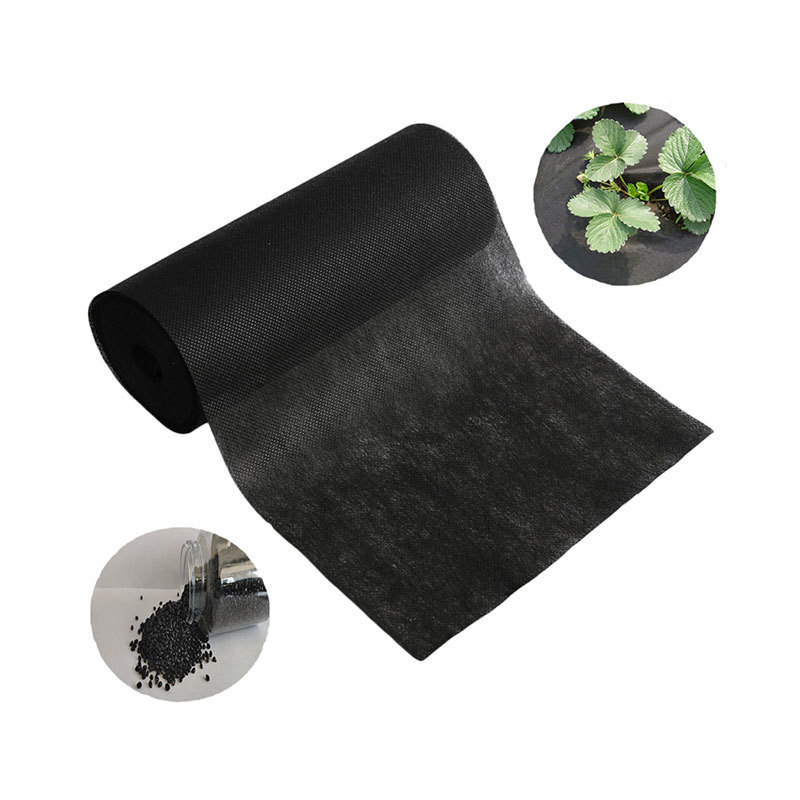
Woven ground cover fabric is a versatile material widely utilized in construction and landscaping projects. This fabric is designed to serve as a protective layer for soil, promoting healthy plant growth while preventing weed proliferation. Unlike traditional plastic weed barriers, woven fabrics are made from interlaced fibers that allow water, air, and nutrients to permeate the soil, making it an ideal choice for gardens, landscapes, and construction sites.
One of the primary advantages of woven ground cover fabric is its durability. Constructed from high-density polypropylene or polyethylene, this fabric is resistant to UV rays, ensuring longevity even in harsh weather conditions. It can withstand heavy foot traffic and machinery without tearing, making it suitable for both residential and commercial projects.
In addition to its resilience, this fabric acts as an effective drainage solution. The woven structure provides excellent water flow, which is crucial in preventing water accumulation that can lead to soil erosion and plant root rot. By facilitating proper drainage, it helps maintain soil health, which is essential for any landscaping or construction undertaking.
Woven ground cover fabric is also environmentally friendly. As it allows for water and nutrients to pass through, it supports soil ecosystems, promoting the growth of beneficial microorganisms. This makes it a perfect choice for eco-conscious builders and landscapers who want to minimize their environmental footprint.
In terms of installation, the process is straightforward. The fabric can be cut to fit various shapes and sizes, making it adaptable to different landscaping designs and construction needs. When installing, it is important to lay the fabric smoothly, ensuring there are no wrinkles or gaps that could allow weeds to penetrate. Overlapping edges by several inches can enhance its effectiveness in weed prevention.
Furthermore, woven ground cover fabric can be used in conjunction with mulch or decorative stones to enhance the aesthetic appeal of a garden or landscape. This combination not only provides visual interest but also boosts the fabric's weed-suppressing capabilities and helps with moisture retention in the soil.
In summary, woven ground cover fabric is a vital component in the toolkit of any builder or landscaper. Its durability, drainage capabilities, and eco-friendliness make it a preferred choice for various applications, from residential gardens to large-scale construction sites. By incorporating this material into your projects, you can ensure a healthier and more sustainable environment for plants while effectively managing weeds and soil erosion.
One of the primary advantages of woven ground cover fabric is its durability. Constructed from high-density polypropylene or polyethylene, this fabric is resistant to UV rays, ensuring longevity even in harsh weather conditions. It can withstand heavy foot traffic and machinery without tearing, making it suitable for both residential and commercial projects.
In addition to its resilience, this fabric acts as an effective drainage solution. The woven structure provides excellent water flow, which is crucial in preventing water accumulation that can lead to soil erosion and plant root rot. By facilitating proper drainage, it helps maintain soil health, which is essential for any landscaping or construction undertaking.
Woven ground cover fabric is also environmentally friendly. As it allows for water and nutrients to pass through, it supports soil ecosystems, promoting the growth of beneficial microorganisms. This makes it a perfect choice for eco-conscious builders and landscapers who want to minimize their environmental footprint.
In terms of installation, the process is straightforward. The fabric can be cut to fit various shapes and sizes, making it adaptable to different landscaping designs and construction needs. When installing, it is important to lay the fabric smoothly, ensuring there are no wrinkles or gaps that could allow weeds to penetrate. Overlapping edges by several inches can enhance its effectiveness in weed prevention.
Furthermore, woven ground cover fabric can be used in conjunction with mulch or decorative stones to enhance the aesthetic appeal of a garden or landscape. This combination not only provides visual interest but also boosts the fabric's weed-suppressing capabilities and helps with moisture retention in the soil.
In summary, woven ground cover fabric is a vital component in the toolkit of any builder or landscaper. Its durability, drainage capabilities, and eco-friendliness make it a preferred choice for various applications, from residential gardens to large-scale construction sites. By incorporating this material into your projects, you can ensure a healthier and more sustainable environment for plants while effectively managing weeds and soil erosion.
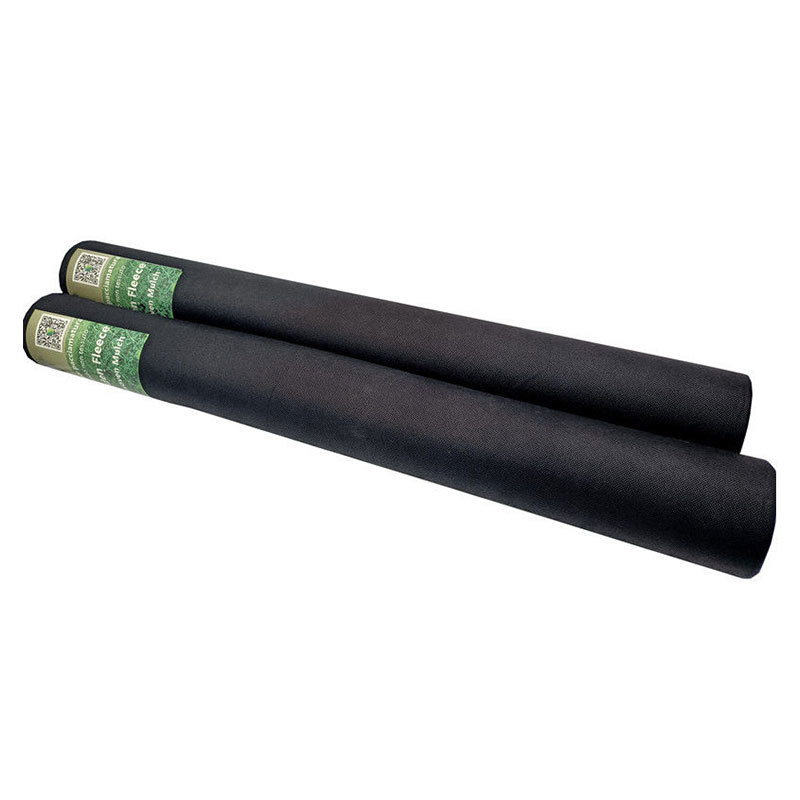
woven ground cover fabric

LEAVE A MESSAGE
MESSAGE