



05
2026
-
02
How Spunbond Polypropylene Fabric Enhances Durability in Textiles
Understanding Spunbond Polypropylene Fabric Spunbond polypropylene (SBPP) fabric is at the forefront of modern textiles, known for its exceptional durability and multifaceted applications. This fabric is made from polypropylene fibers that are spun and bonded together, creating a nonwoven material with a plethora of advantages over traditional textiles. In this article, we delve into how spunbond

Understanding Spunbond Polypropylene Fabric
Spunbond polypropylene (SBPP) fabric is at the forefront of modern textiles, known for its exceptional durability and multifaceted applications. This fabric is made from polypropylene fibers that are spun and bonded together, creating a nonwoven material with a plethora of advantages over traditional textiles. In this article, we delve into how spunbond polypropylene fabric enhances durability in textiles, examining its properties, applications, benefits, and future prospects.
What is Spunbond Polypropylene Fabric?
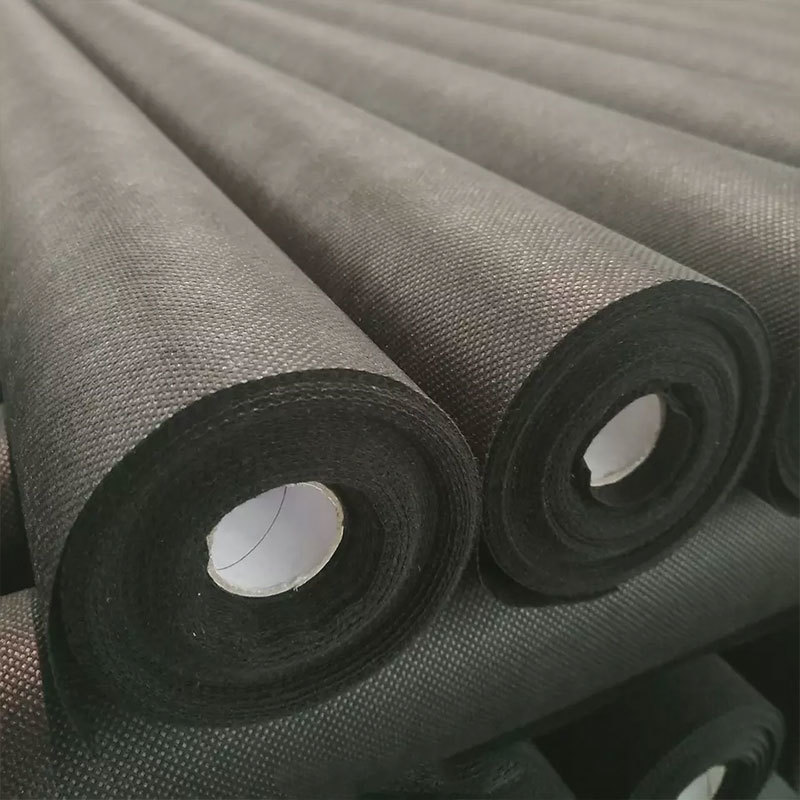
Spunbond polypropylene fabric is a type of nonwoven material produced through a process that involves extruding polypropylene fibers. These fibers are then bonded together using heat and pressure without the need for weaving or knitting. The result is a lightweight, strong, and durable fabric that offers a range of benefits in various applications.
The Production Process of Spunbond Polypropylene
The production of spunbond polypropylene fabric consists of several key steps:
1. **Polymer Extrusion**: Polypropylene pellets are heated and melted, then extruded through a spinneret to form continuous filaments.
2. **Spinning and Cooling**: The extruded fibers are cooled and drawn to enhance their strength and flexibility.
3. **Web Formation**: The continuous filaments are laid down in a random pattern to form a web.
4. **Bonding**: The web is then bonded using either thermal or chemical methods to create a cohesive fabric.
This unique production process results in a fabric that is both lightweight and extremely durable.
Key Properties of Spunbond Polypropylene Fabric
Spunbond polypropylene fabric boasts several properties that contribute to its durability and versatility. These include:
1. High Strength and Durability
One of the most significant advantages of spunbond polypropylene fabric is its high tensile strength. This strength allows the fabric to withstand various stresses and strains, making it ideal for heavy-duty applications.
2. Resistance to Water and Chemicals
Spunbond polypropylene is inherently resistant to water and many chemicals. This property makes it suitable for use in environments where exposure to liquids or corrosive substances is a concern.
3. Lightweight and Breathable
Despite its strength, spunbond polypropylene is lightweight, making it easy to handle and transport. Its breathable nature allows for ventilation, making it a favorable choice for applications that require moisture management.
4. UV Resistance
Spunbond polypropylene fabric can be treated to enhance its resistance to ultraviolet (UV) light, ensuring that it maintains its integrity and color even when exposed to sunlight for extended periods.
Applications of Spunbond Polypropylene Fabric in Textiles
Spunbond polypropylene fabric finds extensive use across various sectors due to its durability and versatility. Key applications include:
1. Agricultural Textiles
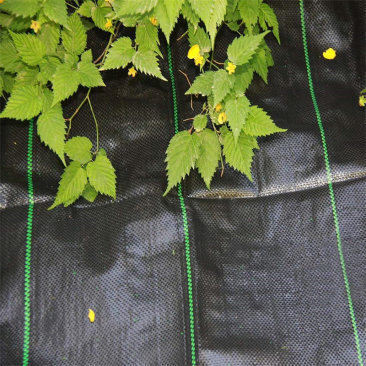
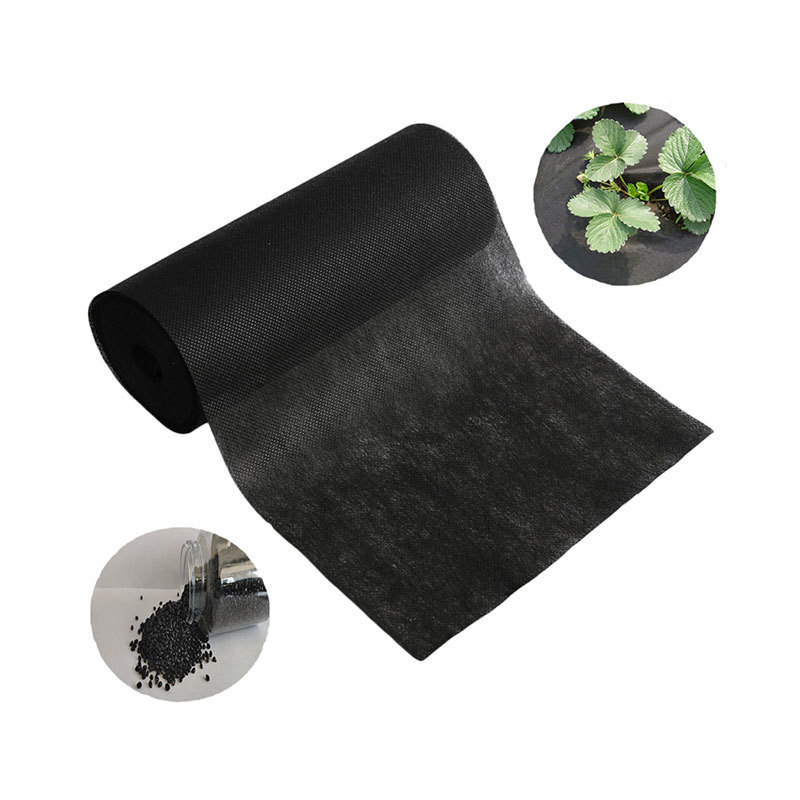
In agriculture, spunbond polypropylene is used for row covers, weed control fabrics, and greenhouse coverings. Its durability helps protect crops from harsh weather conditions while allowing air and moisture to penetrate.
2. Medical and Hygiene Products
The healthcare industry utilizes spunbond polypropylene for surgical gowns, masks, and other disposable items. Its strength, breathability, and resistance to fluids make it an ideal choice for maintaining hygiene standards.
3. Geotextiles
Spunbond polypropylene is employed in civil engineering applications as geotextiles for soil stabilization, erosion control, and drainage solutions. Its durability ensures long-lasting performance in demanding environments.
4. Home Textiles
From furniture upholstery to curtains, spunbond polypropylene fabric is increasingly popular in home textiles. Its resistance to stains and easy maintenance make it a practical choice for various interior applications.
The Advantages of Using Spunbond Polypropylene in Textiles
The use of spunbond polypropylene fabric offers several advantages in various textile applications:
1. Cost-Effectiveness
The production process of spunbond polypropylene is efficient, allowing for cost-effective manufacturing. This affordability makes it accessible for various industries while maintaining high quality.
2. Eco-Friendly Options
As environmental concerns continue to grow, spunbond polypropylene can be produced from recycled materials, providing a sustainable alternative for manufacturers and consumers alike.
3. Versatile Customization
Manufacturers can easily customize spunbond polypropylene fabric to meet specific needs, such as varying thickness, colors, and treatments. This versatility allows it to adapt to diverse applications across multiple industries.
Comparing Spunbond Polypropylene with Other Fabrics
When assessing the benefits of spunbond polypropylene, it is essential to compare it with other fabric types:
1. Woven Fabrics
While woven fabrics offer strength, they are often heavier and less flexible than spunbond polypropylene. Additionally, woven materials may not provide the same level of resistance to water and chemicals.
2. Nonwoven Fabrics
Spunbond polypropylene is a type of nonwoven fabric, but it stands out due to its production process and resulting strength. Other nonwoven materials may lack the same durability and versatility.
3. Traditional Textiles
Traditional textiles such as cotton or polyester can be less durable in demanding applications. Spunbond polypropylene’s unique properties offer superior performance in various sectors.
The Future of Spunbond Polypropylene Fabric in the Textile Industry
As technology advances, the future of spunbond polypropylene fabric looks promising. We can expect innovations in production methods, including new treatments that enhance its properties. Additionally, as sustainability becomes a priority, the rise of recycled spunbond polypropylene could lead to broader applications in eco-friendly textiles.
FAQs About Spunbond Polypropylene Fabric
1. Is spunbond polypropylene fabric biodegradable?
Spunbond polypropylene is not biodegradable; however, it can be recycled, making it a more eco-friendly option compared to many other synthetic fabrics.
2. How is spunbond polypropylene fabric cleaned?
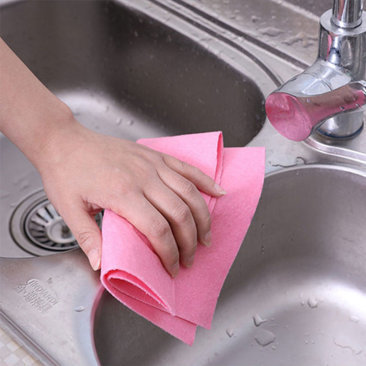
Cleaning spunbond polypropylene fabric is simple. Most fabrics can be wiped down with a damp cloth or machine washed on a gentle cycle without fabric softeners.
3. Can spunbond polypropylene fabric be treated for UV resistance?
Yes, spunbond polypropylene can be treated to enhance its UV resistance, making it suitable for outdoor applications.
4. What industries utilize spunbond polypropylene fabric?
Spunbond polypropylene fabric is used in various industries, including agriculture, healthcare, civil engineering, and home textiles.
5. How does spunbond polypropylene compare to other nonwoven fabrics?
Spunbond polypropylene generally offers superior strength, durability, and resistance to water compared to other nonwoven fabrics.
Conclusion
Spunbond polypropylene fabric is a game-changer in the textile industry, offering unmatched durability, versatility, and cost-effectiveness. Its unique properties make it suitable for a wide range of applications, from agriculture to healthcare and home textiles. As manufacturers continue to innovate and prioritize sustainability, the future for spunbond polypropylene looks bright. Embracing this robust material can lead to more efficient, durable, and environmentally-friendly textile solutions, ensuring its place at the forefront of the industry.
spunbond polypropylene fabric

LEAVE A MESSAGE
MESSAGE