




06
2026
-
02
Essential Insights on Ground Weed Control Fabric for Construction Projects
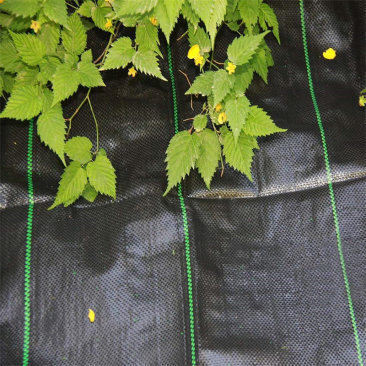
Ground weed control fabric, also known as landscape fabric, plays a crucial role in construction and landscaping applications. This specialized material is designed to suppress weed growth while allowing water, air, and nutrients to permeate the soil. Its use in construction projects not only enhances aesthetic appeal but also contributes to the integrity of the landscape, making it an essential c

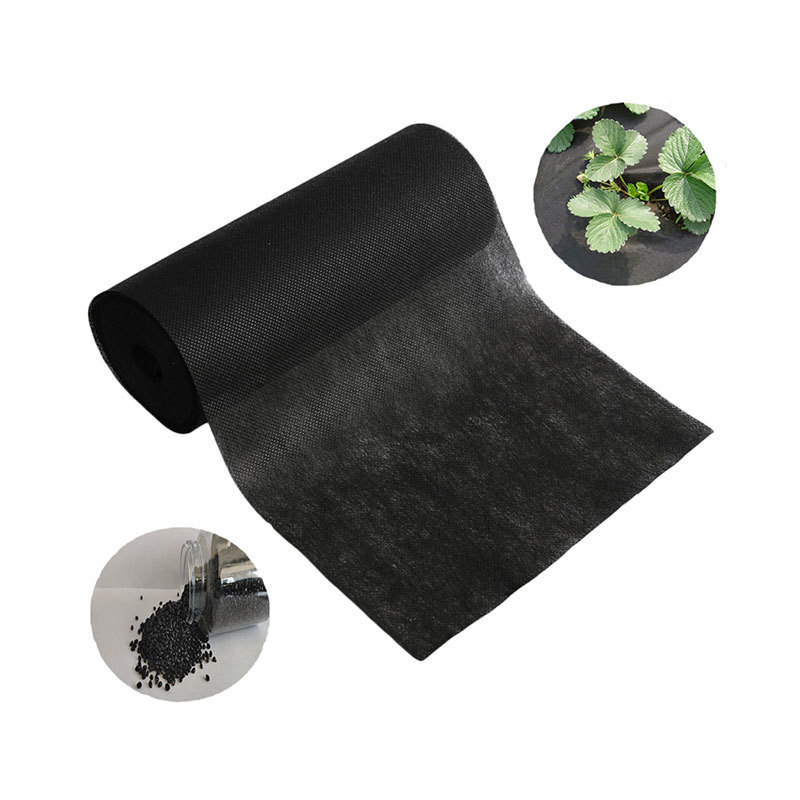
Ground weed control fabric, also known as landscape fabric, plays a crucial role in construction and landscaping applications. This specialized material is designed to suppress weed growth while allowing water, air, and nutrients to permeate the soil. Its use in construction projects not only enhances aesthetic appeal but also contributes to the integrity of the landscape, making it an essential component for various applications.
One of the primary benefits of using ground weed control fabric is its ability to manage unwanted vegetation effectively. By laying this fabric over the soil before planting or landscaping, contractors can significantly reduce the number of weeds that germinate and grow. This not only saves time and labor associated with manual weeding but also minimizes the need for chemical herbicides, promoting a more environmentally friendly approach to landscape management.
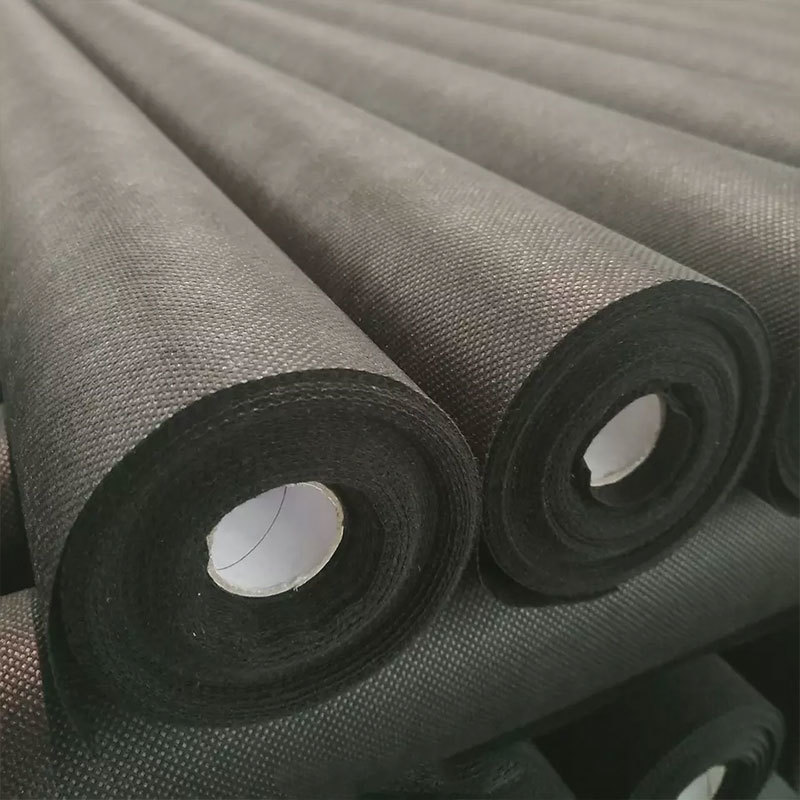
In terms of material composition, ground weed control fabric is typically made from a combination of synthetic fibers or natural fibers. Synthetic fabrics, such as polypropylene and polyester, are known for their durability and resistance to rot and UV degradation. On the other hand, natural fiber options, like jute, offer a biodegradable solution that can blend seamlessly into the environment. The choice of fabric will depend on the specific requirements of the project, including the type of vegetation, soil conditions, and the desired longevity of the material.
Installation of ground weed control fabric is straightforward, making it accessible for both professionals and DIY enthusiasts. The fabric is rolled out over the area where it is needed and secured with stakes or landscape pins to prevent movement or shifting. It is essential to ensure that the fabric is laid flat without any overlaps, as this can create pockets for weed growth. Additionally, when installing the fabric around plants, it is crucial to make precise cuts to accommodate growth while maintaining the fabric’s protective properties.
For optimal results, ground weed control fabric should be covered with a layer of mulch or decorative stones. This not only enhances the visual appeal of the landscape but also provides additional protection against sunlight, thus further inhibiting weed growth. The layer of mulch also helps retain moisture in the soil, benefiting the plants and reducing the frequency of irrigation.
In conclusion, ground weed control fabric is an indispensable tool in the construction and landscaping industries. By effectively managing weeds, improving soil health, and enhancing project aesthetics, this material can significantly contribute to the success of various projects. Whether you are a contractor or a homeowner, understanding the advantages and applications of ground weed control fabric can help you make informed decisions that elevate the quality and sustainability of your landscape.
One of the primary benefits of using ground weed control fabric is its ability to manage unwanted vegetation effectively. By laying this fabric over the soil before planting or landscaping, contractors can significantly reduce the number of weeds that germinate and grow. This not only saves time and labor associated with manual weeding but also minimizes the need for chemical herbicides, promoting a more environmentally friendly approach to landscape management.
In terms of material composition, ground weed control fabric is typically made from a combination of synthetic fibers or natural fibers. Synthetic fabrics, such as polypropylene and polyester, are known for their durability and resistance to rot and UV degradation. On the other hand, natural fiber options, like jute, offer a biodegradable solution that can blend seamlessly into the environment. The choice of fabric will depend on the specific requirements of the project, including the type of vegetation, soil conditions, and the desired longevity of the material.
Installation of ground weed control fabric is straightforward, making it accessible for both professionals and DIY enthusiasts. The fabric is rolled out over the area where it is needed and secured with stakes or landscape pins to prevent movement or shifting. It is essential to ensure that the fabric is laid flat without any overlaps, as this can create pockets for weed growth. Additionally, when installing the fabric around plants, it is crucial to make precise cuts to accommodate growth while maintaining the fabric’s protective properties.
For optimal results, ground weed control fabric should be covered with a layer of mulch or decorative stones. This not only enhances the visual appeal of the landscape but also provides additional protection against sunlight, thus further inhibiting weed growth. The layer of mulch also helps retain moisture in the soil, benefiting the plants and reducing the frequency of irrigation.
In conclusion, ground weed control fabric is an indispensable tool in the construction and landscaping industries. By effectively managing weeds, improving soil health, and enhancing project aesthetics, this material can significantly contribute to the success of various projects. Whether you are a contractor or a homeowner, understanding the advantages and applications of ground weed control fabric can help you make informed decisions that elevate the quality and sustainability of your landscape.
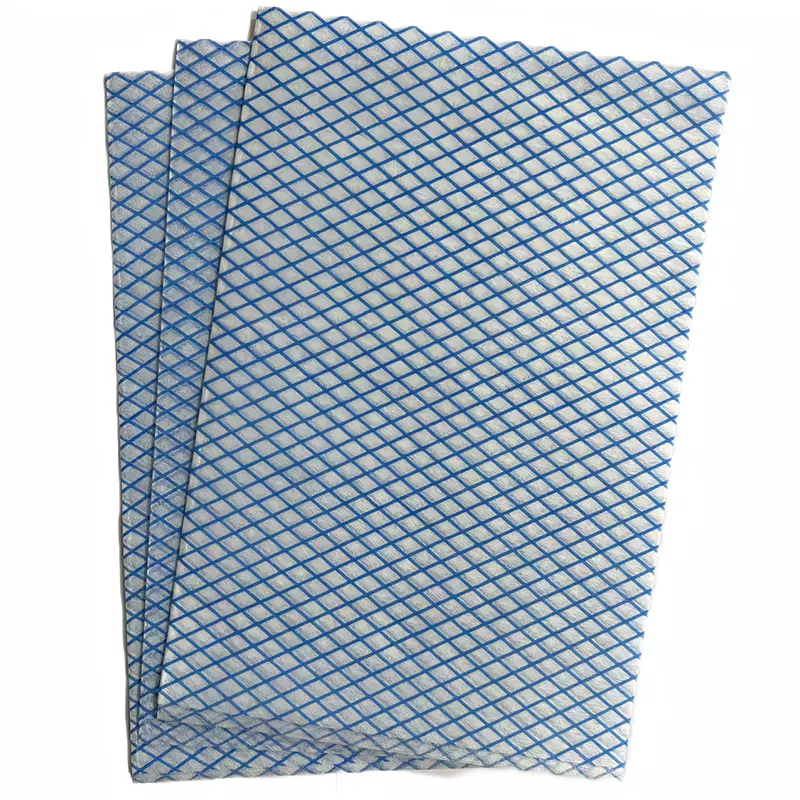
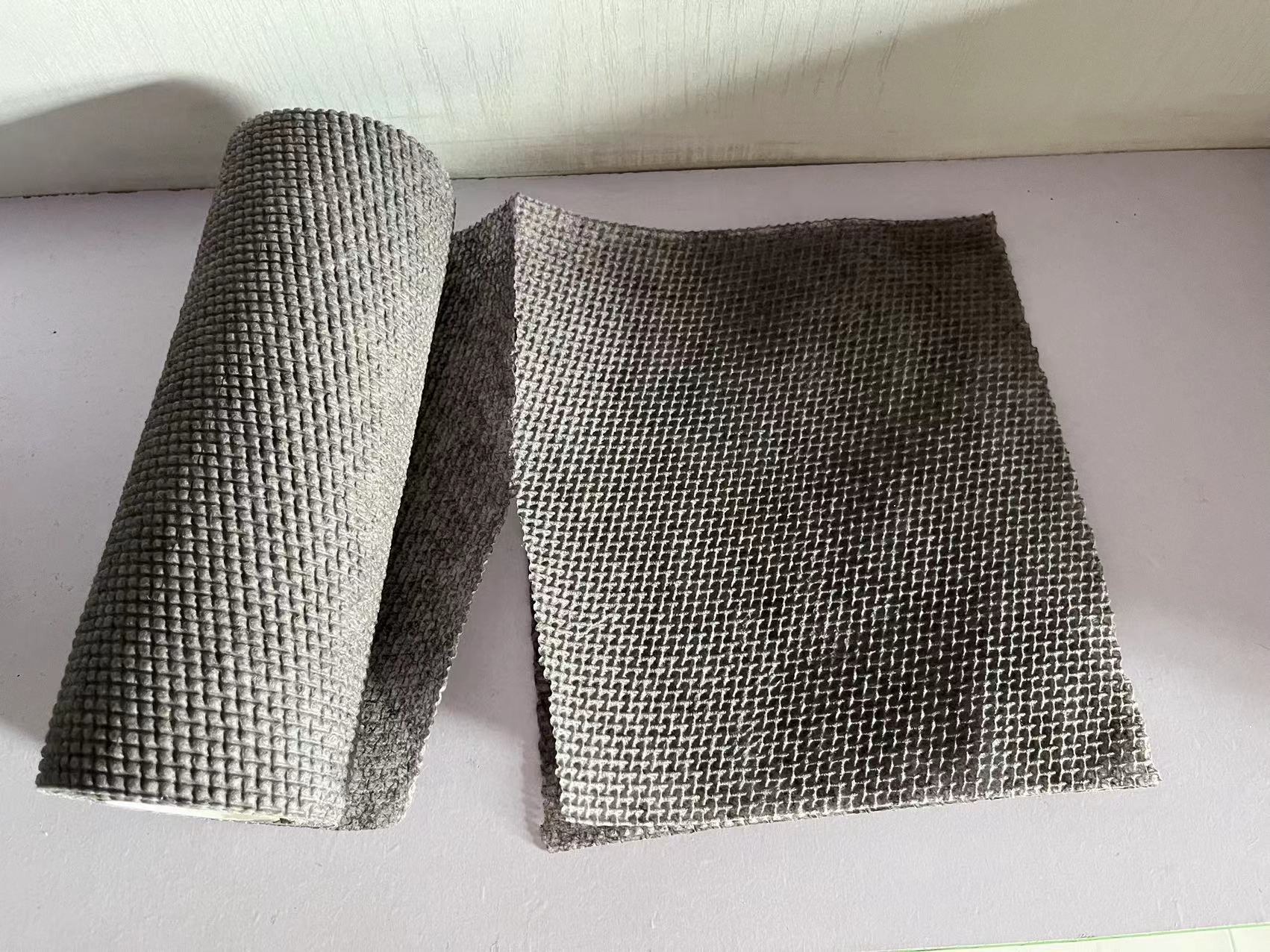
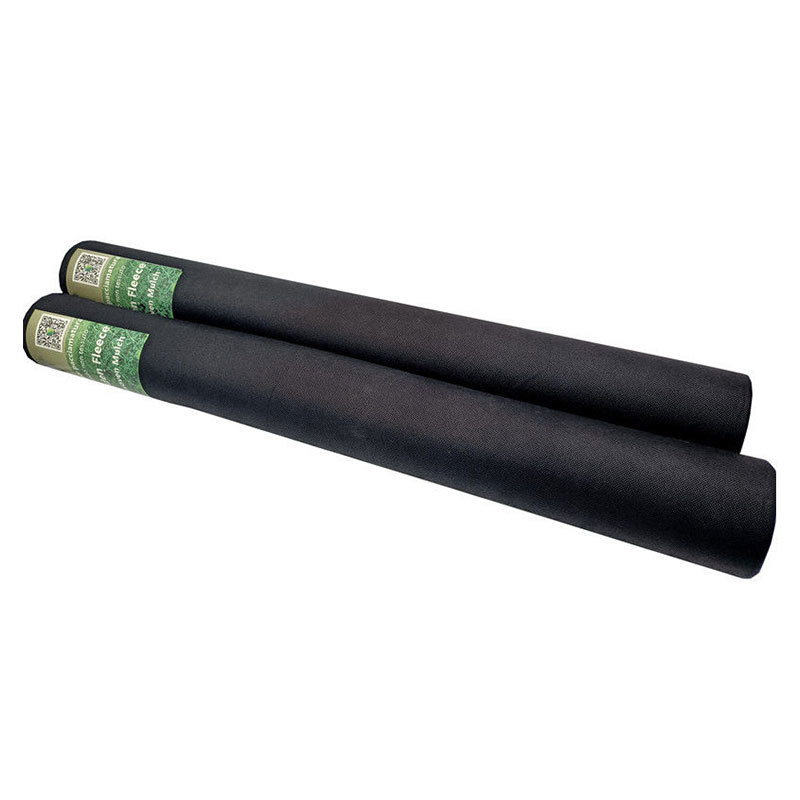
ground weed control fabric

LEAVE A MESSAGE
MESSAGE