




07
2026
-
02
Transform Your Construction Site with Effective Ground Fabric Weed Control Solutions
Transform Your Construction Site with Effective Ground Fabric Weed Control Solutions In the construction industry, maintaining a clean, organized, and efficient site is crucial not only for aesthetics but also for the safety and productivity of workers. One of the often-overlooked aspects of site management is the control of weeds, which can significantly impact both the progress of construction a

Transform Your Construction Site with Effective Ground Fabric Weed Control Solutions
In the construction industry, maintaining a clean, organized, and efficient site is crucial not only for aesthetics but also for the safety and productivity of workers. One of the often-overlooked aspects of site management is the control of weeds, which can significantly impact both the progress of construction and the longevity of landscaping efforts. By employing effective ground fabric weed control, you can enhance your construction site’s functionality while ensuring a visually appealing landscape. This comprehensive guide will explore the various aspects of ground fabric weed control, how it can benefit your project, and the best practices for implementation.
Table of Contents
- Understanding Ground Fabric Weed Control
- Benefits of Using Ground Fabric in Construction
- Types of Ground Fabric for Weed Control
- Installation Techniques for Ground Fabric
- Maintenance and Care of Ground Fabric
- Eco-Friendly Options for Ground Fabric Weed Control
- Cost Considerations for Ground Fabric Solutions
- Frequently Asked Questions
Understanding Ground Fabric Weed Control
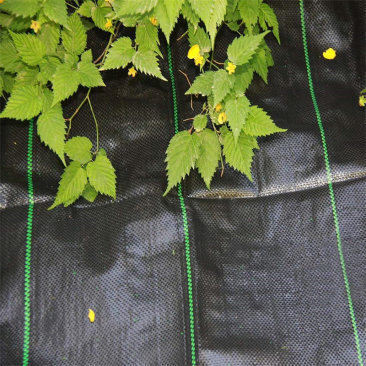
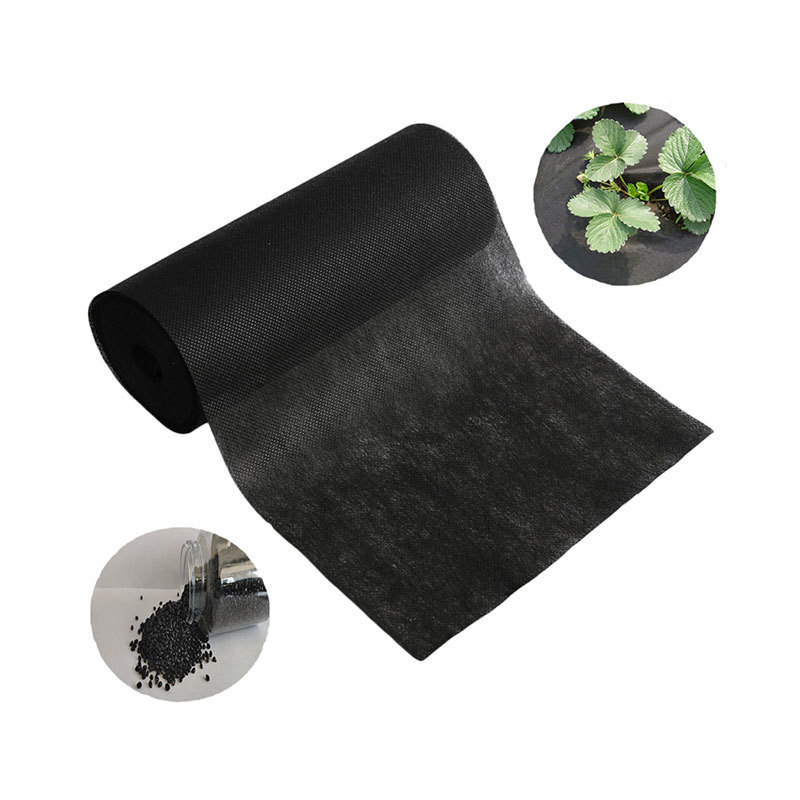
Ground fabric, often referred to as geotextile fabric, is a permeable textile material used in construction and landscaping to control weeds, manage erosion, and enhance soil stability. By preventing the growth of unwanted vegetation while allowing water and nutrients to penetrate the soil, ground fabric plays a crucial role in maintaining an efficient construction site. This type of weed control is an effective barrier that promotes healthy plant growth while minimizing maintenance efforts.
The Importance of Weed Control in Construction
Weeds can present numerous challenges on a construction site, including:
- Obstruction of Work Areas: Weeds can obstruct the flow of work and make areas difficult to navigate.
- Increased Maintenance Costs: Failure to control weeds can lead to higher maintenance costs over time, as crews will need to spend more resources on cleanup and removal.
- Soil Erosion: Weeds can destabilize soil, leading to erosion and other potential hazards on-site.
Benefits of Using Ground Fabric in Construction
Utilizing ground fabric for weed control offers several advantages that can enhance overall project outcomes:
1. Effective Weed Suppression
Ground fabric acts as a physical barrier that blocks sunlight, preventing seeds from germinating. This suppresses weed growth effectively, leading to a cleaner work environment.
2. Soil Moisture Retention
Ground fabrics help retain soil moisture while allowing water to permeate, which is especially beneficial in drought-prone areas.
3. Erosion Control
By stabilizing the soil, ground fabrics can prevent erosion caused by wind and water, protecting your construction site from potential damage.
4. Reduced Maintenance Efforts
With effective weed control in place, maintenance crews can focus on essential tasks rather than spending time removing unwanted vegetation.
5. Environmental Benefits
Using ground fabric minimizes the need for chemical herbicides, making it an environmentally friendly option for weed control.
Types of Ground Fabric for Weed Control
There are various types of ground fabrics available, each suited for specific applications:
1. Woven Geotextiles
Woven geotextiles are strong and durable, making them ideal for high-traffic areas. They offer excellent weed control while allowing water and air circulation.
2. Non-Woven Geotextiles
Non-woven geotextiles are typically softer and more flexible. They provide good filtration and drainage properties, making them suitable for landscaping projects.
3. Biodegradable Fabrics
Made from natural materials, biodegradable fabrics break down over time, enriching the soil without harming the environment. These are often used in organic gardening and eco-friendly landscaping projects.
Installation Techniques for Ground Fabric
Proper installation is crucial for maximizing the effectiveness of ground fabric. Follow these steps for successful installation:
1. Site Preparation
Clear the area of weeds, rocks, and debris. Level the ground to ensure the fabric lies flat and does not create bumps or wrinkles.
2. Cutting the Fabric
Measure the area and cut the fabric accordingly, ensuring it overlaps edges if multiple pieces are used. This helps prevent weed growth at seams.
3. Securing the Fabric
Secure the fabric using landscape staples or pins. Ensure it is firmly in place to prevent wind or water from displacing it.
4. Covering with Mulch
Applying a layer of mulch on top of the fabric can enhance its effectiveness by further suppressing weeds and improving aesthetics. Use organic mulch for added benefits to the soil.
Maintenance and Care of Ground Fabric
To ensure longevity and effectiveness, regular maintenance is essential:
1. Monitoring for Damage
Regularly inspect the fabric for tears or displacement. Repair any damage promptly to maintain weed control efficacy.
2. Cleaning the Fabric
Remove any debris that accumulates on top of the ground fabric. This prevents moisture retention that could encourage weed growth.
3. Replenishing Mulch
Over time, mulch can decompose. Replenish the mulch layer as needed to ensure continued weed suppression and soil protection.
Eco-Friendly Options for Ground Fabric Weed Control
For environmentally conscious construction projects, consider these eco-friendly ground fabric options:
1. Organic Materials
Look for ground fabrics made from organic materials that decompose naturally, enhancing the soil without chemical additives.
2. Recycled Fabrics
Utilizing recycled geotextiles not only supports sustainability but also often provides a cost-effective solution for weed control.
3. Minimal Herbicide Use
If herbicides are necessary, opt for natural alternatives to reduce environmental impact while effectively controlling weeds.
Cost Considerations for Ground Fabric Solutions
The cost of ground fabric can vary widely based on material type, size, and application method. Consider the following when budgeting:
1. Material Costs
Woven fabrics tend to be more expensive than non-woven options but may offer greater durability for high-traffic areas.
2. Installation Costs
Factor in labor costs for installation, which can vary depending on site preparation needs and the size of the area being covered.
3. Long-term Savings
Investing in quality ground fabric may lead to long-term savings through reduced maintenance and enhanced site productivity.
Frequently Asked Questions
1. How long does ground fabric last?
The lifespan of ground fabric varies by material, with woven varieties lasting longer, often up to 10 years, while biodegradable options may last only a season or two.
2. Can I use ground fabric under concrete?
Yes, ground fabric can be used under concrete to help prevent weed growth and improve soil stability, provided it is properly installed.
3. Will ground fabric prevent all weeds?
While ground fabric is effective at suppressing most weeds, some aggressive species may still penetrate the fabric if not adequately managed.
4. Is ground fabric environmentally friendly?
Many types of ground fabric are eco-friendly, especially those made from recycled materials or organic sources that decompose naturally.
5. How do I dispose of old ground fabric?
Check local regulations for disposal. Many fabrics can be recycled or disposed of in an environmentally responsible manner, especially if they are made from natural fibers.
Conclusion
Implementing proper ground fabric weed control on your construction site can significantly enhance both its functionality and appearance. By choosing the right type of fabric, following appropriate installation techniques, and maintaining the site effectively, you can create an organized and efficient work environment. Additionally, making eco-friendly choices will not only benefit the site but also contribute positively to the surrounding ecosystem. Embrace these solutions to ensure the success of your construction project while promoting sustainability and efficiency.
ground fabric weed control

LEAVE A MESSAGE
MESSAGE