



10
2026
-
02
Understanding the Benefits and Applications of PP Nonwoven Fabric
Polypropylene (PP) nonwoven fabric has become an increasingly popular material in various industries due to its versatility and functionality. This synthetic fabric is produced by bonding polypropylene fibers through mechanical, thermal, or chemical processes, resulting in a lightweight, durable, and cost-effective material. One of the key attributes of PP nonwoven fabric is its excellent resistan

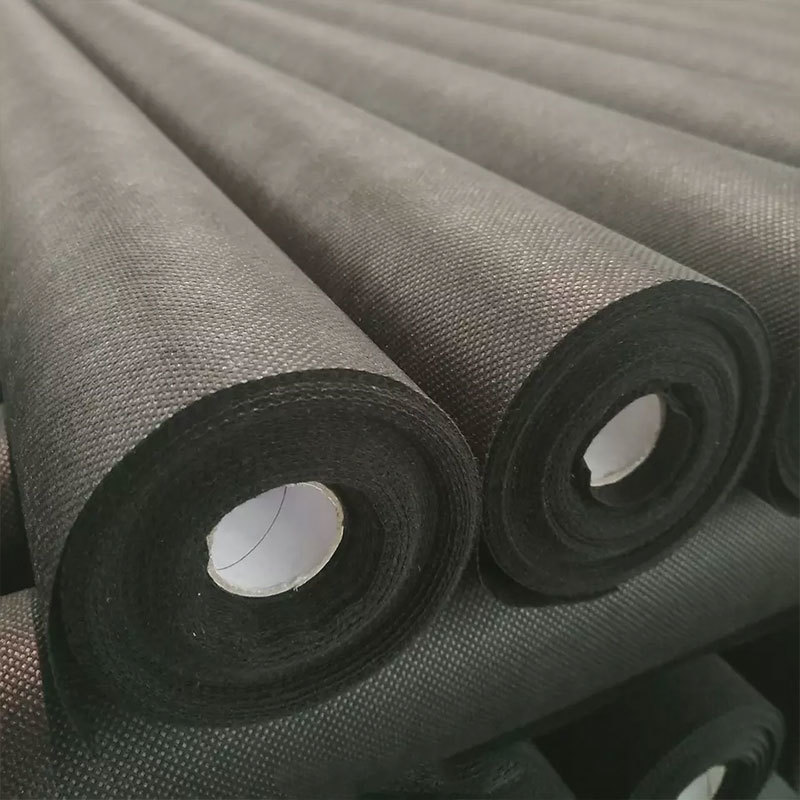
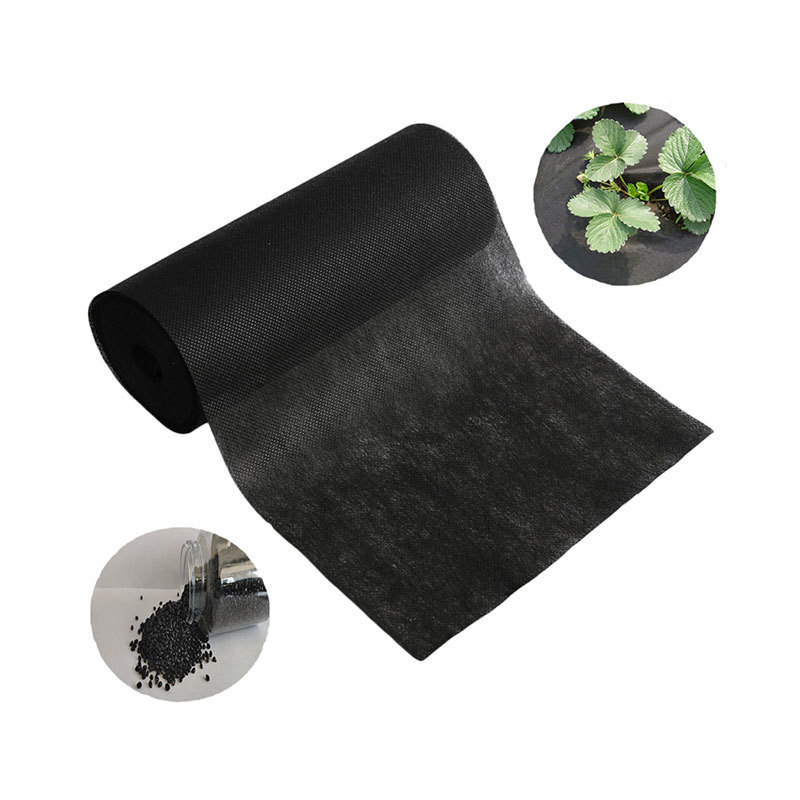
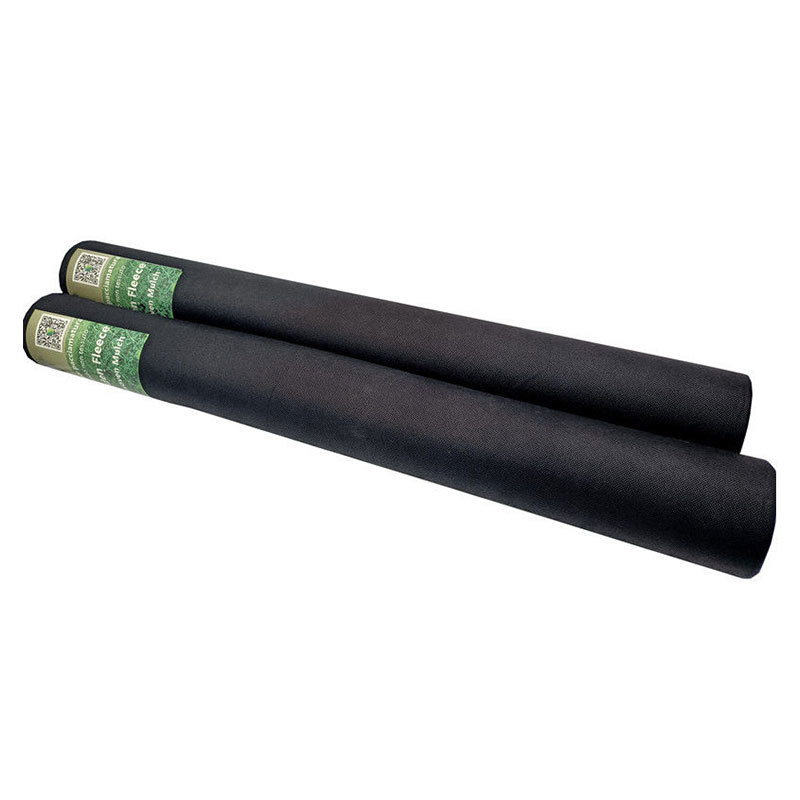
Polypropylene (PP) nonwoven fabric has become an increasingly popular material in various industries due to its versatility and functionality. This synthetic fabric is produced by bonding polypropylene fibers through mechanical, thermal, or chemical processes, resulting in a lightweight, durable, and cost-effective material. One of the key attributes of PP nonwoven fabric is its excellent resistance to moisture and mold, making it an ideal choice for a wide range of applications.
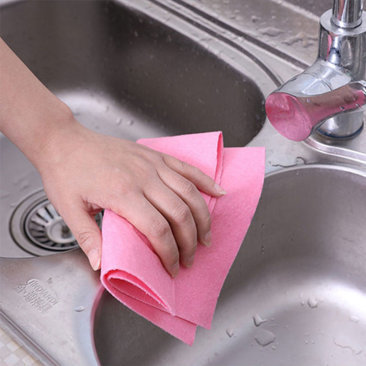
One significant advantage of PP nonwoven fabric is its breathability. This characteristic allows air and moisture to pass through the material, making it suitable for applications such as medical textiles, hygiene products, and protective clothing. In the healthcare sector, for instance, PP nonwoven fabric is often used for surgical gowns, masks, and drapes, providing barrier protection while ensuring comfort for the wearer.
Moreover, the fabric's ability to be engineered for specific properties means that it can be tailored to meet the requirements of various applications. By incorporating additives or altering production methods, manufacturers can create PP nonwoven fabrics with enhanced properties such as UV resistance, increased tensile strength, or improved softness. This adaptability makes PP nonwoven fabric an excellent choice for industries ranging from agriculture to automotive.
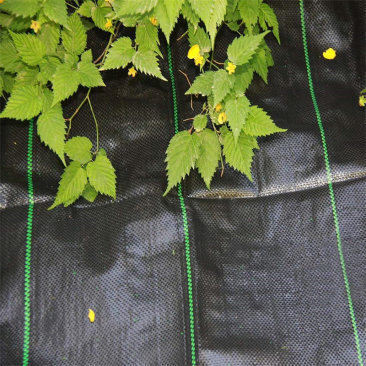
In the agricultural sector, PP nonwoven fabric is frequently employed as mulch film or row covers. These products help regulate soil temperature, retain moisture, and protect crops from pests and disease, ultimately promoting healthier growth. The lightweight nature of the fabric also ensures easy installation and handling, further enhancing its appeal to farmers and horticulturists.
Additionally, PP nonwoven fabric is widely used in the filtration industry due to its excellent particle retention capabilities. Its structure allows for the effective capture of airborne particles, making it an essential component in air and water filtration systems. This utility extends to various consumer products, such as face masks and air purifiers, where high-performance filtration is crucial.
In conclusion, PP nonwoven fabric stands out as a remarkable material within the textile industry, offering numerous benefits and applications. Its unique properties, such as breathability, moisture resistance, and adaptability, make it a go-to choice for professionals across various fields. By leveraging the advantages of PP nonwoven fabric, industries can enhance product performance and meet the evolving demands of their markets.
One significant advantage of PP nonwoven fabric is its breathability. This characteristic allows air and moisture to pass through the material, making it suitable for applications such as medical textiles, hygiene products, and protective clothing. In the healthcare sector, for instance, PP nonwoven fabric is often used for surgical gowns, masks, and drapes, providing barrier protection while ensuring comfort for the wearer.
Moreover, the fabric's ability to be engineered for specific properties means that it can be tailored to meet the requirements of various applications. By incorporating additives or altering production methods, manufacturers can create PP nonwoven fabrics with enhanced properties such as UV resistance, increased tensile strength, or improved softness. This adaptability makes PP nonwoven fabric an excellent choice for industries ranging from agriculture to automotive.
In the agricultural sector, PP nonwoven fabric is frequently employed as mulch film or row covers. These products help regulate soil temperature, retain moisture, and protect crops from pests and disease, ultimately promoting healthier growth. The lightweight nature of the fabric also ensures easy installation and handling, further enhancing its appeal to farmers and horticulturists.
Additionally, PP nonwoven fabric is widely used in the filtration industry due to its excellent particle retention capabilities. Its structure allows for the effective capture of airborne particles, making it an essential component in air and water filtration systems. This utility extends to various consumer products, such as face masks and air purifiers, where high-performance filtration is crucial.
In conclusion, PP nonwoven fabric stands out as a remarkable material within the textile industry, offering numerous benefits and applications. Its unique properties, such as breathability, moisture resistance, and adaptability, make it a go-to choice for professionals across various fields. By leveraging the advantages of PP nonwoven fabric, industries can enhance product performance and meet the evolving demands of their markets.
PP nonwoven fabric

LEAVE A MESSAGE
MESSAGE