



05
2026
-
07
Understanding Nonwoven Fabric: The Versatility of Polypropylene
Nonwoven fabric, particularly polypropylene nonwoven fabric, has gained significant traction in various industries due to its versatility and unique properties. Unlike traditional woven fabrics, nonwoven fabrics are made directly from fibers that are bonded together through mechanical, thermal, or chemical processes. This manufacturing method allows for a wide range of applications, making it a po

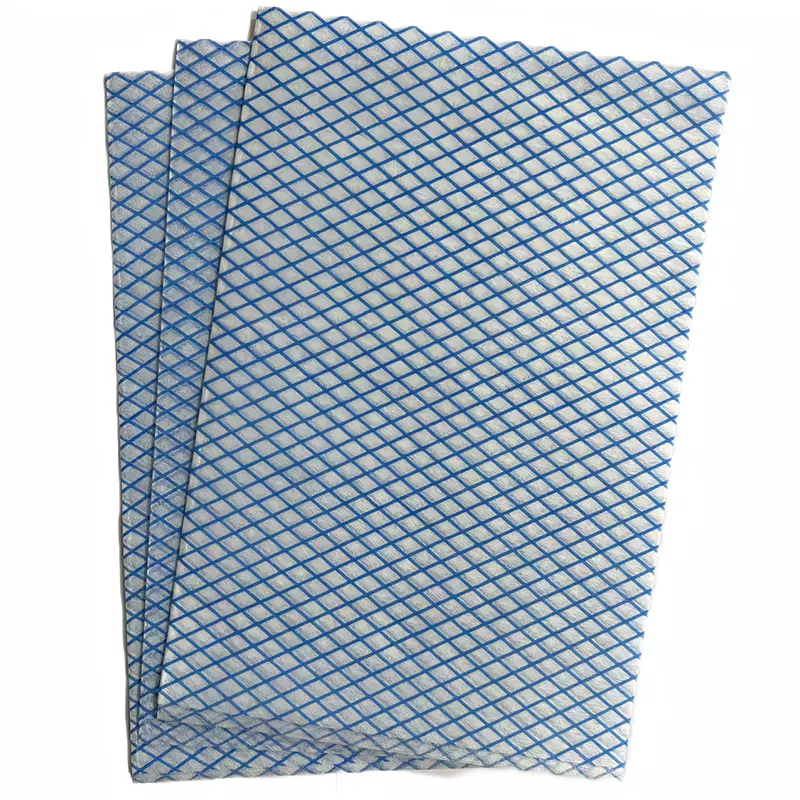
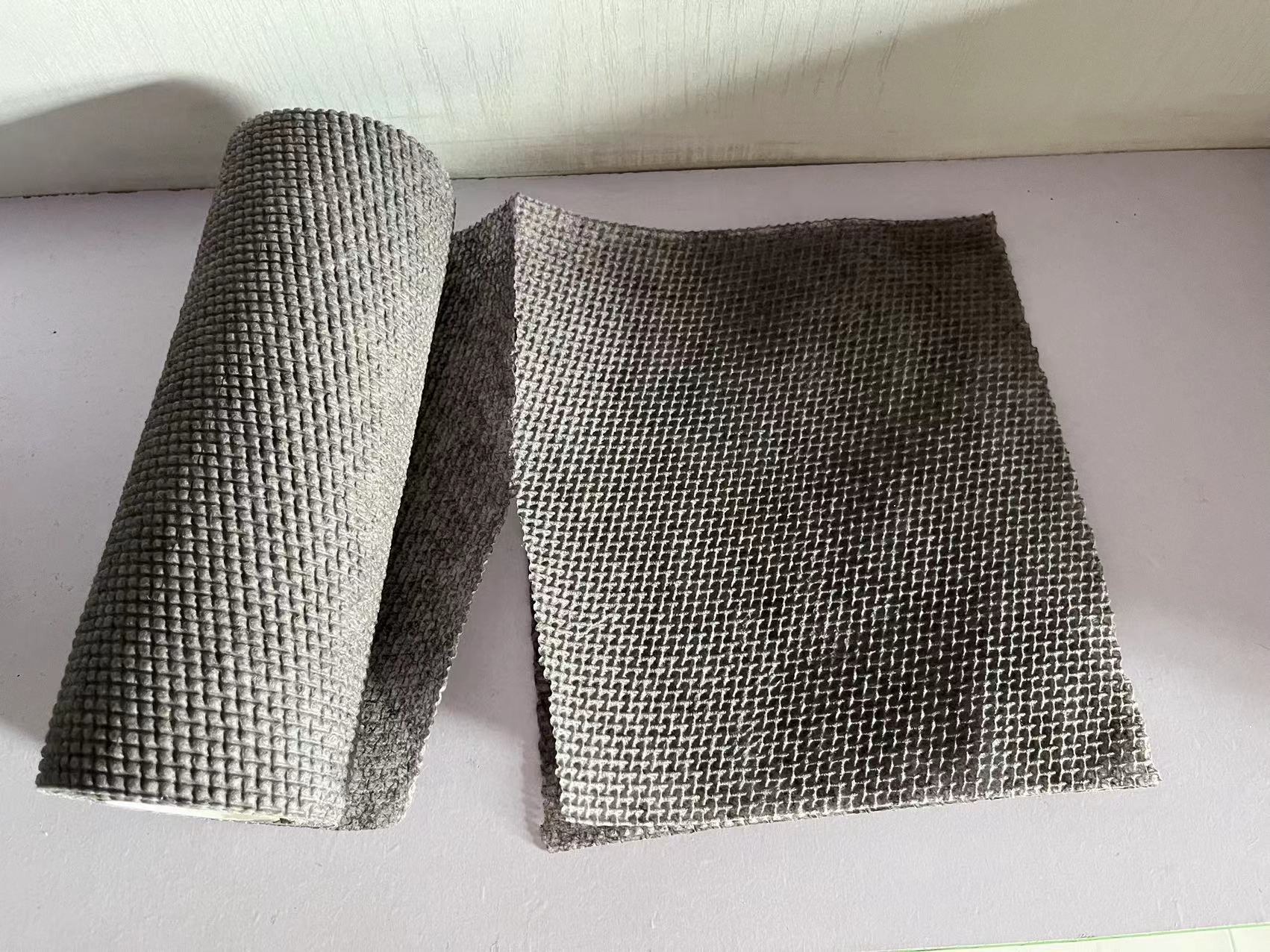
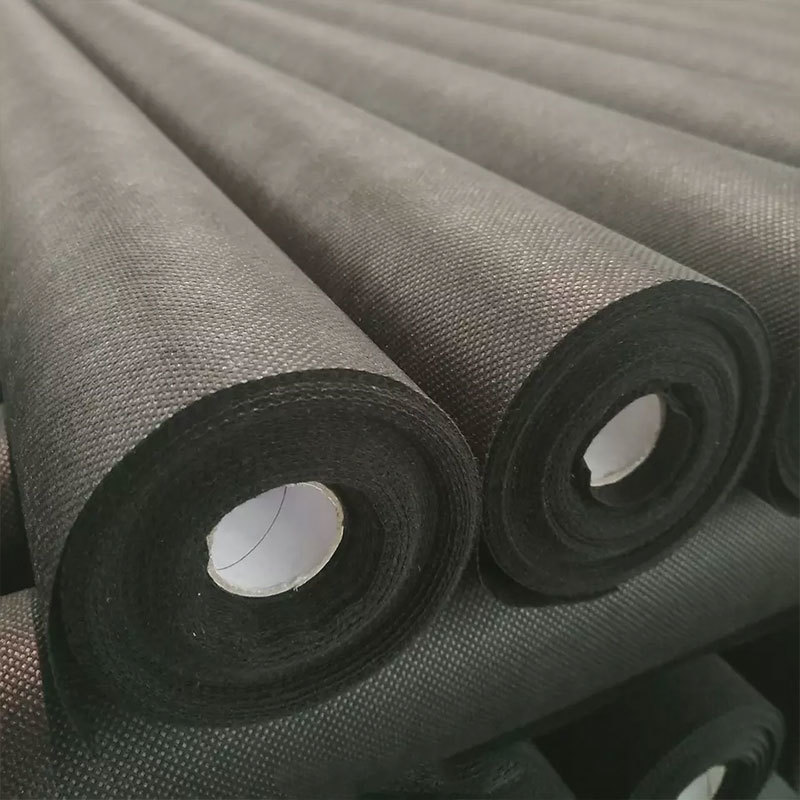
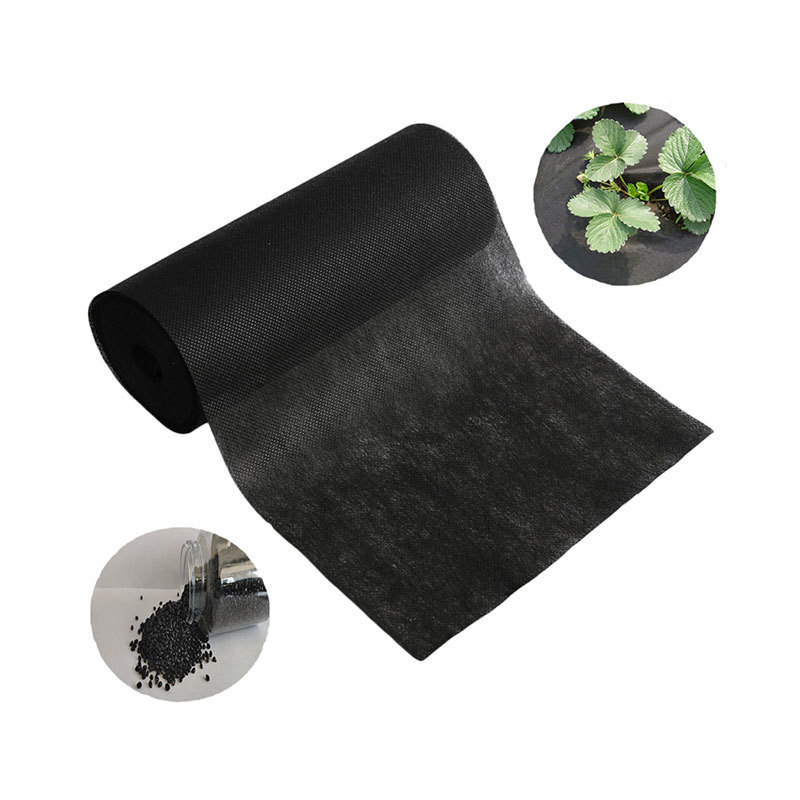
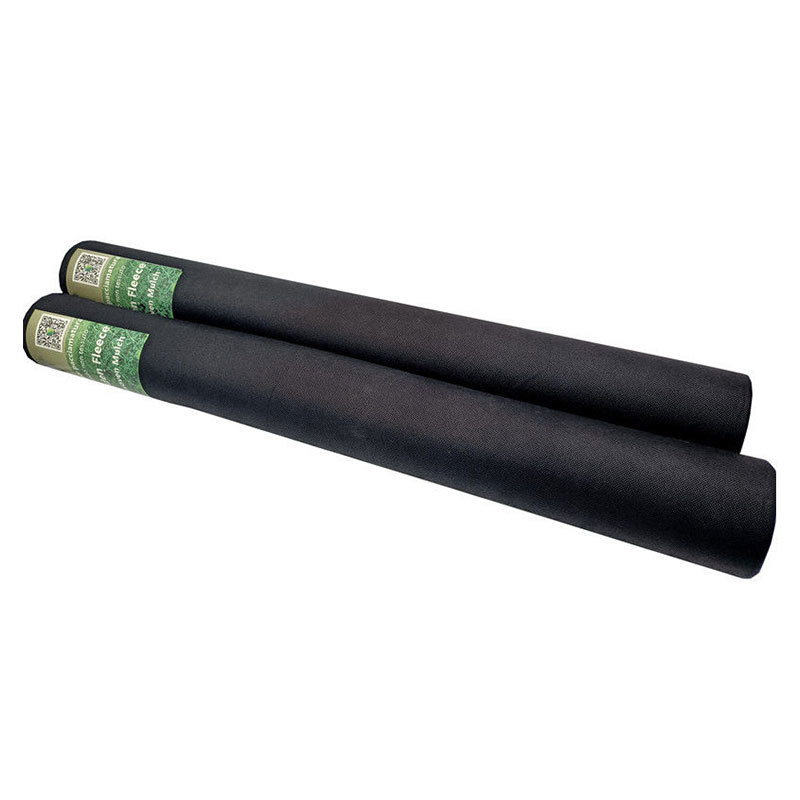
Nonwoven fabric, particularly polypropylene nonwoven fabric, has gained significant traction in various industries due to its versatility and unique properties. Unlike traditional woven fabrics, nonwoven fabrics are made directly from fibers that are bonded together through mechanical, thermal, or chemical processes. This manufacturing method allows for a wide range of applications, making it a popular choice in the textile industry.
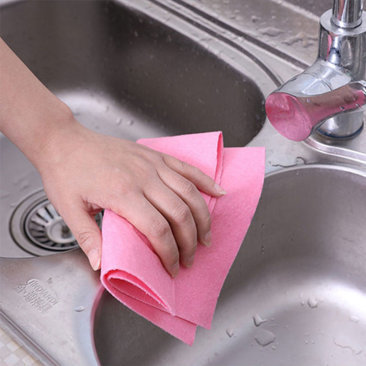
Polypropylene is a thermoplastic polymer that plays a crucial role in the production of nonwoven fabrics. Its lightweight nature and resistance to moisture, chemicals, and UV rays contribute to its appeal. This makes polypropylene nonwoven fabric an ideal option for a variety of products, including packaging materials, medical supplies, and household items. For instance, it is commonly used in disposable surgical gowns, masks, and hygiene products due to its ability to provide effective barrier properties without compromising breathability.
One of the most significant advantages of polypropylene nonwoven fabric is its eco-friendliness. Many manufacturers are now producing biodegradable options, which help reduce environmental impact. Additionally, the production process for nonwoven fabrics typically consumes less energy and generates less waste compared to traditional woven fabrics, making it a more sustainable choice.
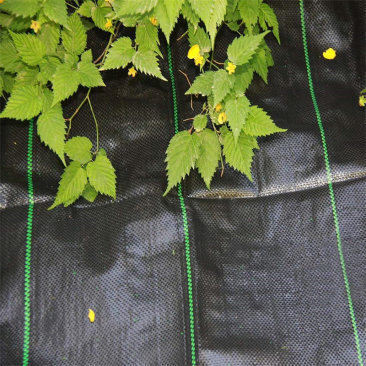
The durability of polypropylene nonwoven fabric is another reason for its widespread use. It can withstand various conditions, making it suitable for both indoor and outdoor applications. Whether used as geotextiles in civil engineering projects, filtration media in water treatment, or even as upholstery in furniture, the strength and stability of polypropylene nonwoven fabric make it a reliable option.
Moreover, the ability to customize polypropylene nonwoven fabric through various treatments and finishes enhances its functionality. Manufacturers can create fabrics with specific properties, such as increased strength, water repellency, or antimicrobial resistance, catering to the unique needs of different industries.
In conclusion, polypropylene nonwoven fabric represents a significant advancement in textile technology. Its combination of lightweight durability, versatility, and eco-friendliness sets it apart from traditional fabrics. As industries continue to explore innovative solutions, the demand for nonwoven fabrics, particularly those made from polypropylene, is expected to grow, offering endless possibilities for applications across multiple sectors. Understanding the benefits and uses of this material can help businesses make informed decisions about their textile needs.
Polypropylene is a thermoplastic polymer that plays a crucial role in the production of nonwoven fabrics. Its lightweight nature and resistance to moisture, chemicals, and UV rays contribute to its appeal. This makes polypropylene nonwoven fabric an ideal option for a variety of products, including packaging materials, medical supplies, and household items. For instance, it is commonly used in disposable surgical gowns, masks, and hygiene products due to its ability to provide effective barrier properties without compromising breathability.
One of the most significant advantages of polypropylene nonwoven fabric is its eco-friendliness. Many manufacturers are now producing biodegradable options, which help reduce environmental impact. Additionally, the production process for nonwoven fabrics typically consumes less energy and generates less waste compared to traditional woven fabrics, making it a more sustainable choice.
The durability of polypropylene nonwoven fabric is another reason for its widespread use. It can withstand various conditions, making it suitable for both indoor and outdoor applications. Whether used as geotextiles in civil engineering projects, filtration media in water treatment, or even as upholstery in furniture, the strength and stability of polypropylene nonwoven fabric make it a reliable option.
Moreover, the ability to customize polypropylene nonwoven fabric through various treatments and finishes enhances its functionality. Manufacturers can create fabrics with specific properties, such as increased strength, water repellency, or antimicrobial resistance, catering to the unique needs of different industries.
In conclusion, polypropylene nonwoven fabric represents a significant advancement in textile technology. Its combination of lightweight durability, versatility, and eco-friendliness sets it apart from traditional fabrics. As industries continue to explore innovative solutions, the demand for nonwoven fabrics, particularly those made from polypropylene, is expected to grow, offering endless possibilities for applications across multiple sectors. Understanding the benefits and uses of this material can help businesses make informed decisions about their textile needs.
nonwoven fabric polypropylene

LEAVE A MESSAGE
MESSAGE